


How airlines decide which routes live or die

4 min read
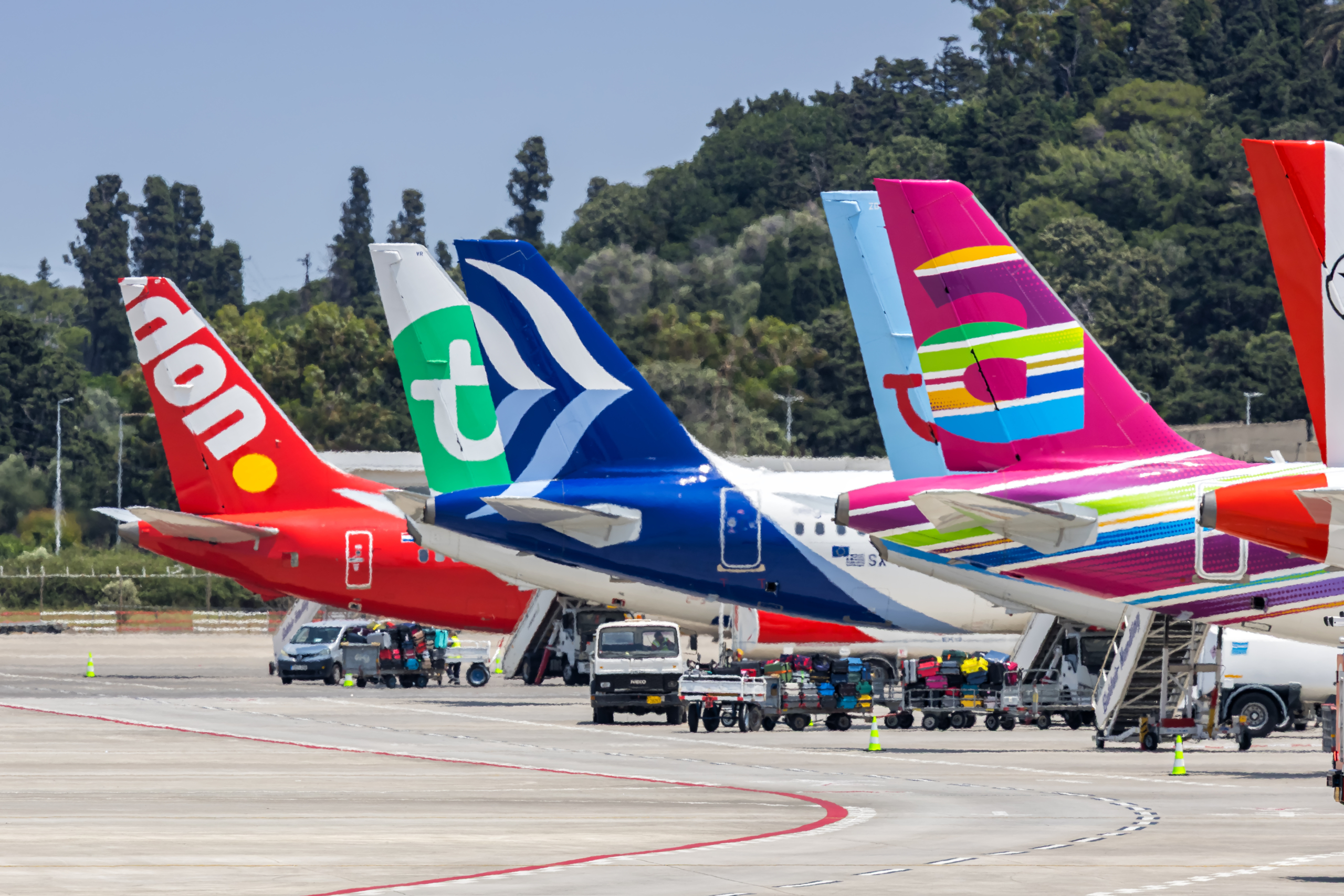
Airline network maps look clean and deliberate. Lines connect cities, continents and hubs as if everything has been carefully choreographed.
But in fact, those maps are always evolving. Routes are adjusted, reduced, paused for seasons or dropped entirely. And the decision is rarely driven by one simple number.
Hub and spoke airlines versus low-cost carriers
Route decisions really come down to the type of airline you’re dealing with. For hub and spoke carriers, a route might not look like much on its own.
A short regional flight could have fairly limited local revenue and seem marginal in isolation. But if it’s feeding 30 or 40 passengers into long-haul connections at a hub, the story changes completely.
What matters is not just what that route earns directly, but what it enables elsewhere in the network. In other words, a flight can look ordinary on paper but still be doing an important job behind the scenes.
That’s why network airlines tend to judge routes on contribution rather than standalone performance. A service that looks borderline in isolation can still be worth keeping if it consistently supports key connections or keeps the hub flowing properly.
How do low-cost carriers evaluate route performance?
Low-cost carriers take a much more direct approach. Without a connecting network, each route has to stand on its own. There is no wider system to soften weaker performance or balance things out elsewhere.
So if demand drops or costs start to rise, the response is usually simple. The aircraft is moved to a route that performs better.
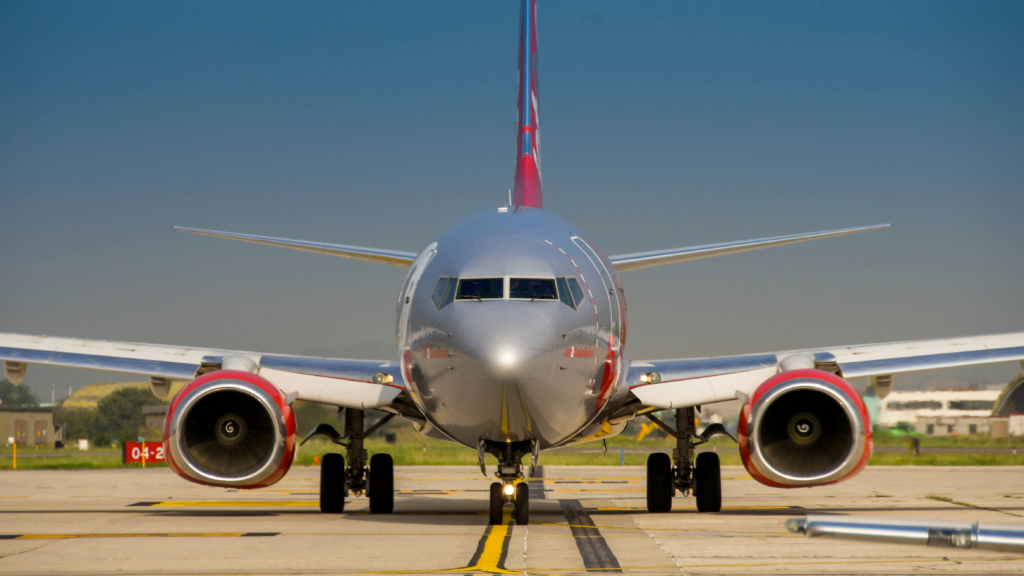
The decision comes down to basics like load factor, yield and cost per seat. If a route is not delivering, it is hard to justify keeping it, because the economics have to work day by day on that route alone rather than being supported by the wider network.
When airlines keep losing routes anyway
Not all routes are expected to be profitable on their own. For network carriers like Emirates, Air France, American Airlines, United Airlines and KLM, some services are kept for strategic reasons.
That could be protecting valuable airport slots, stopping competitors from entering a market, or supporting high-value connecting traffic that does not show up clearly in point-to-point numbers.
Taking a route away can have knock-on effects across the wider network that are not always obvious at first glance.
Low-cost carriers are much less tolerant of ongoing losses. They tend to use routes to test demand, build presence, and scale quickly. If the numbers do not improve, capacity is simply moved somewhere else.
Competition (and high-speed rail)
Competition is one of the biggest factors shaping route decisions. When a low-cost carrier enters a market with lower fares, legacy airlines rarely respond by trying to match prices. Instead, they adjust schedules, protect hub connections, and focus on keeping their long-haul network working smoothly.
In Europe, high-speed rail adds another layer of pressure. On shorter city pairs where travel times are similar, rail often wins demand from air. That has forced airlines to reduce capacity or, in some cases, question whether those routes should exist at all.
What strategies do airlines try before dropping a route?
Dropping a route is usually the last option. Once it’s gone, returning can be difficult due to lost slots, reduced visibility and weaker market presence.
The first step is usually reducing frequency. A daily service may be scaled back to a few flights per week to test demand. If that isn’t enough, airlines may switch to a smaller aircraft to better match capacity.
Low-cost carriers will also test aggressive pricing and play with ancillaries like passenger meals and baggage prices before giving up on a route altogether.
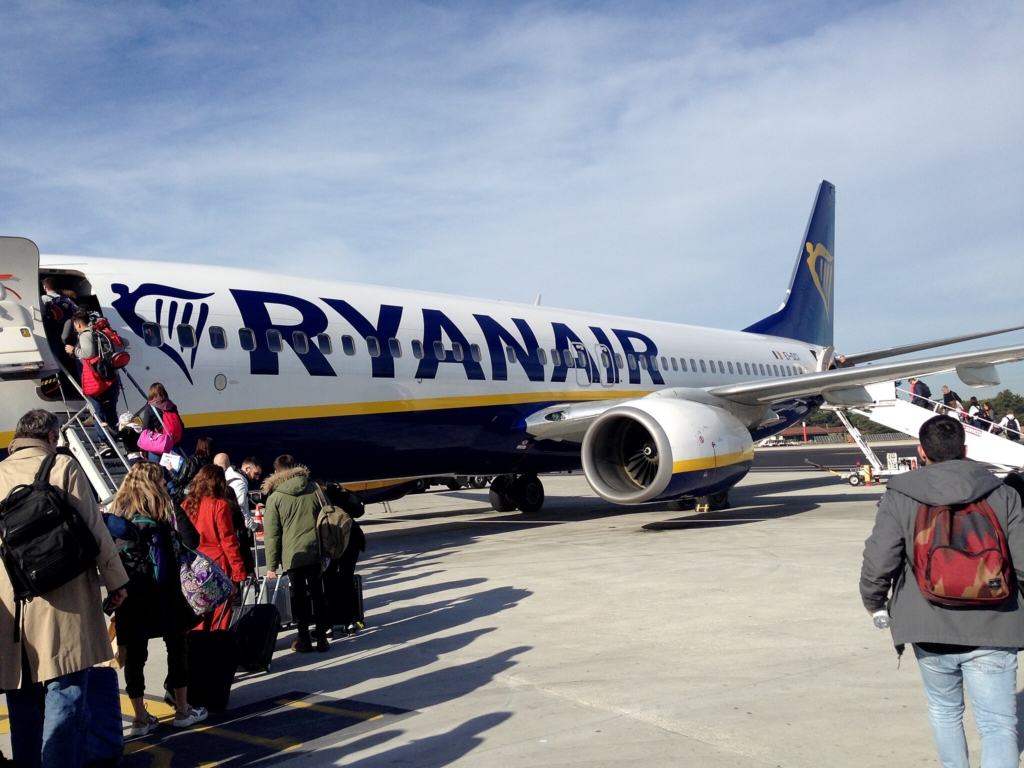
Seasonality is one of the easier ways airlines try to make a route work. Some just don’t perform outside peak months, and forcing them to run year-round can drag the numbers down.
Timing can be just as important. Shift a flight by a couple of hours, and you can end up with a completely different mix of passengers, especially when business travellers or connections are involved.
Why forecasting only tells part of the story
Airline forecasting is built on booking data, historical trends and competitor schedules. It gives a pretty accurate sense of what might happen, but it never tells the full story.

Real-world changes can shift demand quickly. A new rail link, a company relocating, or a regulatory change can all reshape a route in ways the models simply can’t predict.
That’s why planners treat forecasts as guidance rather than a rulebook. The data helps shape the decision, but it never replaces judgment.
Perfect route planning is rare
Cut a route too early, and an airline may miss a recovery. Keep it too long, and aircraft remain tied up in underperforming flying that haemorrhages money and could be used more effectively elsewhere.
Most airlines are not trying to optimise every decision perfectly. They are trying to manage risk while keeping the wider network healthy. It’s a balance that ultimately decides which routes stay, which shrink and which disappear.
Featured image: Markus Mainka / stock.adobe.com


