SSWS: SAF mandates are working, but the system behind them is under strain

5 min read
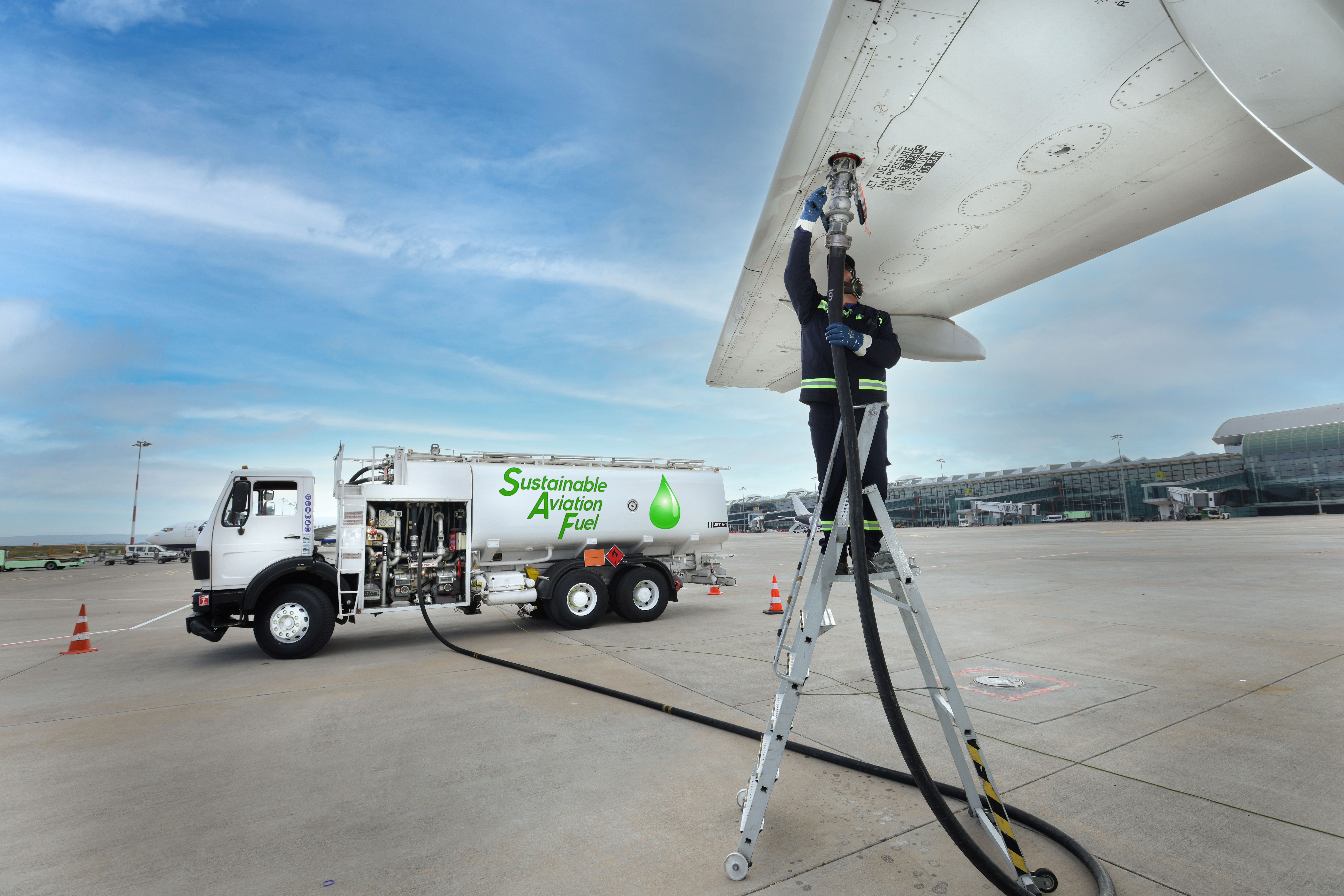
Europe’s push to scale sustainable aviation fuel (SAF) is, by most measures, working.
Mandates introduced across the EU and UK are driving steady increases in SAF uptake, with early targets expected to be met and supply growing year on year. But as the market expands, a more complex reality is emerging. While demand has been successfully created, the systems needed to support long-term growth are still catching up.
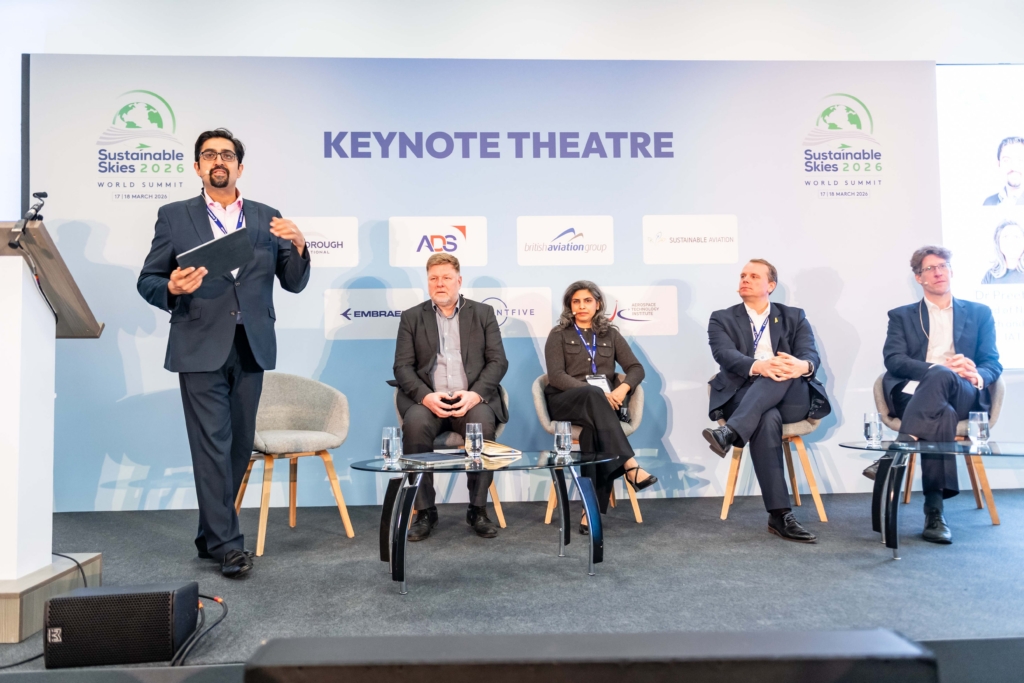
At the Sustainable Skies World Summit 2026, industry voices pointed to a growing disconnect between policy ambition and market readiness, raising questions about whether mandates alone can sustain momentum.
SAF mandates are driving demand, but supply and investment lag behind
From a policy perspective, there is broad agreement that mandates are doing what they were designed to do.
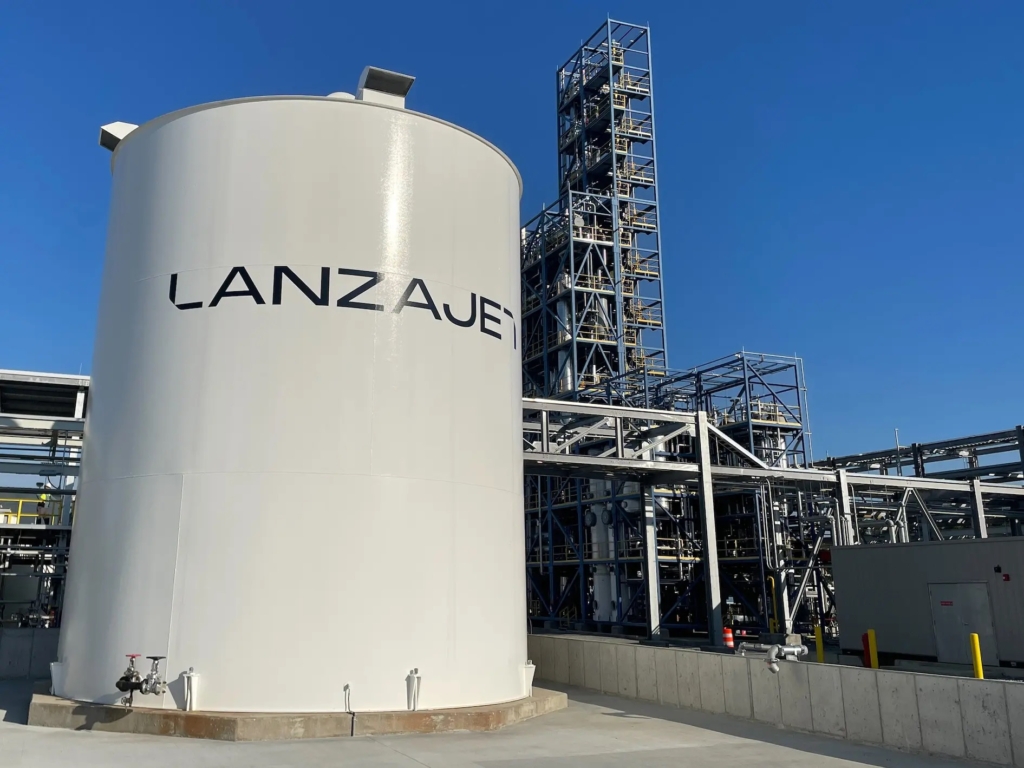
“The short answer is, yes, the mandates are working,” said Greg Archer, European policy projects director at LanzaTech, pointing to consistent growth in SAF volumes across Europe and the UK. However, he added a crucial caveat: “Just creating a mandate doesn’t create bankable projects.”
“We have been a little bit slow in the UK and in Europe in terms of recognising that, alongside the mandate, we need other forms of support,” he added, pointing to emerging mechanisms such as revenue certainty frameworks and advanced fuels funding.
That distinction is becoming central to the next phase of SAF development. While mandates create guaranteed demand, they do not automatically provide the financial certainty required for developers to invest in new production capacity.
As a result, the industry finds itself in a transitional phase, where demand is rising faster than supply can respond.
SAF policy support is emerging, but not fast enough
Governments are beginning to recognise that mandates alone are not enough.
Archer pointed to a growing suite of policy tools designed to support SAF production, including revenue certainty mechanisms, advanced fuels funding and the EU’s planned double-sided auction model.
These initiatives are intended to reduce risk for developers and improve the bankability of projects, but many are still in development or early implementation stages.
That lag is significant. Until these frameworks are fully operational, the market remains constrained, with limited production capacity and ongoing uncertainty for investors.
In comments shared with AGN, Ozzy Jegunma, Senior Research Analyst, Refined Products & Transport Fuels at Wood Mackenzie, reinforced this point, warning that “high upfront capital costs and difficulty securing long-term offtake agreements represent significant barriers to final investment decisions.”
That challenge is particularly visible from a financing perspective. As Vanessa Lowe, Vice President Global Banking at Santander, noted, “the really hard part… is having visibility over the project, particularly the revenue generation… not just in the short term, but actually over the long term.”
In other words, the challenge is no longer just creating demand, but ensuring the conditions exist to meet it.
Global SAF supply chains face pressure as feedstock competition grows
Even as Europe works to scale domestic production, it remains heavily reliant on global supply chains.
At the summit, speakers highlighted that a significant proportion of feedstock used for SAF production in Europe is sourced from Southeast Asia. But that dynamic is beginning to shift.
As countries in Asia introduce their own SAF mandates and strengthen domestic industries, more feedstock is being retained for local use, reducing availability for export.

That raises the prospect of increased competition for limited resources, as regions pursue parallel decarbonisation strategies.
The implication is that SAF is no longer just a climate policy issue, but one increasingly shaped by energy security and industrial strategy.
As Phil New from Energy Systems Catapult put it, “you have to deal with the world as it is, not how you would like it to be,” reflecting how SAF is increasingly shaped by industrial strategy and energy security as much as climate policy.
Are mandates delivering the outcomes they were designed for?
This raises a more fundamental question about the role of mandates in shaping the SAF market.
As Dr Preeti Jain of IATA noted, mandates were originally introduced “to create local production… to create an ecosystem where SAF can be produced.” But she questioned whether that objective is being fully realised, asking, “Is it really creating a homegrown industry? That is something we should ask ourselves, an honest question.”
The extent to which those goals are being achieved remains open to debate.
While SAF volumes are increasing, the market remains fragmented, with supply chains stretching across regions and investment decisions still heavily dependent on policy support.
This has led some industry voices to call for a more balanced approach, combining mandates with stronger incentives and more flexible frameworks to support different production pathways.
SAF is a market still in transition
The message from Sustainable Skies is not that SAF mandates are failing. On the contrary, they have been effective in creating momentum and signalling long-term demand. But they are also exposing the limitations of a system that is still evolving.
Demand has been successfully established. Supply, however, is still constrained. Investment frameworks are improving, but not yet fully mature. And global competition for resources is beginning to intensify.
The result is a market that is moving forward, but not yet in equilibrium.
Some industry players are already moving beyond mandated levels, highlighting both the ambition and the limitations of the current system. “We want to use 30% SAF by 2030, said Tim Lederer, VP at DHL. “We’ve already achieved 10% in 2025.”
For now, SAF mandates remain a necessary tool in aviation’s decarbonisation strategy. But as the industry moves beyond early adoption, the focus is shifting from whether mandates work to whether the broader system around them can keep up.
Until that balance is achieved, the risk is that progress continues, but with increasing friction.