ACI says Middle East crisis will not derail Asia’s aviation growth

2 min read
The aviation crisis triggered by the war in the Middle East has impacted Asian carriers more severely than most.
However, according to Stefano Baronci, director general of Airports Council International (ACI) Asia-Pacific & Middle East, the disruption is unlikely to undermine the region’s dominance in what he describes as Asia’s century of aviation.
The US-Israel-Iran conflict has resulted in cancelled flights and higher prices for airlines and consumers.
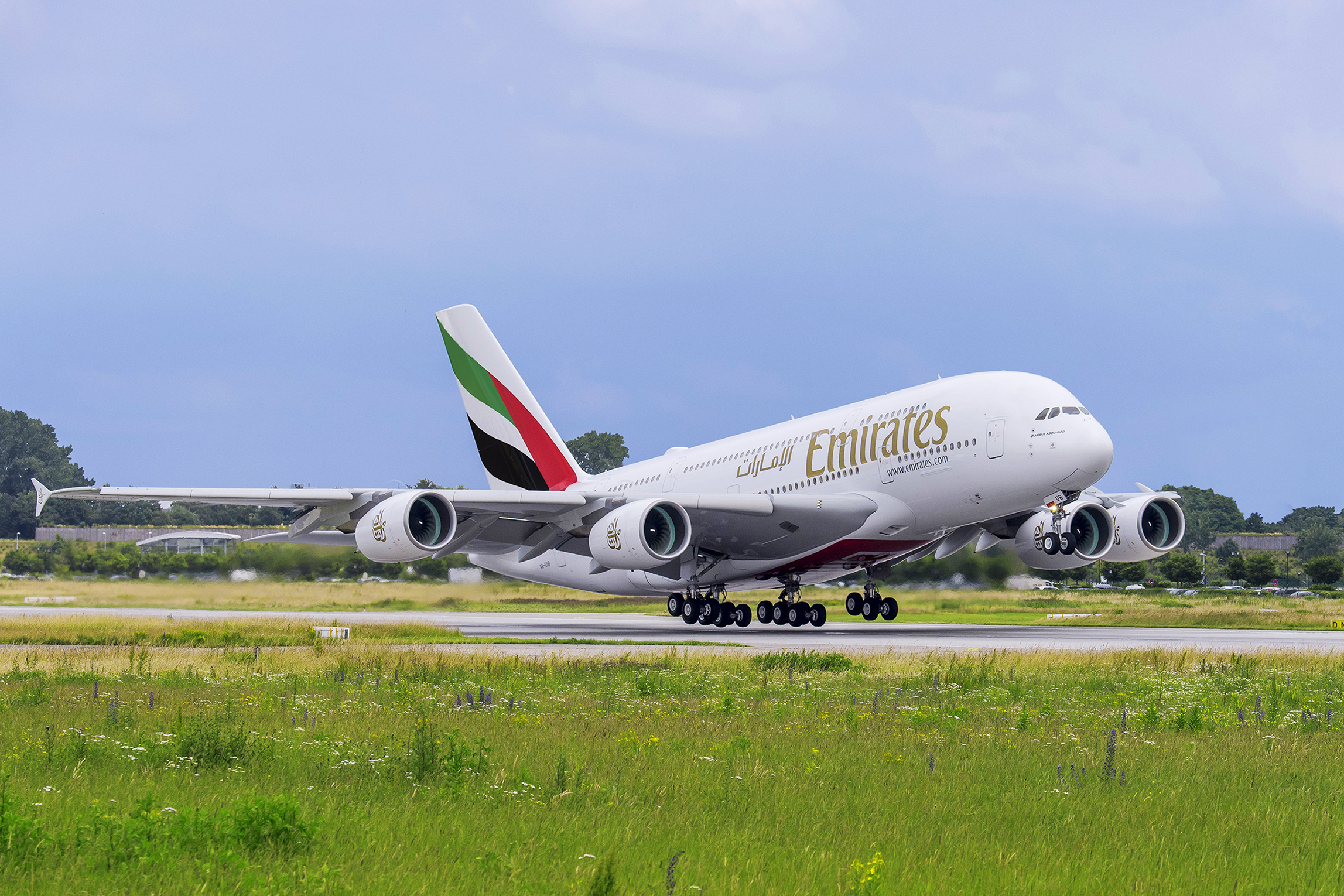
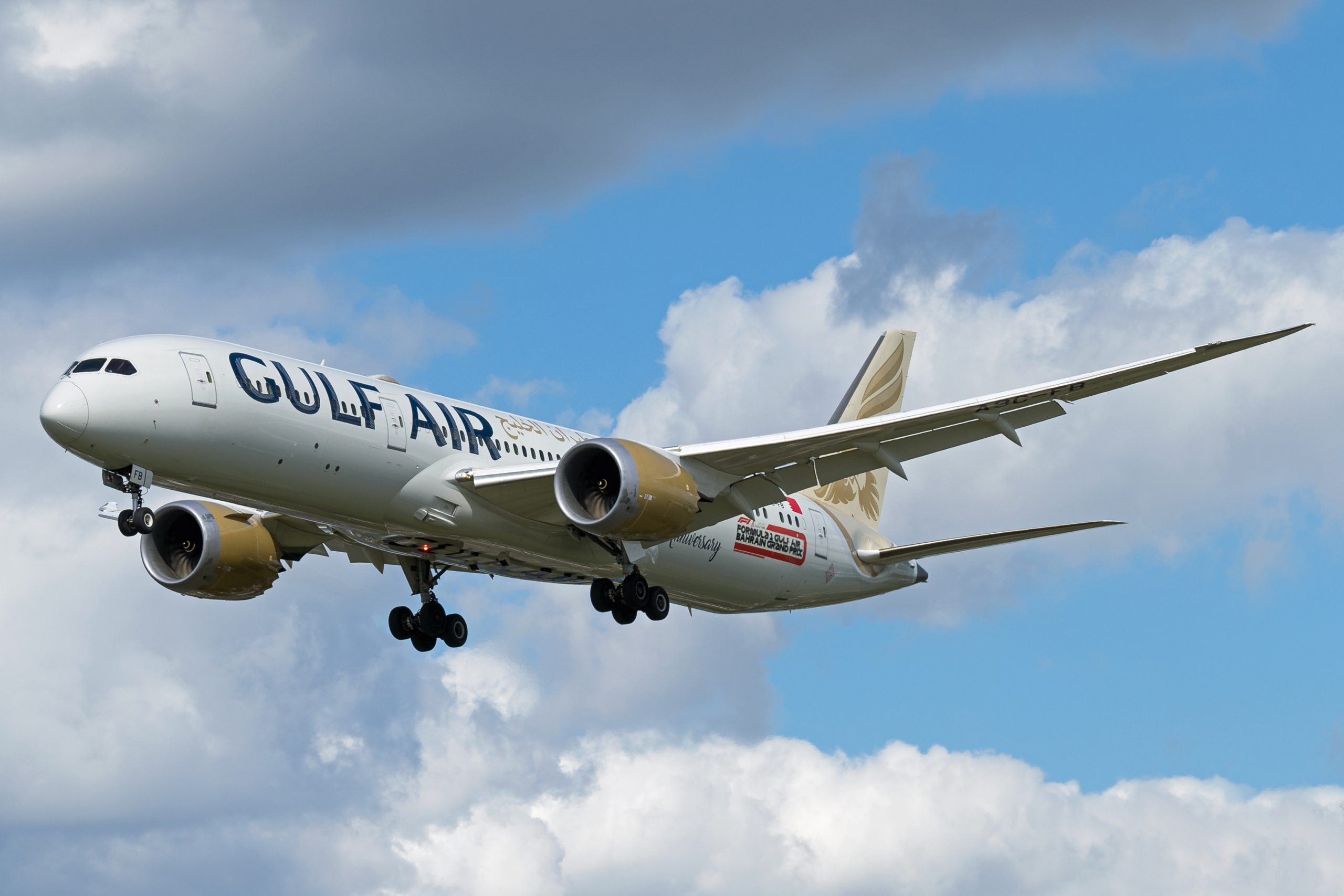
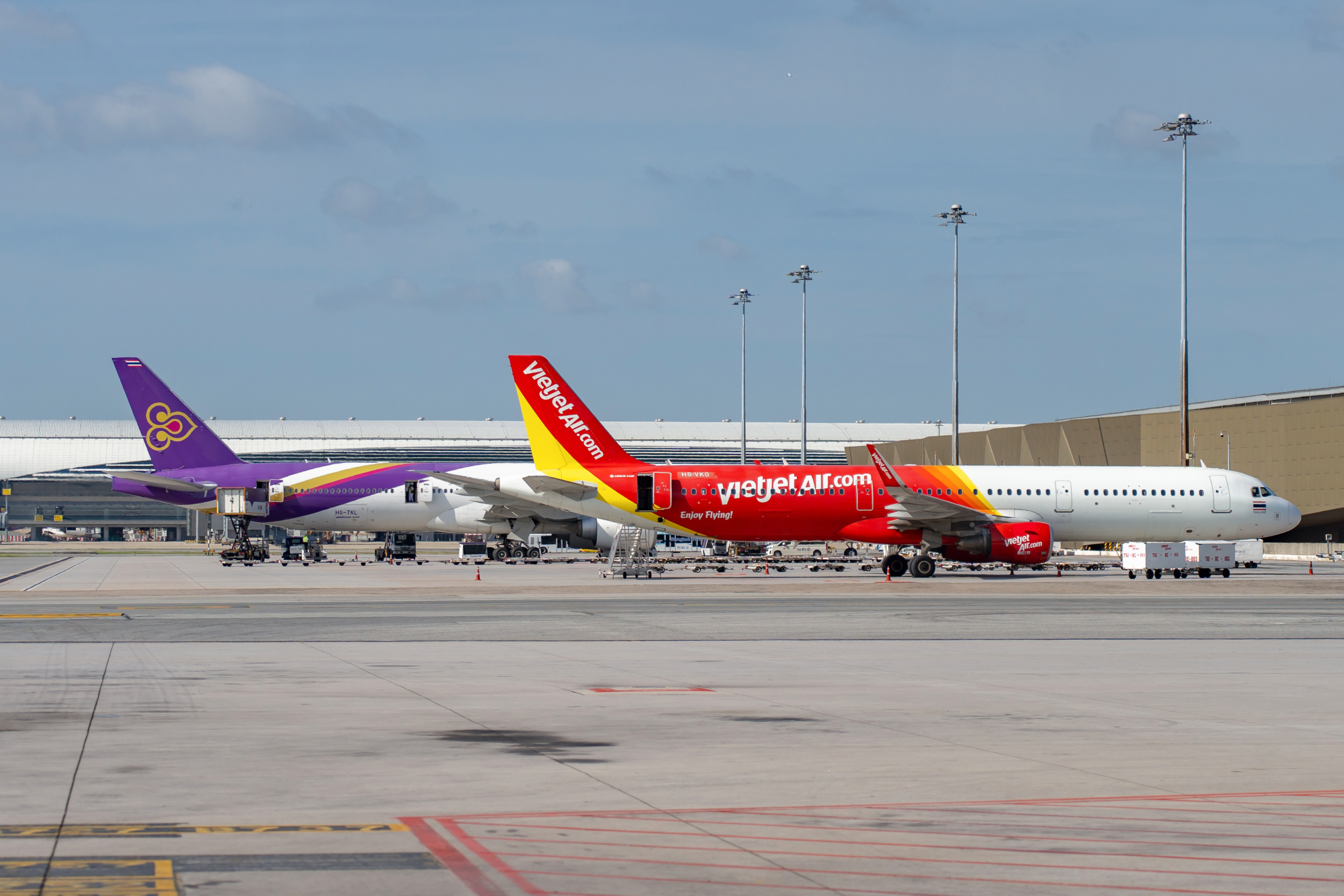
The big three Middle Eastern carriers have been forced to ground aircraft, Gulf Air relocated its hub from Bahrain to Dammam and jet fuel shortages have led carriers in Vietnam and the Philippines to suspend flights.
External shocks won’t derail growth trajectory, says ACI
Speaking at the Routes Asia event in Xi’an, China, Baronci – who heads a trade body representing over 600 airports – said that while “external shocks are mounting”, there was no sign that the long-term trajectory for the Asian airline industry would be affected.
Acknowledging the scale of the crisis, he said: “All the focus is about the Middle East at the moment: the economic turbulence is entering a new phase, which is partly unpredictable and may increase the economic pressure, the social pressure and in certain constituencies, also the political pressure.”
But he added: “There is no sufficient strong evidence yet to believe that the current challenges can undermine the statement that the first part of this new millennium will be the century of Asia for aviation.”
How dominant is the Asia-Pacific region?
Baronci’s comments are backed by data. According to IATA, the Asia-Pacific region accounted for more than a third of passenger numbers in 2025 (34.5%).
Asia-Pacific airlines posted a 10.9% rise in international traffic last year compared to 2024, with capacity up 10.2% and load factors rising 0.5 ppt to 84.4%.
Asia-Pacific finished 2025 with the fastest growth rate and highest load factor of any region.
“Asia Pacific is the leading external engine of Middle East connectivity, when measured in terms of seat capacity and frequency of flights,” Baronci said.
“The Asia Pacific-Middle East corridor is the largest external market, considering only the 2025 period when this reached 133 million seats, signalling strong post Covid structural demand, 31% of the market share of the Middle East market is actually related to Asia Pacific.”
Pre-war growth forecasts painted rosy picture for region
ACI APAC & MID forecast in December before the war broke out a 4.8% annual passenger growth in Asia-Pacific and 5.4% in the Middle East during the 2025–2028 period.
At the time, it pointed to “resilient economic fundamentals, renewed travel demand, and airport investments”.
The body said India and Vietnam would continue to lead Asia-Pacific’s surge in both domestic and international travel, while it said Saudi Arabia was rapidly emerging as a “powerhouse” in the Middle East through large airport developments in the pipeline.
Featured image: Emirates
Sign up for our newsletter and get our latest content in your inbox.


More from

October 17, 20265 min read

October 17, 20264 min read