


First Airbus A220 hull loss confirmed after ground fire destroys airBaltic jet

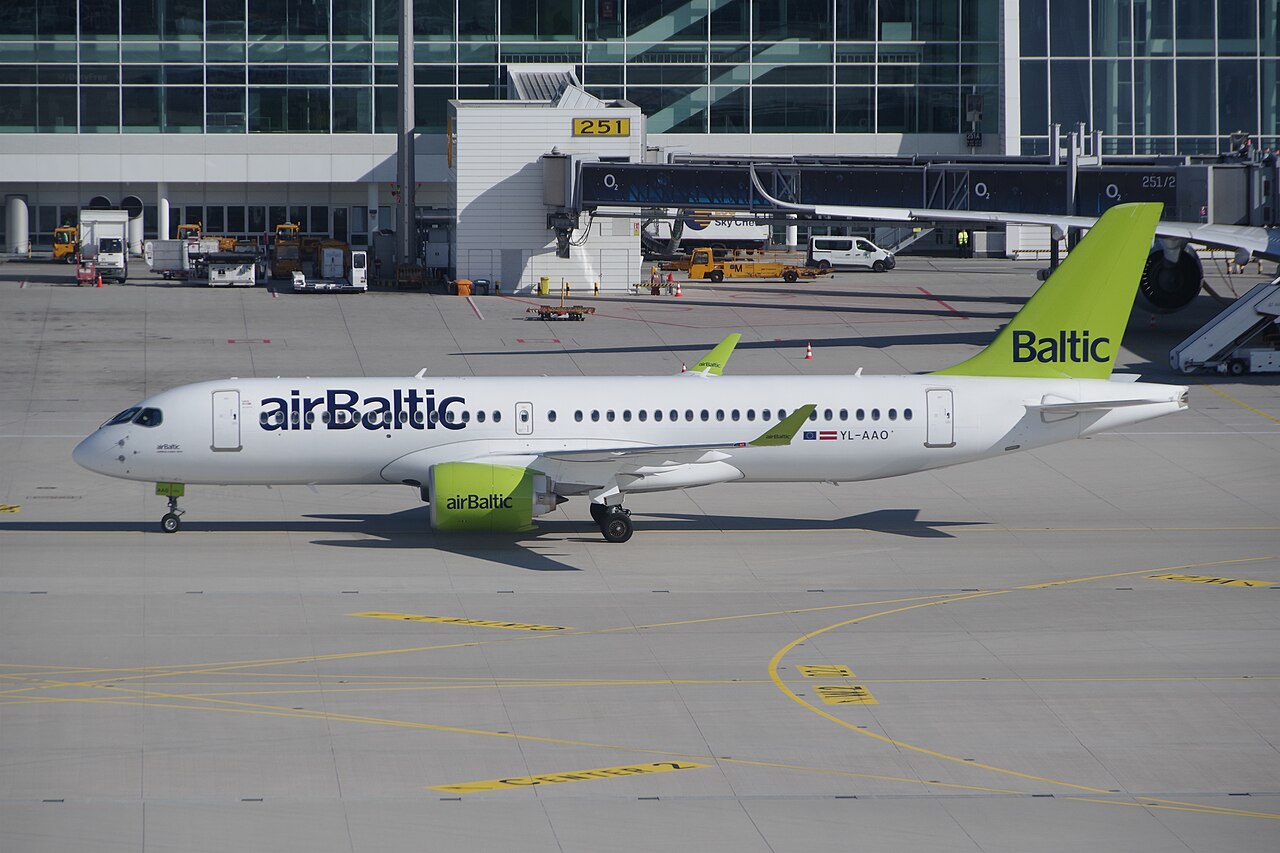
Details have emerged of a maintenance-related incident last year that led to the loss of an airBaltic Airbus A220-300, marking what is believed to be the first hull loss of the type since it entered service in July 2016.
Ground incident resulted in the loss of an airBaltic Airbus A220
On 14 June 2025, an airBaltic Airbus A220 was undergoing maintenance at Riga Airport. The aircraft in question was YL-AAO, the first Airbus A220 to be delivered to the airline and named Jelgava.
According to Planespotters.net, the affected aircraft had been in storage since September 2024 and was undergoing heavy maintenance ahead of a planned return to service. As part of post-maintenance procedures, engineers conducted a mandatory auxiliary power unit (APU) ground run.
During the test, a fire reportedly broke out in the centre section of the aircraft, which caused severe heat damage to the fuselage and wing root section. The source of the fire was later identified as the ozone filter on the aircraft.

Airbus describes the ozone filter as a key component of the Environmental Control System (ECS), designed to convert harmful ozone in high-altitude air into oxygen before it enters the cabin. The catalytic unit also helps remove odours, including kerosene fumes.
The aircraft was grounded after the fire and remained at Riga Airport to await further technical inspection from insurance assessors and specialist engineers from Airbus.
However, a full assessment in December 2025 by Airbus Engineering concluded the aircraft was beyond economic repair, leading to its permanent withdrawal from service. The aircraft was fully insured and operated under an operating lease at the time of the incident.
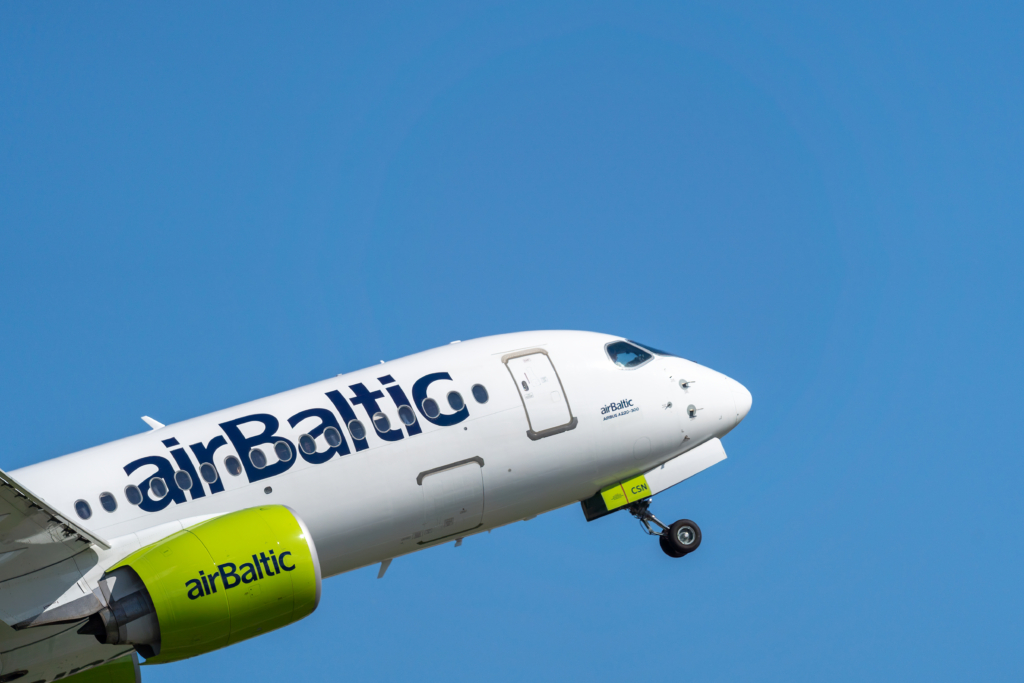
In a statement to Aerospace Global News, airBaltic said:
“In 2025, during scheduled technical maintenance in Riga, while performing a ground operational test of the Auxiliary Power Unit (APU), an Airbus A220-300 aircraft with the registration YL-AAO sustained significant thermal damage in the fuselage and wing attachment area, within the ozone filter unit.
“Following an assessment, Airbus representatives concluded that restoring the aircraft would not be economically viable. The investigation determined that the maintenance work had been carried out in accordance with all applicable procedures in force at the time.
“The aircraft was financed under an operating lease and was insured. An insurance claim has been submitted in relation to the incident, and the review process is currently ongoing.”
Further details of the A220-300 lost in the incident
YL-AAO was delivered new to airBaltic from Airbus’s Montreal facility in March 2019 and entered service later that month. At the time of the incident, it was just 6.3 years old.
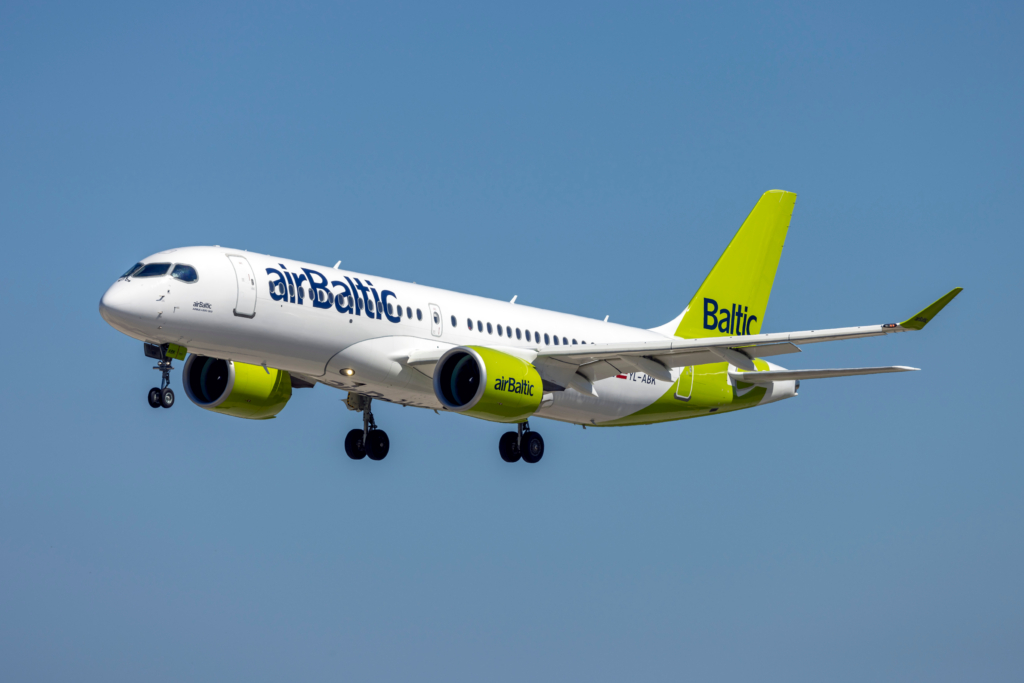
The aircraft was powered by Pratt & Whitney PW1521G-3 engines and configured with 148 seats in a single-class layout.
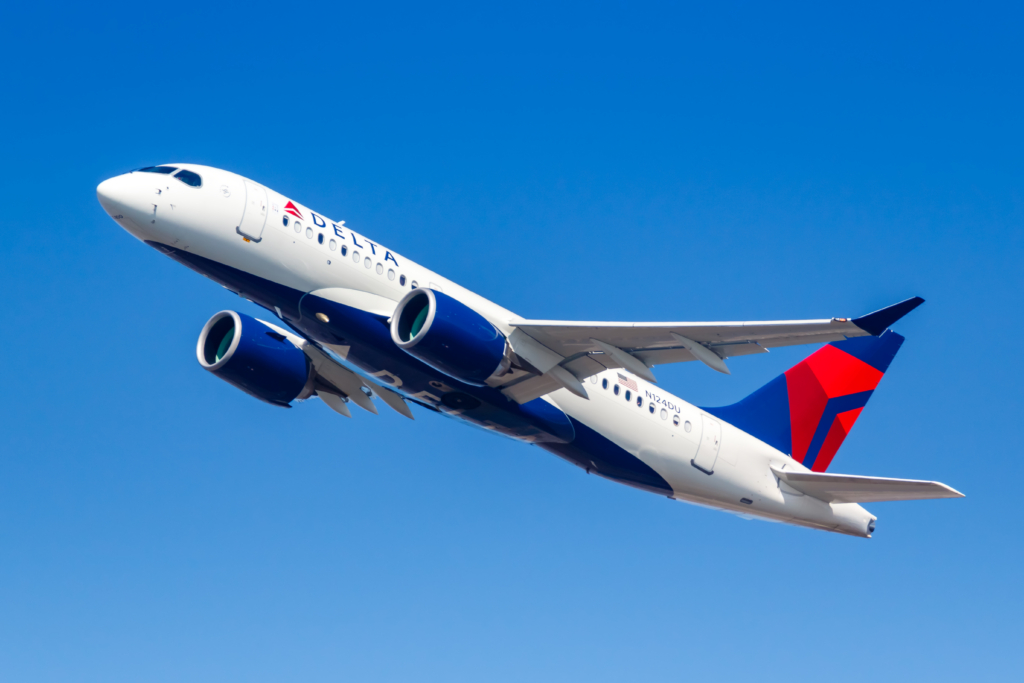
airBaltic remains one of the largest A220 operators, with 53 aircraft in service. Delta Air Lines is the largest globally, with around 84.
Overview of the Airbus A220’s safety record
Throughout its almost decade-long service life, the Airbus A220 has had a generally excellent safety record, with the loss of YL-AAO being the first of the type to be written off as a result of an incident or accident.
While there have been several minor events involving the A220 over the years, none have resulted in the loss of the aircraft as a result.
There have, however, been two incidents where fatalities have resulted from Airbus A220 operations. On 23 December 2024, Swiss International Air Lines flight LX1885, an Airbus A220-300 registered as HB-JCD, suffered an engine failure and a smoke event during the cruise phase of flight.

After an emergency diversion to Graz Airport (GRZ) in Austria, two cabin crew members were taken to the hospital due to smoke inhalation. One of the crew members died on December 30 as a result of their injuries.
Earlier that same year, on 1 January 2024, a 30-year-old Utah resident was found unresponsive in the engine nacelle of a Delta A220 that was undergoing de-icing procedures at Salt Lake City International Airport (SLC).
The individual had entered the boundary of the airport illegally and had been ingested into the engine of the aircraft, which was being prepared for departure to San Francisco.
Additionally, while not involved in an incident or accident, at least one A220 has already been broken up for parts due to a shortage of spares for the fleet.
The aircraft, a former Egyptair example, was acquired by leasing firm Azorra in 2025, which partnered with Delta Material Services (DMS) to have the industry’s first Airbus A220 parted out. It explained that the aircraft would be used to support the needs of Delta and other airlines by providing parts.
Featured image: André Gerwing / Wikimedia Commons


