Rubbish jet fuel? Korean pilot plant converts landfill gas into 100 kg of SAF daily

4 min read
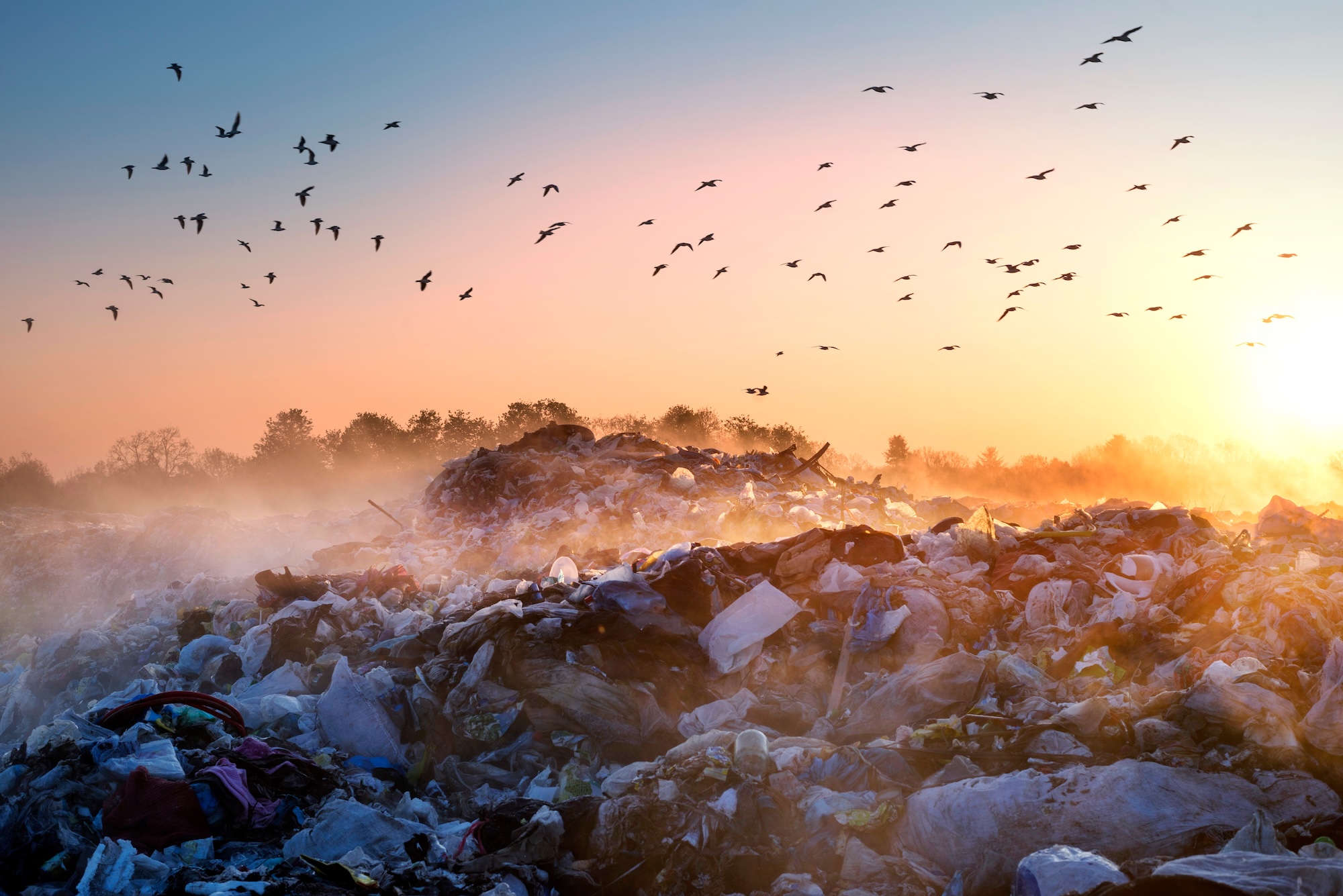
A pilot-scale facility in South Korea has demonstrated the production of sustainable aviation fuel (SAF) directly from landfill gas, yielding 100 kg of SAF per day, thereby validating a potential step toward decentralised, waste-based fuel supply for aviation.
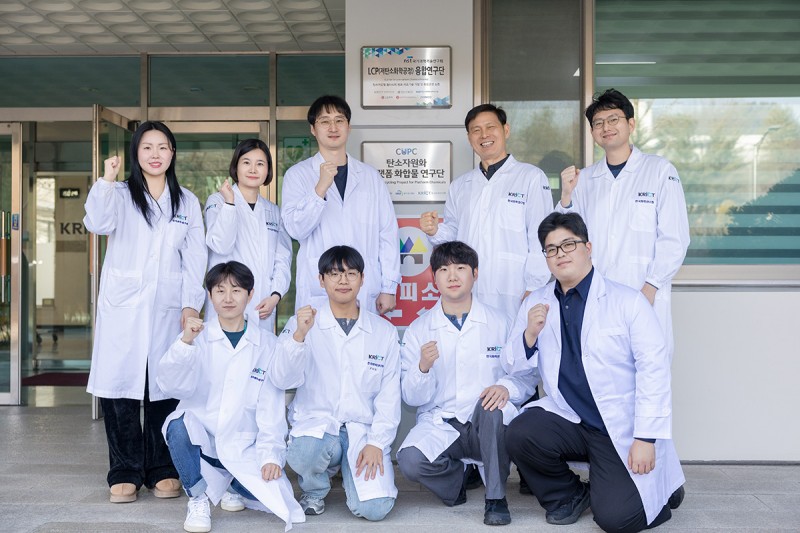
The project—led by the Korea Research Institute of Chemical Technology (KRICT) in collaboration with EN2CORE Technology—successfully converts methane-rich gases generated by the decomposition of organic waste into liquid jet fuel via an integrated catalytic process.
Turning waste emissions into aviation fuel
SAF is a key pathway to reducing aviation’s climate impact, but high production costs and limited feedstock—particularly reliance on used cooking oil—constrain large-scale deployment.
Landfill gas offers a cheaper and more abundant alternative feedstock, originating from food waste, livestock manure and other decomposing organic material.
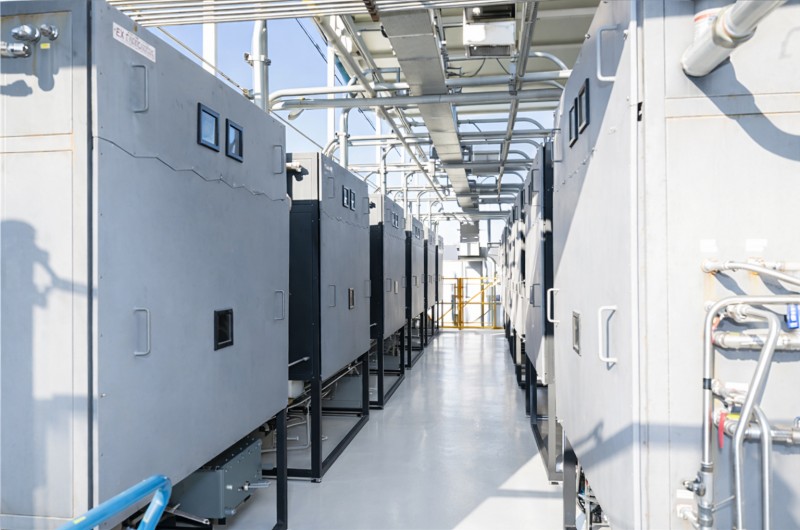
To convert this gas into jet fuel, the Korean team developed a full processing chain:
- Gas purification and CO₂ reduction via membrane separation.
- Conversion to synthesis gas (CO + H₂) using plasma reforming.
- Catalytic Fischer–Tropsch synthesis to create liquid hydrocarbons suitable for aviation fuel.
Specialised cobalt- and zeolite-based catalysts improved selectivity toward liquid fuels over waxy by-products, thereby increasing overall efficiency.
Microreactor breakthrough enables local production
A core innovation is the use of a miniaturised microchannel reactor that rapidly dissipates excess heat, preventing catalyst damage and improving stability.
The modular design reduces reactor volume to roughly one-tenth of conventional systems and allows production capacity to scale simply by adding modules.
At a landfill-site pilot plant in Daegu, the system produced approximately 100 kg of SAF per day, with liquid-fuel selectivity exceeding 75%. The facility used for the trial was merely 100 square metres, about the size of a two-story detached house.
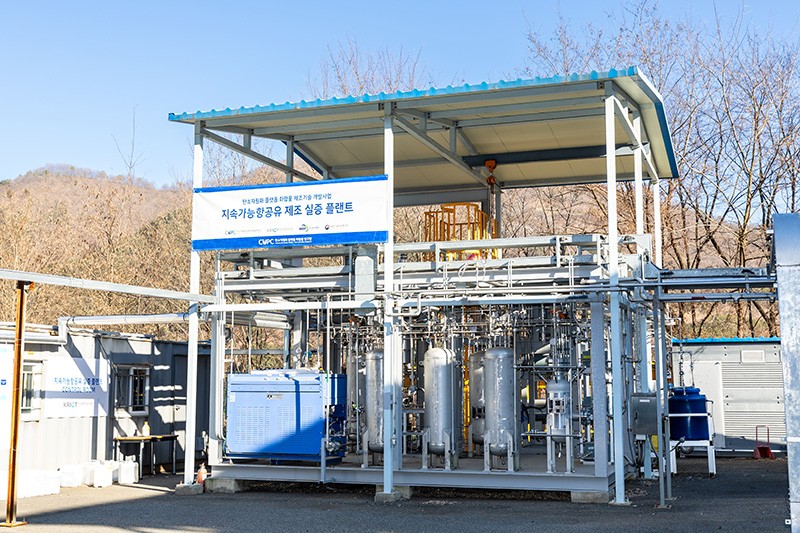
This pilot demonstrated the technical feasibility of the process beyond the laboratory, in a facility that would not require significant infrastructure.
Researchers say the approach could enable small, decentralised SAF facilities located directly at landfills or waste-treatment plants, rather than relying solely on large centralised refineries for SAF production. It could potentially increase the total production of SAF with more modest infrastructure investment.
Airlines will need much more SAF than is produced today
The global airline industry will require approximately 500 million tonnes of sustainable aviation fuel (SAF) per year by 2050 to achieve its net-zero carbon emissions target, according to analysis by the International Air Transport Association (IATA) and Worley Consulting.
Despite strong long-term potential, near-term SAF supply remains extremely limited. Projected SAF production in 2025 was only about 2 million tonnes, equivalent to roughly 0.7% of aviation’s fuel demand.

Industry leaders warn that shortages of SAF—and delays in the introduction of new, more efficient aircraft—could jeopardise the sector’s 2050 climate target if production does not scale far more rapidly.
IATA’s latest study concludes that sufficient sustainable feedstocks exist globally to produce the SAF required for net-zero emissions, provided that strict sustainability criteria are met.
Instead, IATA identified the main constraints as:
- Slow rollout of new SAF production technologies beyond current HEFA pathways.
- Competition for biomass feedstocks from other hard-to-decarbonise sectors.
- The need for massive investment in renewable electricity, hydrogen, and carbon-capture infrastructure for synthetic fuels.
Overcoming these barriers will determine whether aviation can realistically scale from millions to hundreds of millions of tonnes of SAF annually within the next 25 years.
Why landfill-based SAF could make a real difference for aviation’s climate targets
Capturing methane from waste sites is especially significant because methane is a potent greenhouse gas and a major contributor to landfill emissions. Technologies that convert this gas into jet fuel could therefore reduce both aviation emissions and waste-sector climate impacts simultaneously.
The Korean demonstration contributes to a growing body of research on waste-derived SAF—from methane plasma conversion to hydrothermal liquefaction of food waste—as the sector advances toward circular-economy fuel pathways.
While still at pilot scale, producing jet fuel from landfill gas suggests that everyday waste streams could become a meaningful aviation energy source. If scaled economically, decentralised SAF plants at landfills could reduce methane emissions, diversify feedstocks, and accelerate aviation’s path toward net-zero—turning society’s waste into tomorrow’s take-off fuel.
Featured Image: panaramka | stock.adobe.com
Sign up for our newsletter and get our latest content in your inbox.


More from


October 17, 20264 min read