WestJet restores legroom on Boeing 737s after controversial seat squeez

5 min read
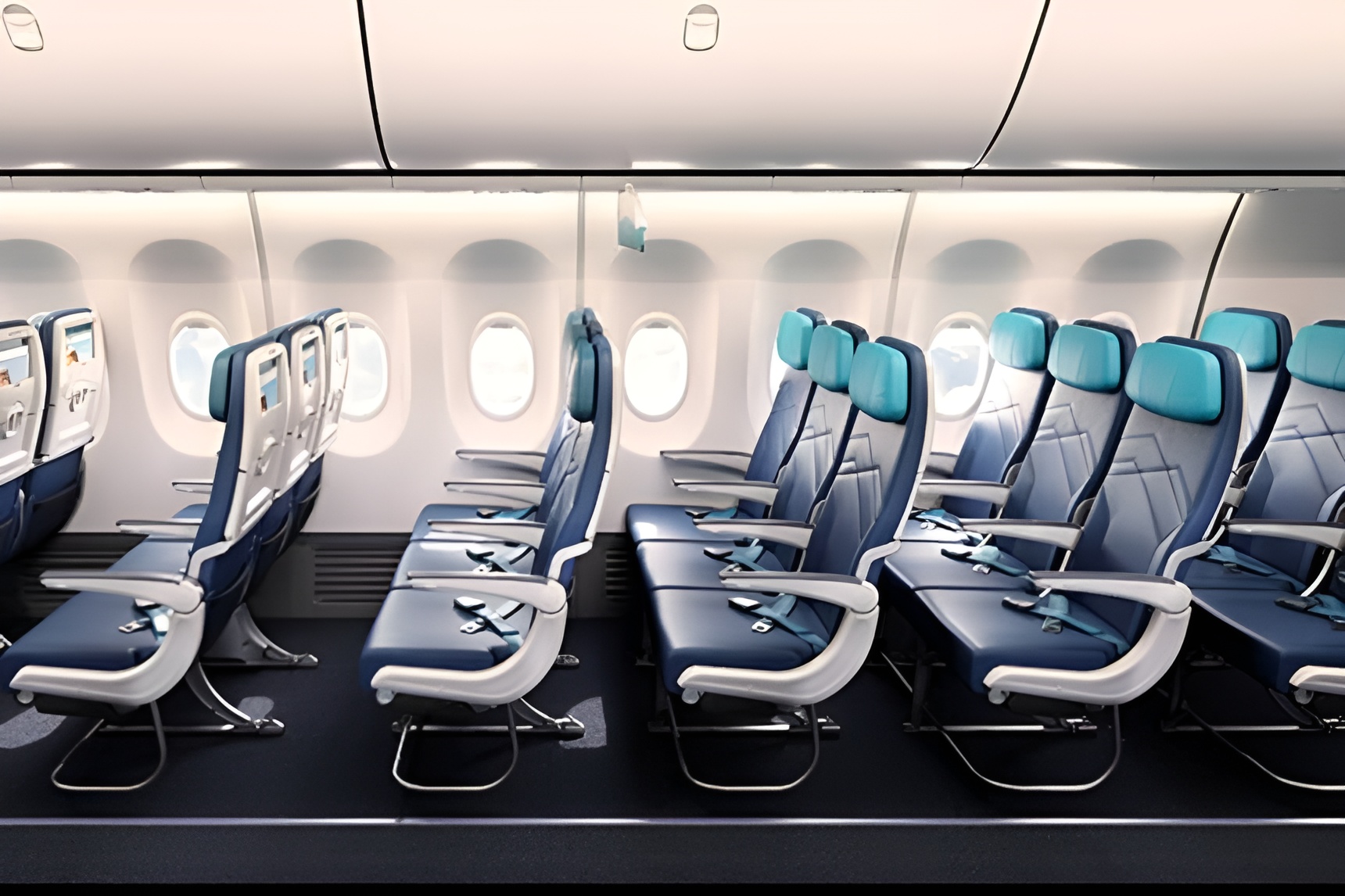
WestJet has finally removed the controversial high-density seating from its Boeing 737 fleet, bringing an end to an experiment that squeezed some economy passengers into rows with just 28 inches of seat pitch.
The Canadian airline confirmed on August 18 that every aircraft affected by the short-lived 180-seat configuration has now been converted back to a 174-seat layout.
The work finished much sooner than expected. WestJet had initially expected the retrofit programme to continue into the autumn. Instead, the last affected aircraft was completed part-way through June.
“All previously affected aircraft are now flying with 174 seats, a refreshed interior and enhanced amenities, including WestJet WiFi presented by TELUS,” the airline said in its latest update.
It closes an uncomfortable chapter for WestJet after it attempted to squeeze another row into some Boeing 737-8 MAX and 737-800 cabins, leading to fierce passenger backlash.
WestJet’s 28” seat pitch experiment is officially over
WestJet announced its original cabin overhaul in September 2025. The plan covered former all-economy Boeing 737-8 MAX and 737-800 aircraft and was intended to bring those aircraft closer to the rest of the WestJet fleet.
The new interiors introduced Premium seats, more Extended Comfort seating and upgraded cabin amenities. But the airline also tried to accommodate more passengers by varying the amount of space available in standard Economy.

At the tightest end of the cabin, rows 20 to 31 had a seat pitch of just 28 inches. Rows 15 to 19 offered 29 inches.
Seat pitch measures the distance between a point on one seat and the same point on the seat in front. It does not correspond exactly to usable knee room, because seat thickness and design also matter, but it is a useful indication of how much personal space passengers have.
WestJet also selected fixed-recline economy seats to avoid passengers encroaching on each other’s space. The airline initially argued that the configuration would allow it to offer a wider range of products and prices while maintaining its low-cost model.
The response from some passengers and even from crew was emphatically against.
Videos of passengers struggling with the limited space went viral around the end of 2025 and the beginning of 2026. WestJet initially defended the configuration, saying the extra row helped it keep fares affordable.
However, it paused further installations in December to review feedback from passengers and employees.
WestJet reversed course on knee-crunch after passenger backlash
By January, WestJet had decided that the higher-cabin-density experiment was not working. On January 16, the airline officially announced that it would remove a row from the affected aircraft and restore its previous standard Economy seat pitch.
“WestJet tried seat pitches that are popular with many airlines around the globe as they serve to provide affordable airfares,” WestJet Group CEO Alexis von Hoensbroech said at the time. “As an entrepreneurial airline founded on making air travel affordable to Canadians, it’s in our DNA to try new products. At the same time, it is just as important to react quickly if they don’t meet the needs of our guests.”
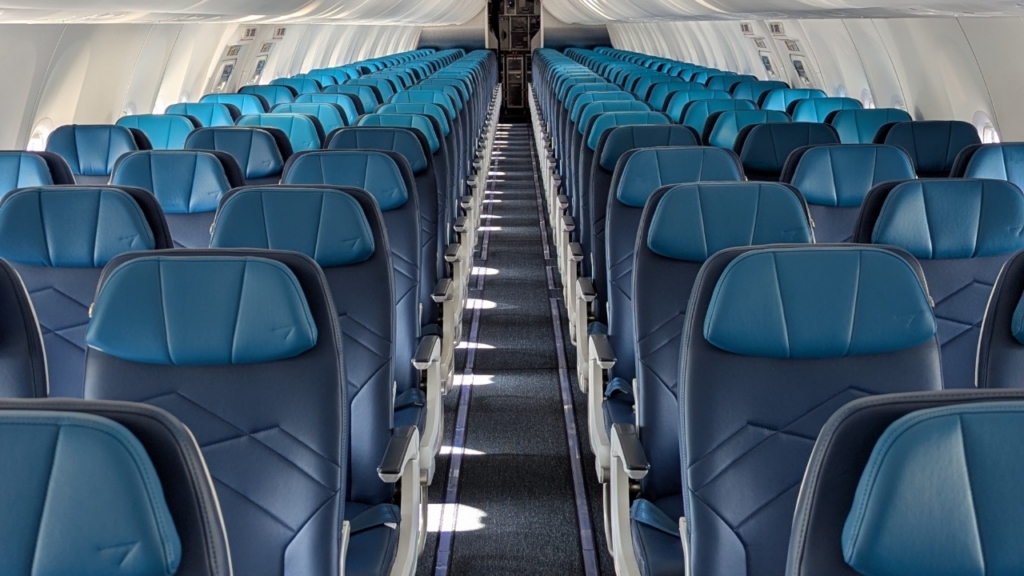
The change meant reducing seat capacity on several already-installed aircraft from 180 to 174.
Engineering and certification work was required before WestJet could begin modifying aircraft that had already received the controversial interior—the first aircraft with the corrected layout returned to service on March 11.
WestJet initially said the programme would continue through 2026.
Instead, the airline now says it finished restoring legroom by mid-June.
How much legroom do WestJet passengers get now?
The revised aircraft have a uniform 30” seat pitch in standard Economy, rather than the previous mix of 28”, 29”, and 30”. That two-inch difference represents roughly 7% more room for passengers compared with the previous 28” rows.
WestJet has retained much of the investment made in the new cabins. The reconfigured aircraft offer features including adjustable headrests, device holders, USB charging and the airline’s new Starlink high-speed WiFi service.

Premium and Extended Comfort seating remain part of the new cabin design. The airline has maintained its strategy of offering different levels of comfort within the same narrowbody cabin. What it has abandoned is trying to squeeze another six passengers onto the aircraft, at the cost of the passenger experience.
WestJet has finished converting its former Swoop and Sunwing aircraft
The legroom announcement forms part of a much bigger fleet update.
WestJet said this week that it has now completed the transformation of its remaining all-economy aircraft inherited from Swoop and Sunwing. Those aircraft have been brought closer to a common WestJet cabin standard, including Premium, Extended Comfort and Economy products.
“Unifying our narrowbody fleet is an important step in delivering the reliable and welcoming experience our guests and WestJetters expect from us,” said Samantha Taylor, WestJet Group Executive Vice-President and Chief Experience Officer. “This milestone creates a stronger foundation for our teams to focus on delivering exceptional service and a seamless travel experience for our guests.”
WestJet is not quite finished with its cabin work
Beginning in September, WestJet plans to focus on its legacy narrowbody aircraft. Those jets will receive enhanced amenities and larger Extended Comfort sections similar to those installed on the recently converted aircraft.
Around 14 Boeing 737-800s are due to undergo that work during 2026, with the wider programme expected to finish by the end of 2027.
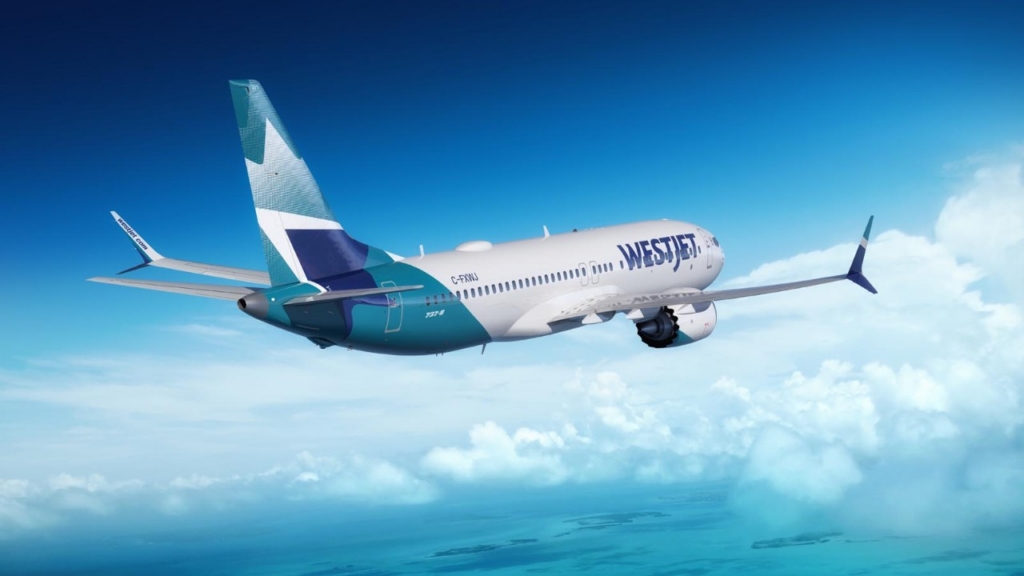
WestJet will also work on the cabin exterior to harmonise its fleet livery. “By the end of 2026, all WestJet aircraft will fly the iconic teal and navy banner,” the airline announced.
But for passengers concerned about being assigned one of WestJet’s notoriously tight 28” rows, the critical update is already complete.
The airline tried the extra-dense cabin, its passengers made their feelings clear, and WestJet has now removed it. Job done.