Meet the X-Volt: Aura Aero returns Cassio S to flight

3 min read
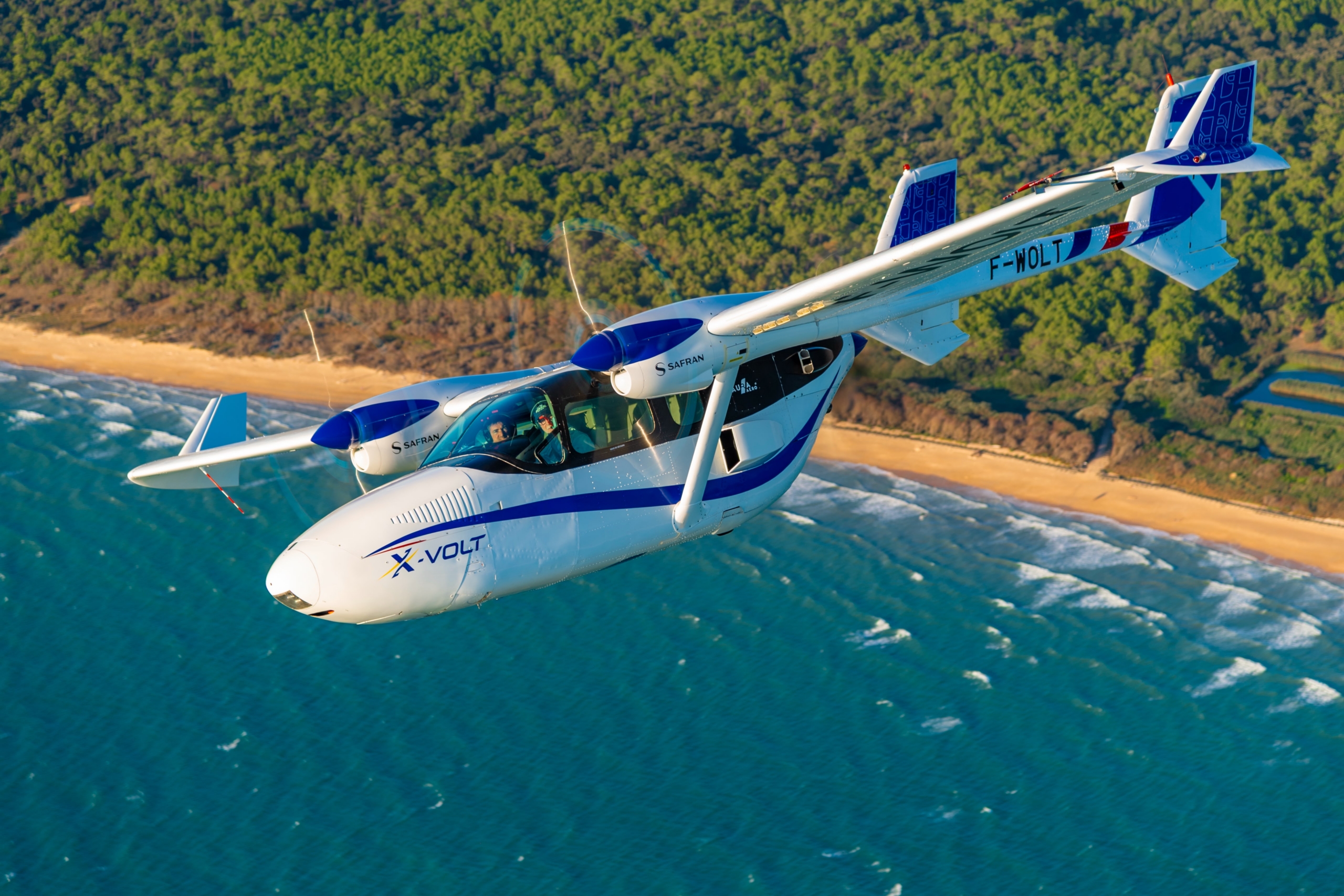
Following the acquisition of VoltAero’s assets in June, Aura Aero has resumed flight testing of the hybrid-electric aircraft
Two months after acquiring VoltAero’s assets, Aura Aero announced on 16 September that it has revived flight testing of the formerly named Cassio S hybrid-electric demonstrator aircraft. In a nod to its heritage, the aircraft has been renamed X-Volt.
Why Aura Aero acquired VoltAero
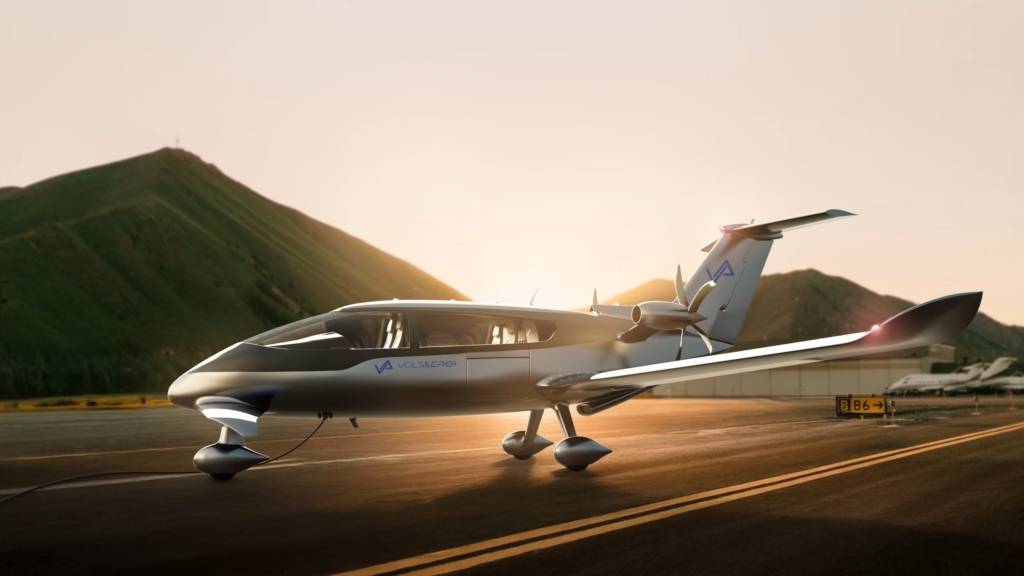
Aura Aero announced in June this year that it was taking on VoltAero’s assets after the startup entered insolvency at the end of 2025 due to spiraling costs and a failed multi-million-dollar investment from an external backer. VoltAero had ambitions to develop small hybrid-electric aircraft for business and regional transport.
Aura Aero’s transaction included 2,400 sq. m. of VoltAero’s industrial facilities in Rochefort and its proven hybrid-electric technologies. In a statement earlier this year, Aura Aero said: “The expertise accumulated by Volt Aero over several years of work finds its most concrete expression in the Cassio S, a hybrid-electric flying demonstrator.”
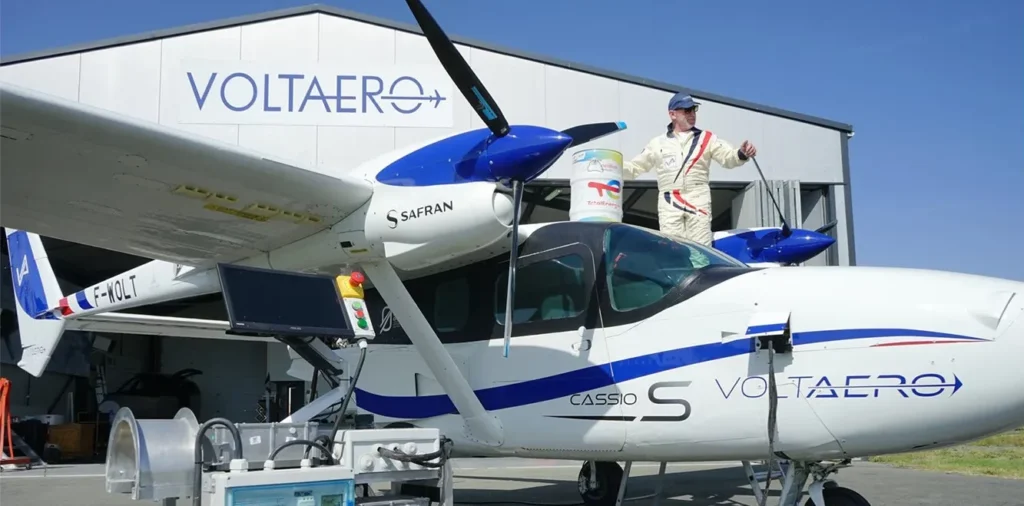
Cassio S milestones to date
Originally a modified Cessna 337 Skymaster airframe, the Cassio S began flight testing with VoltAero in 2019, with the first full-configuration hybrid flight – combining wing-mounted “puller” electric motors with an aft-fuselage thermal-engine “pusher” – taking place in late 2020. Then, in September 2023, the Cassio S achieved a world-first aviation milestone when it flew on its electric hybrid powertrain using 100% bioethanol-based sustainable aviation fuel (SAF) provided by TotalEnergies. The test flight validated an approximate 80% reduction in CO2 emissions compared to traditional Avgas.
With over 270 flights completed since its maiden flight and approximately 25,000 km flown under a variety of operating conditions, the hybrid-electric prototype’s cumulative flight hours represent one of the most substantial real-world track records among early hybrid-electric demonstrators.

Going forward, X-Volt will operate as a flying testbed for Aura Aero’s Electric Regional Aircraft (ERA) propulsion technologies. The French manufacturer’s 19-seat hybrid-electric aircraft is scheduled to make its first flight in 2027.
X-Volt powered by Safran engine electric motors
Equipped with Safran ENGINEUS electric motors – the same propulsion units for ERA, X-Volt will enable Aura Aero to test key components of the aircraft’s future propulsion systems under real conditions before they are integrated into the prototype.
X-Volt will also be able to integrate and test, in flight, advanced systems developed by Aura Aero and other industry partners seeking a flight-test platform.
A test bed for Aura Aero’s Integral E
While Aura Aero’s Integral E is a 100% Battery-electric aircraft – unlike the hybrid X-Volt and ERA – it shares the same foundational electric systems integration and flight data tracking. With more than 350 combined hybrid or electric flights completed by X-Volt and Integral E, Aura Aero will be able to draw on the experience of “two pioneering programmes” to advance the development of a new generation of electric and hybrid-electric aircraft.
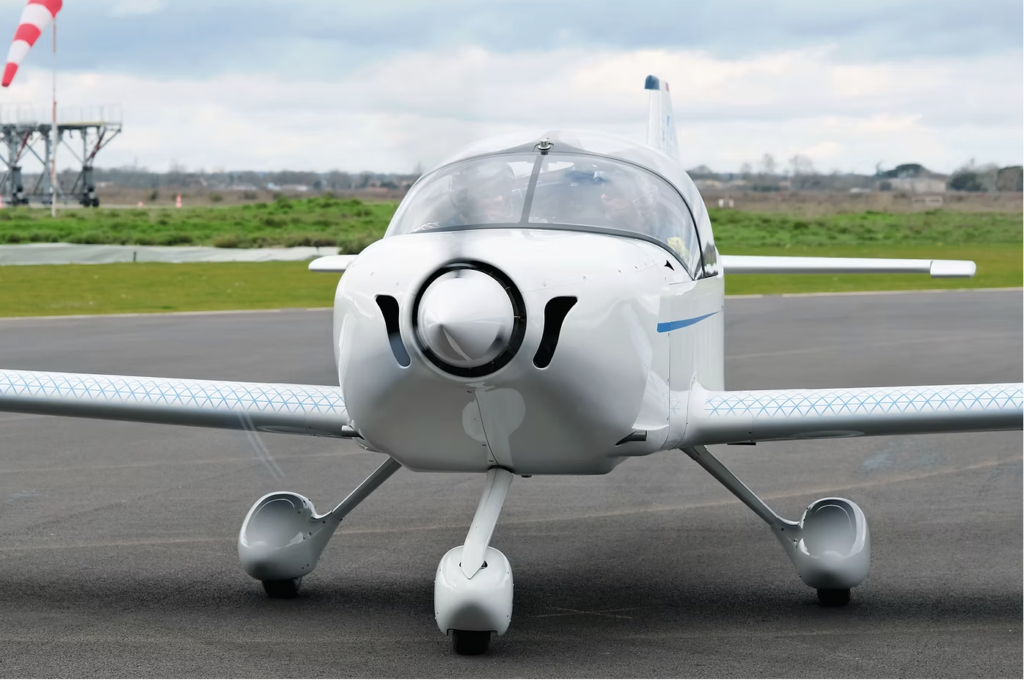
X-Volt amid a wider field of hybrid-electric demonstrators
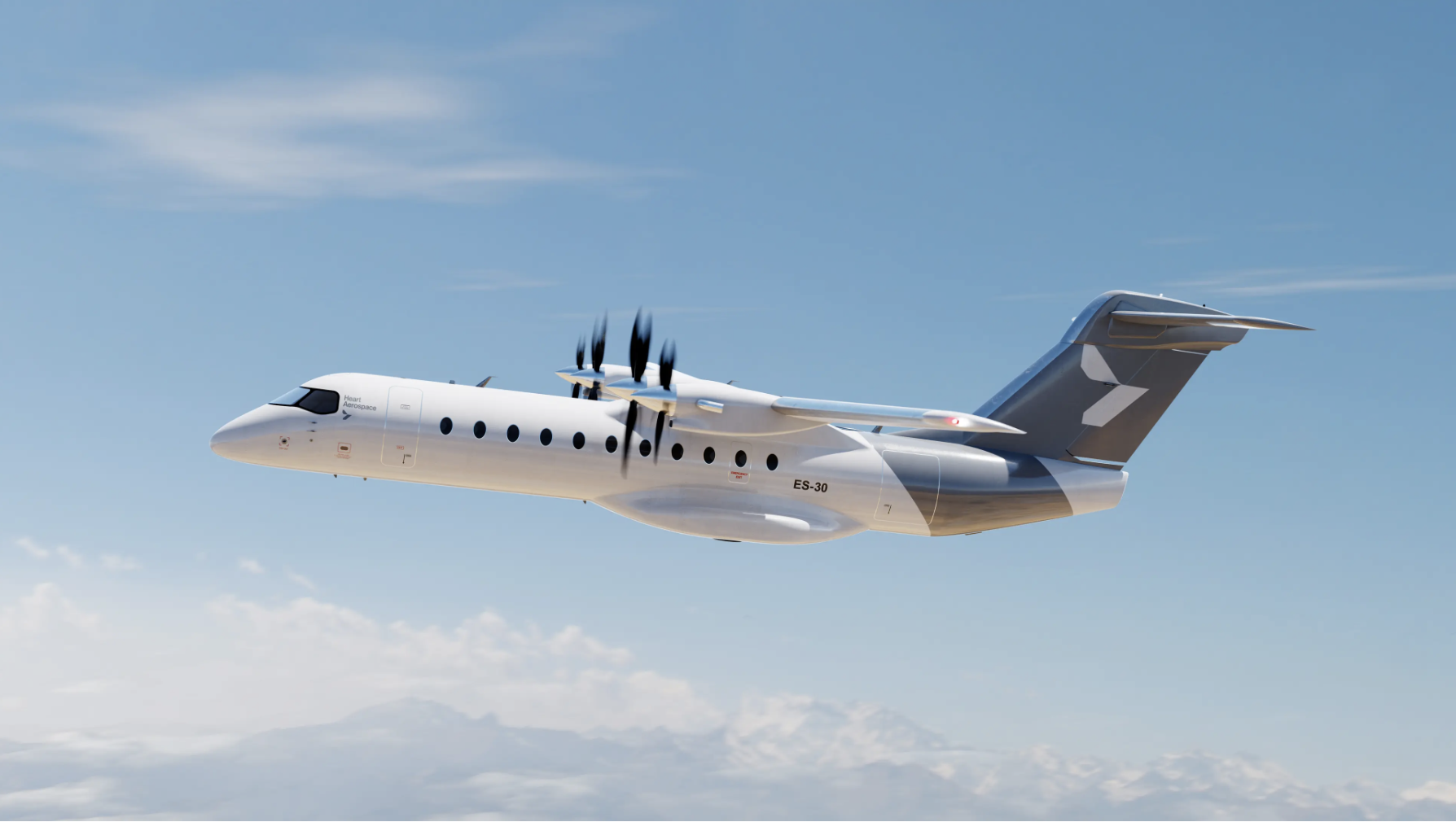
Aura Aero isn’t alone in accelerating hybrid-electric propulsion as a nearer-term bridge to full electrification. US-based Ampaire has been flying a series of converted testbeds, also including hybrid Cessna 337s. It is also partnering with NASA on a megawatt-class hybrid-electric conversion of the 19-seat de Havilland Canada Twin Otter. Electra.aero has also been flight testing its EL9 hybrid-electric short-take-off production aircraft. Meanwhile, Sweden’s Heart Aerospace is developing the ES-30, a 30-seat hybrid-electric regional aircraft from Malmo Airport.
Elsewhere, the EU-funded Tecnam P2010 H3PS demonstrator and the Cranfield Aerospace-led Project Fresson (a hybrid-electric Britten-Norman Islander conversion) add to a growing number of programmes aiming to bring hybrid-electric propulsion to commercial regional aviation within the next decade.