Unpacking the US AAM strategy: What it means for eVTOLs and air taxis

3 min read

After years of pilot projects, concept art, and regulatory limbo, the United States has finally published a unified national strategy for advanced air mobility (AAM), including air taxis and eVTOL aircraft.
Released on 17 December, the Advanced Air Mobility National Strategy sets out how the federal government plans to integrate these aircraft into the US transportation system over the next decade.
This is not a certification roadmap or a promise of near-term commercial scale. Instead, it is a whole-of-government policy framework that quietly answers some of the biggest questions around airspace, infrastructure, autonomy, and public acceptance.
Air taxis and eVTOLs are now part of official US transport policy
Perhaps the most important takeaway is symbolic but significant. AAM is no longer treated as an experimental offshoot of aviation innovation.
The strategy explicitly positions air taxis, powered-lift aircraft, and future autonomous operations as part of the national transportation system, with coordination across more than 25 federal agencies.
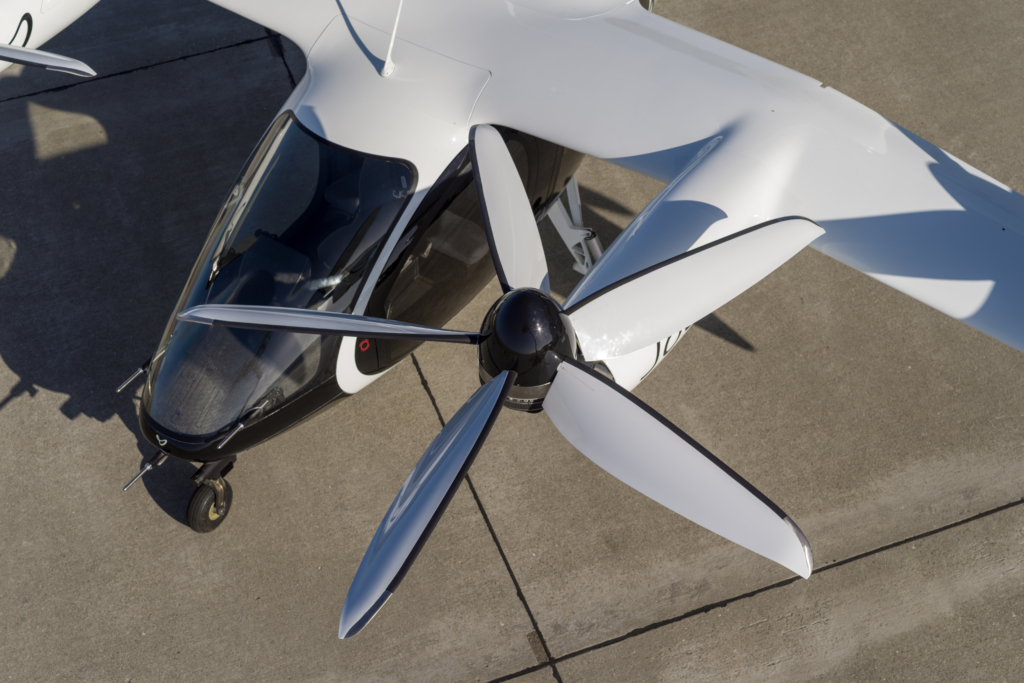
For manufacturers and operators, this signals long-term policy stability, even if near-term operations remain limited.
When will air taxis fly in the US? A phased rollout from 2027 to 2035
The document sets clear expectations for timing, and it is notably conservative:
- By 2027, the US expects demonstrations and limited early operations, largely using existing airports and heliports
- By 2030, regular operations are expected in selected urban and rural areas, including powered-lift and short takeoff aircraft
- By 2035, advanced use cases emerge, including autonomous operations in specific environments
The FAA makes clear that early services will be piloted, incremental, and tightly controlled.
Airspace, not aircraft certification, is the biggest hurdle
While certification often dominates headlines, the strategy identifies airspace management as the biggest structural challenge. The FAA openly acknowledges that today’s air traffic control system cannot scale to thousands of low-altitude aircraft.
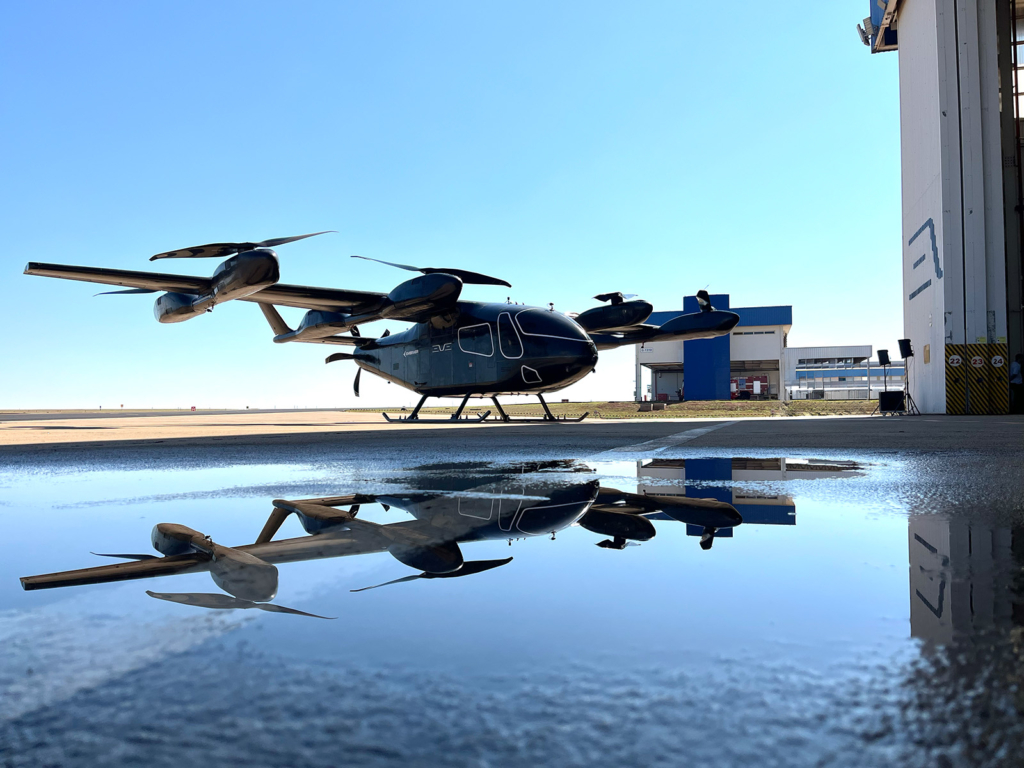
The solution under development includes:
- Cooperative airspace models where FAA-approved private providers manage traffic flows
- Heavier reliance on automation and data exchange rather than voice communication
- Integration with the FAA’s broader air traffic modernization program
This represents a fundamental shift in how low-altitude airspace may be managed in the future.
Who will pay for vertiports? Mostly private investors, not the US government
Despite the hype surrounding vertiports, the strategy makes clear that most infrastructure will be funded privately. The federal role is focused on guidance, standards, and streamlined approvals, not large-scale construction funding.

In the near term, the FAA wants operators to:
- Use existing airports, heliports, and general aviation facilities wherever possible
- Avoid bespoke infrastructure until traffic levels justify it
- Work closely with state and local governments on planning and zoning
If demand does not materialize, the infrastructure will not either.
Power, weather, and radio spectrum are critical to scaling eVTOL operations
Three less visible constraints receive heavy emphasis:
- Electrical power availability for charging at scale
- Low-altitude weather detection, which is currently inadequate for dense operations
- Radio spectrum capacity, including potential use of commercial networks
Without progress in these areas, high-frequency air taxi services will remain theoretical.
Autonomous air taxis remain a long-term goal, not an early service
While autonomy features prominently in future planning, the strategy is explicit that autonomous passenger operations are a 2035-plus ambition. Initial services will look far more like conventional aviation, with human pilots, established safety frameworks, and incremental automation.
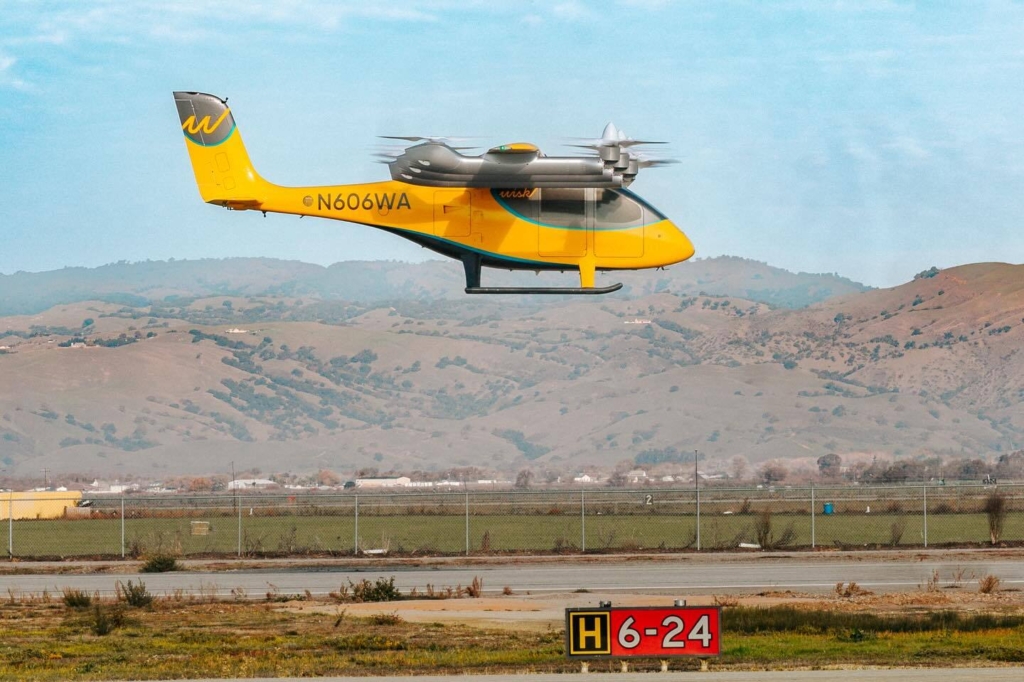
Beyond mobility, the strategy is also about competitiveness. The US wants domestic manufacturing, exportable aircraft, and global influence over emerging aviation standards.
In short, the US is no longer asking whether air taxis will happen, but how slowly and safely they will be allowed to scale. That realism may be the strongest signal yet that advanced air mobility is moving from hype toward infrastructure.
Sign up for our newsletter and get our latest content in your inbox.


More from


October 17, 20264 min read