Spirit Airlines sells final 27 Airbus passenger jets in $668 million bankruptcy deal

5 min read
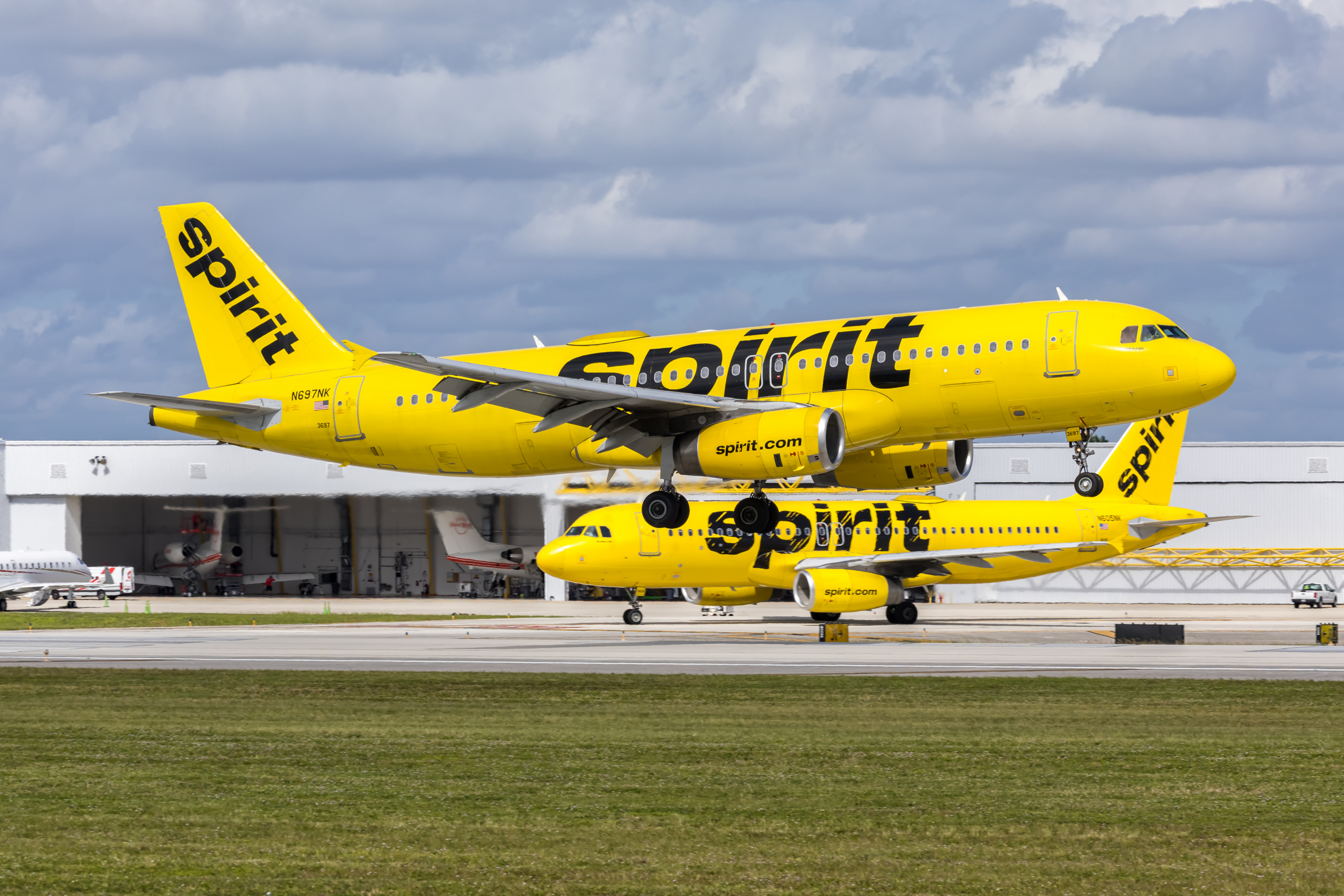
Spirit Airlines has reached another major milestone in the wind-down of its business, securing bankruptcy court approval for the sale of its final major portfolio of Airbus aircraft in a transaction worth approximately $668.1 million.
The deal covers 27 Airbus A320-family aircraft and marks the latest, and potentially final, large-scale aircraft disposal by the defunct US low-cost carrier, which ceased flying in May 2026.
The aircraft have been divided between two buyers: Save 2026-B LLC, an entity controlled by certain Spirit aircraft lenders, and FTAI Aircraft Leasing Bermuda (2026) Ltd., an affiliate of FTAI Aviation.
The transaction is significant because it effectively brings the sale of Spirit’s remaining owned Airbus fleet to its final stage as the airline liquidates assets under Chapter 11.
Who are the buyers that acquired Spirit’s final aircraft?
The largest portion of the transaction goes to Save 2026-B LLC, which is acquiring 23 aircraft for $567.4 million. The portfolio consists of 10 Airbus A320ceos and 13 Airbus A321ceos.
Save 2026-B is a special-purpose vehicle controlled by holders of Spirit’s equipment notes. In other words, a substantial part of the transaction involves Spirit’s aircraft creditors taking ownership of the collateral securing their debt rather than simply paying Spirit a corresponding amount of cash.

The remaining four Airbus A321ceos are being sold to FTAI Aircraft Leasing Bermuda (2026) Ltd for $100.7 million in cash. The four aircraft are identified as N661NK, N665NK, N670NK and N671NK. Together, the two transactions total approximately $668.1 million.
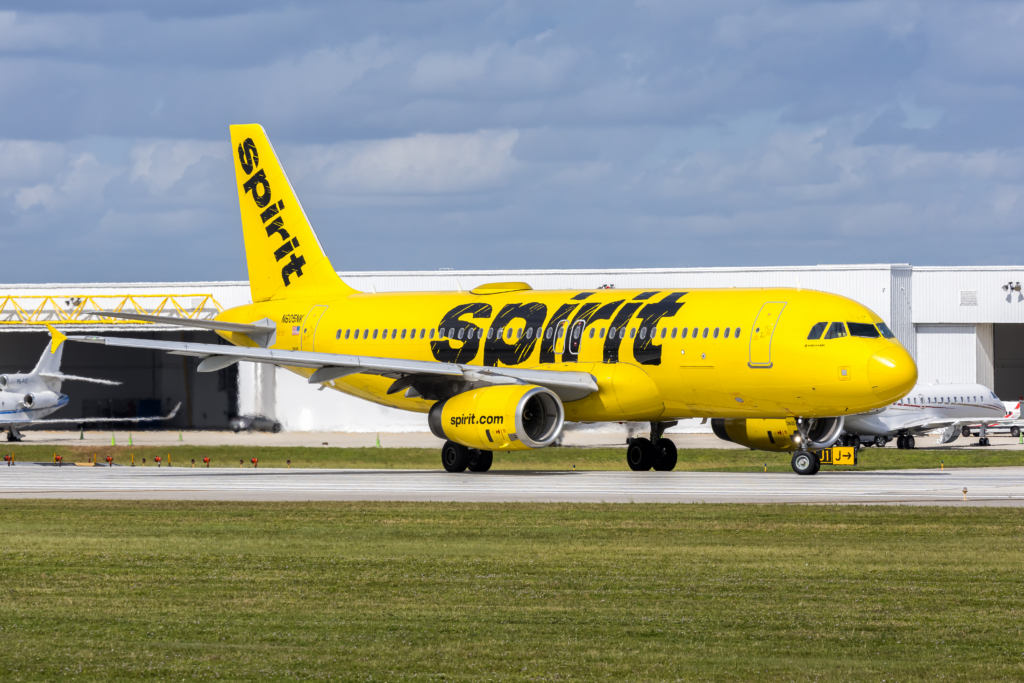
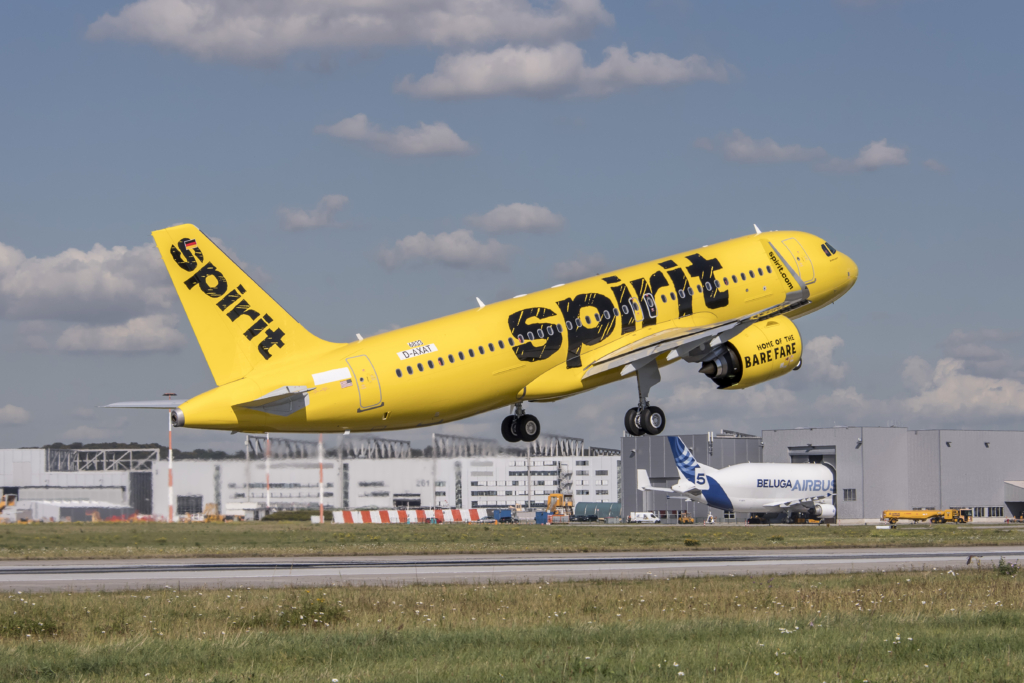
The aircraft are older-generation A320-family jets, generally built between 2015 and 2018 and powered by International Aero Engines V2500 engines. The sales include the airframes, engines, associated equipment and aircraft records, with the assets being transferred on an “as-is” basis.
Why was the deal originally described as a $421 million sale?
The $421 million figure comes from an earlier stage of the transaction. When Spirit sought approval in July to auction the 27 aircraft, its stalking-horse agreement with Save 2026-B put the proposed purchase price at approximately $629.98 million. That figure consisted of about $421.24 million in cash plus a $208.74 million credit bid.
The credit bid represented 90% of the outstanding principal and accrued interest associated with Spirit’s 2025-1 enhanced equipment trust certificates, or EETCs. In practical terms, the buyer was offering to satisfy part of the purchase price by reducing the debt it was owed rather than paying that amount in cash.
The original agreement also included an $18 million break-up fee and expense protections for Save 2026-B if another bidder ultimately won the aircraft. The structure was designed to establish a floor for the auction while giving Spirit an opportunity to seek a higher offer.
The eventual outcome was different from the original stalking-horse structure. FTAI submitted a qualifying offer for four A321s that exceeded the lenders’ bid for those particular aircraft. The lenders did not increase their offer, leading Spirit to seek approval for the portfolio to be split between Save 2026-B and FTAI.
Spirit tested the market before settling the sale
The final transaction followed an extensive marketing process. According to a declaration filed by Spirit’s financial adviser, the company’s advisers contacted 137 prospective buyers about the aircraft. Forty parties expressed interest and eight groups ultimately submitted bids covering some or all of the aircraft.
Despite that interest, only FTAI submitted a qualifying bid that exceeded the lenders’ offer, and that bid covered only the four A321s. After two postponements, Spirit cancelled the planned auction and asked the bankruptcy court to approve the two separate transactions.
US Bankruptcy Judge Sean H. Lane approved the sales on September 23, 2026, clearing the way for the transactions to proceed.
Earlier Airbus aircraft sales were already underway
The 27-aircraft transaction is not Spirit’s first major fleet sale during its financial restructuring. In 2024, before the latest bankruptcy case, Spirit agreed to sell 23 Airbus A320ceo and A321ceo aircraft to GA Telesis for approximately $518.9 million.
The group consisted of 15 A320s and eight A321s, with the aircraft manufactured between roughly 2014 and 2019. The bankruptcy court approved the transaction in December 2024.
GA Telesis said it intended to market the aircraft to customers around the world for continued commercial airline operations, making the deal substantially different from transactions in which aircraft are acquired primarily for dismantling and parts recovery.
Spirit then entered another major aircraft sale in 2026. CSDS Asset Management LLC was selected as the stalking-horse bidder for 20 Airbus A320 and A321 aircraft, initially agreeing to pay approximately $533.5 million.
The bankruptcy court subsequently approved the sale, with transactions expected to close on a rolling basis. CSDS describes itself as an aviation trading company specialising in buying, selling and leasing commercial aircraft.
A final chapter for Spirit’s fleet
The latest sale needs to be viewed against the scale of Spirit’s fleet shortly before its shutdown. When the airline ceased operations in May, its fleet consisted of 114 aircraft – 66 leased and 48 owned. Spirit subsequently rejected aircraft leases from 15 lessors as part of the wind-down.
Spirit announced on 2 May this year that it was beginning an orderly wind-down and cancelling all flights, citing worsening financial conditions and the lack of additional funding. The carrier was already in its second phase of Chapter 11 bankruptcy protection
The disposal of the remaining owned aircraft therefore represents much more than a routine fleet transaction. It is one of the most valuable remaining asset sales in Spirit’s bankruptcy and converts a substantial portion of the airline’s remaining aircraft assets into cash and debt recovery.
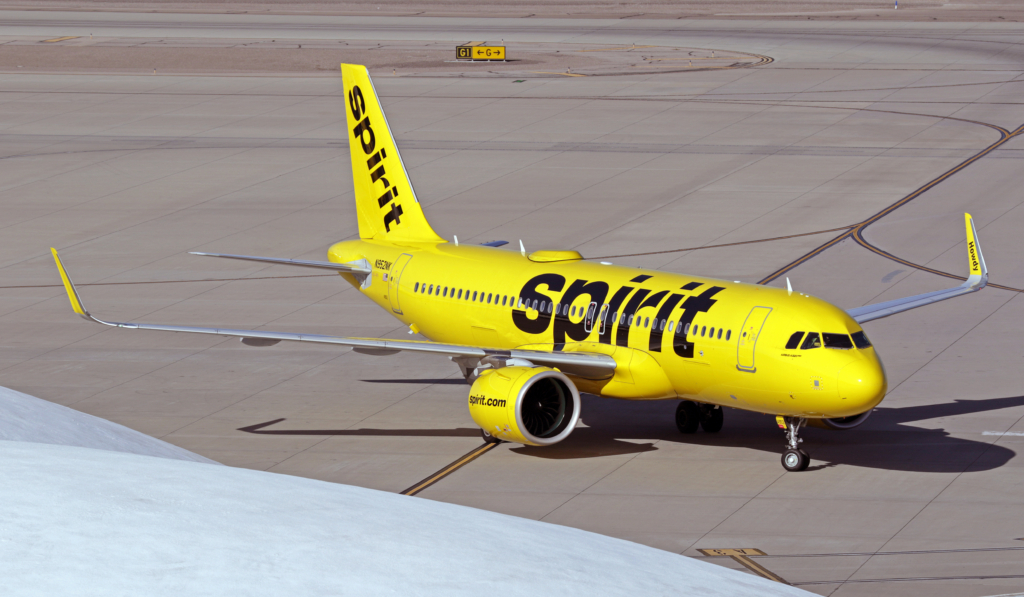
For FTAI, the four-aircraft purchase provides an opportunity to add relatively young A321ceos to its leasing and aviation-asset portfolio. For Spirit’s equipment noteholders, meanwhile, the larger Save 2026-B transaction provides a route to recover value from aircraft that served as collateral for their investments.
With the 27-aircraft portfolio now approved for sale, Spirit’s long-running effort to monetise its Airbus fleet has entered its closing stages.
The headline $421 million cash figure that accompanied the original bankruptcy proposal has therefore evolved into a substantially larger $668 million final aircraft transaction, split between an aircraft-creditor vehicle and FTAI.
The deal illustrates how Spirit’s bankruptcy has moved from restructuring an operating airline to the orderly liquidation of its remaining assets and places the carrier’s once-familiar yellow Airbus fleet firmly into the hands of new owners.
While many still remain parked and in storage across the US, they are all expected to find new operators in due course.