From ultra-low-cost pioneer to bankruptcy: The rise and fall of Spirit Airlines

13 min read

As the airline industry reels from high fuel costs, airlines are paying the price. None more so than Spirit Airlines, the Florida-based ultra-low-cost carrier, which closed its doors last week for the final time after 33 years of flying.
Aerospace Global News takes a closer look at the history of Spirit Airlines, from its early roots as a small leisure-focused airline to becoming the country’s seventh-largest carrier, as well as the events that led to its demise and the legacy that it will leave behind on the US airline scene.
Background to Spirit Airlines – a US aviation pioneer
Spirit Airlines has taken its place in the history books of US aviation as another airline that tried but ultimately failed to maintain a presence in the highly competitive US airline industry. The airline ceased flying on 2 May, ending a legacy of bringing ultra-low-cost air fares to the US travelling public for over three decades.
At its height, Spirit Airlines operated a fleet of around 220 aircraft and flew to around 88 destinations around the US, the Caribbean and Latin America. However, the airline suffered from a turbulent history, culminating in a second spell in Chapter 11 bankruptcy protection from which it would never recover.
In the end, facing a perfect storm of sky-high fuel prices, increased domestic competition, falling passenger numbers, and poor financial performance, Spirit Airlines simply ran out of runway.
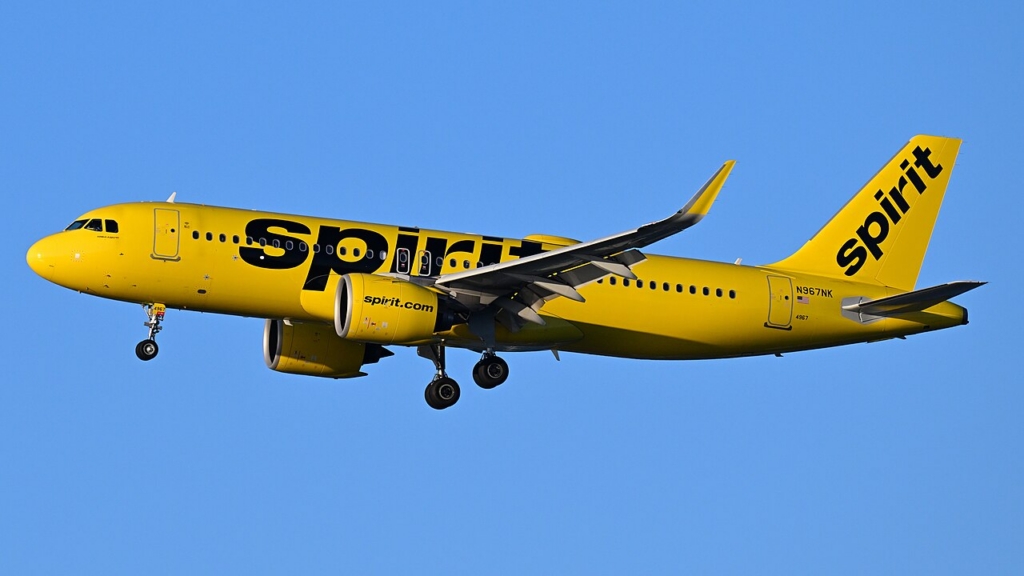
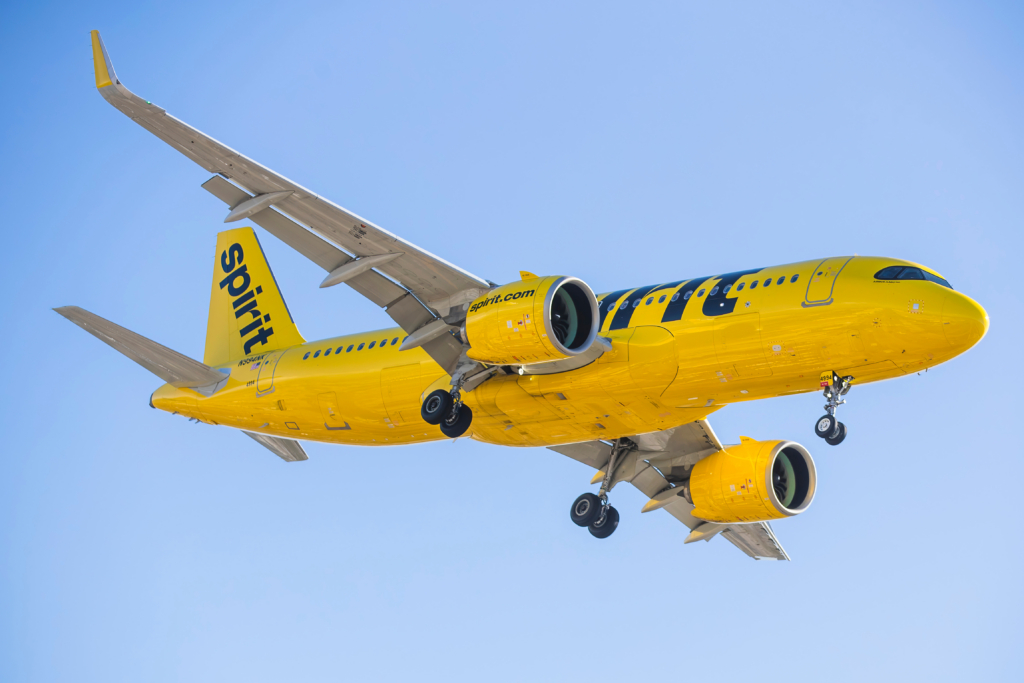
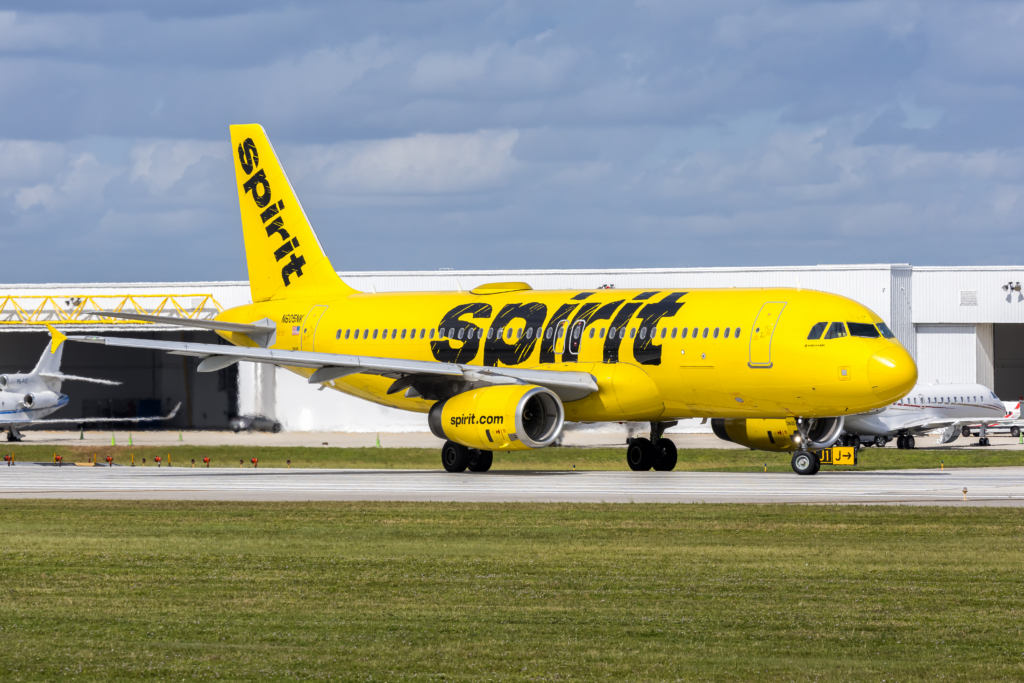
During its time, Spirit Airlines became one of the most recognisable and often controversial ultra-low-cost carriers in the US. Known for its bright yellow planes, bare-bones pricing model, and frequent debates about customer experience, Spirit played a significant role in shaping the modern budget airline industry in the US.
Although its demise had been widely anticipated, its absence will certainly be felt on the US airline scene as industry consolidation continues and it loses another of its once-dominant players.
The early history of Spirit Airlines
Spirit Airlines could trace its beginnings back to 1964, when it was founded as Clippert Trucking Company, a Michigan-based business specialising in ground transportation. For years, the company had nothing to do with aviation, and it was not until 1980 that the company shifted direction, establishing Charter One Airlines.
This new venture acquired its first jet aircraft in the form of a Douglas DC-9 and set about offering packaged, inclusive tour trips to major US leisure-based cities such as Las Vegas and Atlantic City, as well as the Bahamas. Charter One operated as a tour operator rather than a traditional airline, bundling flights, hotels, and entertainment into single packages.
This model proved successful throughout the 1980s, especially among cost-conscious travellers seeking vacation deals. However, as the airline industry in the US evolved following deregulation in 1978, opportunities opened up for new entrants to operate scheduled flights.
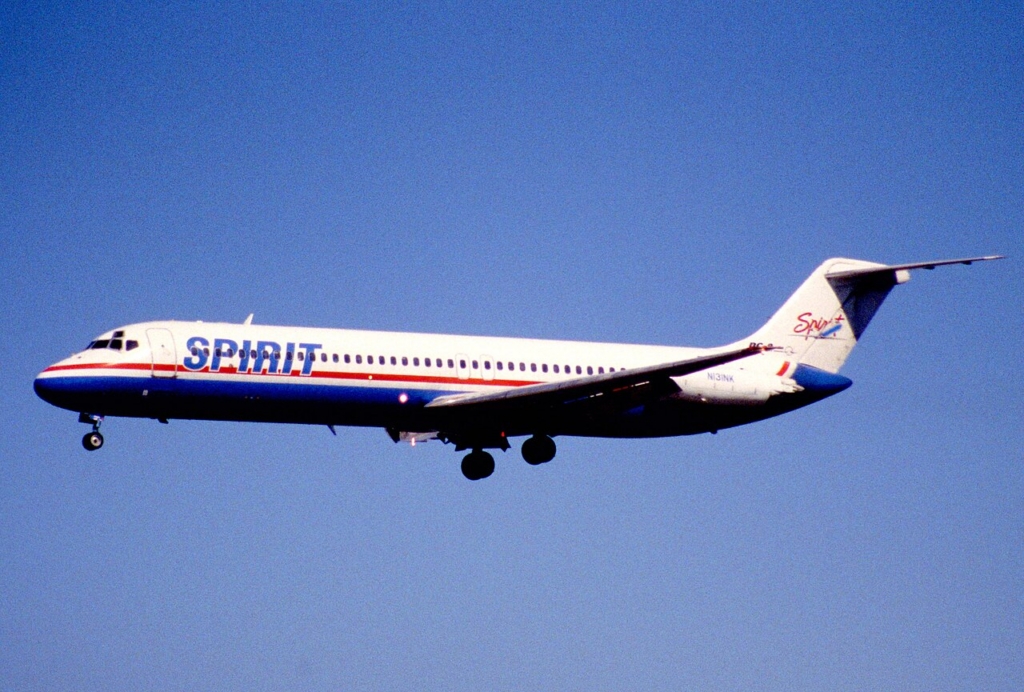
Recognising this opportunity, Charter One Airlines began transitioning toward becoming a full-fledged scheduled airline. In 1992, the company rebranded as Spirit Airlines and began offering scheduled passenger services.
The airline initially began scheduled passenger services connecting Detroit Metro Airport (DTW) and Atlantic City in June 1992. Scheduled flights between Boston and Providence began just two weeks later, also using DC-9 jets.
Less than a year later, Spirit Airlines was starting to build a significant presence in Florida, operating flights from Orlando, St Petersburg and Fort Lauderdale, to later be joined by flights from Fort Myers. Philadelphia was later added as a new hub in the northeast US to service the carrier’s growing route network to airports in Florida.
With its fleet and network continuing to expand, the company decided to move its headquarters from downtown Detroit (Michigan) to a suburb of Fort Lauderdale, which was fast becoming a focus city for the carrier.
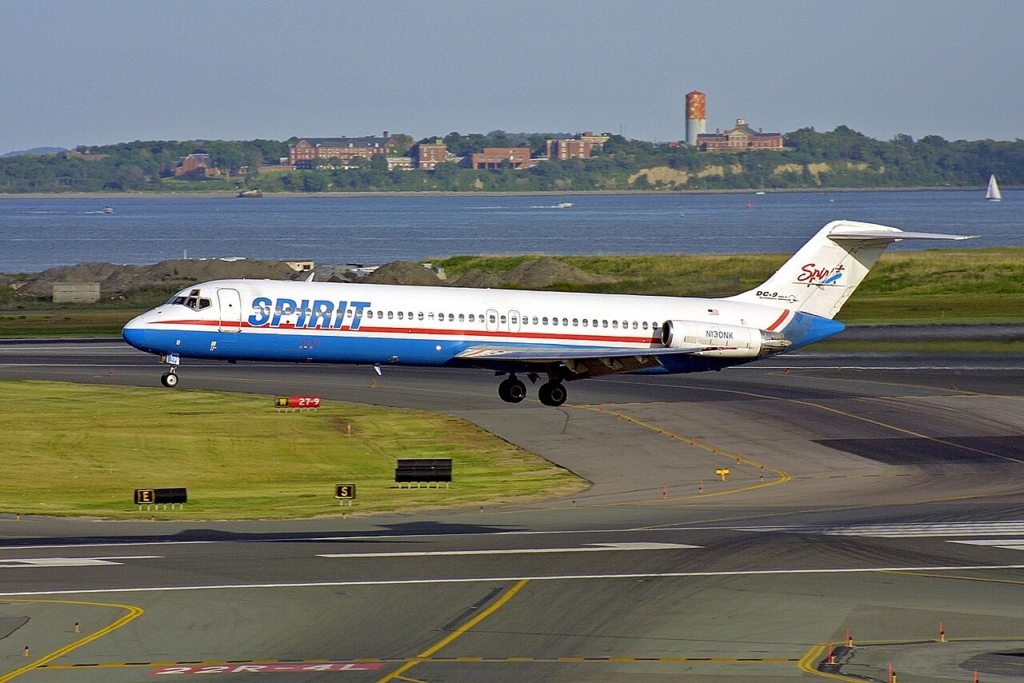
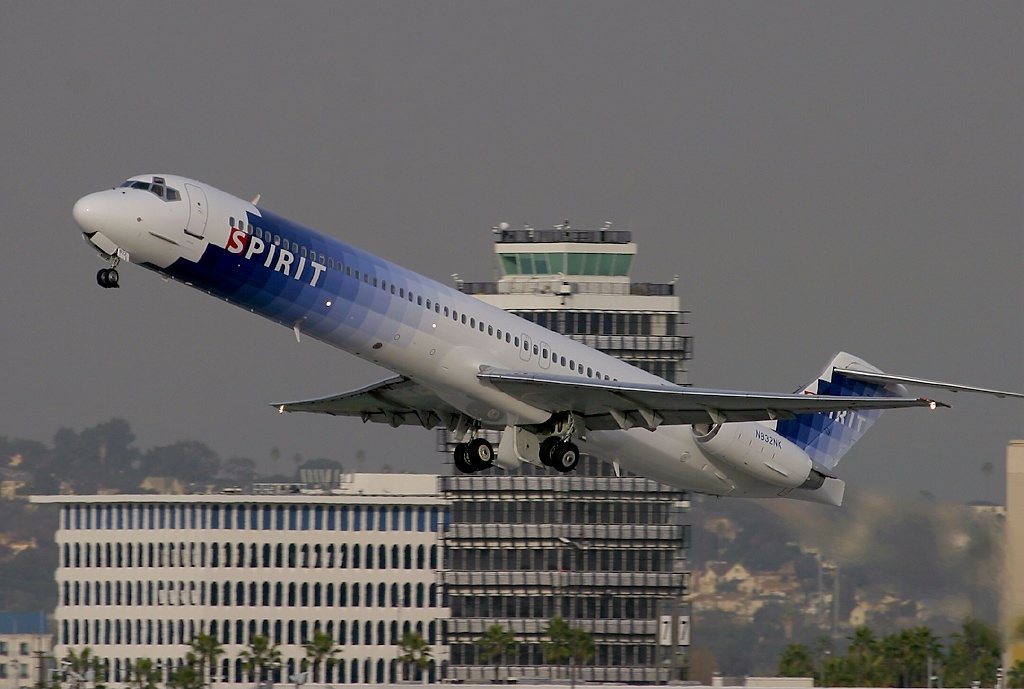
With the addition of more city pairs, the airline continued to add to its fleet. Sticking with the McDonnell DC-9 fleet, the airline acquired 18 of the type before switching to the larger McDonnell Douglas MD-80 series of jets. In all, the airline grew its fleet by a further 37 aircraft, including the MD-81, MD-82, MD-83, and MD-87. The airline did this in part to improve fleet commonality and achieve greater operational performance.
1990s and 2000s – Spirit Airlines’ formative years
The 1990s were a formative decade for Spirit Airlines. As it transitioned into a scheduled carrier, it adopted an ultra-low-cost model, aimed at competing with both legacy airlines and expanding budget competitors such as Southwest Airlines. Spirit added routes across the eastern US and began offering international service to destinations in the Caribbean and Latin America.
However, growth did not come without its challenges. The airline experienced financial instability and operational difficulties common among smaller carriers trying to scale. During this period, Spirit also began developing a reputation for cost-cutting measures that sometimes affected customer satisfaction levels.
One of the most notable early controversies occurred in 1999, when Spirit filed a lawsuit against Northwest Airlines (now part of Delta Air Lines), accusing it of predatory pricing practices.
Spirit claimed Northwest deliberately lowered fares on overlapping routes to drive it out of the market. The case highlighted the intense competition between legacy carriers and low-cost entrants and underscored the difficulties smaller airlines faced in maintaining profitability.
Despite these challenges, Spirit survived and continued to expand, focusing increasingly on leisure routes and underserved markets, while rolling out its no-frills operation into more markets.
2000s and 2010s – the ultimate low-cost transformation
A defining moment in Spirit Airlines’ history came in the early 2000s, when the company further embraced the ultra-low-cost carrier (ULCC) model. This approach went beyond traditional low-cost strategies by stripping fares down to the absolute minimum and charging separately for every additional service.
Under this model, passengers paid a base fare for transportation and then added fees for services such as checked baggage, carry-on luggage, seat selection, snacks, and even printing boarding passes at the airport.
While somewhat controversial, this “pick-and-mix” pricing allowed Spirit to advertise extremely low base fares, often significantly cheaper than its competitors.
Spirit’s leadership argued that this model gave customers more control over what they paid for, allowing those who travelled light and did not need extras to save money. Critics, however, accused the airline of deceptive pricing and poor customer service.
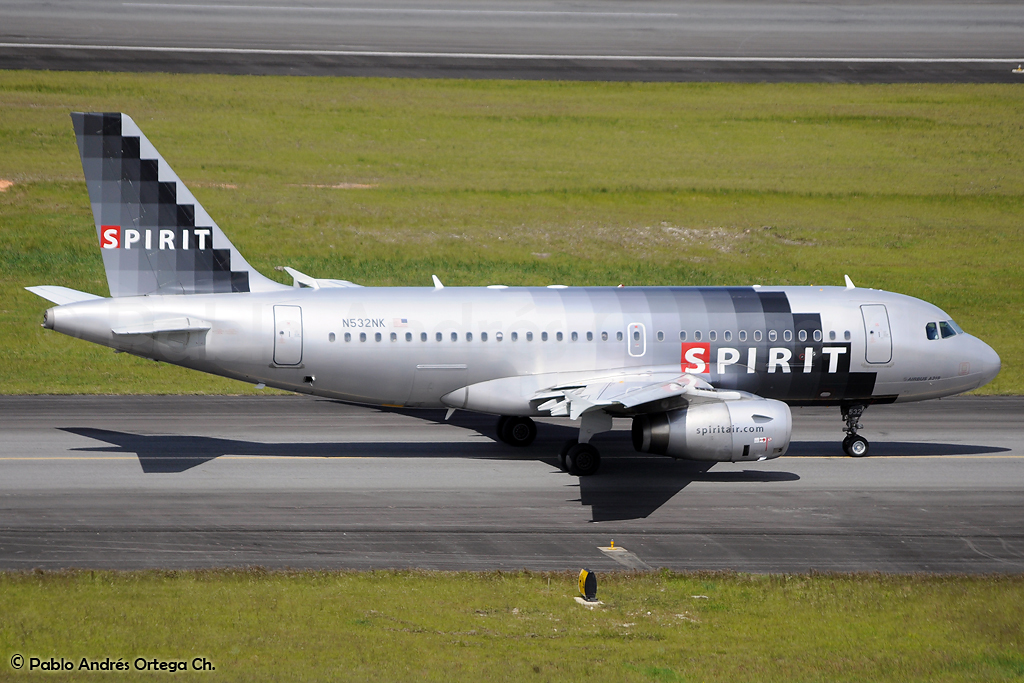
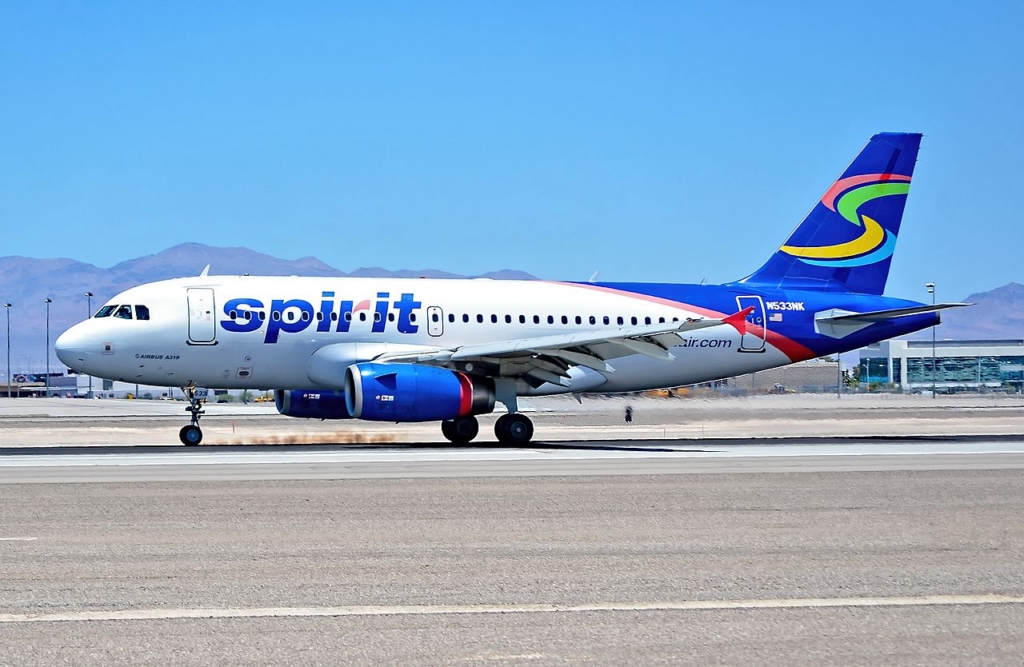
The airline also standardised its fleet around Airbus aircraft, particularly the Airbus A319 and A320 family, which helped reduce maintenance and training costs. Operational efficiency became a cornerstone of its business strategy with fleet commonality at its core.
In 2011, Spirit Airlines went public, listing its shares on the NASDAQ stock exchange. The initial public offering (IPO) marked a turning point, providing capital for expansion and signalling confidence in the ULCC model across the US.
Rapid growth and brand identity followed
Throughout the 2010s, Spirit continued to experience rapid growth. It expanded its network across the US, the Caribbean, and Latin America, adding new routes and increasing flight frequency. Cities like Fort Lauderdale, Orlando, and Las Vegas became major focus hubs.
Spirit also developed a distinctive and often provocative brand identity. Its marketing campaigns were bold, humorous, and sometimes controversial, frequently referencing current events or using edgy language to grab attention. This approach helped the airline stand out in a crowded market but occasionally sparked public and travel-industry backlash.
Operationally, Spirit maintained one of the lowest cost structures in the industry. High aircraft utilisation, notoriously dense seating configurations, and a focus on ancillary revenue (charging fees for add-on services) allowed it to remain profitable even with low ticket prices.
However, customer satisfaction remained a persistent issue. Spirit often ranked low in surveys measuring airline quality, with complaints about delays, fees, and customer service. Despite this, the airline maintained strong demand, particularly among price-sensitive travellers.
Spirit increased competition in a busy US market
Spirit Airlines played a key role in popularising the ULCC model in the US and became synonymous with the model. Spirit’s success demonstrated that there was a significant market for ultra-low fares, even if it meant sacrificing comfort and amenities in the process, which it seemed, passengers were willing to do.
Other airlines began adopting similar strategies or launching their own low-cost subsidiaries to compete. Frontier Airlines, for example, transitioned to a ULCC model similar to that of Spirit. Even legacy carriers such as United Airlines began unbundling their lowest basic economy fares, which mimicked some aspects of Spirit’s stripped-down pricing.

Spirit’s influence extended beyond pricing. It forced competitors to rethink cost structures and pricing transparency, reshaping the broader airline industry as the ULCC model took off and grew in popularity.
Spirit faced its challenges and controversies head-on
Despite its early financial success, Spirit Airlines faced numerous challenges and controversies over the years. Customer complaints were a continuous issue, often centred on hidden fees, flight cancellations, and perceived poor service.
Additionally, operational disruptions occasionally drew public attention. For example, in 2021, Spirit experienced a series of mass cancellations due to a combination of staffing shortages, weather issues, and operational constraints. The incident stranded thousands of passengers and highlighted vulnerabilities in the airline’s tightly optimised system.
Labour relations were also a challenge at times, with disputes involving pilots and flight attendants affecting operations. Additionally, Spirit faced regulatory scrutiny regarding its pricing practices and advertising.
During the COVID-19 pandemic, Spirit Airlines needed to be bailed out to the tune of $334 million, received in grants from the US government. The money was primarily used to pay for employees who were furloughed for several months at the height of the crisis.
Merger attempts and industry consolidation
The early 2020s brought significant developments for Spirit Airlines, particularly in the context of industry consolidation. In 2022, Spirit became the subject of a high-profile acquisition battle between Frontier Airlines and JetBlue Airways.
Frontier initially proposed a merger that would combine two ULCCs, potentially creating a stronger competitor in the budget segment. However, JetBlue entered the fray with a higher cash offer, aiming to acquire Spirit and expand its own footprint.
After months of negotiations and shareholder deliberations, Spirit agreed to be acquired by JetBlue. The deal, valued at $3.6 billion, was seen as a major shift in the airline industry. However, it also raised concerns among regulators about reduced competition, particularly in the low-cost segment.
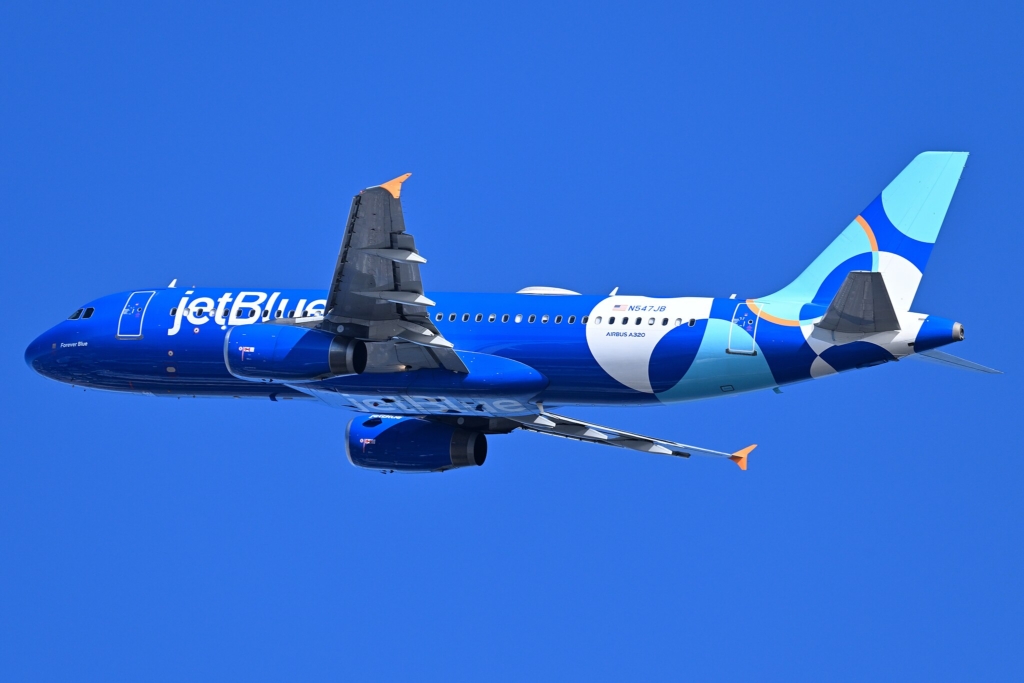
In 2024, a US federal judge blocked the merger on antitrust grounds, arguing that it would harm competition and lead to higher fares for consumers. This decision marked a significant setback for both companies and underscored the importance of Spirit’s role as a low-cost competitor.
Following the failed merger, Spirit faced increasing financial pressures, including rising costs and increased competition. The airline explored restructuring options and sought to stabilise its operations. However, with growing competition, increasing costs and a degree of market saturation, Spirit found it increasingly hard to make money and soon began assessing its options for sustained long-term viability.
Chapter 11: bankruptcy protection and restructuring
In November 2024, with costs rising and losses mounting, Spirit’s board agreed with investors to place the company into Chapter 11 bankruptcy, primarily to gain some protection for creditors and to restructure its finances and operations. Some routes were cut, and some newer aircraft were handed back to lessors.
Following these tweaks, the airline re-emerged from Chapter 11 in March 2025. However, analysts sounded a warning that the airline had not gone as far as it needed to, to emerge as a stronger, leaner carrier.

They would be proved correct in August 2025, when the airline re-entered Chapter 11 bankruptcy protection. This time, the axe was taken to the route network of the fleet in the airline’s attempts to stave off failure. The airline cut hundreds of routes, dropped many of its focus cities and set about ridding itself of over half of its entire Airbus fleet.
By March 2026, announcements from the airline spoke about the carrier exiting Chapter 11 by early summer 2026. However, with the onset of the Iran War and escalating fuel prices, this outlook began to look increasingly unlikely. In late April, the US government entered the fray with a $500 million bailout package for Spirit.
However, the deal was turned down by the airline’s bondholders, and the potential rescue of the airline collapsed. At this stage, the prospects for Spirit Airlines looked terminal, with no other rescue deals on the table.
The ultimate failure of Spirit Airlines
On May 1, 2026, journalists widely reported that Spirit Airlines was planning to cease operations within 24 hours after the bailout negotiations between its creditors and the US government collapsed. The airline subsequently announced that it would cease operations on 2 May at 03:00.
In its shutdown announcement, the airline cited elevated fuel costs, including those associated with the 2026 Iran war, as a factor contributing to its financial condition. Shortly after midnight on May 2, 2026, the final Spirit Airlines flight operated from Detroit to Dallas-Fort Worth in Texas, bringing down the curtain on 33 years of flight operations.

Spirit stated that it would automatically issue refunds for tickets purchased directly from the airline using credit or debit cards, while tickets purchased through third-party booking platforms were subject to separate refund processes.
Following the shutdown, several airlines introduced discounted rescue fares for affected passengers. US carriers also extended travel accommodations to Spirit employees seeking to return home and, in some cases, offered or pledged to offer expedited or priority consideration in hiring.
Spirit’s business model and legacy
Spirit Airlines’ business model remains its defining characteristic. By focusing on ultra-low base fares and generating revenue through optional services, the airline carved out a unique niche. This approach allowed millions of travellers to fly who might not otherwise have been able to afford air travel.
The trade-off, however, has been a polarising reputation. For some passengers, Spirit represented unbeatable value, while for others, it symbolised the downsides of cost-cutting in the airline industry.
From an industry perspective, Spirit’s legacy is significant. It helped push the boundaries of low-cost travel, influencing pricing strategies across the sector. Its success demonstrated that there is a viable market for ultra-budget travel, even in a mature and highly regulated industry like aviation.
Farewell to a broken Spirit
The history of Spirit Airlines is a story of adaptation and disruption. From its origins as a trucking company to its transformation into a major ultra-low-cost carrier, Spirit consistently challenged traditional airline norms.
While it faced criticism and controversy, it also reshaped the industry, making air travel more accessible to a broader audience. Its influence will remain in the pricing strategies of competitors and the continued growth of the low-cost segment in the US.
As the airline industry continues to evolve, Spirit Airlines will take its place in the history books as a key player that navigated challenges while maintaining a commitment to low fares. Whether viewed as a pioneer or a provocateur, its impact on US aviation is undeniable.
Featured image: Spirit Airlines