


What’s involved in Chapter 11 bankruptcy protection and how can the process benefit airlines?

9 min read
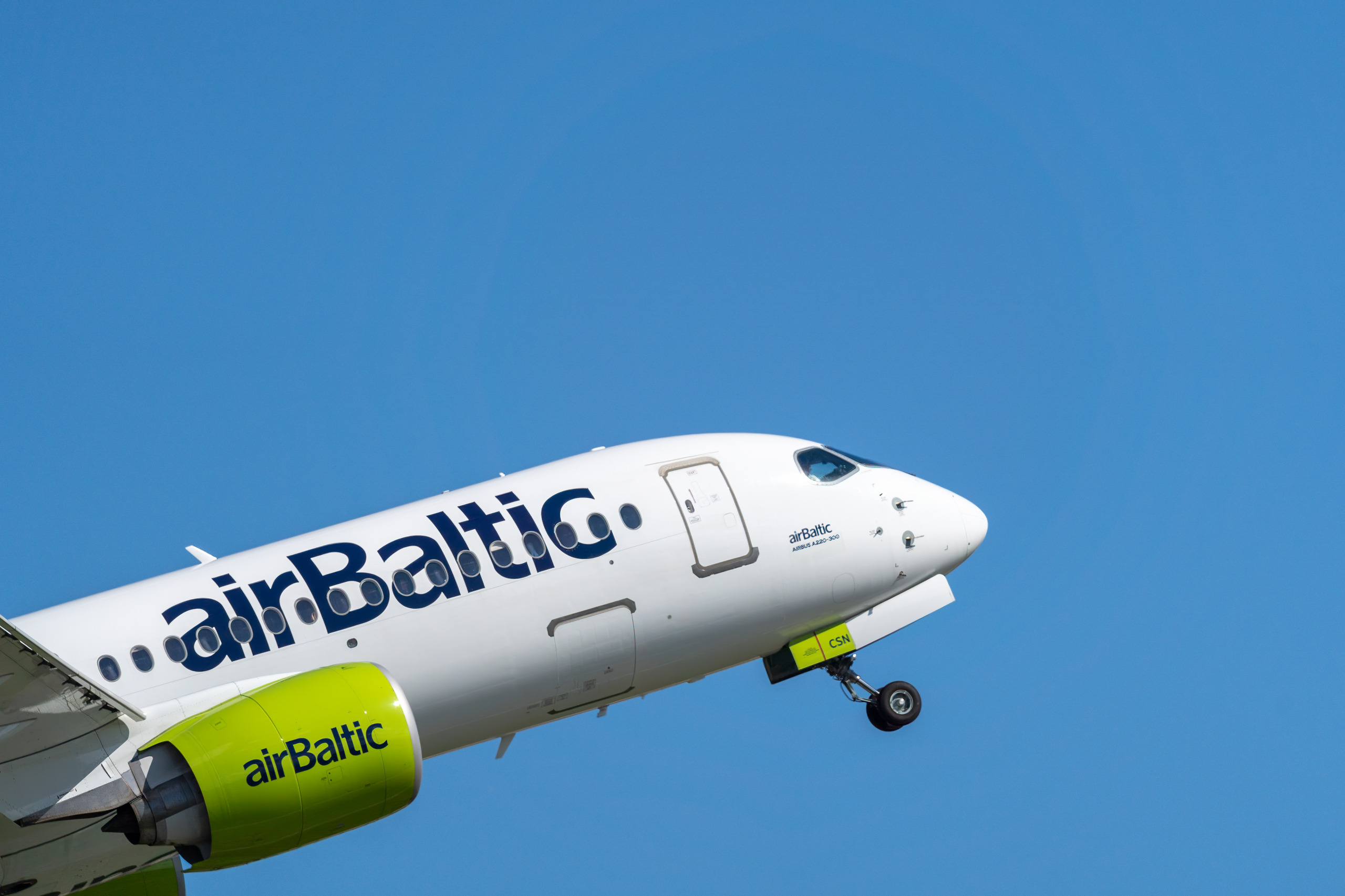
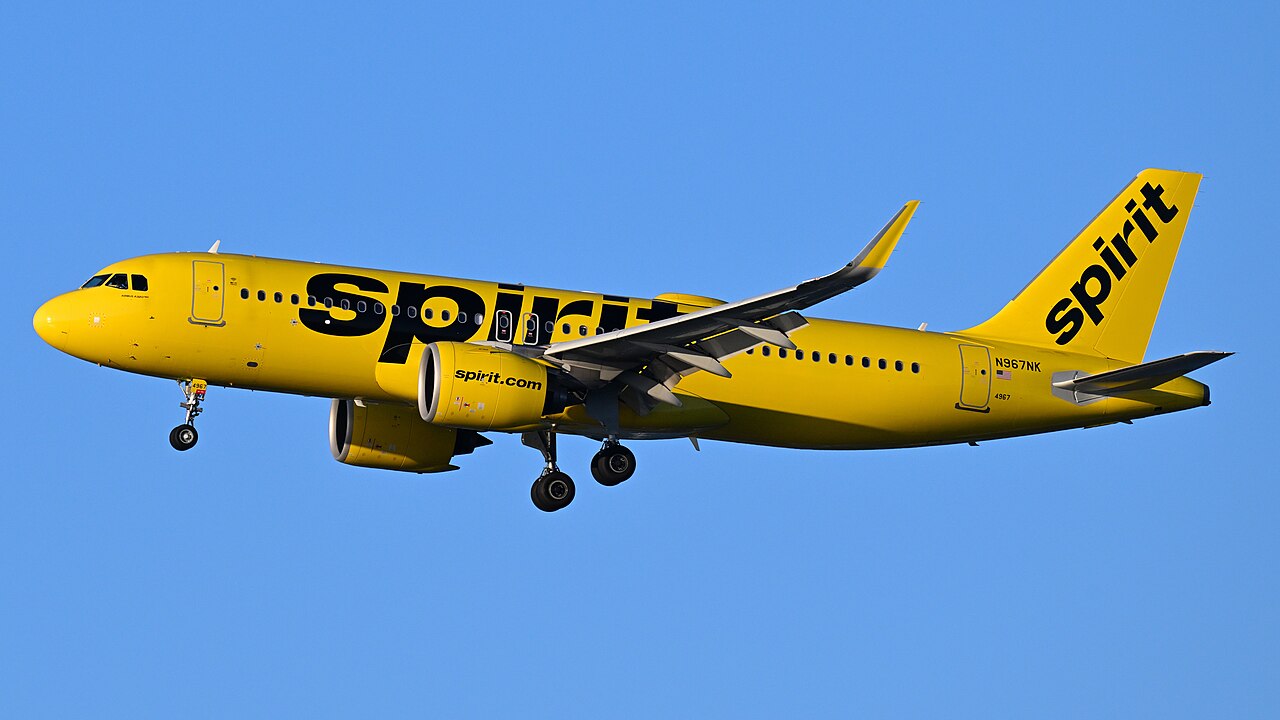
When an airline runs into financial trouble, Chapter 11 can provide protection from creditors while it restructures debts, aircraft leases and other costly commitments. But as Spirit Airlines demonstrated, filing for bankruptcy protection does not guarantee survival.
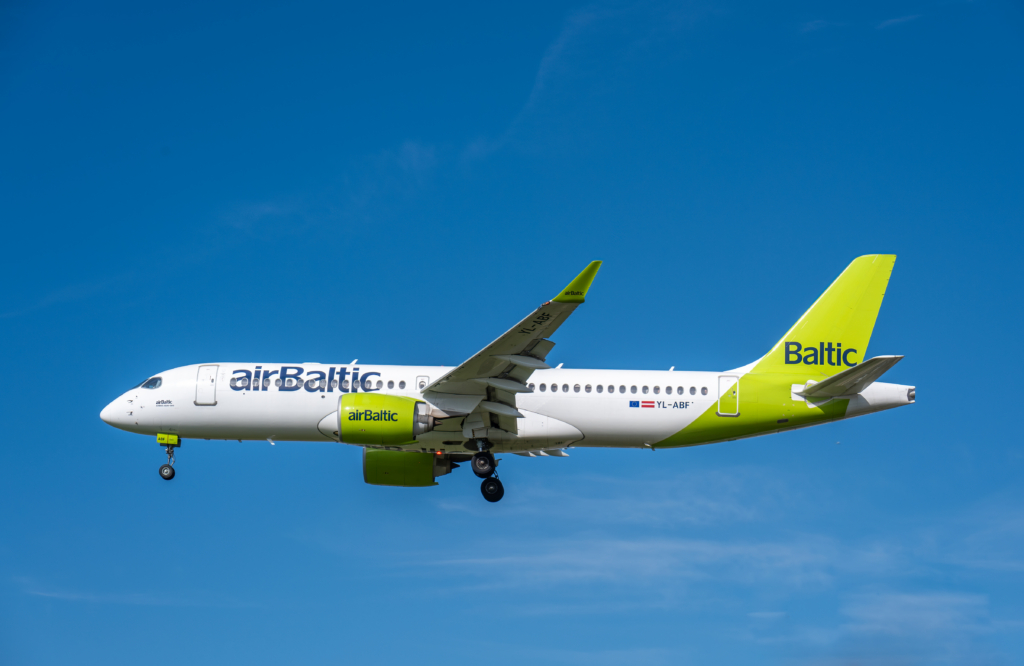
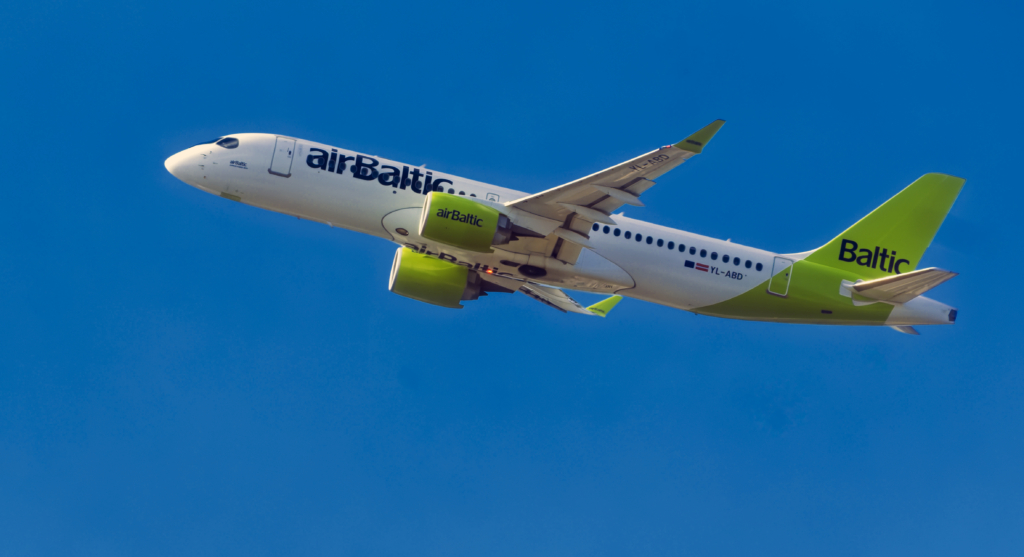
On 14 September, airBaltic filed for Chapter 11 bankruptcy protection in the US, allowing Latvia’s flag carrier to continue flying while it attempts to restructure its finances.
The airline entered the process with commitments for €350 million ($405 million) of debtor-in-possession financing, subject to court approval. Its management says flights and customer services will continue as normal.
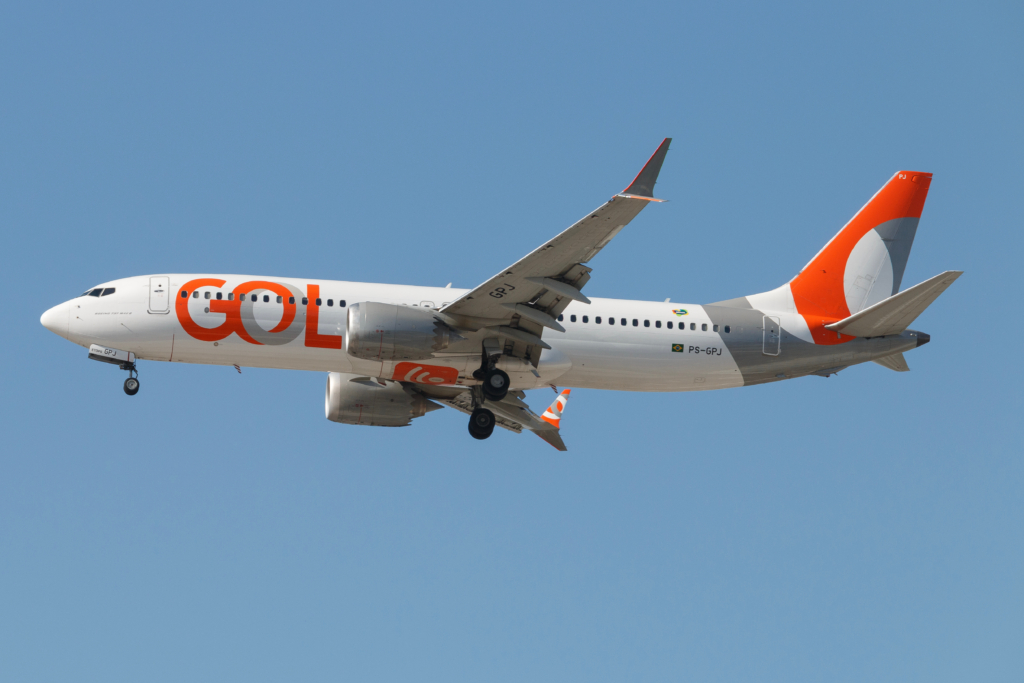
AirBaltic is far from the first airline to seek protection under Chapter 11 of the US Bankruptcy Code. American Airlines, United Airlines, Delta Air Lines, LATAM Airlines, Aeroméxico, Avianca, GOL and SAS are among the carriers that have used it to reorganise their businesses.
Some emerged with lower debts and more sustainable operations. Others, including Pan Am and, more recently, Spirit Airlines, ultimately stopped flying.
So, what does Chapter 11 bankruptcy protection mean, why is it particularly useful to airlines and what happens after a carrier files?
Why do airlines need Chapter 11 bankruptcy protection?
The international airline industry has long been considered one of the most volatile industries in the world.
Airlines must contend with slim margins, high fixed costs, geopolitical disruption, fluctuating fuel prices and, occasionally, events as severe as a global pandemic. Aviation history is littered with carriers that tried, but ultimately failed, to survive.
When an airline runs out of money, suppliers may withhold essential services such as fuel, while aircraft lessors may seek to repossess their aircraft. Either action can ground an airline almost immediately.
However, even when an airline runs out of cash, or looks likely to do so, Chapter 11 can offer it another route.
What exactly is Chapter 11 bankruptcy protection?
Chapter 11 is a restructuring process under the US Bankruptcy Code. It gives an airline, or another business, an opportunity to reorganise its finances and operations while being protected from most creditor enforcement action.
Unlike liquidation, the company is normally permitted to continue trading throughout the process, allowing it to keep generating revenue and maintain relationships with customers, employees and suppliers.
The ability to continue trading is particularly important for airlines, where fixed costs are high, margins are slim and any prolonged suspension of operations can quickly destroy the remaining value of the business.
The aim is to agree a restructuring plan that deals with existing debts and gives the company a realistic chance of returning to financial stability. This may involve reducing debt, extending repayment periods, raising new finance, disposing of assets or changing the scale of the operation.
An airline seeking Chapter 11 protection files a petition with a US bankruptcy court. In a voluntary case, the filing starts the process and usually triggers an automatic stay preventing most creditors from pursuing debts or seizing assets.
The company’s existing management generally remains in control as the “debtor in possession”, although the court oversees the process. Major decisions outside the ordinary course of business, including significant asset sales and new financing arrangements, may require court approval.
Under Chapter 11, companies can propose reorganisation plans that may involve disposing of assets, reducing employee numbers and streamlining operations. Creditors are divided into classes and may be asked to vote on the plan before it is considered by the court.
Many countries have their own restructuring regimes, but some international companies choose Chapter 11 because of its established procedures, access to specialist finance and familiarity among global creditors.
How does Chapter 11 help airlines?
Four major pillars of support provide the framework for how Chapter 11 can protect airlines in financial distress. While each of these can work independently, many airlines choose to employ more than one support system to strengthen their chances of emerging from Chapter 11 as a fitter and stronger organisation.
Possibly the most important of these four pillars is the granting of an automatic stay of enforcement action from creditors. Upon the carrier having its filing for Chapter 11 accepted, from that point on, the company is at arm’s length from litigation or other enforcement action (such as the seizure of assets) from those it owes money to.

Second on the list of benefits of Chapter 11 is the availability of debtor-in-possession (DIP) financing. This is a form of refinancing that allows for the continuation of operations while the Chapter 11 process continues.
It provides the vitally needed cash injection, thereby funding the continuity of operations, which keeps a revenue stream going for the airline involved. In return for providing the lifeline cash, specialist DIP lenders take a higher position on the airline’s list of creditors and impose higher-than-market-average interest rates.
The lenders are also permitted to take liens on the airline’s assets (such as aircraft that are wholly owned by the carrier). Without this access to bridging finance, many airlines that enter Chapter 11 would not survive and would be forced to cease operating.
Thirdly, there is the flexibility to renegotiate executory contracts. The provisions of Chapter 11 allow airlines to reject or renegotiate previously signed contracts or agreements under which both parties still have ongoing obligations.
For airlines, this can include aircraft lease contracts, airport gate hire agreements, and other legal obligations for the long-standing provision of goods and/or services.
The ability to renegotiate the specific terms of these agreements without facing financial penalty or immediate termination of the deal can be highly beneficial to airlines where the continuation of operations is vital for long-term survival.
The last of the four main benefits of Chapter 11 is voting provisions. This realigns the voting process under Chapter 11 in favour of creditors, whereby the division of voting rights reflects the debts owed to each stakeholder.
To approve a reorganisation plan, the proposed restructuring plan must be accepted by at least two-thirds (in dollar amount) of creditors and more than half of the voting creditors in each class.
Therefore, if an airline has a major creditor who is owed much more than the rest of the creditors, then that company assumes the highest voting power and will dominate the process. If the bankrupt career can get that creditor on side, then it improves the chances of re-emerging from Chapter 11.
The flexibility offered by this process can make the difference between a rescue plan being accepted or rejected at the crucial time.
Why do international airlines file for bankruptcy in the US?
Chapter 11 is widely recognised and has been used by airlines in the US and beyond. Its long history has created a substantial body of case law and a process that many lenders, lessors and advisers already understand.
This familiarity provides a well-trodden pathway through which airlines can negotiate with creditors while continuing to operate.
Numerous US airlines have used Chapter 11, but carriers based elsewhere have increasingly turned to the process to restructure international debts and operations.
This can be particularly attractive when an airline has US-based creditors, financing arrangements or other qualifying connections to the country.
A US bankruptcy order does not automatically resolve every issue involving assets in other countries. Recognition and enforcement may depend on local insolvency laws and international cooperation. Nevertheless, Chapter 11 can provide a single forum in which an airline and its major creditors negotiate the central restructuring plan.
Foreign companies must meet the legal requirements for filing in the US. The threshold can be relatively limited, but eligibility and the choice of court depend on the circumstances of each case.
Spirit Airlines used the Chapter 11 process twice, and many other US airlines have been through it, including Pan Am, TWA, American Airlines, United Airlines, Delta Air Lines and US Airways.
More recent cases involving airlines outside the US include LATAM Airlines, Azul, Aeroméxico, GOL and Avianca. In Europe, SAS Scandinavian Airlines underwent a Chapter 11 restructuring between July 2022 and August 2024.
How Chapter 11 helps airlines in distress
The comprehensiveness of the Chapter 11 process, including its globally recognised DIP financing structure, broad automatic stays, and international recognition, often outweighs the benefits of a local or national-level scheme, especially for global airlines with complex international operations, such as SAS Scandinavian.
However, filing for Chapter 11 is never a decision taken lightly. The process can be lengthy, expensive and uncertain, while customers, investors, employees and suppliers may all become concerned about the airline’s future.
The carrier must also persuade creditors and the court that its proposed restructuring offers a viable route forward.
The process may require difficult decisions, including reducing the fleet, closing routes, renegotiating aircraft leases, cutting jobs or bringing in new investors. Existing shareholders can also lose much or all of their investment.
Chapter 11’s established framework and track record in aviation nevertheless make it an important option for airlines facing serious financial distress.
It provides breathing space, but the carrier still needs sufficient funding, creditor support and a viable business plan if it is to survive.
Happy endings are not guaranteed
Chapter 11 does not guarantee that an airline will emerge stronger or even continue operating.
Spirit Airlines demonstrated both sides of the process. The carrier first entered Chapter 11 in November 2024 and emerged in March 2025, but returned to bankruptcy protection months later and ultimately ceased flying.
Pan Am filed for Chapter 11 in January 1991 but was unable to complete a successful rescue, ceasing operations in December that year.
Airlines may also emerge from bankruptcy through a sale rather than continuing independently.

TWA entered Chapter 11 three times. During its third filing in 2001, most of its assets were acquired by American Airlines’ parent company, and the TWA name subsequently disappeared.
With airBaltic entering Chapter 11, the carrier, along with its creditors, will be hoping for a positive outcome. Speaking about the filing on the morning of the announcement, Andrejs Martinovs, Chairman of the Supervisory Board of airBaltic, commented,
“Under court supervision and with protection from creditor claims, this process provides a clear framework and timetable for reaching agreements with creditors, including aircraft lessors and other stakeholders.”
“At the same time, it allows the company to continue operating. That is the central priority set for the airBaltic Management Board – to keep flying and to maintain Latvia’s connectivity,” Martinovs added.
For passengers, Chapter 11 does not necessarily mean that flights will stop. airBaltic has said its services will continue as normal while it restructures, supported by $405 million in proposed DIP financing.
Whether the airline emerges on a sustainable footing will depend on the terms it negotiates with creditors, the changes it makes to its business and its ability to secure the longer-term investment it needs.
Sign up for our newsletter and get our latest content in your inbox.


More from


September 25, 20264 min read

September 25, 20264 min read

September 24, 20262 min read


