


Southwest’s long-awaited Boeing 737 MAX 7 could finally enter service in March 2027

4 min read
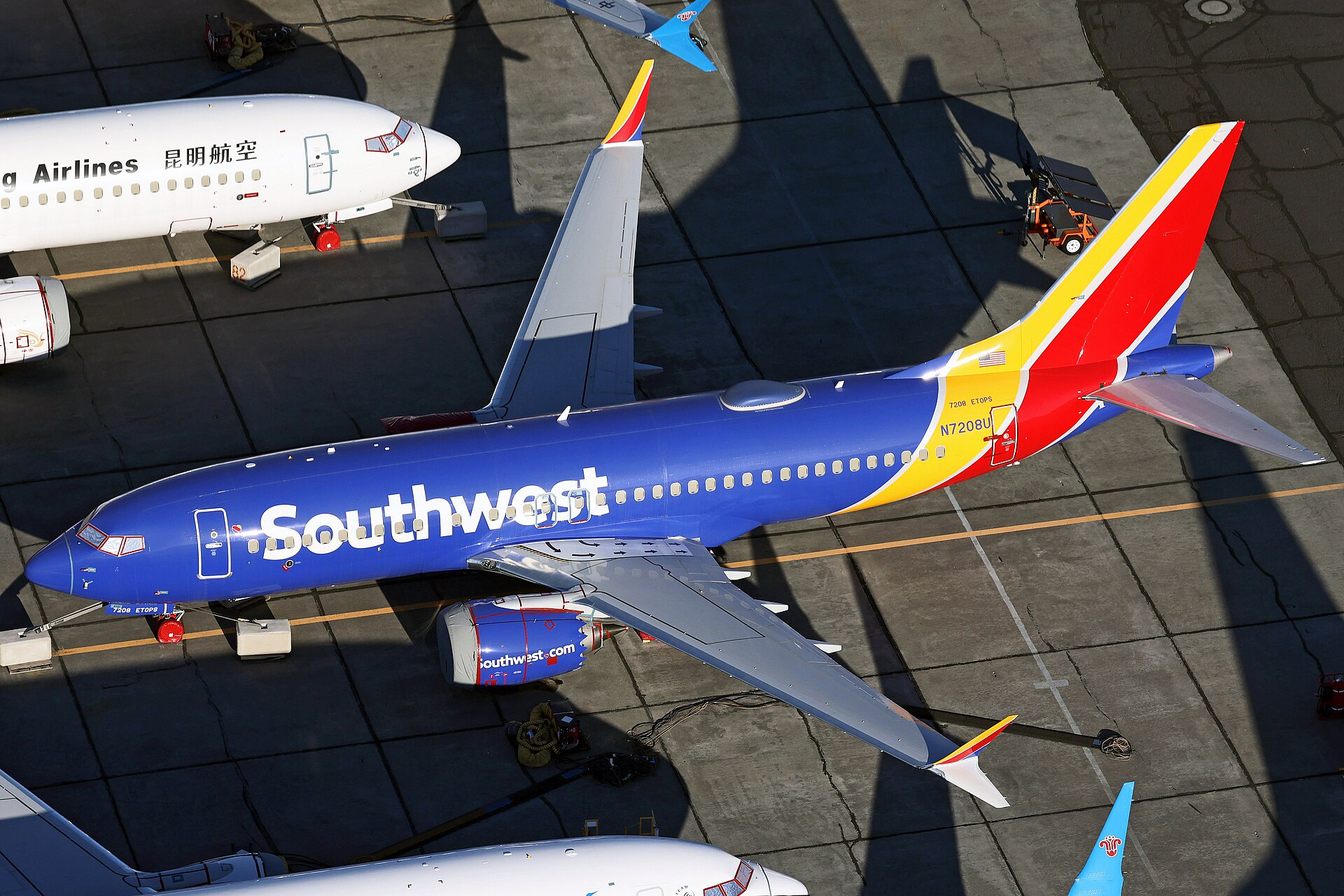
Southwest Airlines could finally introduce the long-awaited Boeing 737 MAX 7 into passenger service in March 2027, according to an internal rollout plan reported by View from the Wing. The aircraft is expected to feature 150 seats, Starlink Wi-Fi, in-seat power, and larger overhead bins.
The proposed launch would mark an important milestone for Southwest and Boeing after years of delays affecting the smallest member of the 737 MAX family. For Southwest, the aircraft is expected to help replace ageing Boeing 737-700s while providing additional flexibility on routes that do not require a larger capacity.
However, the March 2027 date remains a target rather than a confirmed launch announcement, with aircraft preparations and regulatory requirements still to be completed.
Southwest’s 737 MAX 7 rollout plan
According to reporting by View from the Wing, Southwest expects to begin accepting aircraft from a group of 27 already-built 737 MAX 7s in mid-to-late December 2026. Additional newly built aircraft could begin arriving in February 2027.
Before entering passenger service, the aircraft will undergo preparation work at facilities in Paine Field (PAE), Phoenix (PHX) and Kansas City (KCI).
The reported plan also includes validation flights, with each of the previously built aircraft expected to complete at least five flights after preparation.
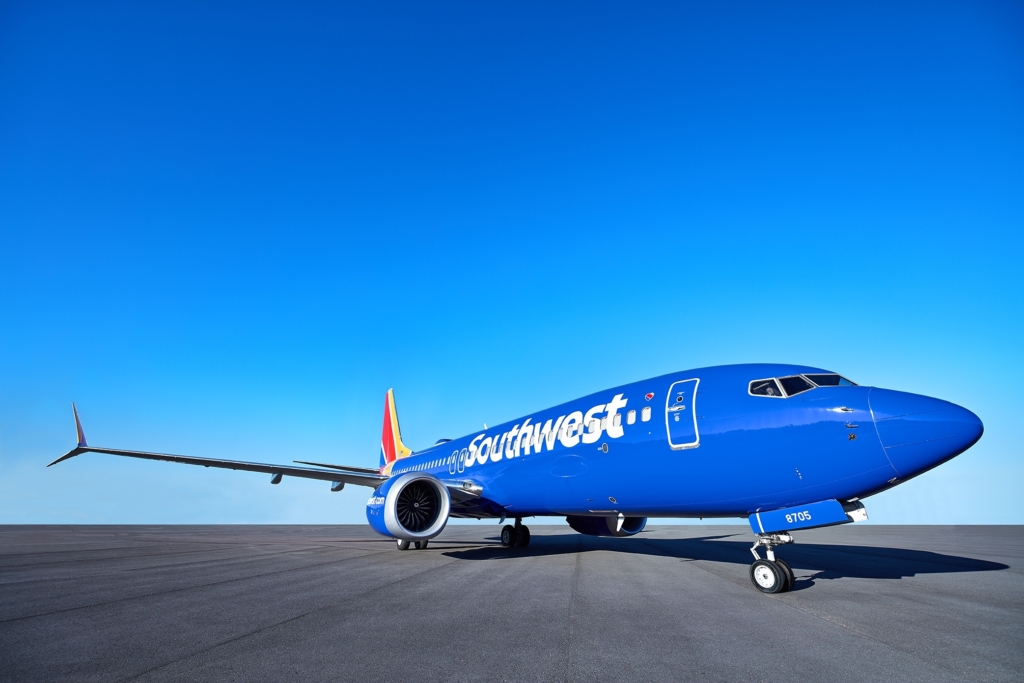
These flights are expected to include a simulated extended-overwater operation lasting more than three and a half hours.
Southwest reportedly aims to have the MAX 7 included in its published schedules by the end of 2026, ahead of the planned March 2027 launch. Nevertheless, the timeline could change depending on deliveries, operational preparations and regulatory approvals.
A refreshed cabin with 150 seats
The new aircraft’s planned cabin configuration includes 150 Recaro seats, offering a modernised experience compared with Southwest’s older 737-700s. Other expected features include:
- Starlink Wi-Fi: Satellite internet connectivity designed to improve the onboard online experience.
- In-seat power: Allowing passengers to charge compatible electronic devices.
- Larger overhead bins: Providing additional space for cabin baggage.
- Three lavatories: Two at the rear and another at the front of the cabin.
- Extra-legroom seating: With indicators identifying the relevant seats.
- The reported 150-seat configuration differs slightly from an earlier Southwest investor presentation, which showed 148 seats, including 48 extra-legroom seats and 100 standard seats.

The reason for the change has not been established. However, the planned layout would give Southwest additional capacity while retaining a smaller aircraft suitable for routes where demand may not justify larger 737 variants.
Why the MAX 7 matters to Southwest
The new aircraft could play an important role in Southwest’s fleet renewal strategy. Southwest currently operated 271 Boeing 737-700s as of September 30, with an average age of approximately 20 years.
The 737-700 typically accommodates 137 passengers, compared with the planned 150 seats on Southwest’s MAX 7. That represents an increase of 13 seats per aircraft, or approximately 9.5% more passenger capacity.
The MAX 7 would also be smaller than Southwest’s 175-seat 737 MAX 8, giving the airline another option when matching aircraft capacity to passenger demand.
This flexibility could help Southwest increase capacity on selected routes without deploying larger aircraft unnecessarily. The additional seats may also support revenue opportunities while the newer aircraft gradually replaces older jets.
Could the aircraft serve Hawaii routes?
Hawaii operations could be another important application for the MAX 7.
According to View from the Wing, Southwest Chief Operating Officer Andrew Watterson discussed plans for the first 27 MAX 7s to take over certain extended-overwater operations currently performed by 28 older Boeing 737-800s.

Potentially affected routes include flights from Burbank, Phoenix, and Las Vegas to Hawaii, as well as interisland services. Such a transition could allow Southwest to use its newer aircraft for these operations while retaining older jets for other routes.
However, the reported plan does not establish a definitive list of routes for the MAX 7. Actual deployment will depend on operational requirements and the necessary approvals.
What happens next?
Southwest’s proposed timeline points to initial deliveries in December 2026, additional aircraft arriving from February 2027, and passenger service beginning in March.
The MAX 7 is also not expected to introduce a first-class cabin. Instead, its planned improvements focus on connectivity, seating, power access, and cabin storage.
For Boeing, the launch would represent an important step in bringing the smallest 737 MAX variant into airline service after years of delays. For Southwest, it could provide a more efficient way to replace older aircraft and match capacity to demand.
The aircraft is expected to support fleet modernisation while giving Southwest greater flexibility on domestic and Hawaii routes. However, the proposed launch date remains provisional, and the final timeline will depend on aircraft deliveries, operational preparations and regulatory approvals.
Sign up for our newsletter and get our latest content in your inbox.


More from

November 2, 20264 min read


