


Russia’s ‘Doomsday plane’ lands in Iran, but what is the Tu-214PU?

3 min read
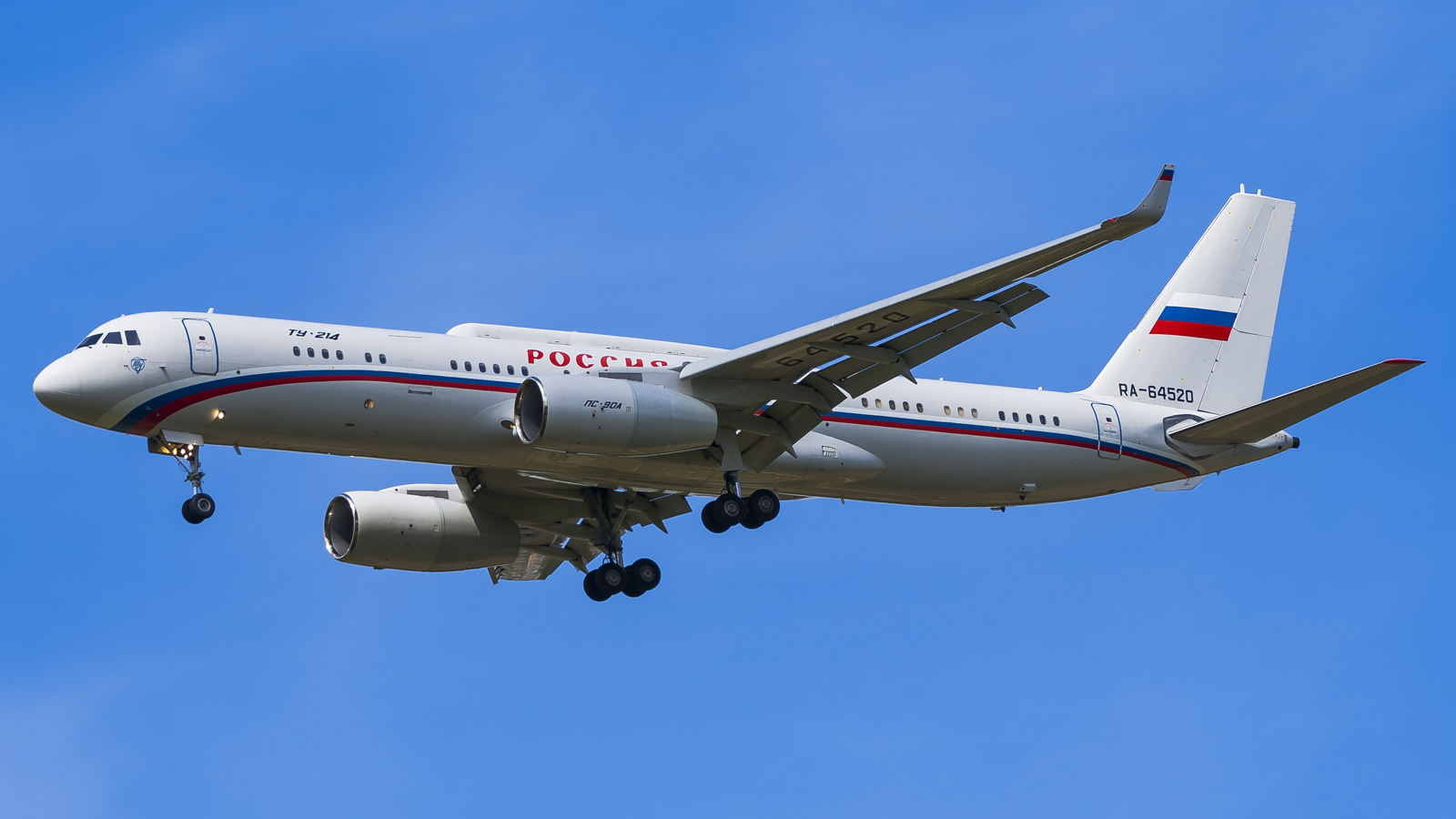
A rare Russian government aircraft visited Iran on 13 July, prompting headlines that Moscow had sent its “Doomsday plane” to Tehran as fighting between Iran and the United States intensified.
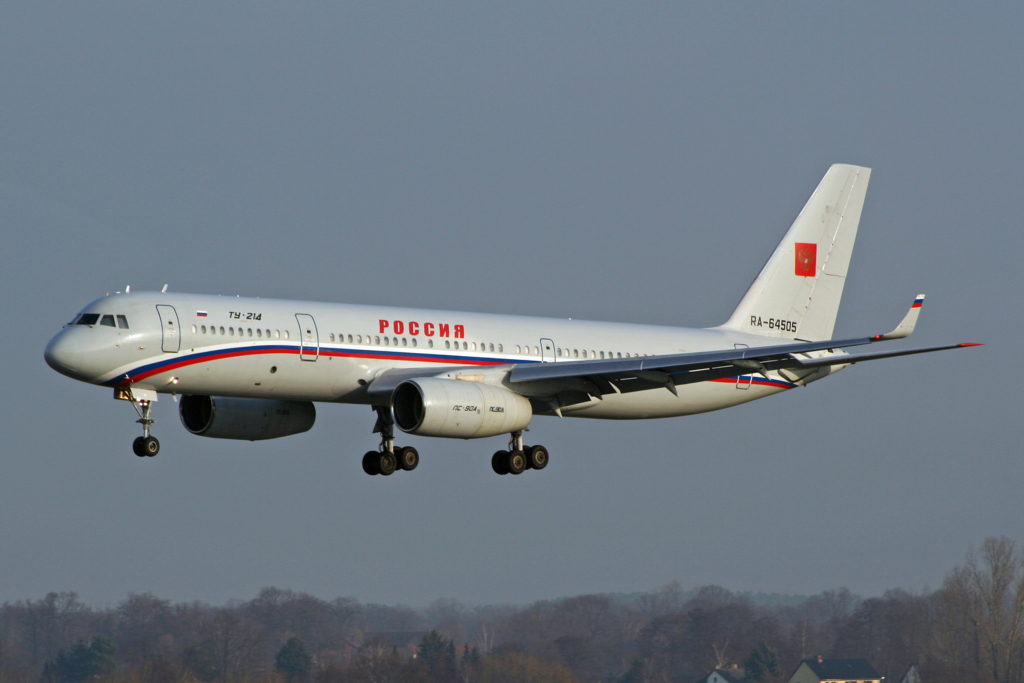
The aircraft was a Tupolev Tu-214PU, a specialised command-and-control and VIP transport operated by Russia’s Special Flight Squadron Rossiya.
Flight tracking data shows the aircraft, registered RA-64531 and operating as RSD420, departed Moscow Vnukovo Airport at 03:29 and arrived at Tehran Imam Khomeini International Airport at 08:05.
It remained in Tehran for around 12 hours before departing at 19:39 and continuing to Beijing Capital International Airport. The purpose of the stop and the identities of anyone travelling aboard have not been disclosed.
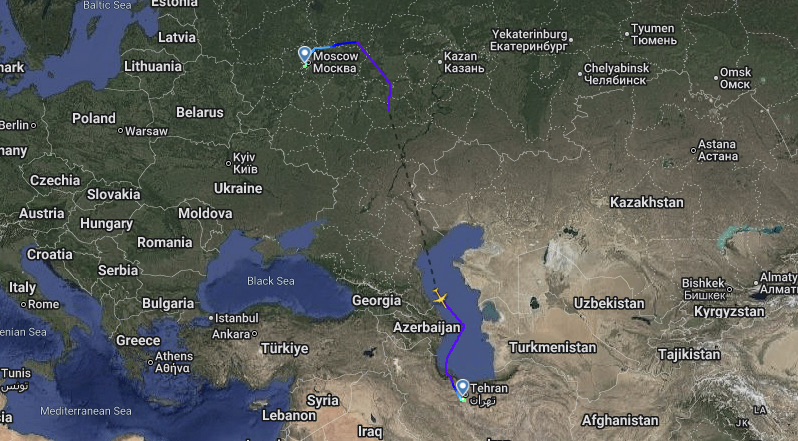
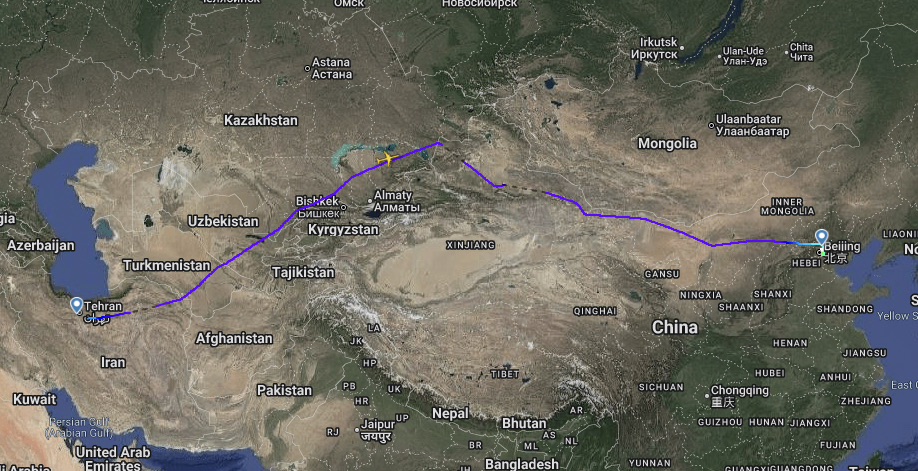
All data courtesy Flightradar24
What is Russia’s Tu-214PU?
The Tu-214PU is a heavily modified version of the Russian-built Tu-214 narrowbody airliner. Unlike some reports have suggested, the Tu-214 is not itself a Soviet-era aircraft. It first flew in 1996, although it was developed from the late-Soviet Tu-204 programme.
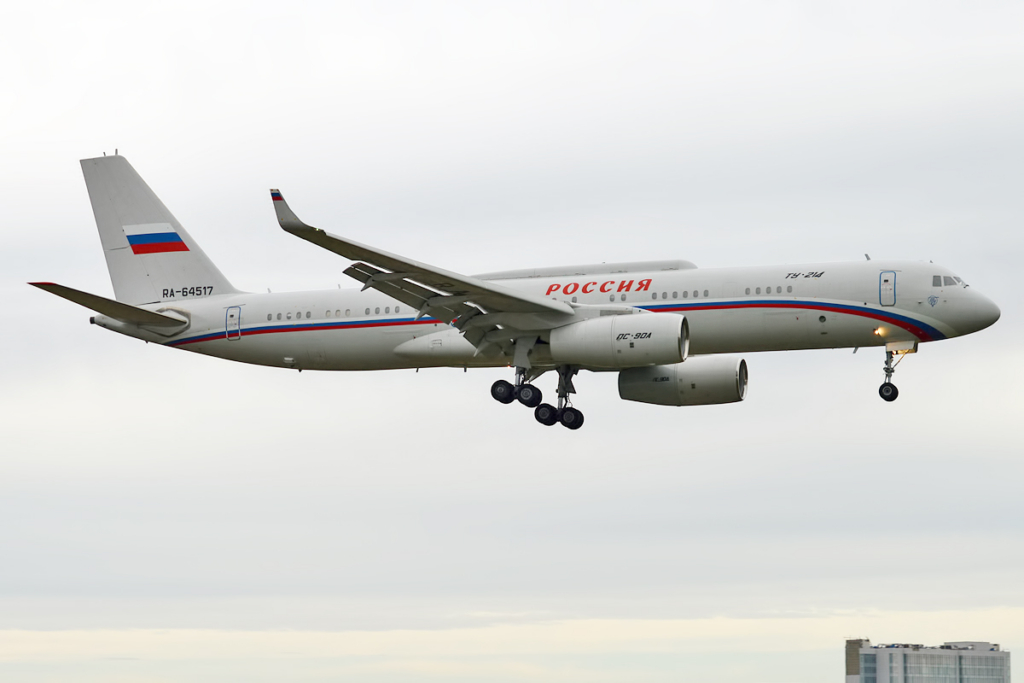
The letters “PU” are derived from the Russian term for command post. While the exact equipment aboard remains classified, the aircraft is understood to contain secure communications systems, command facilities and accommodation for senior government officials.
It is operated by Special Flight Squadron Rossiya, the government aviation unit responsible for transporting the Russian president, senior ministers and other state delegations. Flight tracking and aviation databases identify RA-64531 as a Tu-214PU belonging to the unit.
Rather interesting timing.
— Evergreen Intel (@vcdgf555) July 13, 2026
🇷🇺 RSD420 Tu-214PU RA-64531 #14FC13, from Moscow to Tehran. https://t.co/qM1XQyxyGH
Vladimir Putin has previously travelled aboard the type. In December 2017, he used a Tu-214PU for a highly publicised visit to Russia’s Khmeimim Air Base in Syria, escorted during its arrival by Russian Su-30SM fighters.
That combination of secure communications, command-and-control equipment and presidential transport capability explains why the aircraft attracts considerable attention whenever it appears in a politically sensitive location.
Is the Tu-214PU really a ‘Doomsday plane’?
Not quite.
The description is understandable because the Tu-214PU can operate as an airborne headquarters, allowing Russia’s leadership to communicate and continue directing government activity during a serious crisis.
However, Russia’s principal nuclear-war command aircraft is the much larger Ilyushin Il-80 Maxdome.
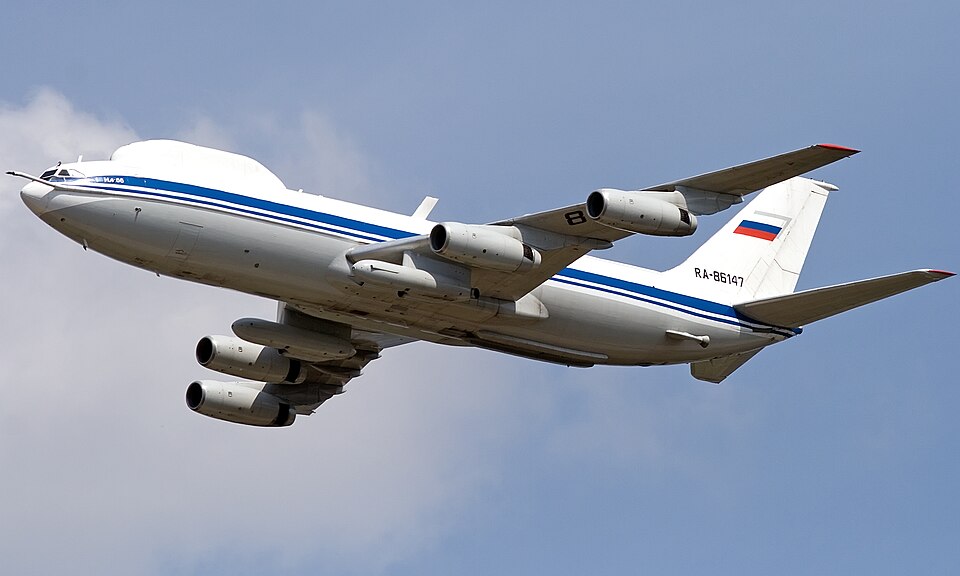
Based on the Il-86 widebody airliner, the Il-80 was developed to preserve Russia’s command structure during a nuclear conflict. Its heavily modified design, limited windows and extensive communications equipment make it broadly comparable with the US Air Force’s Boeing E-4B Nightwatch.
The Tu-214PU is better understood as a secure flying Kremlin: part executive transport, part communications platform and part airborne command centre. There is no direct American equivalent combining precisely the same roles.
It is an important and sensitive state aircraft, but calling it Russia’s definitive “Doomsday plane” exaggerates its nuclear command role.
Why did the Russian aircraft stop in Iran?
There has been no official explanation for the visit, making firm conclusions impossible.
Its arrival nevertheless attracted attention because it coincided with the renewed breakdown of the US-Iran ceasefire memorandum and a fresh exchange of strikes. The United States formally said hostilities had resumed on 7 July, while further American attacks and Iranian counterstrikes were reported around the time of the Tu-214PU’s visit.
A stop lasting around 12 hours would have allowed time for meetings in Tehran, but publicly available flight data cannot establish who was aboard or whether discussions took place.
The aircraft could have been carrying senior officials, diplomatic personnel or a government delegation travelling to China. It may also simply have used Tehran as a planned intermediate stop.
The appearance of such a recognisable Russian government aircraft can itself carry political value, demonstrating that high-level contact between Moscow and Tehran is continuing during the crisis.
However, the flight does not show that Russia is preparing to intervene militarily on Iran’s behalf, nor does it demonstrate that nuclear command operations were underway.
The real story is less apocalyptic but still significant: one of Russia’s most sensitive government aircraft spent around 12 hours in Tehran during a renewed period of US-Iran fighting before continuing to China.
Sign up for our newsletter and get our latest content in your inbox.




More from


September 17, 20265 min read

September 17, 20263 min read


September 18, 20263 min read

