


Who is responsible for cleaning up space?

3 min read
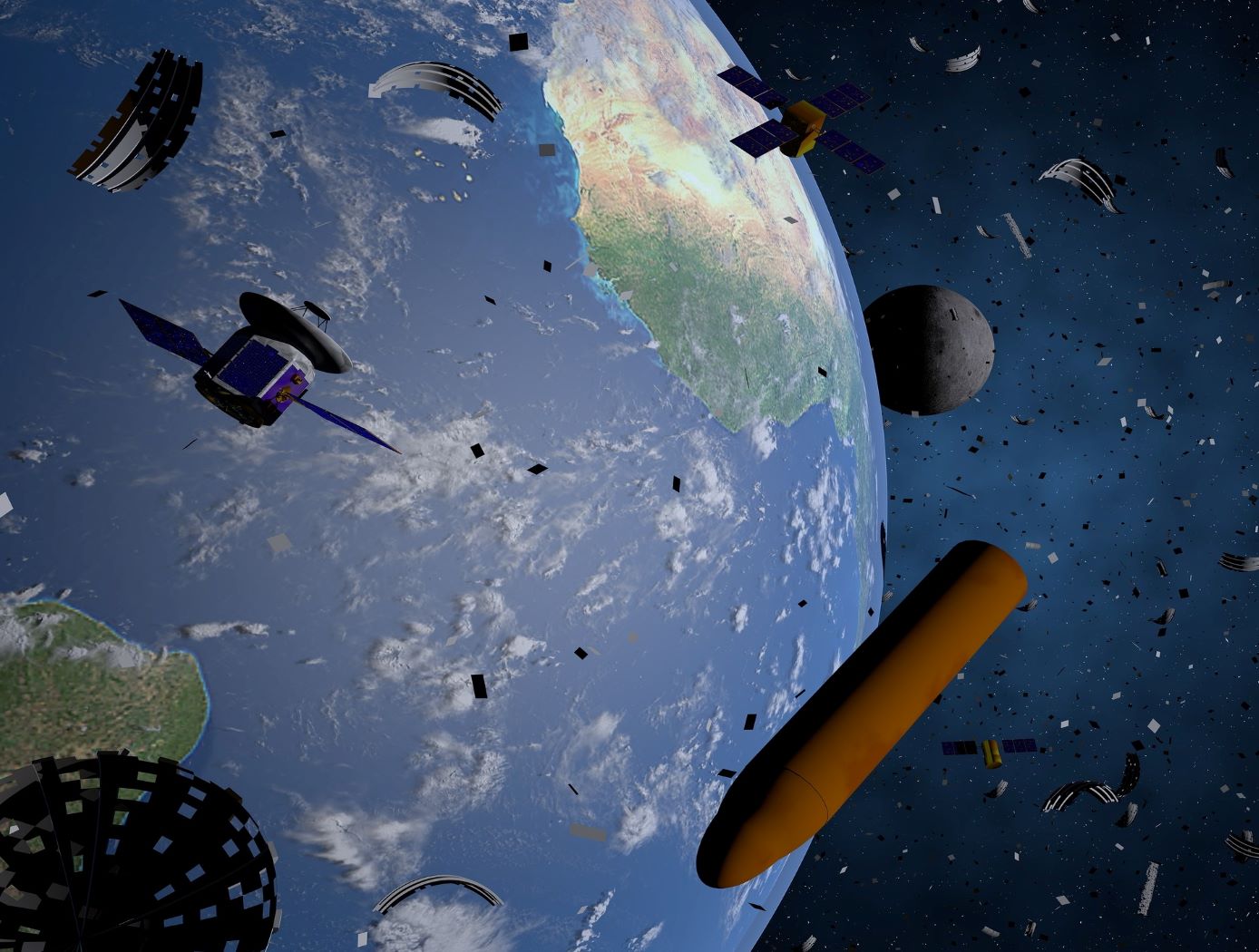
Space is getting busier. Every year, more satellites are launched to support communications, navigation, weather forecasting and Earth observation. The problem is, not everything sent into orbit comes back down.
Thousands of defunct satellites, discarded rocket stages and fragments from past collisions are now travelling around Earth at enormous speeds. Even a small piece of debris can damage an operational spacecraft.
As launch activity increases, so does the risk.
Who is legally responsible for space debris?
The 1967 Outer Space Treaty provides the starting point. It establishes that countries are responsible for their national space activities, whether carried out by government agencies or private companies. Governments therefore retain responsibility for commercial operators operating under their jurisdiction.
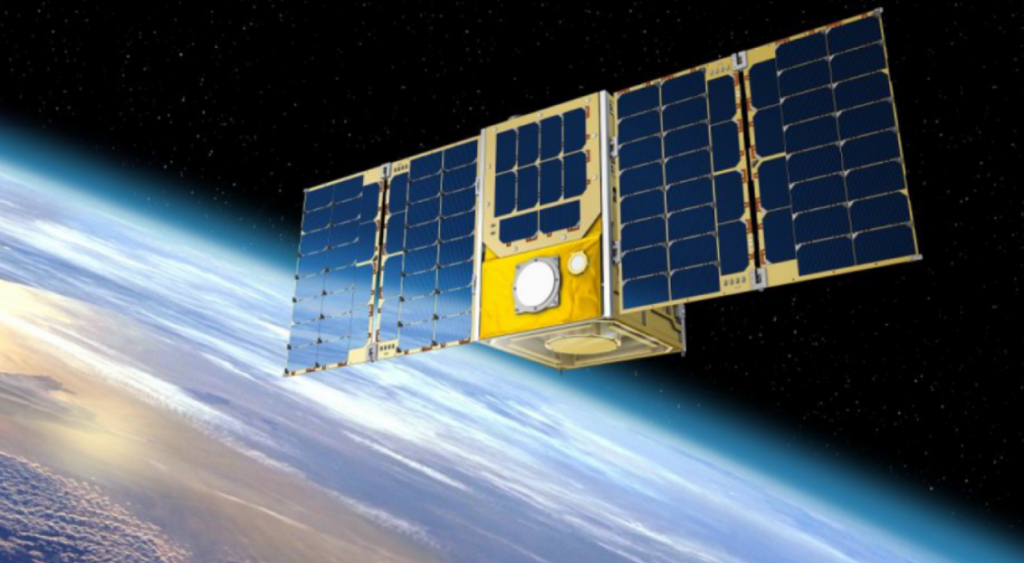
The 1972 Liability Convention also explains who is responsible if a space object causes damage. Countries are held responsible for damage caused on Earth, while damage to other spacecraft in orbit depends on who is at fault.
However, neither treaty says countries must remove old satellites or clear up space debris. While there are rules about who is responsible when damage occurs, there is no clear international system requiring countries or companies to clean up after themselves.
What are the rules around preventing space debris?
For now, preventing additional debris is more practical than trying to remove everything already in orbit.
The United Nations Committee on the Peaceful Uses of Outer Space has developed guidelines encouraging operators to minimise debris, avoid collisions and safely dispose of spacecraft at the end of their missions.
Regulators are also tightening the rules around space debris. NASA recommends that certain spacecraft are removed from orbit within 25 years of completing their missions.
In 2022, the US Federal Communications Commission went further, introducing a five-year limit for certain satellites in low Earth orbit.
With more companies launching large groups of satellites, these rules are becoming more and more important. However, requirements are still very different between countries, making it harder to ensure space debris is managed consistently across the industry.
Can we clean up Earth’s orbit?
Satellites are rarely designed to be collected once they stop working, and approaching an uncontrolled object travelling at orbital speed requires sophisticated technology.
The European Space Agency’s ClearSpace-1 mission, developed with Swiss company ClearSpace, is intended to demonstrate how a dedicated spacecraft can capture and remove debris from orbit.

There are practical and legal obstacles, though. Space objects remain under the jurisdiction and control of their state of registry, meaning permission is generally needed before another country or organisation can remove them. Liability is another concern if a removal attempt damages the object or creates further debris.
Who should pay for cleaning up space?
The financial responsibility remains one of the industry’s biggest unanswered questions. Should governments fund the removal of abandoned satellites, or should operators contribute towards clearing up after their own missions?
A polluter-pays approach would place more responsibility on those creating the debris, potentially encouraging better spacecraft design and end-of-life planning. However, putting such a system into practice would require international agreement on funding, liability and enforcement.
There is also a strong commercial reason to act, with aviation, telecommunications, navigation and weather forecasting all depend on reliable satellite services. Worryingly, a growing debris problem threatens the infrastructure behind them.

Cleaning up space will ultimately require cooperation between governments, regulators, satellite manufacturers and operators. Better disposal planning can limit future waste, while dedicated removal missions could gradually tackle the debris already in orbit.
Space may be vast, but the orbital regions we depend on are not limitless. Although the industry has made significant progress in understanding the problem, the next challenge is agreeing who takes responsibility for solving it.
Sign up for our newsletter and get our latest content in your inbox.


More from


November 14, 20263 min read


