QantasLink’s first E190 arrives in Perth after epic flight from the UK

5 min read
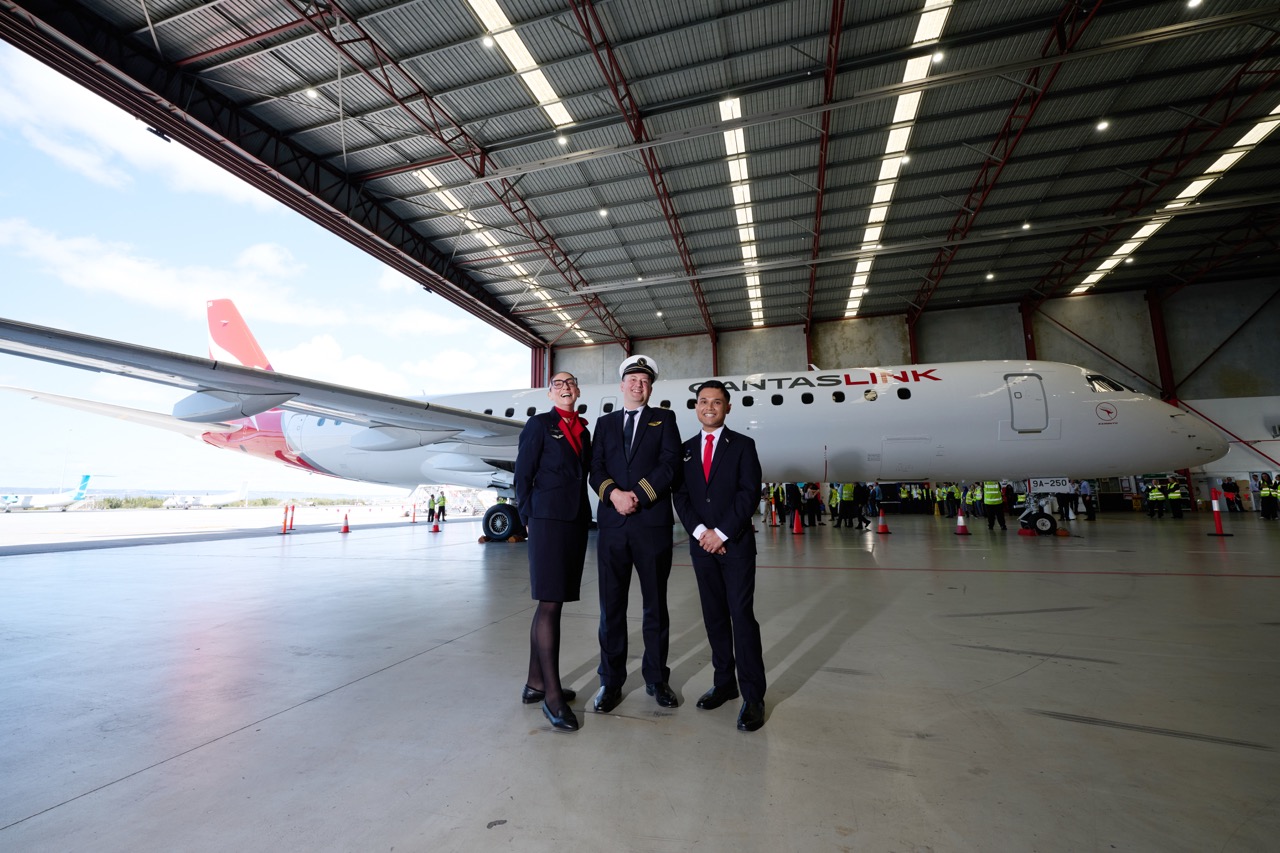
QantasLink has received the first Embraer E190 for its Western Australian fleet after the aircraft completed a 20-hour journey from the UK to Perth.
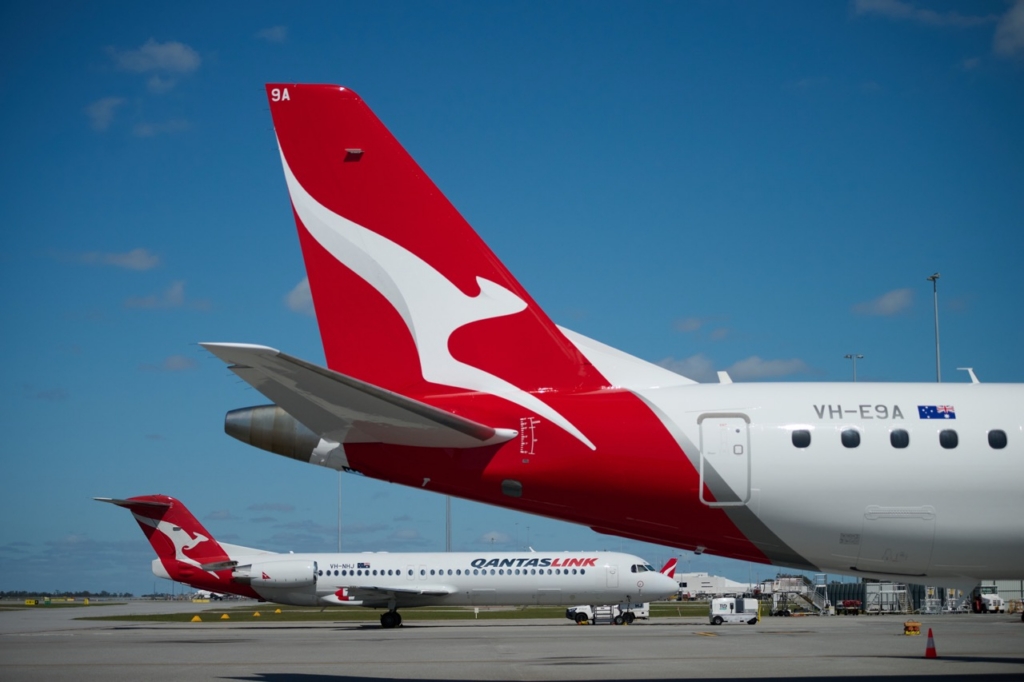
The 100-seat aircraft, registered VH-E9A, touched down in Perth on 7 September following a multi-stop ferry flight from Norwich in eastern England.
It is the first of up to 14 mid-life E190s that will progressively replace QantasLink’s ageing Fokker 100 fleet, which operates regional passenger and resources charter flights across Western Australia.
The first E190 is expected to enter commercial service in January 2027, subject to regulatory approval. In addition to greater range and improved fuel efficiency, the airline is enhancing the passenger experience on this aircraft. The E190 and F100 carry roughly the same number of passengers.
From Norwich to Perth in 20 flying hours
Before beginning work in Western Australia, VH-E9A had to make a long journey from the UK.
According to Qantas, the E190 departed Norwich and flew for around 20 hours to reach Perth, with fuel stops in Bulgaria, Tajikistan, India and Malaysia. It arrived in Australia via Broome and continued south to Perth.
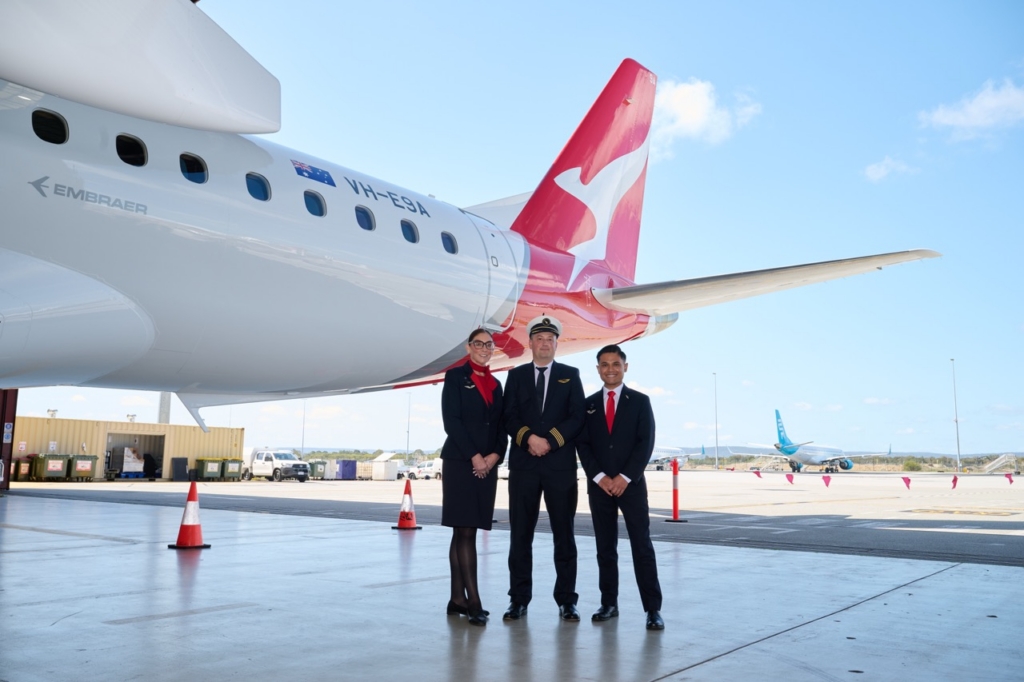
VH-E9A is a mid-life aircraft previously operated by KLM Cityhopper as PH-EZC. The 2009-built E190 was withdrawn from KLM service in February 2026 and stored in Warsaw before being ferried to Norwich in May. Norwich is home to KLM UK Engineering, KLM’s UK maintenance subsidiary, and an established E190 base maintenance centre. The aircraft was prepared and repainted there ahead of its delivery to Australia.
QantasLink will name the aircraft Exmouth, continuing Network Aviation’s tradition of naming aircraft after Western Australian destinations.
How does the E190 compare with the Fokker 100?
The E190 is comparable to the F100 in size and passenger capacity, making it a logical replacement for the Dutch-built aircraft.
The E190 measures 36.2 metres long with a 28.7-metre wingspan, compared with 35.53 metres and 28.08 metres respectively for the F100. Both have 100 seats in QantasLink’s Western Australian configuration.
However, the passenger experience will be noticeably different.
QantasLink’s F100s have 100 economy seats arranged 2-3 across. The airline lists seat pitch at 31” and seat width at 17”. There is no in-seat power or in-flight connectivity on this aircraft.
The E190 uses a 2-2 configuration, eliminating middle seats. In its fact sheet on the aircraft, Qantas says the average economy pitch is 31” with a 3” recline, though the airline does not list seat width. The aircraft will also introduce Qantas Economy Plus, which offers additional legroom with a 34” pitch, priority boarding and priority access to overhead baggage space.
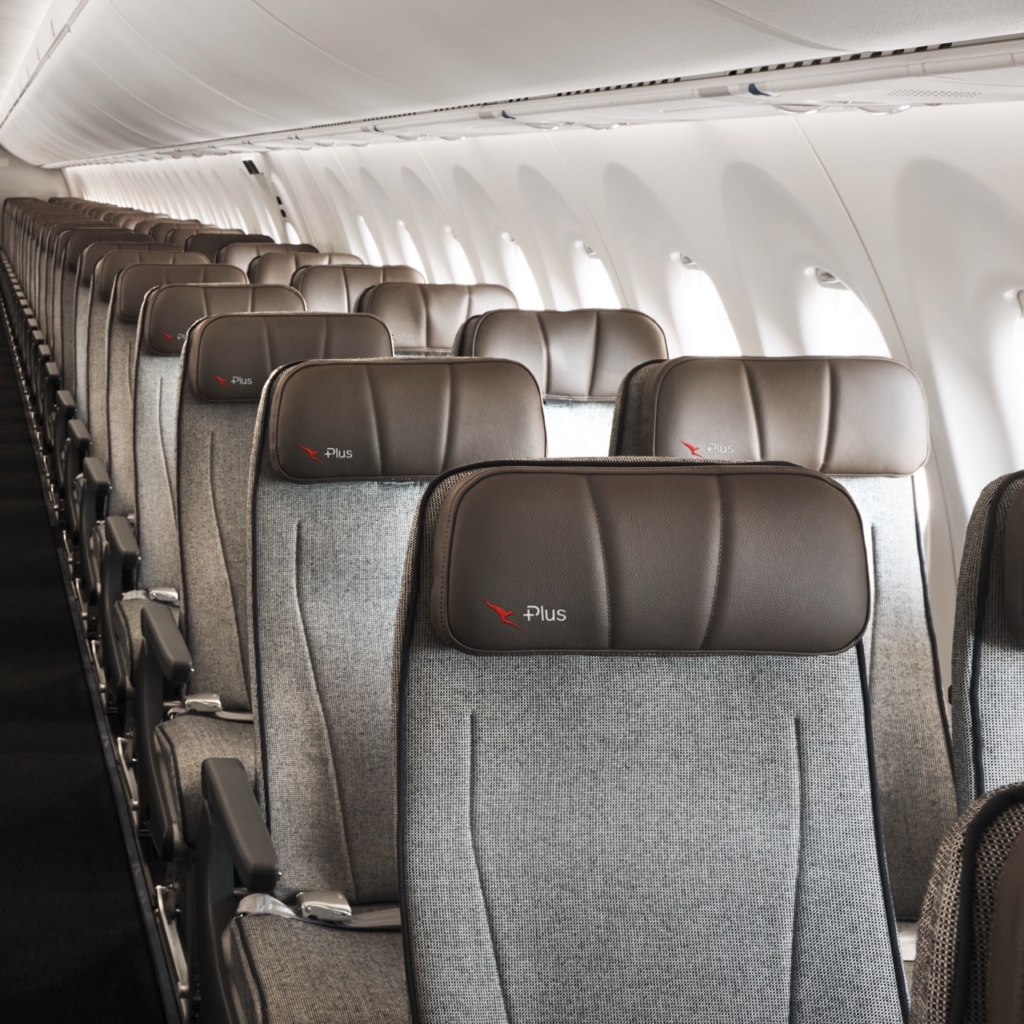
Before entering service, the newly acquired aircraft will be outfitted with new seats featuring:
- adjustable headrests
- USB-A and USB-C charging
- personal device holders
The airline will also offer onboard WiFi, allowing passengers to stream entertainment through the Qantas Entertainment App.
E190 can fly around 1,400km further
Trevor Worgan, QantasLink Chief Operating Officer and Regional General Manager, Network Aviation Australia, highlighted the benefits of the new aircraft in the airline’s announcement as a “quieter, more fuel-efficient aircraft [that] can fly further than the F100.”
He also said the E190 would be “opening up new opportunities for our customers.” Qantas has not yet announced new routes, but the aircraft’s additional range could give Network Aviation greater flexibility over the long distances involved in Western Australian operations.
Qantas lists the E190’s range with full payload at 4,537km (2,450 nautical miles), compared with 3,170km (1,710 nautical miles) for the F100. That gives the Embraer around 1,367km of additional published full-payload range.
Two GE CF34-10E turbofan engines power the E190, while the F100 uses two Rolls-Royce Tay 650-15 engines.
Fokker 100 has served WA for nearly two decades
The transition also begins the eventual departure of an aircraft type closely associated with regional aviation in Western Australia.
Network Aviation’s first F100 entered its fleet in 2008, three years before the operator became part of QantasLink. The aircraft currently operate around 120 charter and passenger flights each week to more than 25 destinations across regional Western Australia.
Existing destinations include Broome, Exmouth, Geraldton, Kalgoorlie, Karratha, Newman, Paraburdoo and Port Hedland.
“For almost 20 years, the F100 has played a vital role connecting regional Western Australia and supporting the resources sector, and now we’re investing in the next generation of aircraft to serve our customers and communities for decades to come,” Worgan said.
Qantas expects more than three million passenger journeys each year to benefit from the E190’s upgraded experience eventually.
QantasLink already flies E190s through Alliance Airlines operations
The E190 is not entirely new to QantasLink. The airline has used the type extensively since 2021 under an operational agreement with Alliance Airlines, which operates Qantas services.
The Western Australian aircraft represent the start of a different arrangement. VH-E9A and the other newly acquired E190s will be operated by Network Aviation, Qantas Group’s Perth-based subsidiary, making this the first E190 fleet to be operated directly within QantasLink’s Western Australian operation.
Around 70 pilots, cabin crew and engineers are scheduled to receive a combined 18,000 hours of training by the end of 2026 to support the initial fleet. Qantas says more than 600 employees could ultimately be trained as the E190 operation reaches full scale.
The E190 investment forms part of a wider overhaul of QantasLink’s Western Australian operation. Nineteen Perth-based A320s are also receiving WiFi and cabin and seat upgrades, with the first refurbished aircraft due to be completed by the end of October.
For passengers, however, the biggest difference may be simpler: after nearly two decades of Fokker 100 operations, regional QantasLink flights in Western Australia are moving towards aircraft with no middle seats, onboard connectivity, charging and a longer flying range enabling new routes.