The pilot paradox: Why newly qualified pilots are finding it harder to find jobs

5 min read

The aviation industry is currently facing a striking contradiction. On one hand, the long-term outlook for employment remains exceptionally strong, with airlines expected to need thousands of new pilots as global fleets expand and experienced professionals retire.
On the other, aspiring pilots are discovering that completing their training, earning the necessary licences and building flight hours no longer guarantees a seat in the cockpit
The post-pandemic hiring boom has faded, and airlines are becoming more selective about who they recruit. For many newly qualified pilots, this has created a difficult gap between being technically eligible for a job and being competitive enough to secure one.
The aviation industry has a growing requirement for qualified pilots
The long-term demand for qualified pilots is difficult to overstate. Boeing forecasts that the global aviation industry will require millions of new aviation professionals over the next two decades to support fleet growth and replace workers leaving the industry. Pilots are a particularly important part of this requirement.
The global aviation training organisation CAE has estimated that around 300,000 new pilots will be needed globally by 2034. The figure reflects both the expansion of commercial aviation and the steady retirement of existing pilots.
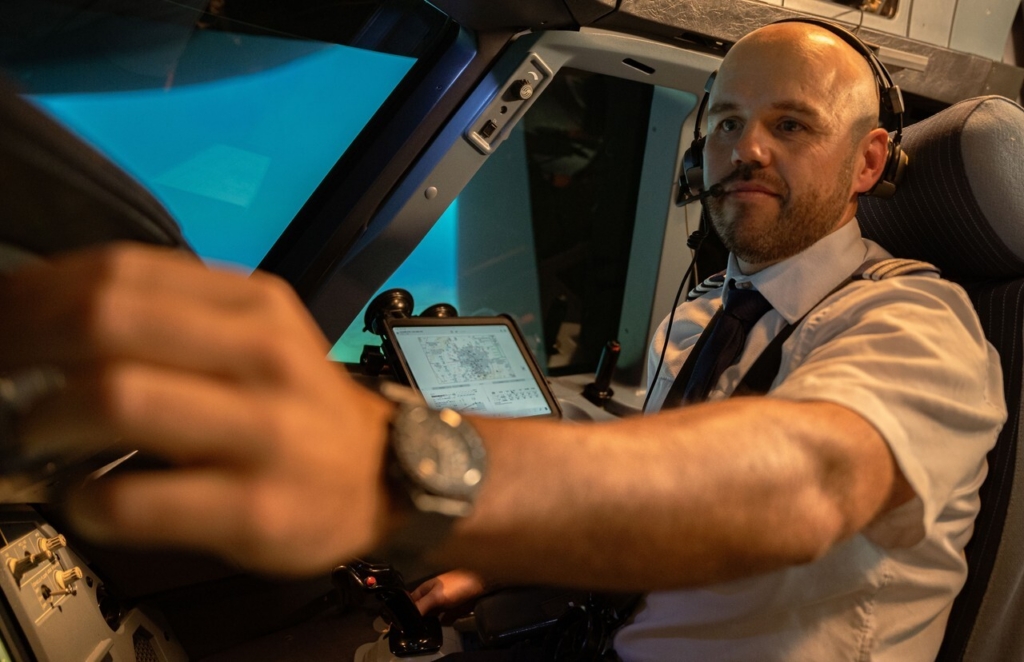
As air travel continues to develop across emerging and established markets, airlines will need a reliable pipeline of talent to keep aircraft flying.
On paper, this should be excellent news for anyone considering a career as a commercial pilot. Yet the immediate employment market tells a more complicated story.
From pilot shortages to employer selectivity
The pandemic dramatically disrupted aviation recruitment. When airlines began rebuilding their networks, demand for pilots surged, creating what appeared to be a golden opportunity for newly qualified aviators.
Recruitment accelerated, airlines competed for talent, and some experienced pilots received multiple offers of employment. However, the tone of that recruitment has now shifted.
As airlines have restored their schedules and recruitment has become more closely aligned with actual operational requirements, hiring has slowed from the extraordinary levels seen during the post-pandemic recovery.
Employers can afford to be more selective, particularly when large numbers of applicants are competing for relatively limited entry-level positions.

This does not mean the aviation industry has stopped needing pilots. Rather, it highlights an important distinction between long-term workforce demand and short-term recruitment demand.
The industry may face a significant shortage of pilots over the next decade while individual airlines simultaneously have more applicants than immediate vacancies.
Newly qualified pilots face an ‘experience barrier’
For aspiring pilots, one of the biggest challenges is experience. Flight training is expensive and demanding, and many pilots invest substantial amounts of money to obtain commercial licences and accumulate the hours required to become employable.
Yet meeting the minimum regulatory requirements does not necessarily mean meeting an airline’s recruitment expectations and guaranteeing a job.

When competition increases, airlines can raise the bar. Employers may favour candidates with more flight hours, additional qualifications, experience on particular aircraft types or stronger operational backgrounds.
As a result, pilots who were previously considered competitive may find themselves pushed further down the recruitment list.
This creates a frustrating situation, in that a pilot can be fully qualified, professionally trained, and legally entitled to fly commercially, but still lack the experience that an airline considers desirable to bag themselves a job in the right-hand seat.
This can result in a waiting game for many pilots
The consequences of this scenario can be significant for pilots who have already invested heavily in their careers.
Every additional month spent searching for employment can create financial pressure. Pilots may need to continue paying for living costs, licence renewals, additional training or flight hours while receiving no professional income from flying.
There is also a practical challenge. Flight experience is precisely what many employers want, but gaining meaningful commercial experience can be difficult without first securing a job. This creates a classic ‘catch-22’ situation – pilots need experience to get hired but need to be hired to obtain the experience.
Some respond by taking lower-paid aviation roles, working as flight instructors or pursuing additional qualifications. These routes can help build experience and strengthen a CV, but they can also extend the time and financial investment required before reaching an airline cockpit.
What the future holds for aspiring pilots
Despite today’s tougher recruitment environment, the long-term outlook remains encouraging, and the industry’s fundamental demographics have not disappeared.
Experienced pilots will continue to retire, fleets will continue to evolve, and passenger demand is expected to support further aviation growth. Airlines therefore cannot rely indefinitely on the current pool of experienced professionals.
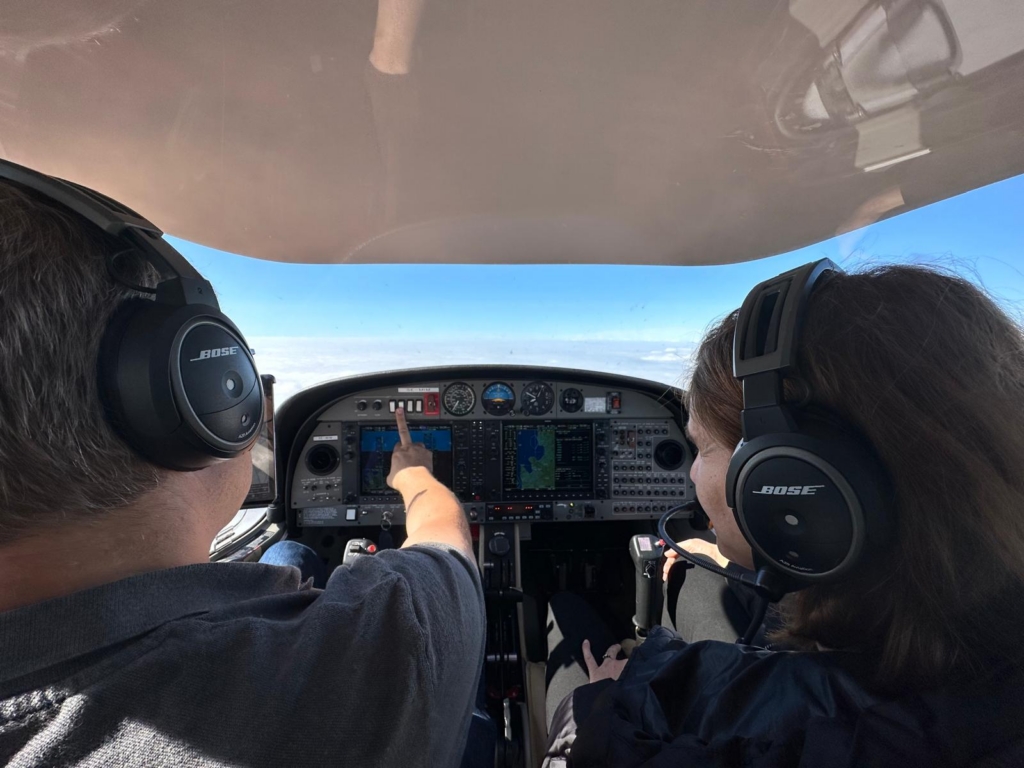
The challenge is one of timing. A pilot entering training today needs to consider not simply whether airlines will need pilots eventually, but when that demand is likely to translate into actual vacancies and what qualifications employers will expect at that point.
This makes career planning more important than ever. Prospective pilots should look beyond headline forecasts and examine airline recruitment patterns, regional opportunities, training costs and the experience requirements attached to entry-level positions.
Demand and a licence do not necessarily equate to job offers
The current pilot employment market offers an important lesson for anyone considering an aviation career: a projected shortage does not guarantee an immediate job.
The long-term need for pilots is real, yet the route into the profession may be more competitive and financially demanding than industry-wide forecasts suggest.
Candidates who understand this reality can make better-informed decisions about training, experience-building and career timing.

For the aviation sector, meanwhile, the challenge will be ensuring that today’s highly trained but under-employed pilots can progress into the workforce before the next major wave of retirements creates an even greater shortage.
The aviation industry may need hundreds of thousands of new pilots in the years ahead. The question is no longer simply whether those pilots will be needed, but whether the industry can build an effective bridge between today’s qualified candidates and tomorrow’s cockpit demand.