Did Pakistan hide Iranian aircraft? What we know so far

5 min read
Reports that Pakistan may have temporarily hosted surviving Iranian military aircraft after the March 2026 US-Israeli strikes are drawing growing attention, although key details remain disputed and independently unverified.
Claims first reported by CBS News suggest Iranian aircraft were allowed to remain at Pakistan’s Nur Khan Airbase following the ceasefire, potentially shielding them from further attack.
Pakistan has denied any suggestion that it covertly “hid” Iranian aircraft, while acknowledging that some Iranian aircraft and personnel remained in the country temporarily during diplomatic talks.
Here is what is currently known, what remains unclear, and why the reports matter.
What evidence exists that Iranian military aircraft reached Pakistan?
CBS News, citing unnamed US officials, reported that Pakistan “quietly allowed Iranian military aircraft to park on its airfields” following the ceasefire that ended the March 2026 conflict between Iran, Israel and the United States.
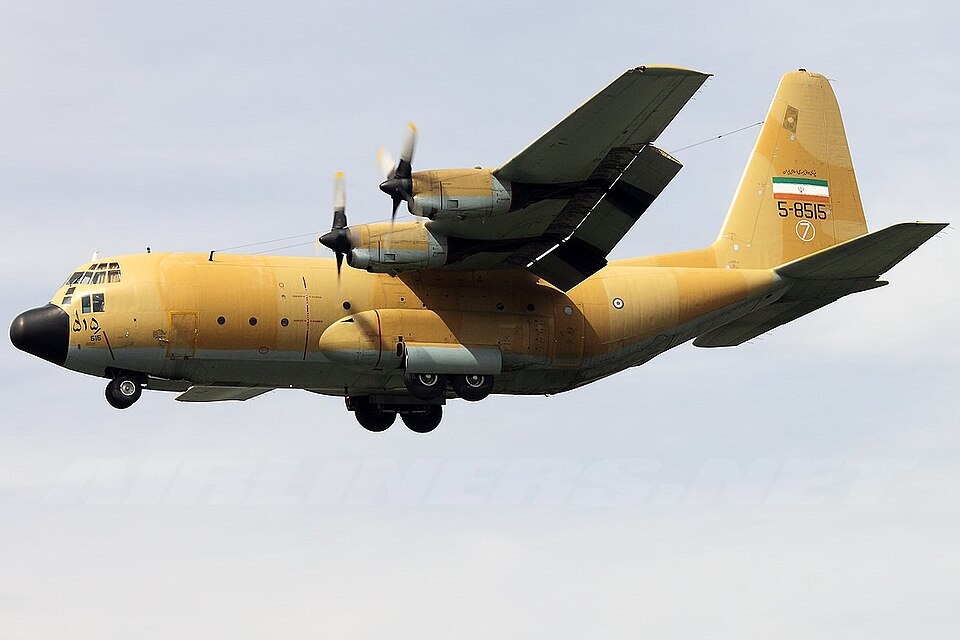
The report specifically mentioned Pakistan Air Force Base Nur Khan near Islamabad and claimed that at least one Iranian Air Force RC-130 intelligence aircraft was among the aircraft present.
Importantly, CBS said the aircraft arrived after the ceasefire had already been declared in early April, suggesting the aircraft survived the initial US and Israeli strike campaign inside Iran.
Pakistan later responded with a statement rejecting the broader interpretation of the report.
“Pakistan categorically rejects the CBS News report regarding the presence of Iranian aircraft at Nur Khan Airbase as misleading and sensationalised,” the government said.
🔊PR No.1️⃣1️⃣6️⃣/2️⃣0️⃣2️⃣6️⃣
— Ministry of Foreign Affairs – Pakistan (@ForeignOfficePk) May 12, 2026
Official Response to CBS Report on Iranian Aircraft in Pakistan
🔗⬇️ pic.twitter.com/ZqJw28nNaK
However, Islamabad did not deny that Iranian aircraft had been present at the base. Instead, Pakistan stated that “some aircraft and support personnel remained temporarily in Pakistan in anticipation of subsequent rounds of engagement” linked to diplomatic talks between Iran and the United States.
Nur Khan Airbase, located near Islamabad, is one of Pakistan’s most strategically important military airfields and frequently supports transport, diplomatic and VIP operations.
Exclusive: Beyond the CBS report on Pak shielding Iran's military aircraft, the first high-res satellite image showing an Iranian C-130 at Nur Khan base. It has a typical desert camouflage. Pak's own C-130s, also seen here are grey.📸:@vantortech
— Vishnu Som (@VishnuNDTV) May 12, 2026
https://t.co/CHgWpO38Xi
Separately, Indian broadcaster NDTV published satellite imagery it said showed an Iranian C-130 aircraft parked at Nur Khan. The aircraft visible in the imagery appears to wear a desert camouflage scheme different from Pakistan’s grey-painted C-130 fleet.
However, the imagery alone does not conclusively prove the aircraft belonged to the Iranian Air Force, as similar paint schemes are used by several operators in the region.
What remains unconfirmed about Iranian aircraft in Pakistan?
Despite the growing attention around the reports, several major questions remain unanswered.
There is currently no independent confirmation of how many Iranian aircraft may have entered Pakistan, whether any combat aircraft were involved, or whether the aircraft were operational military assets rather than transport or diplomatic support aircraft.
It also remains unclear whether the aircraft were moved during active hostilities or only after the ceasefire took effect.
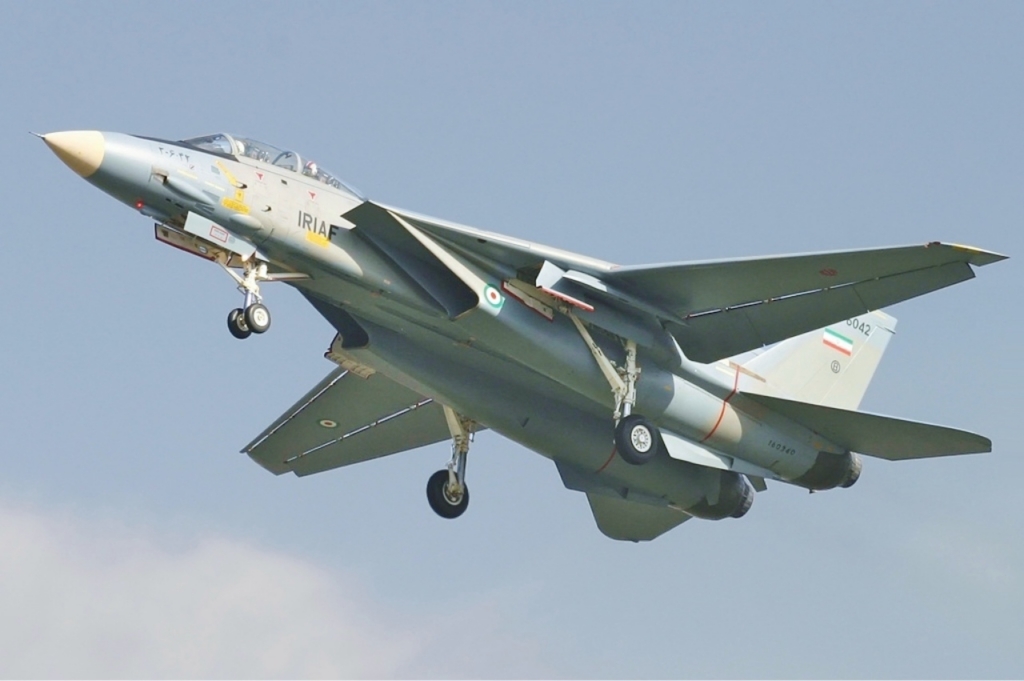
Most importantly, there is no public evidence showing Pakistan actively concealed Iranian aircraft from US or Israeli surveillance or attack. Pakistan’s official position is that any Iranian aircraft present were connected to ceasefire diplomacy and subsequent talks.
The exact status of Iran’s surviving air force also remains uncertain following the March campaign.
US and Israeli strikes targeted multiple Iranian airbases and aviation facilities during Operation Epic Fury and Operation Roaring Lion. Footage released by CENTCOM showed attacks against aircraft on the ground, including C-130 Hercules transports, P-3F Orion maritime patrol aircraft and Il-76 transports.
However, analysts have increasingly questioned early assumptions that the Iranian Air Force had been comprehensively destroyed. AGN previously reported assessments suggesting significant portions of Iran’s military aviation fleet may have survived the strikes.
Why Iranian aircraft in Pakistan would be significant
The reports have drawn particular attention because they echo a historic precedent from the 1991 Gulf War.
During Operation Desert Storm, Iraqi aircraft fled to neighbouring Iran in an attempt to avoid destruction by coalition air forces. Many of those aircraft were later impounded by Tehran and absorbed into Iranian service.

If the current reports are accurate, it would represent another example of a regional air force dispersing aircraft to neighbouring states during a major air campaign.
The allegations also highlight the growing importance of aircraft survivability and dispersal strategies in modern warfare, particularly as long-range precision strike capabilities continue to expand.
Military planners increasingly expect aircraft to relocate rapidly between bases or even across borders during conflicts to complicate targeting efforts and preserve operational capability.
Iranian civilian aircraft were also stranded abroad, including in Pakistan
Separate reports have suggested some Iranian civilian aircraft were also stranded or temporarily relocated outside Iran during the conflict period.
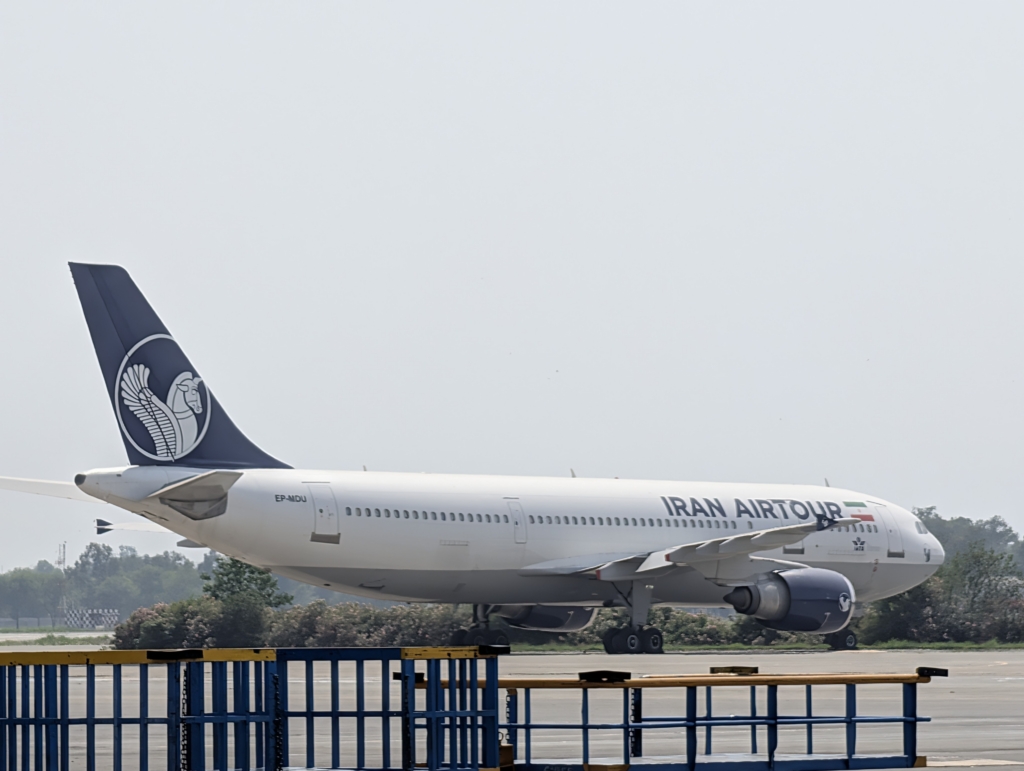
In April 2026, this author observed an Iran Airtour Airbus A300 parked at Lahore International Airport in Pakistan. FlightRadar24 data indicates the aircraft had regularly operated flights involving Lahore until the conflict began in late February, before resuming operations in late April.
Other reports suggested at least one Mahan Air aircraft remained outside Iran during the fighting.
However, these cases may reflect operational disruption, airspace closures and commercial safety concerns rather than any organised military dispersal effort.
Whether Pakistan actively sheltered Iranian aircraft or simply hosted temporary diplomatic traffic, the reports underline growing questions around how Iran preserved parts of its air force during the March 2026 strikes.
They also demonstrate how neighbouring states could play a role in future aircraft dispersal strategies should regional conflict erupt again.
Featured Image: Khashayar Talebzadeh / Wikimedia