A drone enters NATO airspace. What happens next?

8 min read
At 4.44 local time on Sunday 16 August, something unexpected appeared on Romania’s air-surveillance system.
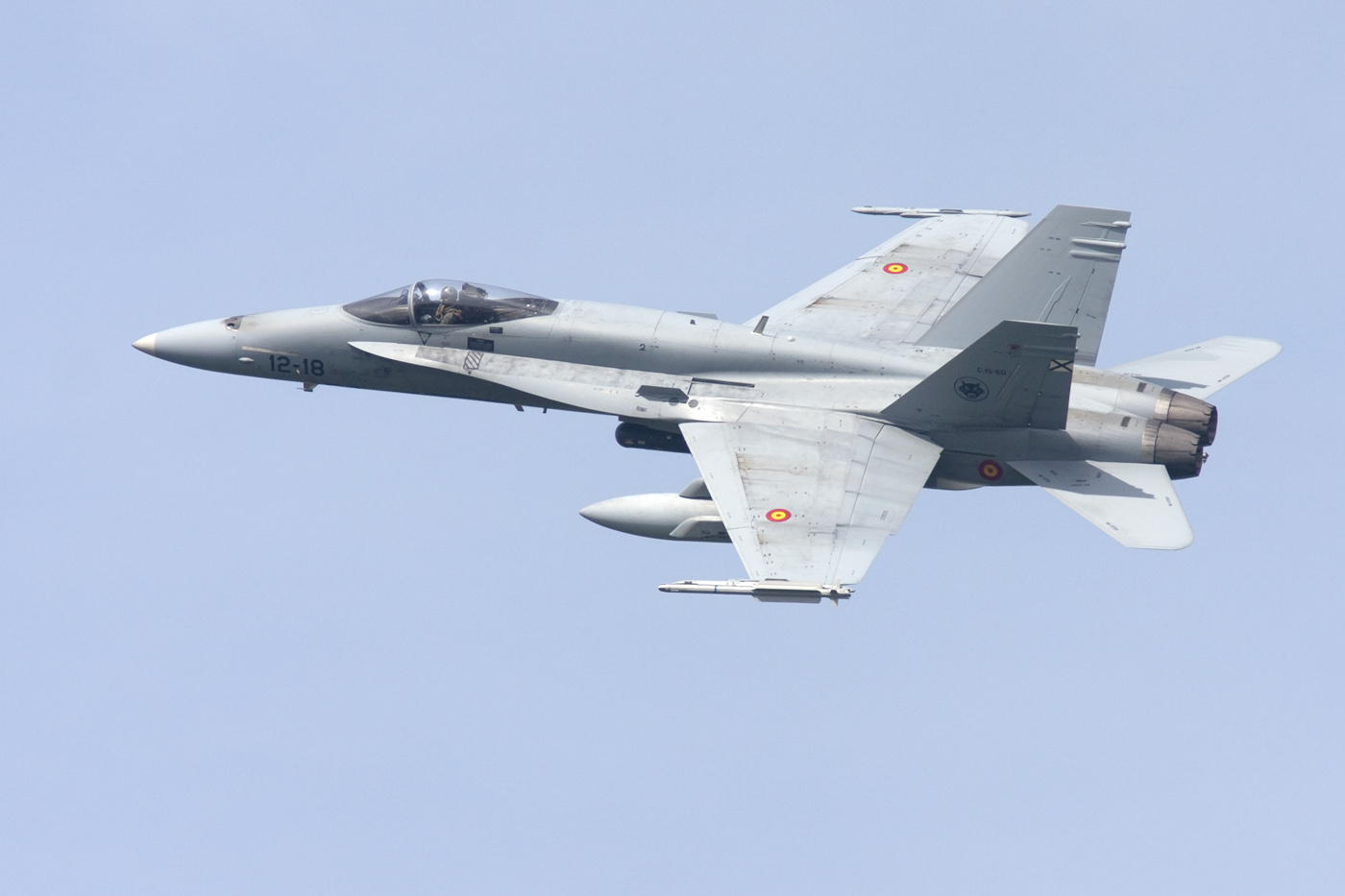
An unidentified aircraft had crossed into Romanian airspace from neighbouring Moldova, about 24km north of Galați. A pair of Spanish F/A-18 fighters was already flying NATO air-policing duties in the country. One of them picked up the intruder on its own radar.
But the pilot could not simply shoot.
Instead, the fighter had to receive authorisation to engage. It did, and at 5.01 local time the F/A-18 destroyed the drone, with wreckage believed to have fallen in an uninhabited area between two villages.
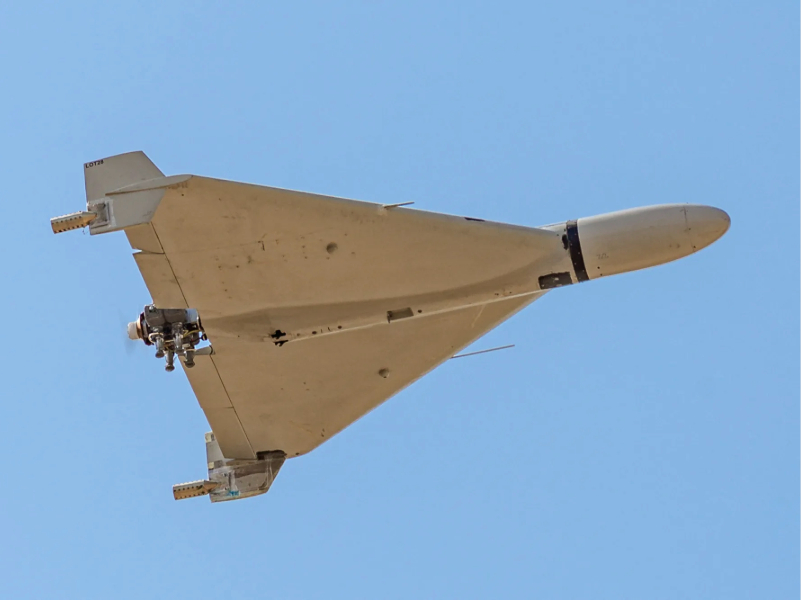
Romania did not immediately identify the aircraft’s origin. NATO spokesman Colonel Martin O’Donnell subsequently said the drone “appears to be Russian”.
Behind those 17 minutes between detection and destruction lies a much larger air-defence system.
A drone crossing NATO’s border does not automatically trigger a missile launch. It sets in motion a chain involving radars, identification, command and control, air-traffic information, national authorities and, when required, fighter crews waiting or already airborne.
The incident on 16 August provides a rare glimpse of how that chain works.
How NATO detects drones entering Alliance airspace
The fighter pilot is near the end of the process, not the beginning.
NATO airspace is watched through a network of national and Alliance sensors connected through the NATO Integrated Air and Missile Defence System, or NATINAMDS.
Its purpose is to create and maintain an air picture from information supplied by radars and other sensors. NATO describes NATINAMDS as a network bringing together sensors, command-and-control assets and weapons systems under the authority of Supreme Allied Commander Europe.
The surveillance layer is broader than fixed ground radar.
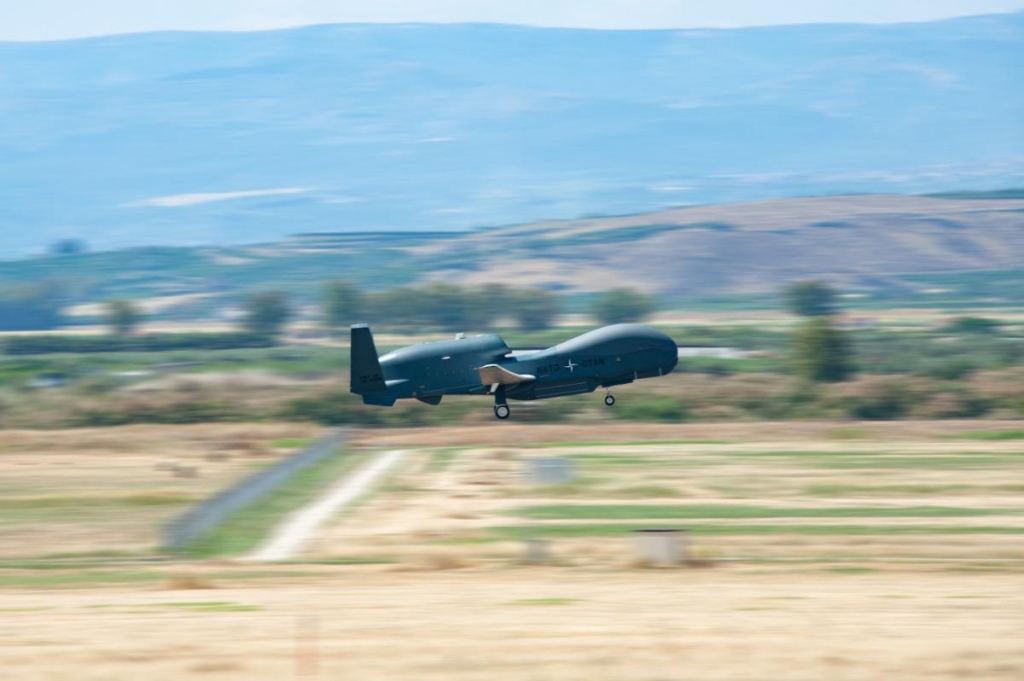
Airborne assets can extend the picture. NATO operates E-3A AWACS aircraft, while its RQ-4D Phoenix remotely piloted aircraft provide intelligence, surveillance and reconnaissance. This summer, NATO RQ-4Ds operated from Norway and Finland in support of Eastern Sentry, the activity created to strengthen surveillance and readiness along the Alliance’s eastern flank.
But detecting something is only the beginning.
Airspace over Europe is crowded. Controllers need to determine whether a radar return corresponds with legitimate civilian or military traffic and establish what an unidentified object is doing.
Drones make that job particularly awkward. They can be small, fly low and lack the cooperative identification that makes a conventional aircraft easier to recognise.
Sunday’s intruder was initially detected by Romania’s surveillance system as it entered from Moldova. The Spanish F/A-18 subsequently established its own radar contact with the target.
Two separate pieces of the chain had therefore come together: the ground system had found the intruder, and the fighter had acquired it.
How NATO Air Policing and Quick Reaction Alert (QRA) work
NATO keeps fighters available around Europe under its Air Policing system.
These aircraft sit at Quick Reaction Alert, or QRA, bases with crews and support personnel prepared to respond to unidentified or suspicious aircraft. The fighters may belong to the country whose airspace they protect, but they do not have to.
That explains why it was a Spanish F/A-18 dealing with Sunday’s incursion over Romania.
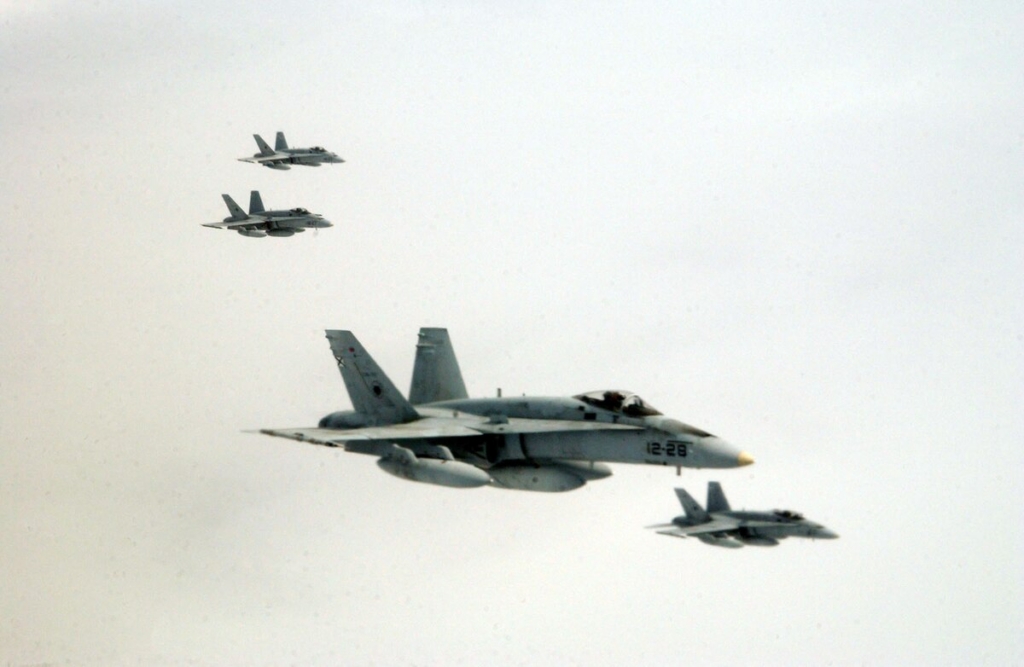
Spain has aircraft deployed there as part of NATO’s collective air-defence arrangements. The idea is straightforward: protecting Alliance airspace is a shared task, so an Italian, Spanish, French or other Allied fighter can find itself defending the skies of another NATO member.
In July, the Royal Air Force personnel from 121 Expeditionary Air Wing formally handed over responsibility for NATO’s enhanced Air Policing mission in Romania to the Spanish Air and Space Force at 86th Air Base Borcea.
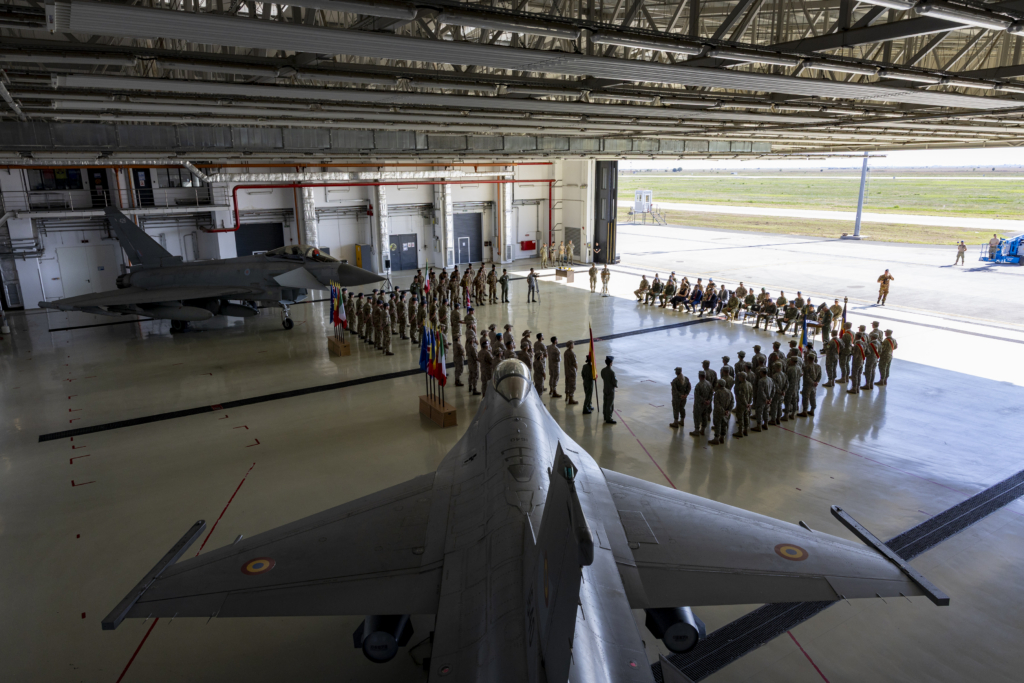
At the operational level, NATO’s air-policing command structure connects national Control and Reporting Centres with the Alliance’s air operations system. Combined Air Operations Centres oversee air operations across their respective regions.
Once an unidentified track requires investigation, fighters can be scrambled from the ground or an aircraft already airborne can be redirected towards it.
That part can happen remarkably quickly.
The difficulty is getting the fighter onto something that may be small, low and moving against ground clutter. Controllers use the developing air picture to help bring the aircraft towards the target. The fighter then has its own radar and other sensors to search for and acquire it.
Sunday’s interception shows that finding the drone is not the same as deciding to destroy it.
Who authorises a NATO fighter to shoot down a drone?
This is perhaps the most misunderstood part of an interception.
There is no simple NATO rule under which an unidentified drone crosses a line on the map and a fighter immediately fires a missile.
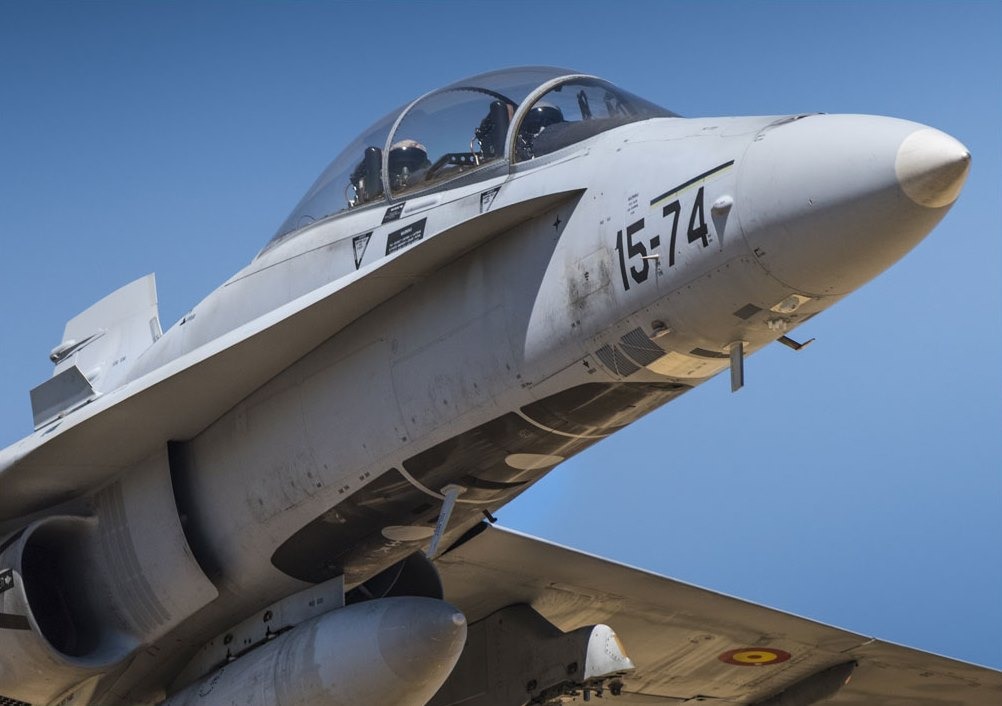
Identification and interception come first. The response then depends on the circumstances, including the object’s behaviour, location and assessed threat, as well as the applicable authorities and rules of engagement.
In Romania, the sequence was unusually clear. The F/A-18 established radar contact. It then “received permission to engage”, according to Romania’s defence ministry. Only after that authorisation was given did the fighter destroy the drone.
Where the engagement takes place matters too.
A drone destroyed in the air does not disappear. An interceptor, pieces of the target and potentially unexploded material have to come down somewhere.
Romania said Sunday’s wreckage appeared to have landed in an uninhabited area. That is not an incidental detail. The risk to people and property below is part of the problem commanders face when deciding how and where to deal with an intruding aircraft.
Romanian authorities have not publicly identified the weapon used by the Spanish F/A-18.
Why Romania is seeing more drone incursions
Sunday was not an isolated episode.
It was the fourth drone shot down over Romania this year, according to the Romanian defence ministry. Three Russian drones had already been destroyed by Romanian F-16s in July following repeated incursions since the full-scale war in Ukraine began.
And Romania was not alone last week.
Two days before the Romanian interception, NATO aircraft were sent after another drone that entered Latvian airspace. Italian Eurofighters operating from Lithuania and Turkish F-16s based in Estonia were dispatched, and an Italian fighter destroyed the aircraft. Latvian authorities said its origin had not initially been established.
The two incidents illustrate how NATO’s air-policing system increasingly has to contend with unmanned aircraft as well as the conventional military aircraft for which much of the system was originally designed.
That presents a peculiar problem. A modern fighter is extraordinarily capable. It is also an expensive way of destroying a relatively cheap drone.
Why NATO needs alternatives to fighter jets for drone threats
The economics become difficult very quickly.
Launching two fighters, supporting them with radar and command-and-control infrastructure and potentially firing an air-to-air missile costing hundreds of thousands of dollars is a poor exchange against an inexpensive unmanned aircraft.
NATO knows it.
O’Donnell, according to Reuters, said after the latest incidents that NATO, Romania and other Allies are acquiring ground-based interceptors to strengthen their air defences.
The Alliance is simultaneously experimenting with a much broader counter-drone toolkit.
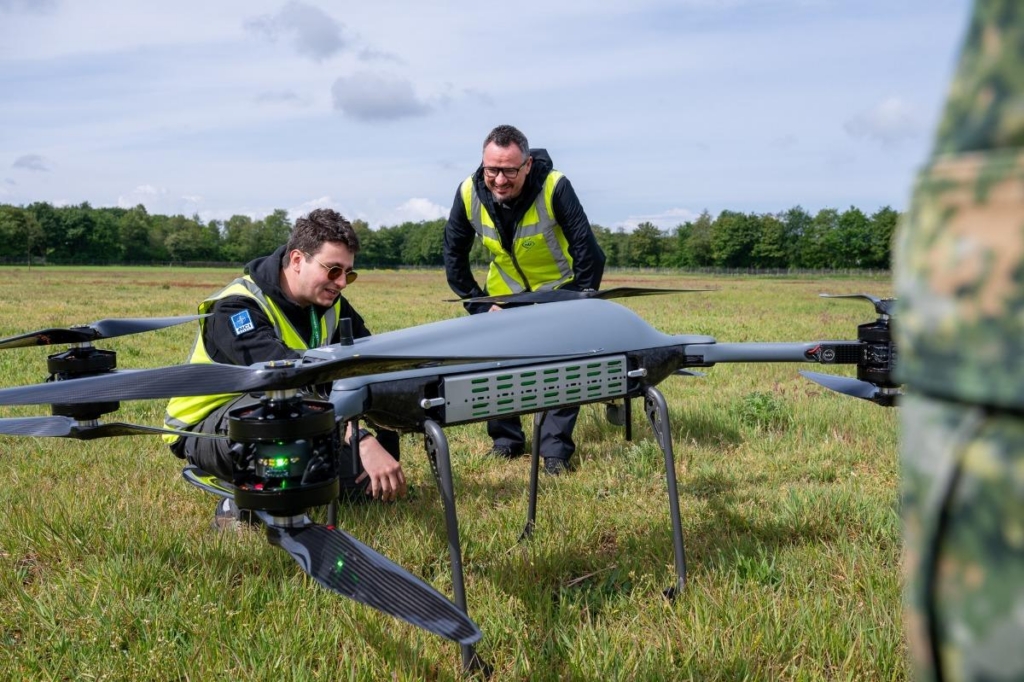
During NATO’s TIE26 exercise in the Netherlands this year, about 300 participants tested more than 60 counter-UAS technologies and 40 command-and-control applications. The equipment ranged from radar and radio-frequency detectors to electronic-warfare systems and interceptor drones.
“The drones are basically a new form of air power, a very affordable, cheap sort of airpower,” NATO Communications and Information Agency official Gerald Poppinga said during the trials.
His description of the countermeasure is equally revealing. On one side are sensors such as radar and radio-frequency detectors. On the other are effectors, ranging from jammers to interceptor drones. Between them sits the command-and-control system that helps operators decide what to do.
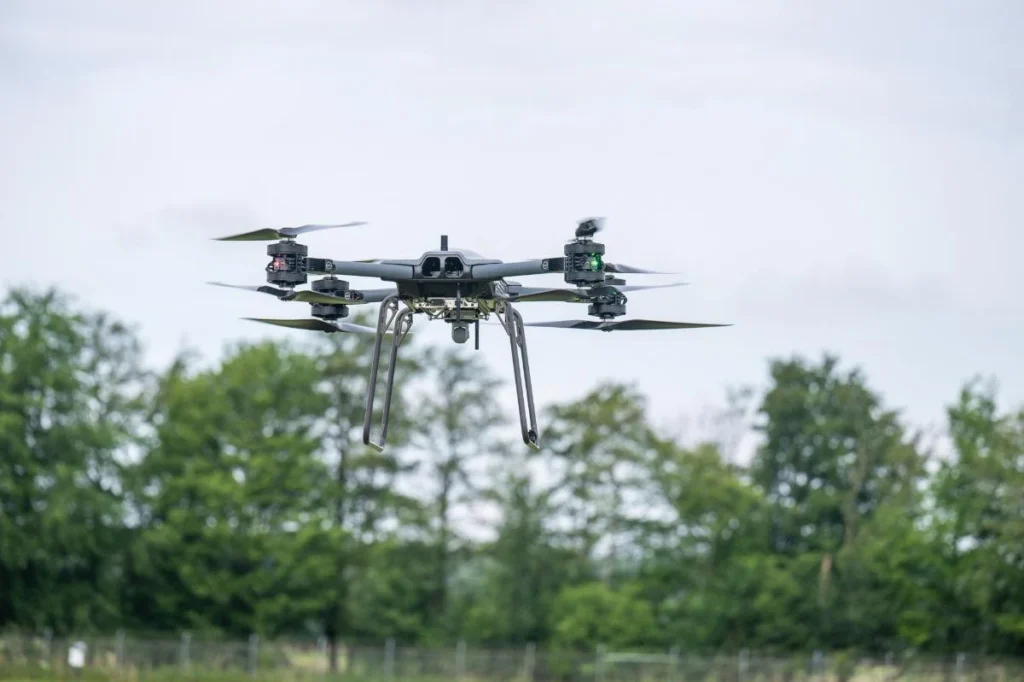
NATO’s procurement arm took another step in July, establishing five framework contracts for tactical counter-UAS systems. The packages combine radar, electro-optical and infrared cameras, acoustic and radio-frequency sensors with electronic warfare and, potentially, hard-kill interceptors.
The direction is clear: an F/A-18 or F-16 may remain essential when an unidentified aircraft has to be reached quickly over a large area, but NATO does not want a fighter and an expensive missile to be the default answer to every drone.
Deputy Secretary General Radmila Shekerinska put the requirement plainly at NATO’s July summit. The Alliance needs more “interceptors, sensors, command and control capabilities”, including defences against threats at lower altitude.
How NATO’s air-defence chain works – from detection to interception
That brings the August encounter back into perspective.
At 4.44 in the morning, the drone appeared on Romania’s surveillance system. Seventeen minutes later it was gone.
Between those two moments, the target had been detected and tracked. Its movement had been assessed. A Spanish fighter operating far from home had been brought onto it. The F/A-18 acquired the target with its radar. Permission to use force was obtained. The engagement was carried out where the debris was assessed to pose less danger on the ground.
The fighter firing the weapon is the part people see.
The machinery behind it is largely invisible: radar operators watching screens, controllers maintaining the air picture, commanders assessing the track and personnel linking sensors to the aircraft that can do something about it.
As drones become more numerous, faster and cheaper, NATO is now trying to shorten that chain while giving commanders more ways to finish it.
Sometimes the answer will still be a fighter. At 5.01 over eastern Romania on Sunday morning, it was a Spanish F/A-18.
Sign up for our newsletter and get our latest content in your inbox.


More from


October 17, 20264 min read