First look: New Lockheed Martin Vectis video reveals stealthy CCA in greater detail

3 min read
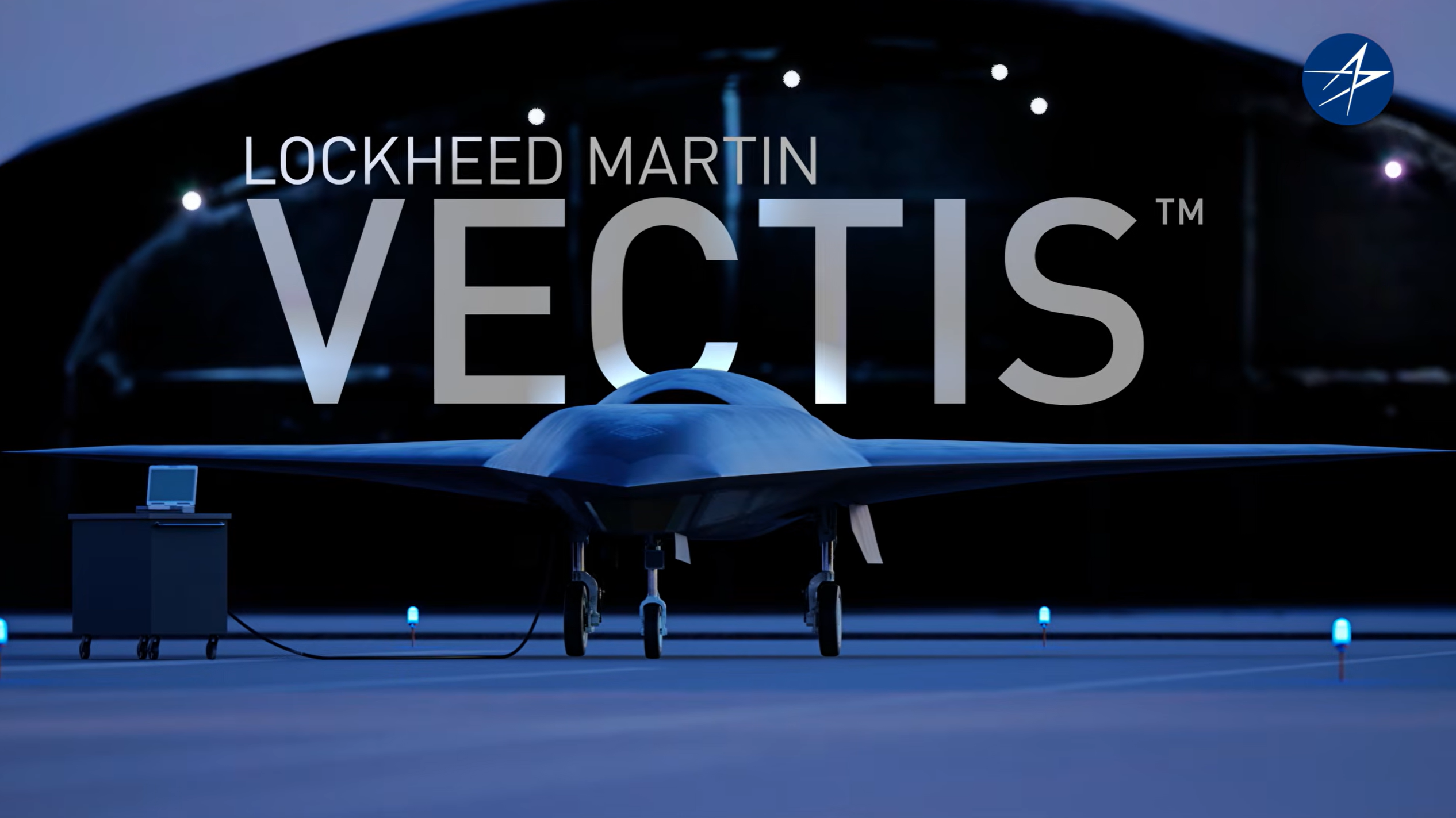
Lockheed Martin has released a new promotional teaser video showcasing renders of its high-end, stealthy Collaborative Combat Aircraft (CCA), Vectis.
The new video of Vectis provides better insight into Lockheed Martin’s vision of an Increment 2 CCA for the Air Force’s F-35s and other advanced fighter jets. While few details are known, Lockheed has said the first prototype is to fly in 2027.
Vectis was first unveiled last year, with the latest renders showing it with a more exotic and deeply recessed top-mounted air intake, pointing to an emphasis on stealth.
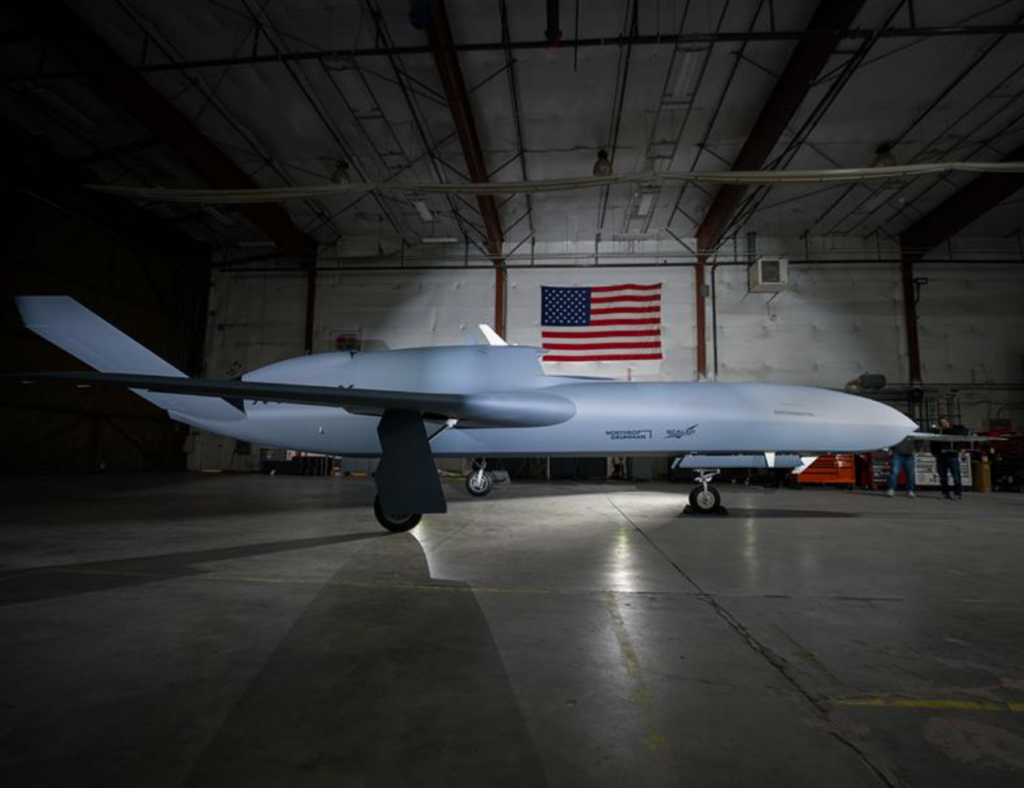
Full-scale mock up of the Vectis
The video appears to show Vectis firing AIM-120 air-to-air missiles and GBU-53 Small Diameter Bomb IIs. Importantly, it shows the CCA firing these from an internal weapons bay, which will be important to preserve its stealth profile.
Ron Fehlen, Lockheed Martin Vice President and General Manager of Skunk Works, told The War Zone, “The technical specs, as you can imagine, are designed to meet and, in some cases, exceed the customer sets that we are working with and their requirements and their mission needs.”
The company is presenting it as “survivable and affordable and flexible across the range of missions.”
Lockheed also showcased a full-scale mock-up of the aircraft measuring around 34 feet long with a wingspan of around 38 feet.
First flight planned for 2027
Lockheed Martin has announced it will build four more prototypes for its Vectis along with the one currently in production. These will be used to accelerate testing and validate production processes.
Fehlen said that development work on those aircraft is already underway and more specifics will be shared soon. The first example is expected to fly in 2027.
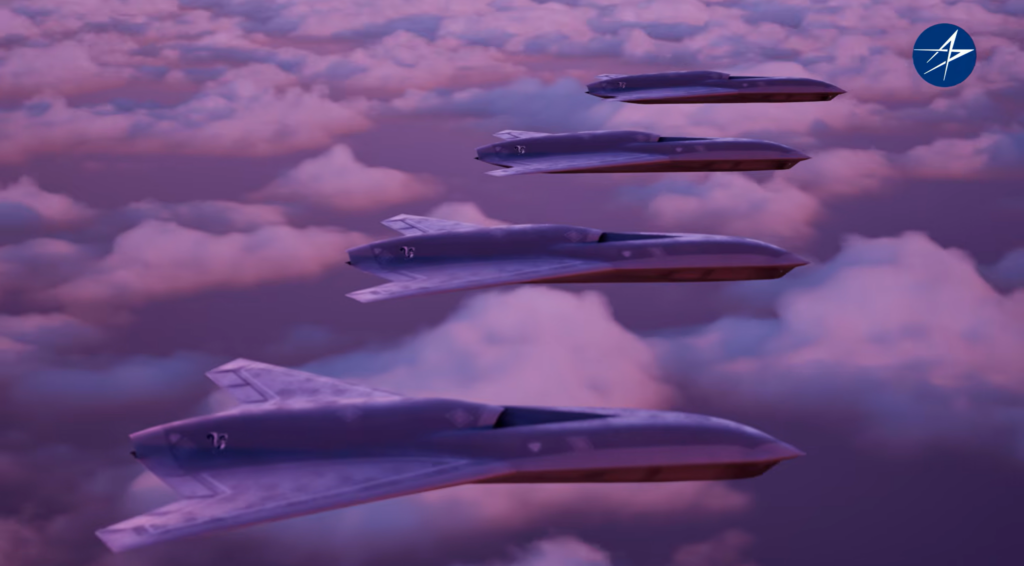
The aircraft’s specifics, like the engine, payload, speed, combat radius, etc., have not yet been disclosed, although the prototype will fly with a Williams International FJ44-4 turbojet.
Lockheed has said it is targeting Vectis to be at the “CCA competitive price,” which is around $20 million per aircraft for Increment 1. Increment 2 aircraft (discussed below) are to be much more capable, and it’s unclear how much the price will increase.
It is also important not to emphasize the base flyaway cost of an aircraft without also knowing the costs of the obligatory add-ons.
Why Lockheed believes the USAF needs a high-end CCA
Lockheed’s ‘gold-plated’ design was rejected by the Air Force for its Increment 1 CCA programme; instead, it selected the ‘good enough’ Anduril FQ-42 and General Atomics FQ-44 designs to get the programme kick-started.
While Lockheed has said it took stock of the Air Force’s preference and has reduced the complexity and cost, it is still pursuing a high-end stealthy design for Increment 2.
The requirements and doctrine for the Air Force’s CCA programme are still being written. It remains unclear where on the cheap/disposal and high end/valuable spectrum it will land. Likely, there will be multiple CCA types reflecting different capabilities and doctrines.
There appears to be some contradiction, or at least tension, in the Air Force’s Increment 2 requirements. On the one hand, it wants a platform that’s affordable and scalable. Ways to meet that include having minimal stealth and short-lived engines with 3D-printed parts.
At the same time, the Air Force wants the platforms to have a combat radius of 700+ nautical miles, be survivable, and be useful in a high-end fight with China. That requires high-performance engines, expensive avionics, and expensive stealthy designs.
The 700+ nautical mile radius was a requirement for Increment 1; Increment 2 could be even more ambitious.
Lockheed believes the Air Force will require a higher-end stealthy platform, perhaps in conjunction with lower-end platforms.