Mayday, Pan-Pan, and squawk codes: How pilots signal an emergency in the air

9 min read
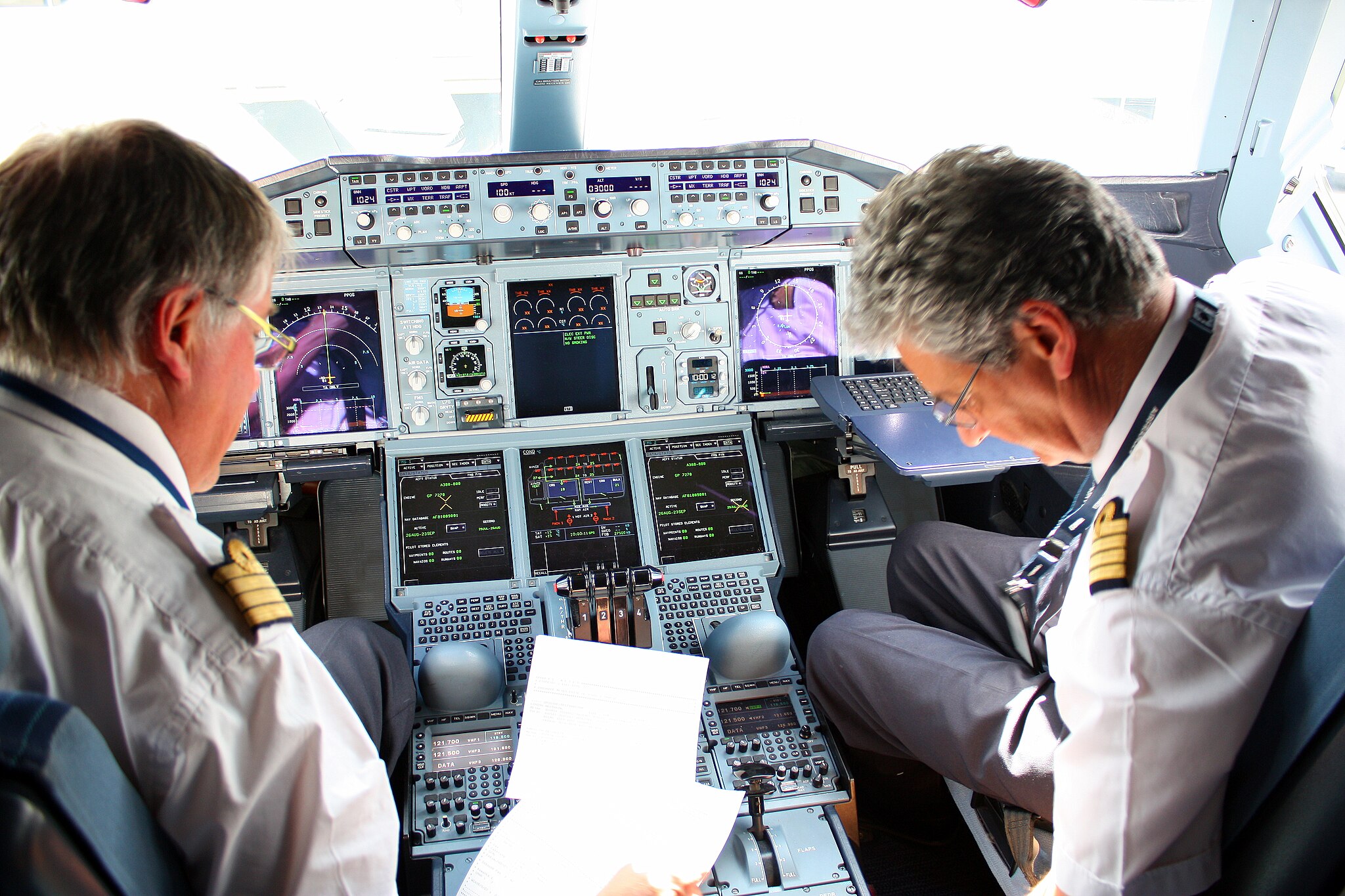
When an aircraft encounters an in-flight emergency, pilots have several ways to alert air traffic control (ATC). They normally involve either specially worded verbal communication over the radio or coded warnings via the aircraft transponder.
Here, Aerospace Global News deciphers what Mayday, Pan-Pan, 7700, and the aviation emergency frequency 121.5 MHz actually mean and how they are used in the event of an in-flight emergency.
Being prepared in case of an emergency
Flying has never been safer. Modern aircraft are designed with multiple layers of protection, pilots undergo extensive emergency training, and air traffic controllers are prepared to respond when something goes wrong. But aviation, like any complex form of transportation, can never be completely risk-free.
An aircraft can suffer an engine failure, encounter severe weather, experience a fire, lose communications or face a medical emergency.
When that happens, pilots have a well-established set of procedures for managing the situation and, crucially, communicating with people on the ground.

For some, hearing a pilot declaring “Mayday” or “Pan-Pan” over the radio might sound alarming. In aviation, however, these phrases have precise meanings.
Pilots can also use internationally recognised transponder squawk codes, including 7500, 7600 and 7700, to tell air traffic control what is happening.
The transponder is a special piece of equipment in the cockpit that transmits a four-digit code (normally for radar conspicuity and identification) but which can also be set to transmit recognised emergency codes.
So, what do these aviation emergency signals mean, and what happens after a pilot uses one?
Aviate, navigate, communicate: The first rule of an emergency
Despite what movies might suggest, pilots do not immediately reach for the radio when an emergency occurs. The first priority is to fly the aircraft.
Pilots are taught the simple principle “aviate, navigate, communicate.” The order reflects the priorities that matter most when dealing with an unexpected event.
Aviate
The aircraft must remain under control. Whether the problem involves an engine, flight controls, instruments, weather, or another system, the crew’s first task is to maintain safe flight.
Depending on the situation, this could involve changing altitude, adjusting speed, carrying out an emergency checklist, or taking other immediate action.
Navigate
Once control has been established, pilots determine where the aircraft is and where it needs to go. The crew needs to know its position, heading, and altitude, while also considering nearby terrain, weather, airports, and other aircraft.
If the emergency has caused a deviation from the planned route, restoring situational awareness becomes particularly important.
Communicate
Only after the aircraft is under control and the crew understands its situation does communication become the next priority.
This explains why an aircraft experiencing a serious problem may not transmit an emergency call immediately. The pilots could be dealing with an immediate threat that requires their full attention.
Once they have the capacity to communicate, however, informing ATC can provide an important additional layer of assistance.
Controllers may be able to arrange a priority landing, clear surrounding traffic, identify a suitable diversion airport, and alert emergency services.
What is the significance of a ‘Pan-Pan’ call?
A Pan-Pan call is used to communicate an urgent aviation situation that is serious but does not involve an immediate threat requiring the highest level of emergency response or immediate intervention. The phrase should normally be repeated three times:
It alerts ATC and other stations monitoring the frequency that the aircraft requires attention. A Pan-Pan situation could involve a significant technical problem, the loss of an important instrument, a pilot becoming unwell or a malfunction that means the aircraft needs to divert to another airport.
The important distinction is that the crew remains capable of managing the aircraft, and the situation is not necessarily immediately life-threatening. A Pan-Pan call can also be upgraded to a Mayday if circumstances deteriorate.
What does ‘Mayday’ mean in aviation?
A Mayday call is the most serious form of voice distress communication used by civil aircraft. It indicates that the aircraft or people aboard are facing grave and imminent danger and require immediate assistance.
As with Pan-Pan, the word is normally repeated three times. The term comes from the French expression “m’aidez”, meaning “help me.” A Mayday could be declared following a serious aircraft fire, a major system failure, pilot incapacitation or an engine failure that creates an immediate threat to the flight.
Once a Mayday transmission is made, it receives priority over routine radio traffic. ATC can then coordinate an appropriate response.
That might include clearing other aircraft from the emergency aircraft’s path, arranging priority access to a runway, directing the crew toward an appropriate airport and contacting airport fire and rescue teams or medical personnel.
Other aircraft and stations monitoring the frequency are expected to avoid unnecessary transmissions so that the emergency aircraft and ATC can communicate without interference.
What information does a Mayday call contain?
There is no guarantee that an emergency transmission will follow a perfect script. In a serious emergency, flying the aircraft remains the priority.
However, pilots are trained to provide ATC with as much useful information as circumstances allow. An aviation distress call may include:
- Mayday or Pan-Pan repeated three times
- The ground station being contacted
- The aircraft’s callsign, registration and type
- The nature of the emergency
- The aircraft’s position and heading
- Current altitude or flight level
- The pilot’s intentions
- The type of assistance required
- Relevant weather information
- Remaining fuel, often expressed in hours/minutes
- The number of people on board (“souls”)
- Any other information that could assist ATC or emergency responders.
If an emergency landing, ditching, or bailout is possible, the crew may also provide information that could help search-and-rescue teams. This could include the aircraft’s external appearance, visible landmarks, Emergency Locator Transmitter status, and details of emergency equipment such as life rafts or life jackets.
Why the term ‘souls on board’ is being replaced
Another phrase frequently associated with aviation emergencies is “souls on board.” Historically, pilots and controllers used the term to describe the total number of people aboard an aircraft. It included passengers, flight crew, and other personnel.
The expression has maritime origins and reflects terminology that dates back to earlier eras of transportation. Today, however, modern aviation is beginning to generally switch to “people on board” (POB) instead.
Despite the change, “souls on board” has not completely disappeared from aviation vocabulary and can still occasionally be heard in radio communications or discussions about aviation accidents.
What is aviation’s emergency ‘guard’ frequency?
Normally, pilots communicate with ATC using assigned VHF radio frequencies. But what happens when an aircraft cannot establish contact with its expected controller?
One important backup is 121.500 MHz, widely known as the international aviation emergency frequency or 121.5 MHz guard frequency.
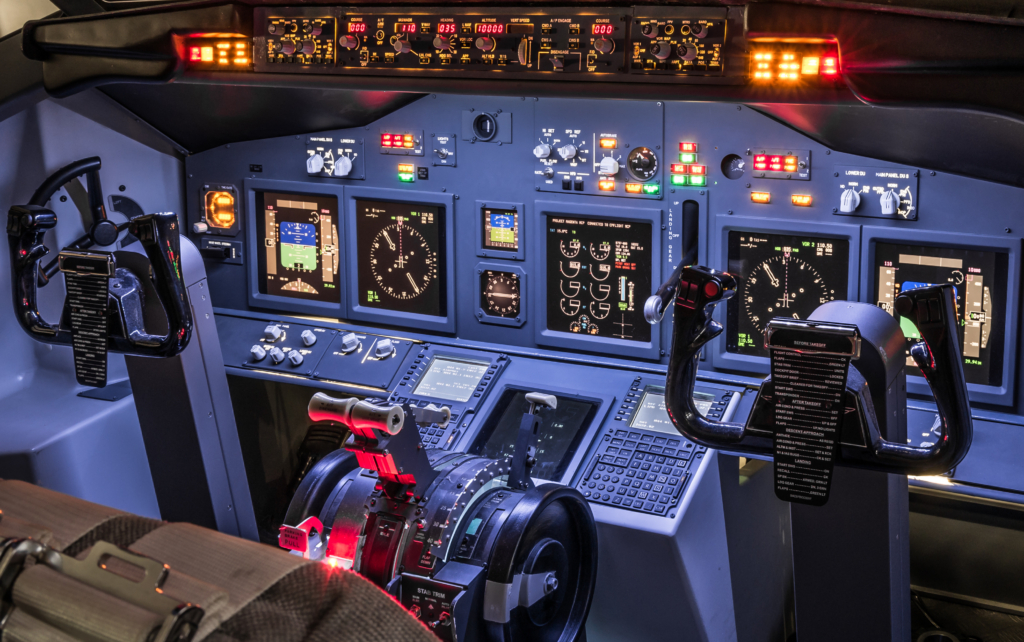
Aircraft experiencing an emergency can use this frequency when normal communications cannot be established. It provides another way for pilots to attract the attention of ATC, other aircraft, and relevant emergency organisations. Military aviation has a corresponding emergency frequency of 243.000 MHz
The emergency frequency is particularly useful when an aircraft is outside normal communications coverage or when geographical conditions prevent the crew from contacting the appropriate ATC facility.
But what happens if an aircraft loses its radio?
A complete communications failure creates another problem: the pilots may be unable to tell ATC verbally what has happened. This is where the aircraft’s transponder becomes particularly important.
A transponder is an onboard device that communicates information to ATC, including a four-digit identification code known as a ‘squawk code’. It can also transmit altitude information.
Pilots can select specific emergency codes to alert controllers even when voice communication is unavailable. Three codes are particularly well known in aviation:
Squawk 7500 — Hijacking or unlawful interference. 7500 is used to indicate that an aircraft is experiencing unlawful interference, such as a hijacking.
The code can provide pilots with a discreet way to alert ATC when they cannot safely communicate the situation over the radio.
Squawk 7600 — Radio failure. 7600 indicates a communications failure. Selecting this code tells ATC that the aircraft is unable to communicate normally.
Controllers can then take appropriate measures to protect the aircraft and other traffic. Pilots will follow established procedures for continuing the flight, including maintaining a careful lookout for other aircraft and proceeding according to applicable communications-failure procedures.
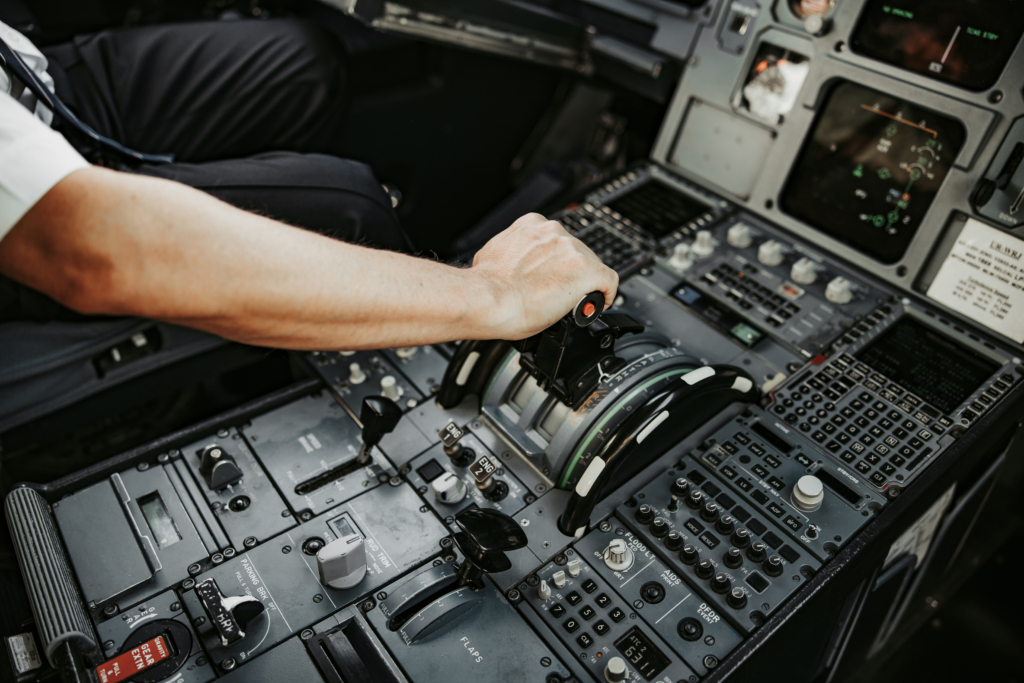
Squawk 7700 — General emergency. 7700 is the internationally recognised code for a general aircraft emergency. It can be selected when an aircraft is experiencing a serious problem requiring assistance.
The advantage is that ATC can immediately see the emergency indication on its surveillance system. Controllers can then prioritise the aircraft, coordinate with emergency services and take action to keep other traffic clear.
The code can be used alongside a Mayday or Pan-Pan transmission, or when voice communications are unavailable.
How pilots remember the emergency squawk codes
Student pilots are often taught simple memory aids to distinguish the three emergency codes.
7500: “Seven-five, taken alive” – hijacking.
7600: “Seven-six, in a fix” – radio failure.
7700: “Seven-seven, going to heaven” – general emergency.
These mnemonics are not substitutes for formal procedures, but they can make the codes easier to remember when a pilot needs to recall them quickly.
What happens after a Mayday call?
Once ATC receives a Mayday transmission, the response depends on the nature of the emergency.
Controllers may give the aircraft priority over other traffic and provide information about suitable airports or runways. They can also coordinate with airport rescue and firefighting services, medical teams, and other relevant agencies.
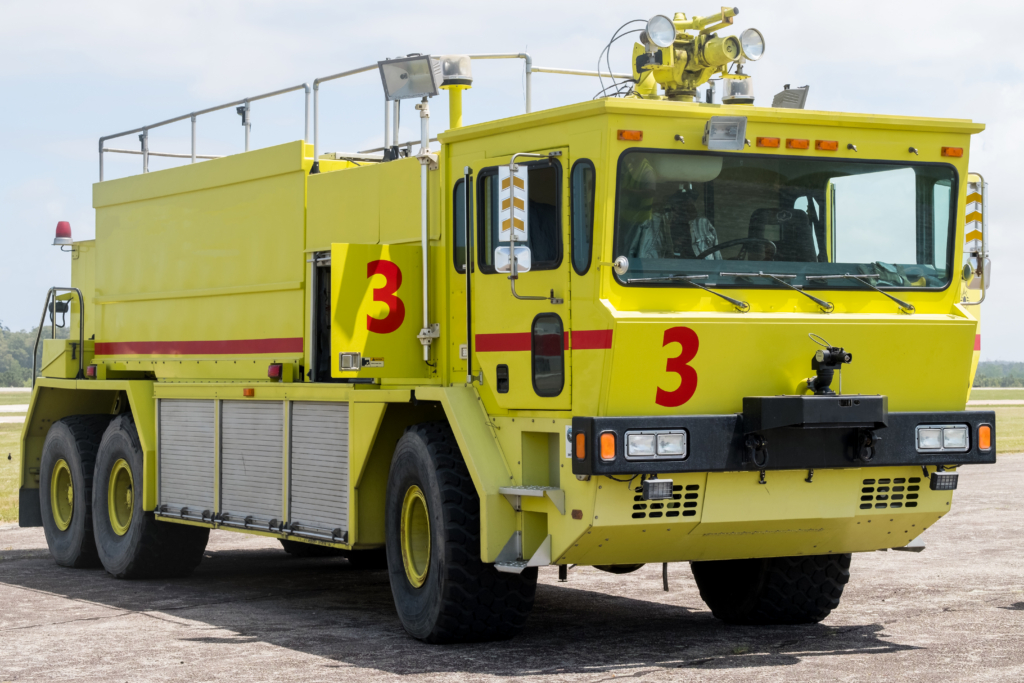
If the aircraft cannot establish contact with the appropriate controller, another aircraft or ground station may be able to relay the emergency message.
This creates a network of potential assistance rather than relying on a single communication channel.
Why emergency communication matters
The purpose of an emergency call goes far beyond simply telling ATC that an aircraft has a problem.
Good communication gives controllers the information they need to help the crew make decisions under pressure. It can also ensure that emergency responders are waiting when the aircraft reaches the ground.
In the worst-case scenario, the information transmitted by the crew can help search-and-rescue teams determine where to look if an aircraft is unable to reach an airport.
The entire system is designed around a simple principle: the more accurately an emergency can be communicated, the more effectively others can respond.
Modern aviation remains exceptionally safe
For most passengers, the reassuring reality is that serious aviation emergencies are extremely uncommon.
The vast majority of flights are completed without incident, and modern aircraft operate within a highly regulated environment supported by sophisticated technology, extensive pilot training and carefully developed emergency procedures.

Pilots may spend countless hours practising situations they hope never to encounter in real life. From engine failures and fires to communications problems and emergency diversions, crews are trained to respond methodically rather than react instinctively. That preparation is an important part of aviation’s impressive safety record.
So, the next time you hear the terms Mayday, Pan-Pan, 7500, 7600 or 7700, you will know that they are not simply dramatic phrases from aviation movies.
They are elements of a global emergency communication system designed to ensure that, when something goes wrong, pilots have several ways to tell the world that they need assistance.
Sign up for our newsletter and get our latest content in your inbox.


More from


October 17, 20264 min read