How do pilots plan their flying displays at airshows?

4 min read
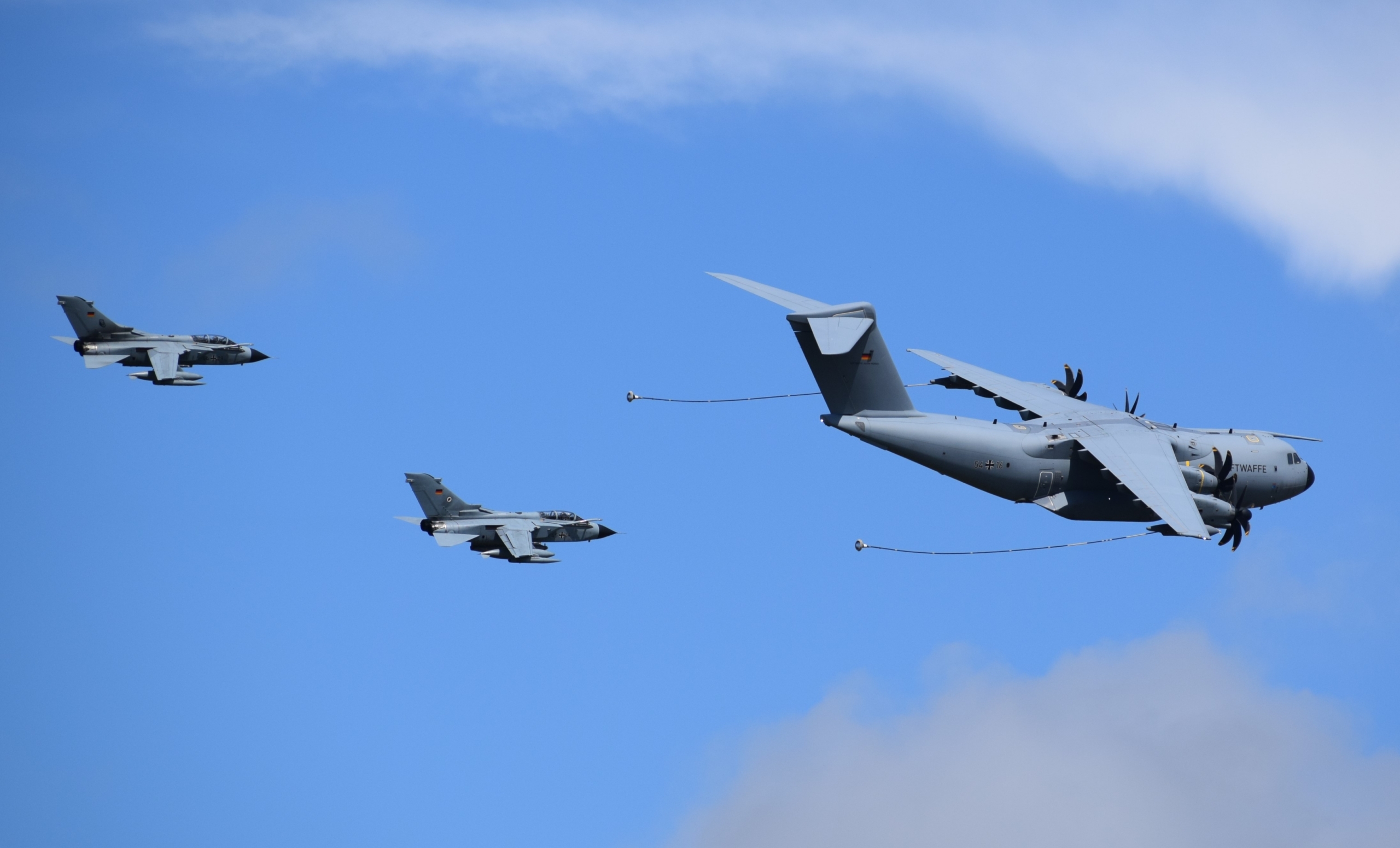
Airshow flying is one of the most demanding areas of aviation. Pilots displaying to large crowds and their peers operate in an extremely unforgiving environment, where any mistake can appear on social media before the aircraft has even landed. This is especially the case with many airshows now being “live streamed”.
Aircraft operate close to the ground and, when flying in formation, close to each other. Many pilots have lost their lives by pushing things too far.
Following the 2015 Hawker Hunter T7 accident at the Shoreham Airshow, which crashed off the airfield killing 11 people and injuring 16 others, oversight and rules surrounding air display flying in the UK changed significantly.
How are flying sequences at airshows put together?
Pilots are demonstrating their aircraft and its capabilities rather than simply showing individual skill. Their aim is to keep the aircraft in front of the crowd as much as possible while highlighting manoeuvrability (or noise in the case of military fast jets).
Larger aircraft usually fly at lower speeds to reduce their turning radius and remain visible to the crowd throughout the display.
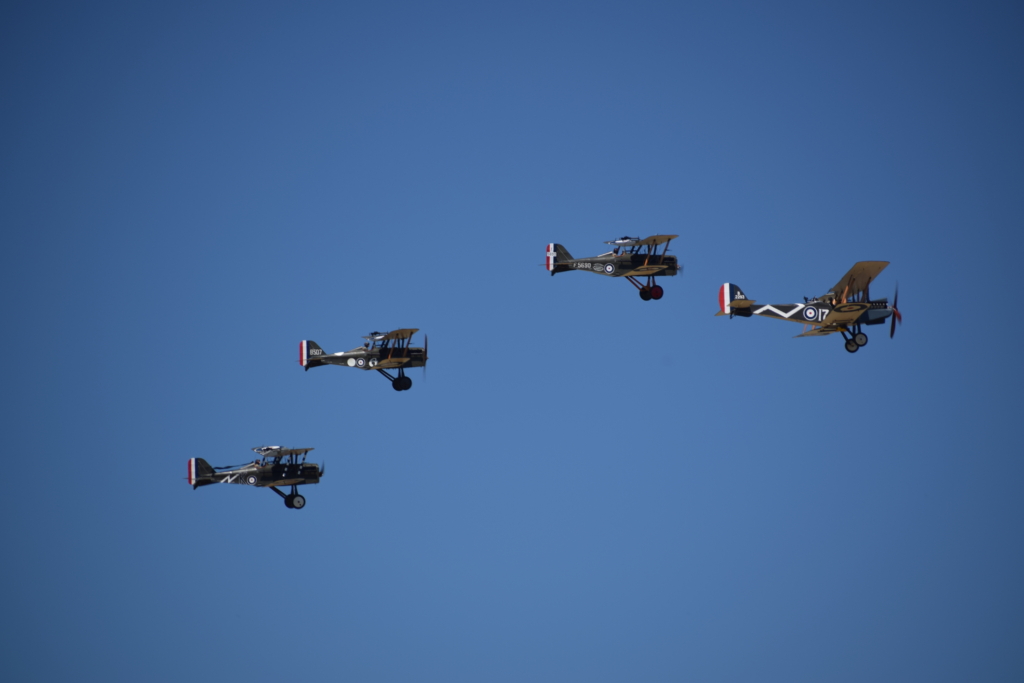
Display programmes run to a strict schedule, with routines typically lasting only 4-7 minutes. If an aircraft is late, it may miss its display slot.
Aircraft may take off early and “hold” away from the airfield or fly directly from their home base to the display venue.
How are airshow display venues prepared?
Many airshows take place at airfields, where the runway gives a reference line for pilots. Others take place at sea fronts or off-airfield locations without obvious ground features to help with orientation.
Each venue has a display datum, usually “crowd centre”, which provides a reference point.
Pilots use two axes: the A-Axis, which runs parallel to the crowd line, and the B-Axis, which runs perpendicular.
What display authorisation requirements are there for airshow pilots?
Pilots cannot simply arrive at an airshow and perform a display. They must hold a DA (Display Authorisation) before flying at a public event.
This is granted by the Authority (such as the CAA) after the pilot’s skills, competencies and flying ability have been checked by a Display Authorisation Evaluator (DAE), who is themselves an experienced Display Pilot.

A pilot’s DA includes restrictions on how low they can fly, whether they can fly or lead formations, and whether they can take part in a tail-chase.
Major airshows, including Farnborough International Airshow, require participants to complete a practice display at the venue to “validate” it for the Flying Display Committee.
This usually takes place in the days before the event, followed by a show briefing on the day.
How display pilots practice their airshow routines
Pilots spend months developing their display sequences. They practise at higher altitudes before gradually working down towards their base height.
Simulators are also used for training. For example, before the Lockheed Martin LM-100J (the civil version of the C-130) performed its “loop” at the 2018 Farnborough Airshow, the crew had completed the manoeuvre more than 120 times in the simulator before attempting it in the aircraft.
How weather affects airshow flying displays
Weather plays a major role in display flying, with visibility, cloud base and wind all affecting what manoeuvres can safely be performed.
Teams like the Red Arrows have different versions of their routine. A high cloud base allows a “full” display, while lower cloud may require a “rolling” or “flat” display without vertical manoeuvres such as loops.
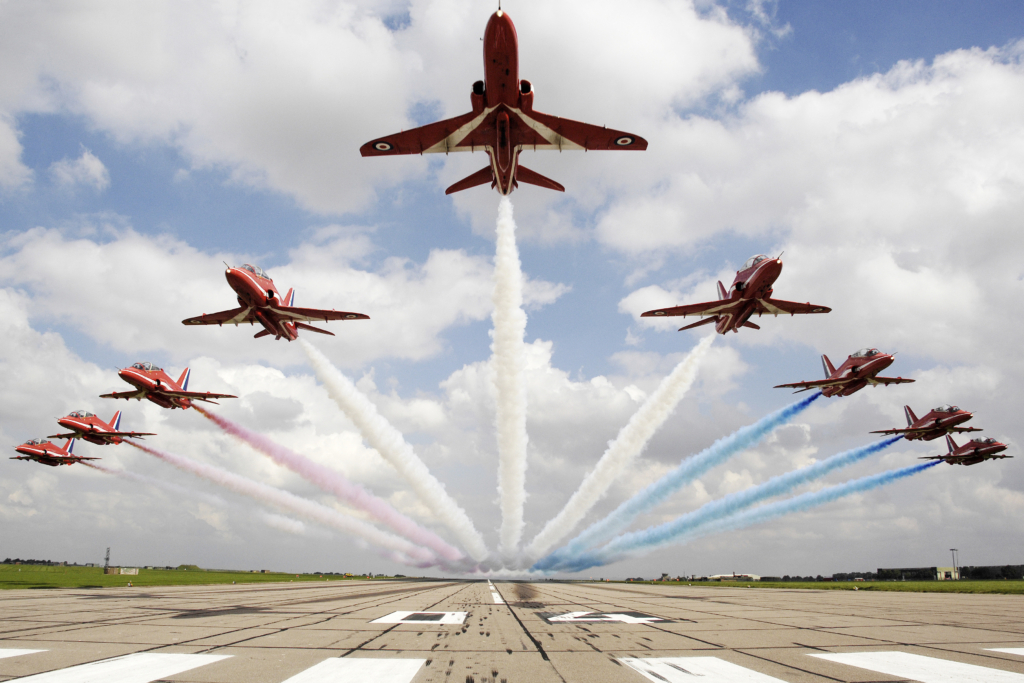
Wind can also affect an aircraft’s position during a display, pushing it towards the crowd line. Pilots must carefully adjust the timing of their manoeuvres to ensure they remain within the safe display area.
Airshow safety and display flying controls
Airshows use strict safety procedures to monitor pilots throughout their displays. If a pilot exceeds a limit, such as flying too low or crossing the crowd line, they can be “Red Carded” and told to “STOP” by the Flying Display Director over the radio.

A pilot may also receive a “TERMINATE” call if their display needs to be stopped or paused, for instance if another aircraft enters the display airspace without clearance.
Airshow displays are always more complex than they look
The fact is, behind every airshow display that looks effortless is months of planning, preparation and experience. The few minutes the crowd sees are the result of countless hours of practice, careful planning and a constant focus on safety.
While the aircraft may capture the attention, it is the skill, teamwork and discipline of the pilots and crews behind them that truly make these displays possible.
Sign up for our newsletter and get our latest content in your inbox.


More from

October 11, 20263 min read