Former KLM boss allegedly charged power bank before 777 cabin fire

3 min read
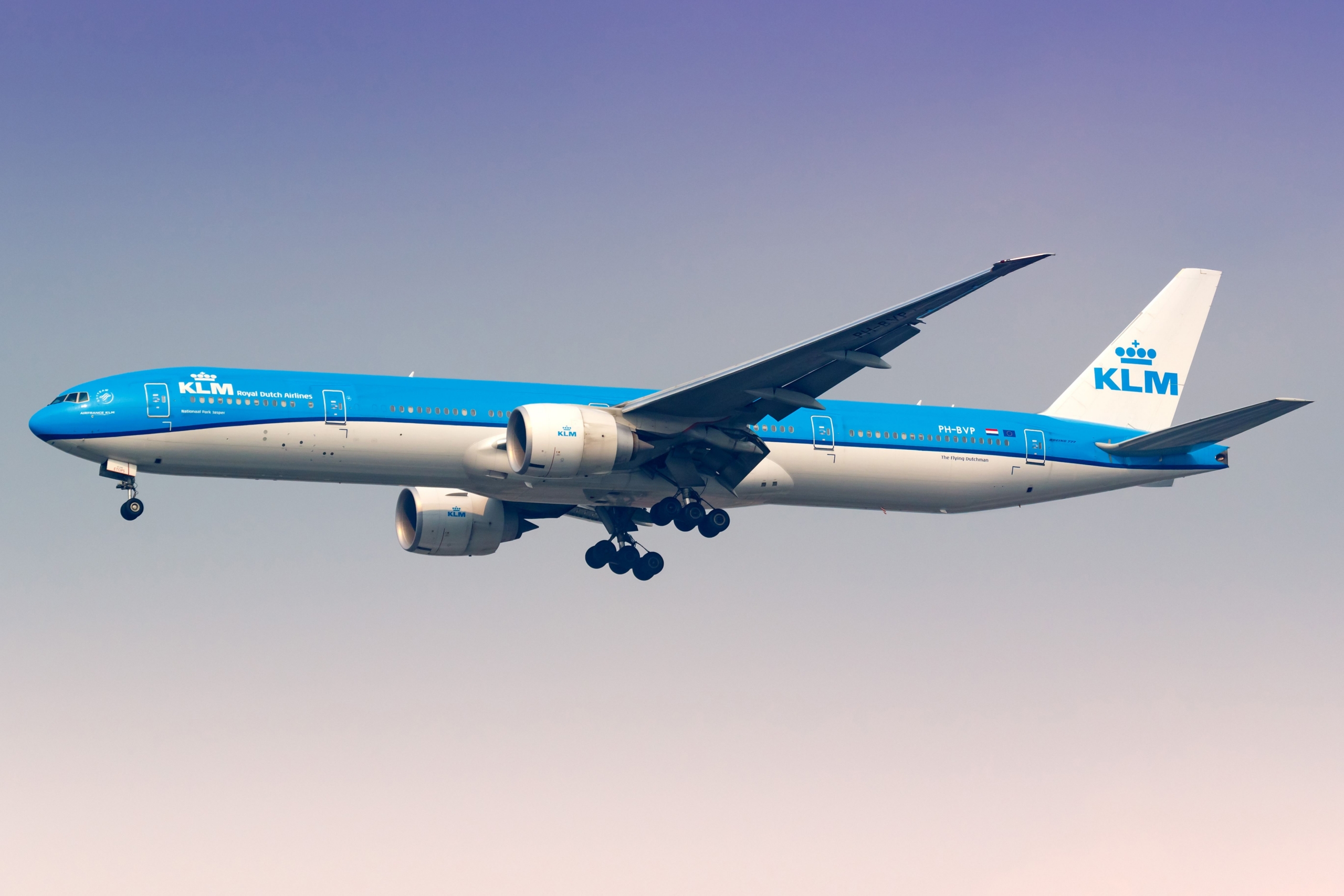
A power bank reportedly belonging to a former KLM chief caught fire aboard a Boeing 777 over the Atlantic after it was allegedly used in breach of the airline’s safety rules, forcing the aircraft to turn back to Amsterdam.
Flight KL735 was travelling from Amsterdam Schiphol to Curaçao on 17 September when the lithium battery caught fire in the business class cabin.
Cabin crew extinguished the blaze, but the captain abandoned the transatlantic flight and returned to Schiphol, according to Dutch broadcaster NOS.
Dutch broadcaster RTL Nieuws reported that multiple passengers aboard the aircraft identified the power bank as belonging to Camiel Eurlings, who served as KLM president and CEO from 2013-2014.
KLM has not publicly confirmed the passenger’s identity, citing privacy considerations.
Witness alleges power bank was being charged
Passengers speaking to RTL Nieuws claimed that the power bank was being charged when it caught fire.
KLM’s dangerous goods guidance permits passengers to carry up to two power banks. However, they must remain with the passenger and cannot be stored in an overhead bin.
The airline explicitly states: “using or charging it on board is also not allowed.”
KLM has not confirmed that the power bank involved in KL735 was being charged.

“We are currently investigating the incident. As part of this, we are also investigating whether the power bank was charging or not,” a KLM spokesperson told RTL Nieuws.
A passenger sitting nearby told RTL there was suddenly a loud bang, followed almost immediately by flames coming from above the seat.
The crew quickly extinguished the fire. NOS reported that one man suffered burns and that the aircraft sustained enough damage for the captain to return to Amsterdam.
The Boeing 777 was already over the Atlantic when the crew decided to turn around.
Why power bank fires are dangerous on aircraft
The incident occurred as airlines and aviation regulators tightened restrictions on portable lithium batteries.
Lithium-ion batteries can enter thermal runaway following damage, overheating, overcharging or an internal short circuit. The resulting chemical reaction can produce intense heat, fire and toxic smoke.
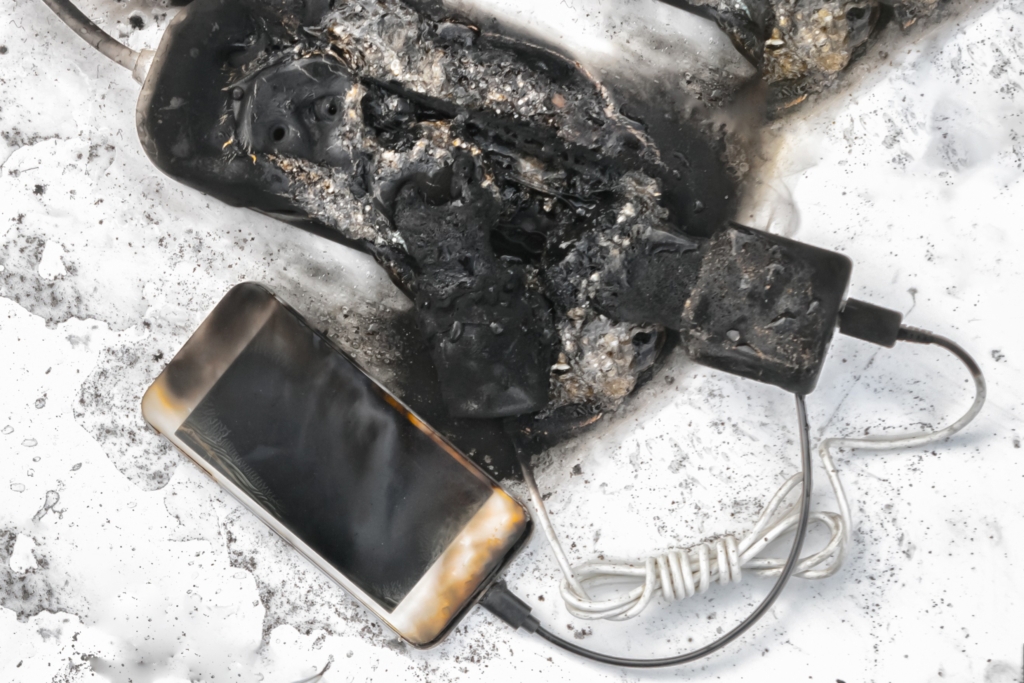
The European Union Aviation Safety Agency warned in May 2025 that airlines were reporting an increasing number of safety events involving passengers’ lithium batteries.
EASA identified power banks and e-cigarettes as particular concerns. It recommended that passengers not charge power banks or use them to charge other devices during a flight.
The agency’s passenger guidance on lithium batteries explains that damaged, overcharged, or overheated batteries can enter thermal runaway, potentially releasing gas and catching fire.
International rules have since become stricter. A new specification introduced by the International Civil Aviation Organisation, effective 27 March 2026, limits passengers to carrying only two power banks and “passengers will be prohibited from recharging them during flights.”
The alleged power bank charging aboard KL735 would conflict both with KLM’s own policy and the latest international aviation safety requirements.
Airlines face growing lithium battery problem
The KLM incident was not isolated. Dutch aviation regulator ILT receives reports of an overheated power bank or e-cigarette aboard an aircraft around once or twice a month, according to NOS.
In 2025, a power bank inside a backpack started smoking on a KLM flight from Sao Paulo to Amsterdam. The crew contained the overheating battery.
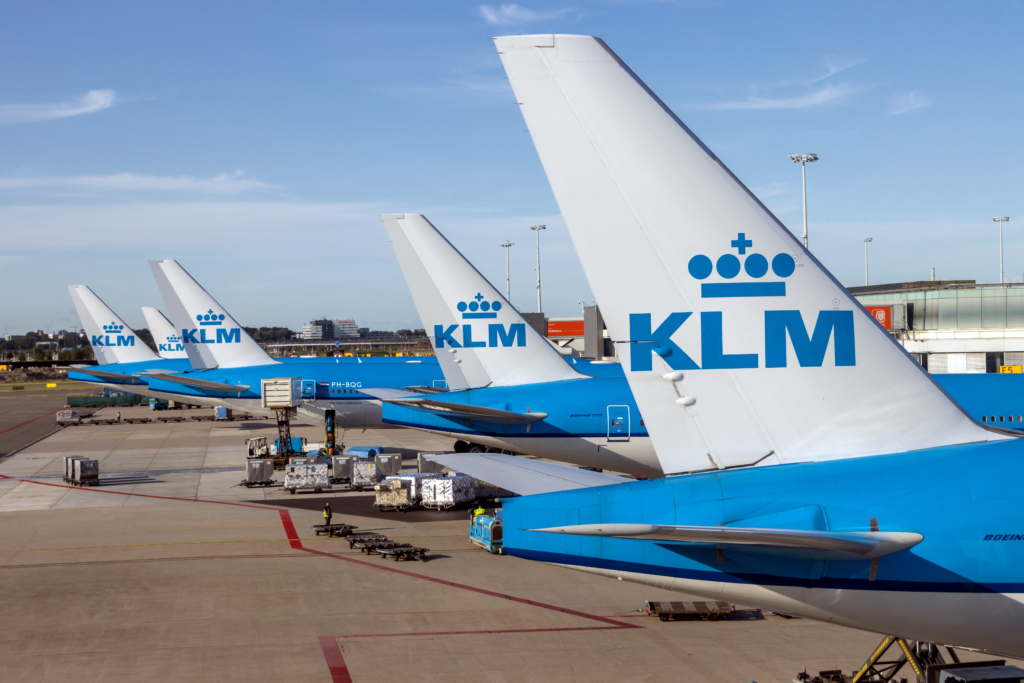
Following this recent incident, KLM’s investigation will determine whether the power bank was charging when it caught fire.
Fortunately, the crew successfully contained the power bank fire, and the Boeing 777 returned safely to Schiphol.
However, the incident highlights the risks posed by portable lithium batteries in aircraft cabins and the challenges airlines face in managing them safely.
A relatively small consumer device can cause a serious in-flight fire when an aircraft is hours from the nearest airport.