De Havilland secures first Twin Otter Classic 300-G order for the Maldives

3 min read

De Havilland Canada has signed a letter of intent (LOI) with Island Aviation Services Limited (Maldivian) for the purchase of two DHC-6 Twin Otter Classic 300-G aircraft. It is the first commitment for the latest Twin Otter variant in the Maldives – the world’s largest Twin Otter operating market.
The agreement, announced at the Farnborough International Airshow, will see the Maldives’ national airline become the first operator in the country to introduce the upgraded Twin Otter Classic 300-G. The aircraft will strengthen Maldivian’s seaplane operations, which are critical for connecting the country’s dispersed island communities and supporting its tourism industry.
First Classic 300-G aircraft for the Maldives
The planned acquisition covers two Twin Otter Classic 300-G aircraft, the latest evolution of one of aviation’s most successful short take-off and landing (STOL) aircraft.
Ryan DeBrusk, Vice President of Sales and Marketing at De Havilland Canada, said the agreement reinforces the aircraft’s importance in one of its most established markets.
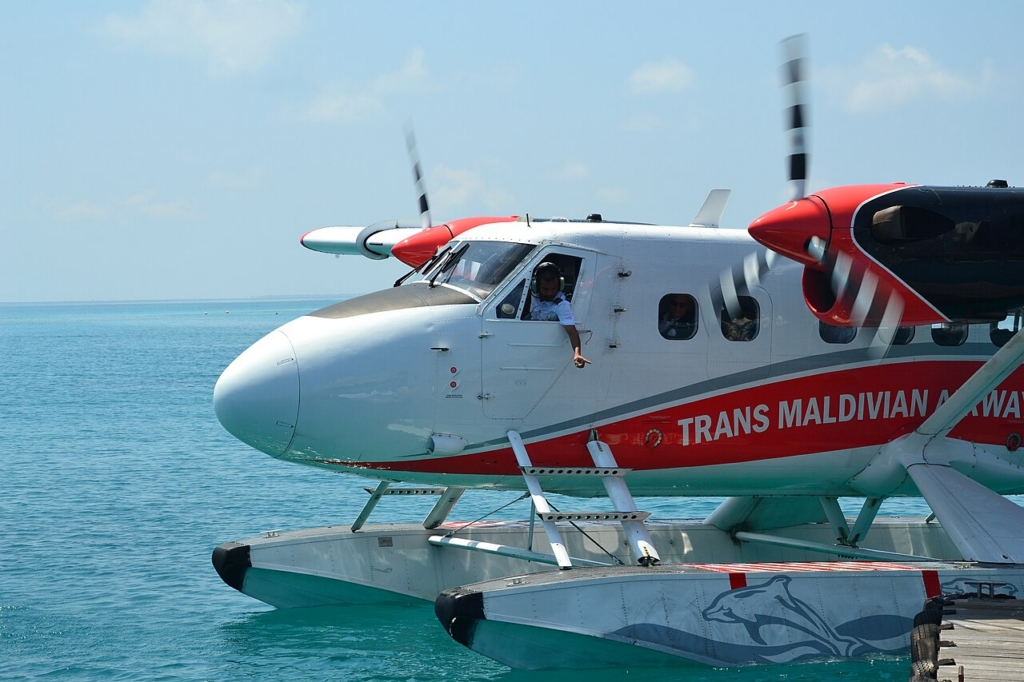
“The Maldives is one of the world’s most iconic Twin Otter markets, and we’re honoured that Maldivian has selected the Twin Otter Classic 300-G to continue its legacy of connecting communities and supporting tourism. This LOI reflects the confidence operators continue to place in the Twin Otter platform, and we look forward to supporting Maldivian as they modernise their fleet,” he said in the company’s announcement.
Island Aviation Services Managing Director Ibrahim Iyas said the new aircraft would help the airline expand its capabilities while maintaining reliable service across the archipelago.
“The Twin Otter has been the backbone of air connectivity in the Maldives for decades. The Classic 300-G combines the proven performance we rely on with modern avionics, greater efficiency and improved passenger comfort, making it the ideal aircraft for our future growth,” Iyas said.
Why the Twin Otter is vital to the Maldives
The Maldives is made up of nearly 1,200 islands spread across more than 800 kilometres of the Indian Ocean, making air transport essential for both residents and visitors.
Twin Otters dominate the country’s seaplane operations thanks to their ability to take off and land on water as well as operate from short runways. The aircraft provide transfers between Velana International Airport and luxury island resorts, while also supporting domestic scheduled services and essential connectivity between remote communities.
Maldivian already operates a fleet of eleven DHC-6-300 Twin Otter seaplanes alongside ATR turboprops, Airbus narrowbody aircraft and an Airbus A330 serving international routes. The addition of the Classic 300-G will modernise part of its amphibious fleet as travel demand continues to grow.
What is new on the Twin Otter Classic 300-G?
The Twin Otter Classic 300-G builds on the long-running Twin Otter platform with a series of operational and passenger improvements while retaining its renowned STOL capabilities.
The new improvements include:
- Garmin G1000 NXi integrated flight deck
- Improved passenger cabin and comfort features
- Higher payload capability
- Simplified maintenance
- Proven performance on short runways and water operations
The aircraft is designed for operators serving remote regions where infrastructure is limited, and reliability is critical.
The Maldives announcement comes as De Havilland Canada continues to build momentum behind the Classic 300-G programme.
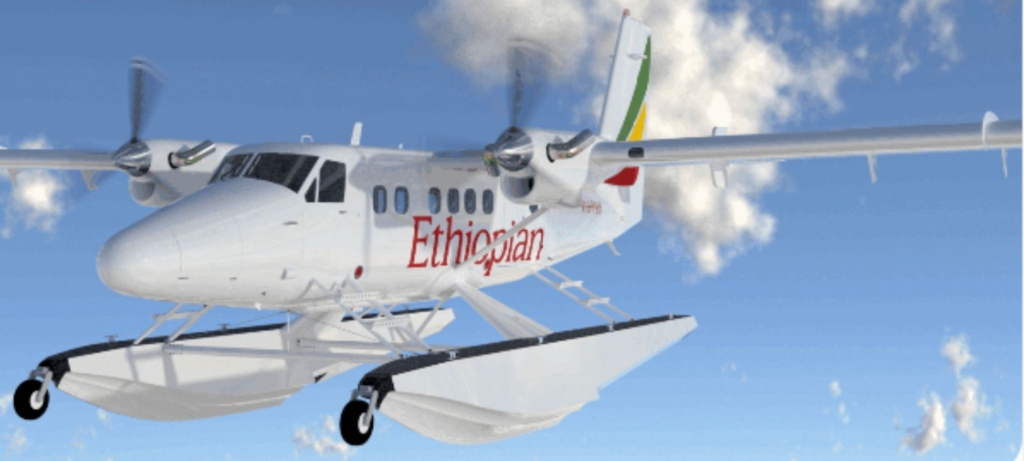
This June, Ethiopian Airlines became the launch operator after taking delivery of the first production aircraft. De Havilland also announced European certification from EASA, expanding the aircraft’s market.
Sign up for our newsletter and get our latest content in your inbox.


More from


October 13, 202612 min read