Which airlines have ordered the Boeing 777X – and who gets it first?

4 min read
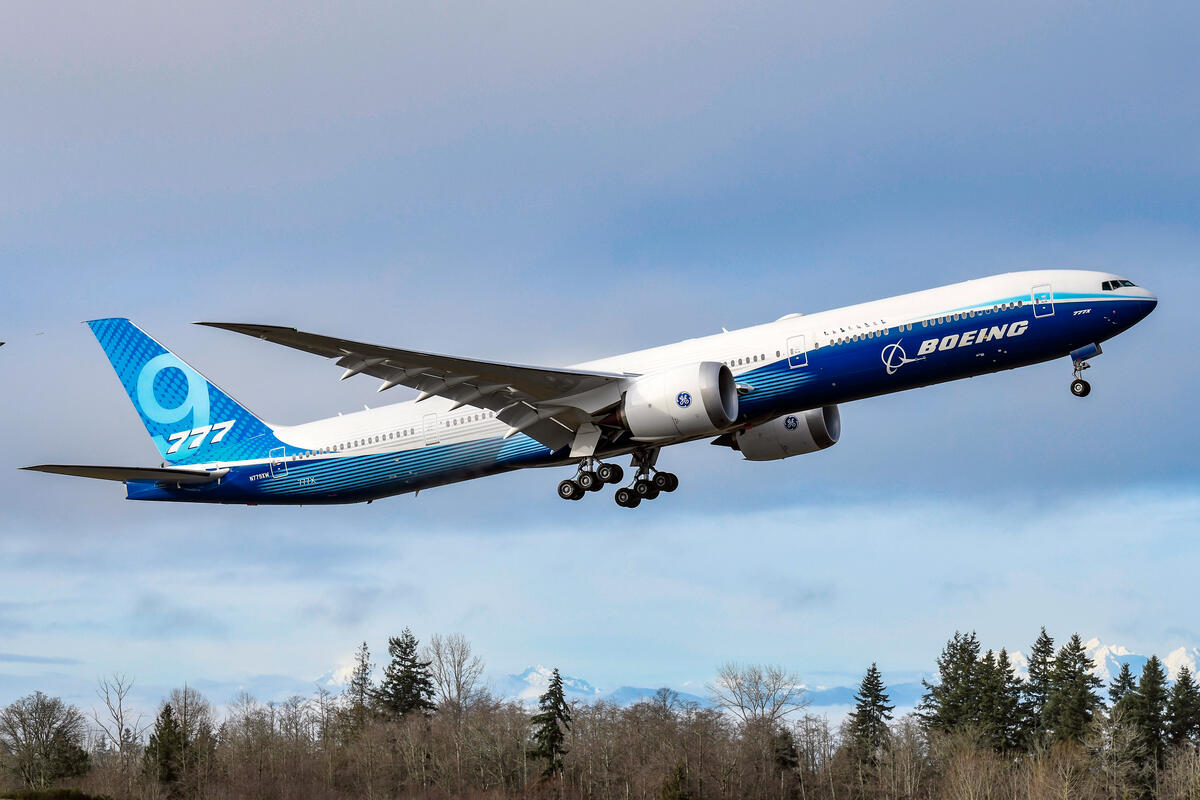

After more than six years of delays, the Boeing 777X is finally approaching commercial service. The aircraft was originally due to enter service in 2020, but certification challenges, the COVID-19 pandemic, manufacturing issues and additional FAA scrutiny repeatedly pushed the programme back.
Boeing now expects the first 777-9 deliveries to begin in 2027, with Germany’s Lufthansa as the launch operator.
As Boeing edges closer to certification, airlines around the world continue to back the twin-engine widebody, with more than 600 orders across passenger and freighter variants.
Lufthansa will be first Boeing 777-9 operator
The Boeing 777-9 will make its debut with Lufthansa after years of delays. Boeing has confirmed that the German carrier remains first in line for deliveries early in 2027. The first aircraft fitted with Lufthansa interiors began cabin and systems testing this May.

Lufthansa has 20 passenger 777-9s on order, alongside seven 777-8 Freighters, which will modernise both its passenger and cargo fleets.
Emirates is the 777X’s biggest customer
No airline has committed more heavily to the 777X programme than Emirates.
The Dubai-based carrier has steadily expanded its order book over the past decade and now has around 270 aircraft on order, making it by far the programme’s largest customer. The fleet includes both the 777-9 and the ultra-long-range 777-8.
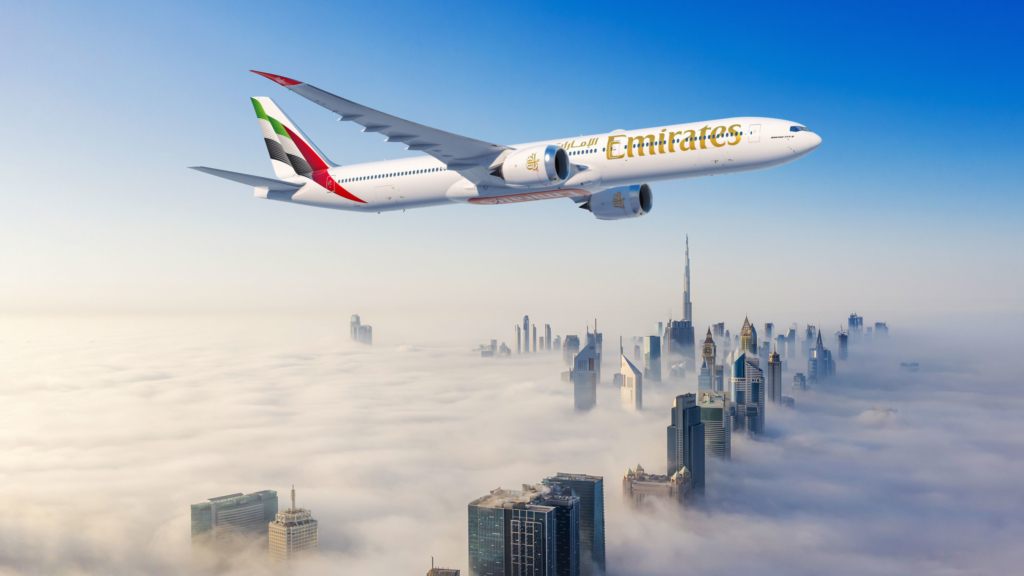
Emirates has also expressed interest in Boeing developing a stretched 777-10 variant, which would have larger passenger capacity.
For Emirates, the aircraft is central to replacing ageing Boeing 777-300ERs while supporting continued long-haul growth through Dubai.
Qatar Airways
Qatar Airways was originally to be the launch customer for the 777X when Boeing first unveiled the programme in 2013.

Years of delays changed those plans, but the Doha-based airline remains one of the largest customers with 124 aircraft on order, including both passenger and freighter variants. The airline has repeatedly stated that the aircraft will play a major role in its future long-haul fleet alongside the Airbus A350.
Singapore Airlines
Singapore Airlines has ordered 31 Boeing 777-9s, which will eventually replace older Boeing 777-300ER aircraft on some of its longest routes.
The airline has operated multiple generations of the 777 family in passenger service and cargo operations.
Cathay Pacific
Hong Kong-based Cathay Pacific has expanded its commitment to the programme to 35 passenger aircraft.

The airline intends to use the 777-9 to replace older 777-300ERs while supporting future long-haul expansion. Deliveries should begin after Lufthansa’s initial aircraft enter service.
British Airways
International Airlines Group (IAG) ordered 24 Boeing 777-9s for British Airways.
The aircraft will complement the airline’s Airbus A350-1000s on premium long-haul routes.
All Nippon Airways (ANA)
Japan’s All Nippon Airways (ANA) was among the earliest supporters of the programme and has 20 aircraft on order, comprising 18 passenger 777-9s and two 777-8 Freighters.
The airline intends to deploy the aircraft on high-demand international routes.
Korean Air
As part of its fleet renewal plans, Korean Air has ordered 20 Boeing 777-9s.
The aircraft will become one of the airline’s flagship long-haul types as it integrates operations following its acquisition of Asiana Airlines.
Air India
Air India ordered 10 Boeing 777-9s as part of its record aircraft purchase announced in 2023.
The aircraft will support the airline’s ambitious international expansion and premium long-haul strategy as it modernises its fleet under the Tata Group.
China Airlines
Taiwan’s China Airlines has ordered 23 aircraft, including 15 passenger 777-9s and eight 777-8 Freighters, giving it one of the few mixed passenger-freighter commitments on the programme.
Ethiopian Airlines
Ethiopian Airlines has committed to eight 777-9s, with options for additional aircraft.
The order supports the airline’s continued long-haul expansion across Africa, Europe, Asia and North America.
Freighter customers
Alongside passenger operators, Boeing has secured significant interest in the cargo version, the 777-8 Freighter, which competes with Airbus’ new A350F.
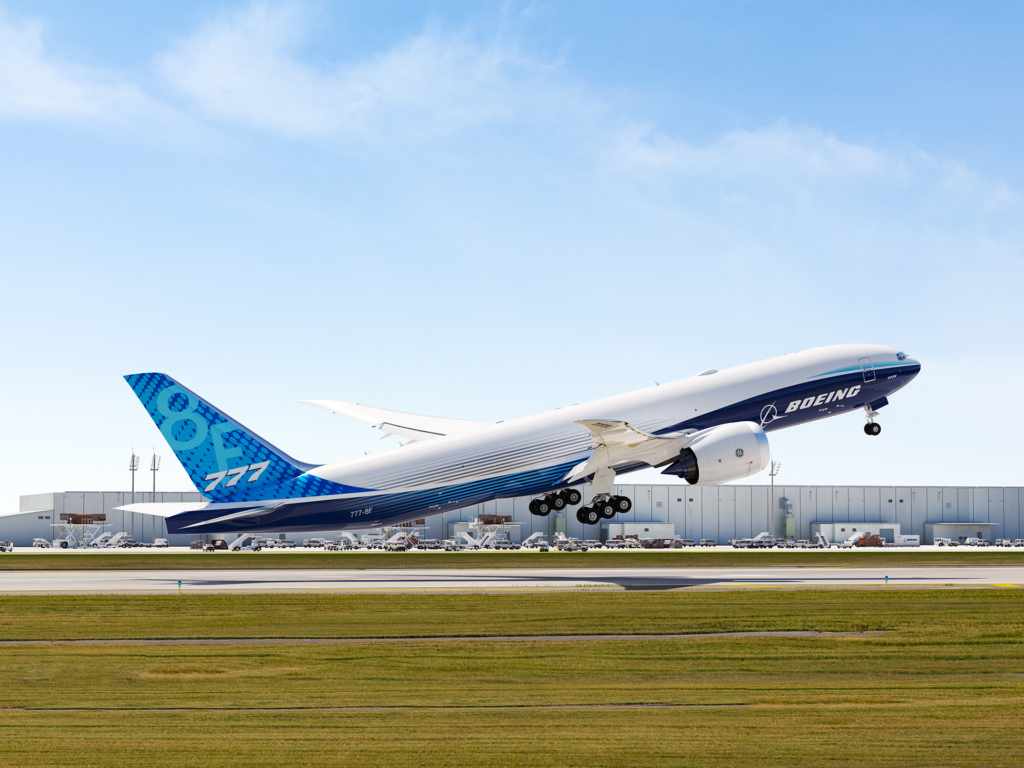
Current 777X freighter customers include:
- Lufthansa Cargo (7)
- Qatar Airways Cargo (34)
- Cargolux (10)
- China Airlines Cargo (8)
- Silk Way West Airlines (2)
Like its A350F rival, the 777X freighter is still pending certification.
Boeing 777X customers at a glance
| Airline | Aircraft on order* |
| Emirates | 270 |
| Qatar Airways | 124 |
| Cathay Pacific | 35 |
| Singapore Airlines | 31 |
| Lufthansa Group | 27 |
| British Airways (IAG) | 24 |
| China Airlines | 23 |
| ANA | 20 |
| Korean Air | 20 |
| Etihad Airways | 15 |
| Air India | 10 |
| Cargolux | 10 |
| Ethiopian Airlines | 8 |
| Silk Way West Airlines | 2 |
*Passenger and freighter variants combined where applicable. Figures reflect Boeing’s current firm order book.
The 777X takes on the A350
Although Airbus has enjoyed strong sales of the A350 during the 777X’s prolonged development, Boeing’s newest widebody remains the world’s largest twin-engine passenger aircraft.
The 777X offers folding composite wingtips, the new GE9X engine, a wider cabin than the A350, and significantly improved fuel efficiency over the 777-300ER it replaces. For airlines operating high-capacity long-haul routes, it is one of the few aircraft capable of replacing both the Boeing 747-400 and Airbus A380 on many missions.
If Boeing delivers the first aircraft to Lufthansa in 2027 as planned, it will finally mark the commercial debut of one of the industry’s most anticipated—and delayed—airliners.
Featured Image: Boeing