Bell taps Collins for key MV-75 systems as US Army FLRAA moves towards delivery

6 min read
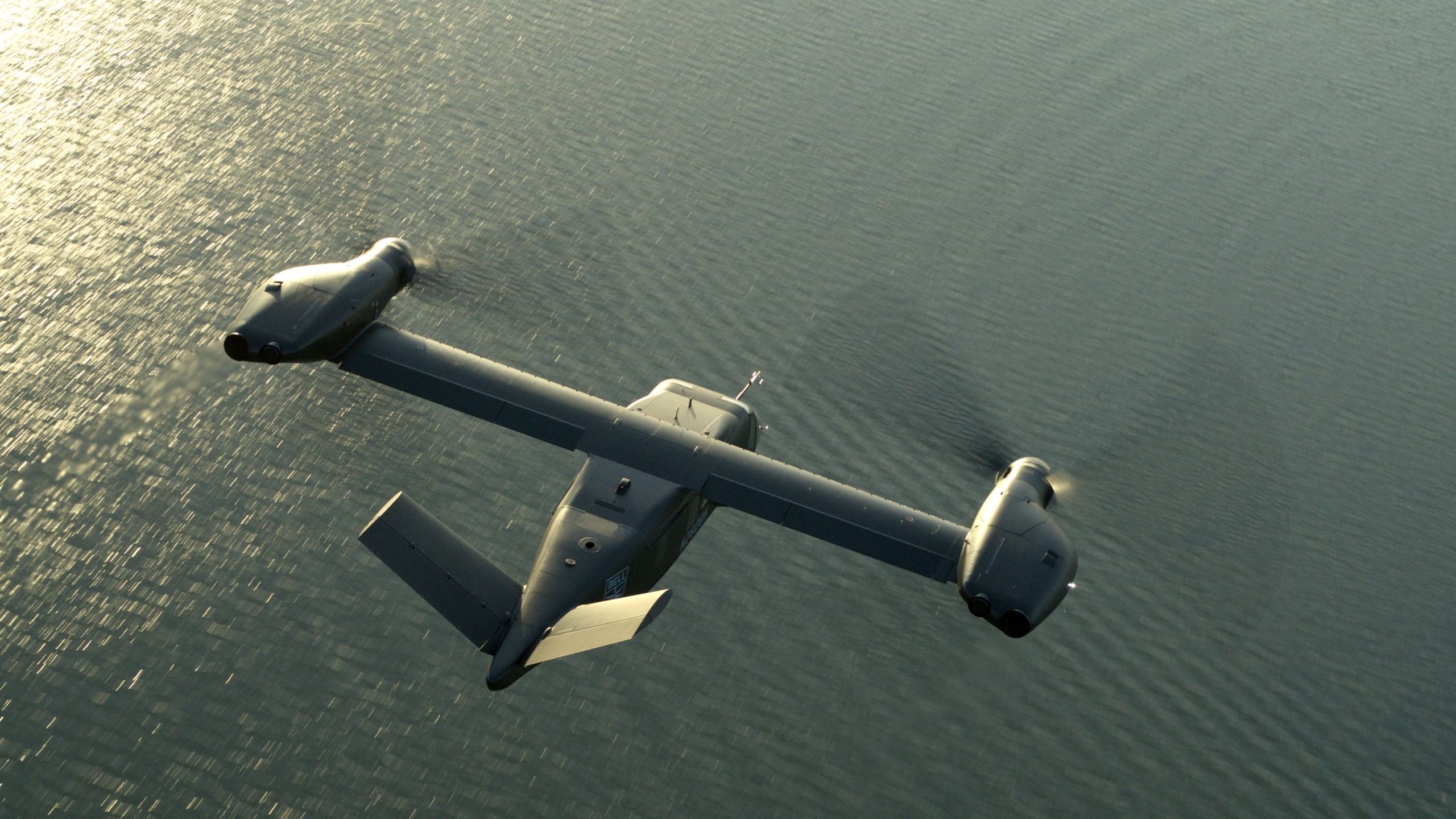
Bell has selected Collins Aerospace to supply five key systems for the US Army’s MV-75 Future Long Range Assault Aircraft (FLRAA), as the service moves its most ambitious vertical lift programme in decades closer to production and fielding.
The latest contracts, announced by Collins Aerospace, cover the aircraft’s main power generation system, interconnect drive system, SmartProbe air data system, cockpit seating and ice protection system, all core elements that will shape how reliably and safely the tiltrotor platform performs in demanding operational conditions.
More than a supplier announcement, the decision offers the clearest sign yet that Bell and the Army are now deep into the practical work of turning the MV-75 from a high-profile Future Vertical Lift concept into the backbone assault aircraft that will eventually replace a large part of the ageing UH-60 Black Hawk fleet.
Collins selection strengthens MV-75 FLRAA systems as US Army reshapes air assault operations
The MV-75 is the US Army’s Future Long Range Assault Aircraft, the centrepiece of its effort to field a faster, longer-range tactical transport platform for future combat operations.
Bell’s V-280 Valor was selected in December 2022 after a closely watched competition, and the aircraft has since moved steadily through the early stages of programme maturation.
The Army has now formally designated the aircraft MV-75, with the “MV” standing for multi-mission vertical take-off and the number “75” marking the Army’s founding year, 1775. The first prototype aircraft will carry the YMV-75A designation, in keeping with US military naming conventions.
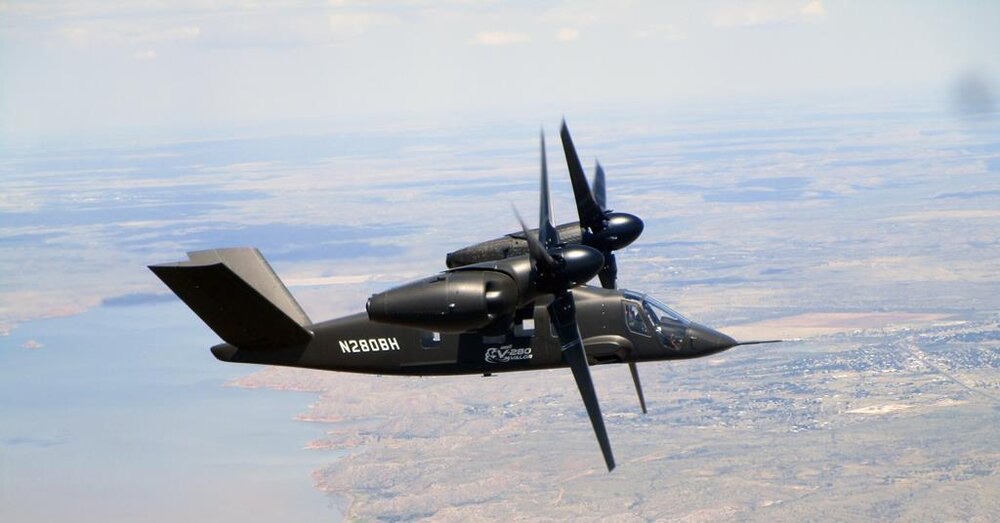
For Bell, bringing Collins into Team FLRAA for these systems is an important industrial milestone because it locks in key parts of the aircraft’s mission-critical architecture at a time when the programme is moving from concept validation into the harder phase of system integration and production planning.
Collins Aerospace said its work would support the Army’s goal of accelerating delivery of the aircraft while ensuring long-term sustainment.
“The Army’s new generation of rotorcraft needs to fly farther and faster, and we’re committed to helping Bell accelerate delivery of that advanced performance with Collins’ military-grade commercial technology,” said Troy Brunk, president of Collins Aerospace.
He added that Collins already had the manufacturing and support footprint needed to help sustain the aircraft for the next 50 years.
Bell’s Ryan Ehinger, senior vice president and FLRAA programme director, said Collins’ addition strengthened the industrial team behind the aircraft.
“Together, we are committed to delivering a high-performing, reliable aircraft that will provide the US Army with the critical capability it needs for the future fight,” he said.
The MV-75 is built around one central promise: To move troops twice as far and twice as fast as today’s helicopters
The FLRAA programme exists because the Army believes its current rotorcraft fleet is increasingly mismatched to the distances, threats and tempo of modern warfare.
For decades, the UH-60 Black Hawk has been the workhorse of US Army assault aviation.
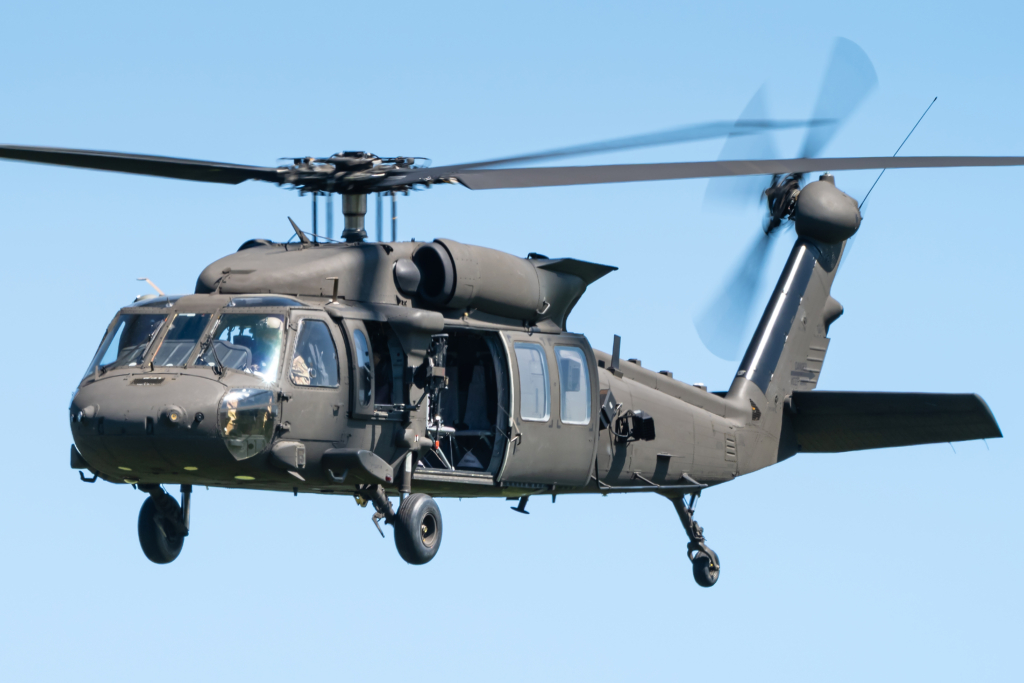
But planners have become increasingly concerned that traditional helicopters lack the range, speed and survivability needed for future operations, particularly in the Indo-Pacific and other contested theatres where forces may have to move over far greater distances.
That is the operational gap the MV-75 is meant to close.
Bell says the aircraft is designed to deliver more than twice the speed and range of the current fleet, giving commanders far greater operational reach while retaining the vertical lift flexibility needed for assault landings, logistics support, casualty evacuation and special operations missions.
Unlike conventional helicopters, the MV-75 uses tiltrotor technology, allowing it to take off and land vertically but fly at much higher speeds once in forward flight.
Bell says the aircraft combines the speed and endurance of a turboprop with the agility needed for low-level manoeuvre in complex environments.
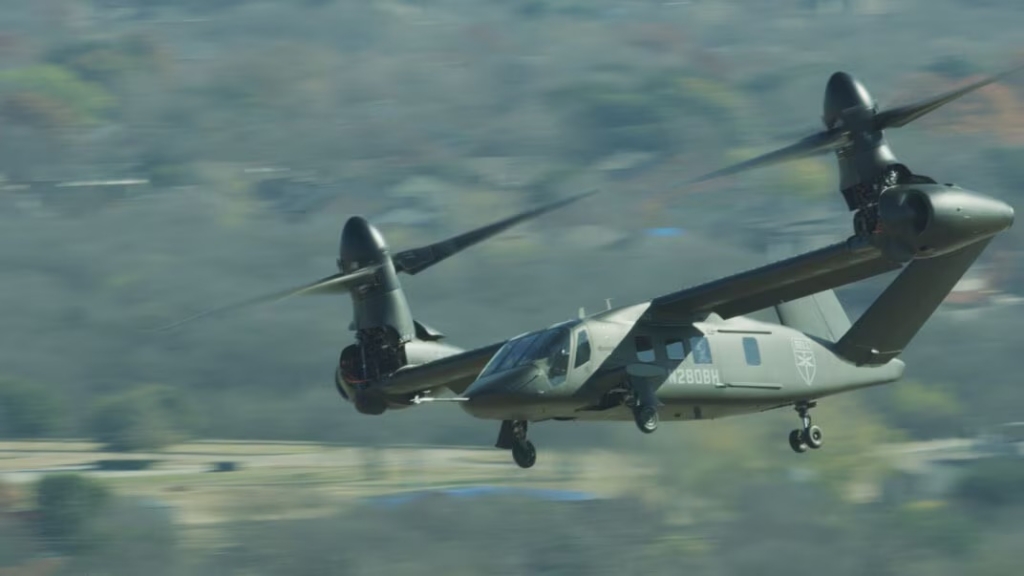
The aircraft’s roots lie in Bell’s V-280 demonstrator, which was developed specifically to prove that tiltrotor technology could be adapted into a more practical and maintainable military assault platform than previous designs.
Bell says flight testing of the V-280 validated the aircraft’s agility in pitch, roll and yaw manoeuvres and demonstrated the kind of high-speed, long-range performance the Army wants for future air assault missions.
That matters because the FLRAA is not simply intended to replace the Black Hawk one-for-one. It is meant to change how the Army thinks about manoeuvring itself.
Open systems design and sustainment planning are central to the Army’s effort to avoid past aviation pitfalls
One of the defining features of the MV-75 programme is the Army’s effort to build flexibility into the aircraft from the outset.
The FLRAA has been designed around a Modular Open Systems Approach (MOSA), allowing faster integration of sensors, mission systems, software upgrades and future capability inserts without requiring expensive redesigns.
Bell says the aircraft uses an open-architecture digital backbone intended to make upgrades quicker, cheaper and less disruptive across its service life.
That modularity is a major reason the Army sees FLRAA as a long-term platform rather than a short-term replacement programme.
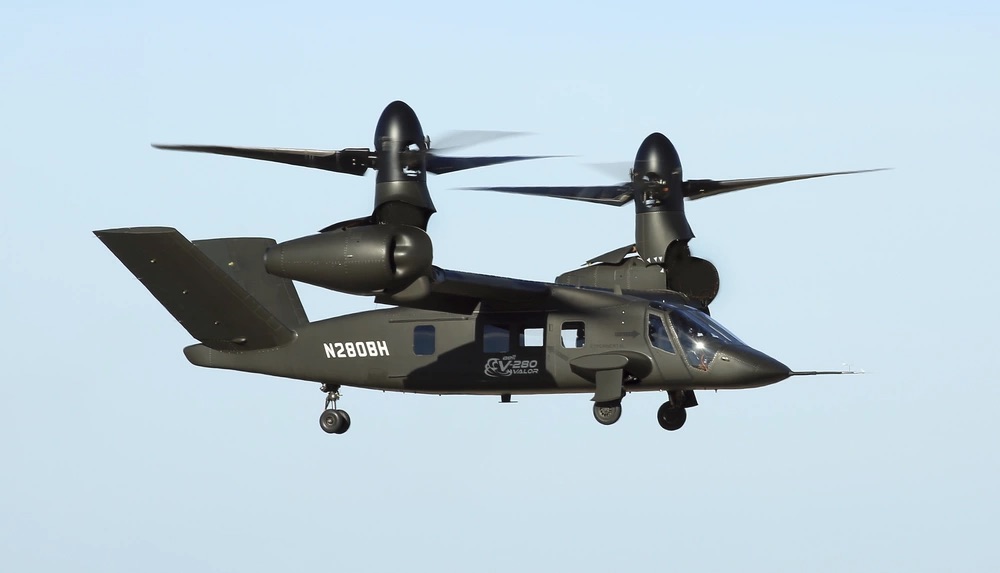
Brigadier General David Phillips, the Army’s programme executive officer for aviation, has described the aircraft as essential to delivering the speed, range and endurance needed for future large-scale combat operations. He said the service was committed to delivering FLRAA as part of its wider aviation modernisation drive.
Equally important is sustainment. Bell says the MV-75 has been designed to work with the same aviation ground support equipment already used by the Army and to integrate with existing sustainment data systems, an effort intended to reduce training burdens and lower long-term operating costs.
That is where Collins’ role becomes particularly significant. The systems Collins will provide are not peripheral components. Power generation and drive systems are central to aircraft reliability and mission availability, while air data sensing and ice protection directly affect performance in difficult operating environments.
Cockpit seating, meanwhile, has implications for crew safety, fatigue and survivability.
Taken together, they represent a significant share of the systems that will determine whether the MV-75 can deliver the kind of readiness rates the Army expects.
FLRAA programme tests US Army push to accelerate aviation modernisation
The FLRAA programme, formally initiated in 2019, is one of the Army’s most important acquisition reform test cases.
The service has repeatedly said it wants to move faster, avoid the cost overruns and delays that plagued earlier programmes, and field a capability that keeps pace with emerging threats rather than lagging behind them.
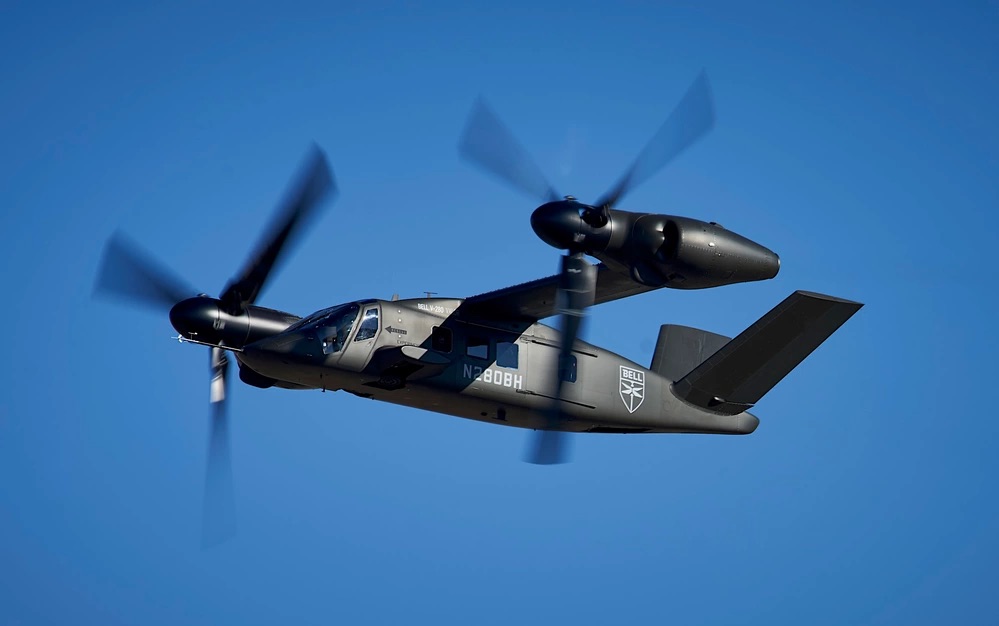
That is why FLRAA has been closely watched not only as an aircraft programme, but as a wider test of whether the Army can modernise its lower-tier air domain, what it increasingly calls the air-ground littoral with greater urgency.
The MV-75 is expected to support a wide range of missions, including air assault, long-range troop movement, MEDEVAC, logistics resupply, humanitarian assistance and special operations support.
Bell says its greater reach and standoff capability will allow forces to manoeuvre at operational distances that current helicopters struggle to cover efficiently.
Work on Collins’ systems will be spread across multiple US states, including Colorado, Illinois, Iowa, Minnesota, New York, Ohio and West Virginia, reflecting the programme’s growing industrial footprint.
Featued image: Bell Textron