Historic wartime Avro Anson returns to the UK airfield where it was built 83 years ago

4 min read
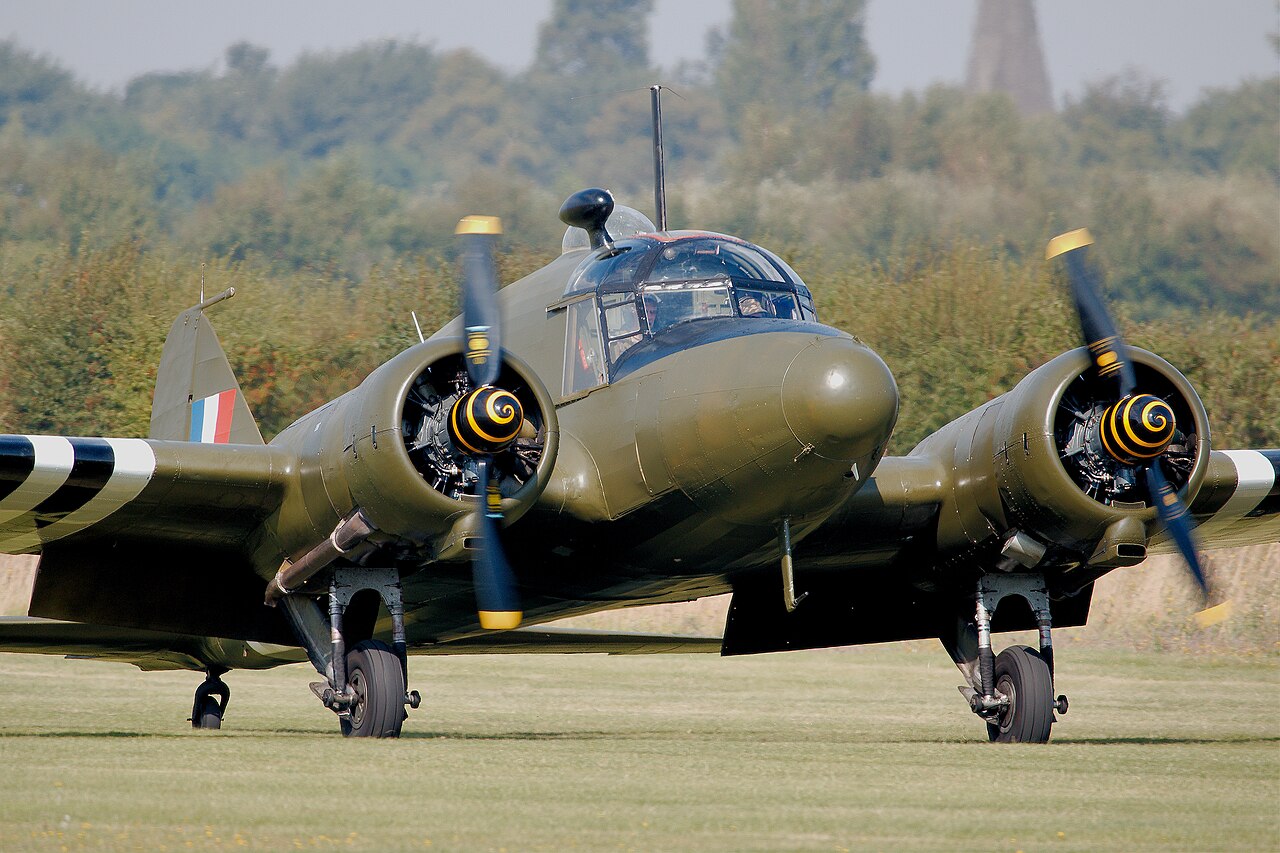
A historic RAF training aircraft has returned to its place of construction in Leeds for the first time in 80 years. The Avro Anson carrying serial number MH120 and named ‘Faithful Annie’ made a flying visit to Leeds-Braford Airport (LBA) in Yorkshire as part of a UK-wide tour that will see it appear at several airshows throughout the summer.
Avro Anson ‘Faithful Annie’ returns to Yorkshire
On the morning of 24 June, Avro Anson MH120 returned to Leeds Bradford Airport for a return to its birthplace, some 83 years after its first flight in 1943. MH120’s crew landed at the airport at 11:19 to briefly pay their respects to all those who worked on Avro Ansons throughout the War at the Yorkshire airfield, then known as Yeadon Aerodrome.
After a short stop to bring the Anson ‘home’, the aircraft (which also carries the Belgian civil registration OO-ANS) then took off at 12:34 and continued to Breighton Aerodrome near Selby (also in Yorkshire), where it landed at 12:57, marking the start of a two-day event.
As reported by The Yorkshire Post, The Real Aeroplane Club said that the Anson would be conducting public taxi runs at Breighton on 25 June, allowing those who wish to experience the power and noise of the classic Avro Anson while remaining firmly on the ground.
Avro Anson heading to LBA. 85 years old. Built in the factory at Yeadon. Blue Sky Live streaming on YouTube to capture the arrival. pic.twitter.com/EgHGluZi9u
— Marty Abbott ✈ 🇬🇧 💙💛 (@martyabbott936) June 24, 2026
The club said in a statement, “The event is open to the public, and we warmly invite everyone, especially those with connections to Avro [Aircraft Company] to join us in celebrating this remarkable occasion.”
Meanwhile, the ‘Bring Annie Home’ project said on its website that it had been planning to bring MH120 back to Yorkshire, to the county where she was built, and reunite her with the families of the men and women who worked to create her.
The project added that it hoped the visit would allow aviation enthusiasts “to see this wonderful aircraft in person as “Faithful Annie’ returned to Yorkshire. This is about remembrance, recognition, and restoring a powerful piece of shared heritage to the place it belongs.”
Being hosted as a charitable event, all proceeds from the event in Beighton will be divided between three organisations dedicated to preserving and commemorating aviation history. These included the RAF Station – Czechoslovakia, The Real Aeroplane Charitable Organisation and The Avro Heritage Trust.
A brief history of the Avro Anson
Remembered by those who flew Ansons as slow, cold and noisy, the Anson Mk. 1 began life in 1936 as a coastal reconnaissance aircraft for the Royal Air Force (RAF) Coastal Command.
By the early years of the War, it was already becoming obsolete, and it was progressively replaced by the more capable Lockheed Hudson, which had greater speed, range, and armament. By 1942, the Anson had largely disappeared from frontline coastal patrol duties.
However, the Anson’s most important wartime role became training pilots, navigators, wireless operators, bomb aimers, and air gunners. It initially served as a stopgap trainer until the Airspeed Oxford became available in large numbers, but in practice, the Anson remained a major training aircraft throughout the War.
After the War, RAF training schools gradually transitioned to newer aircraft such as the Percival Pembroke and the de Havilland Devon, as navigation and multi-engine training requirements evolved. The Anson nevertheless remained in specialist training roles, as well as light transport and communications duties for many years. The last RAF Ansons were retired in June 1968.
The background to MH120 ‘Faithful Annie’
Given its background, MH120 ‘Faithful Annie’ is one of the most important training and patrol aircraft used by the Royal Air Force during the Second World War. Additionally, MH120 is one of only three surviving examples of wartime Avro Ansons and the only Mk. 1 example left flying.
MH120 was built in 1943 and initially served with both the Royal Air Force (RAF) and the Royal Australian Air Force (RAAF) during its service life. After its military service was over after the War ended, the aircraft entered civilian ownership in Australia as VH-BAF.
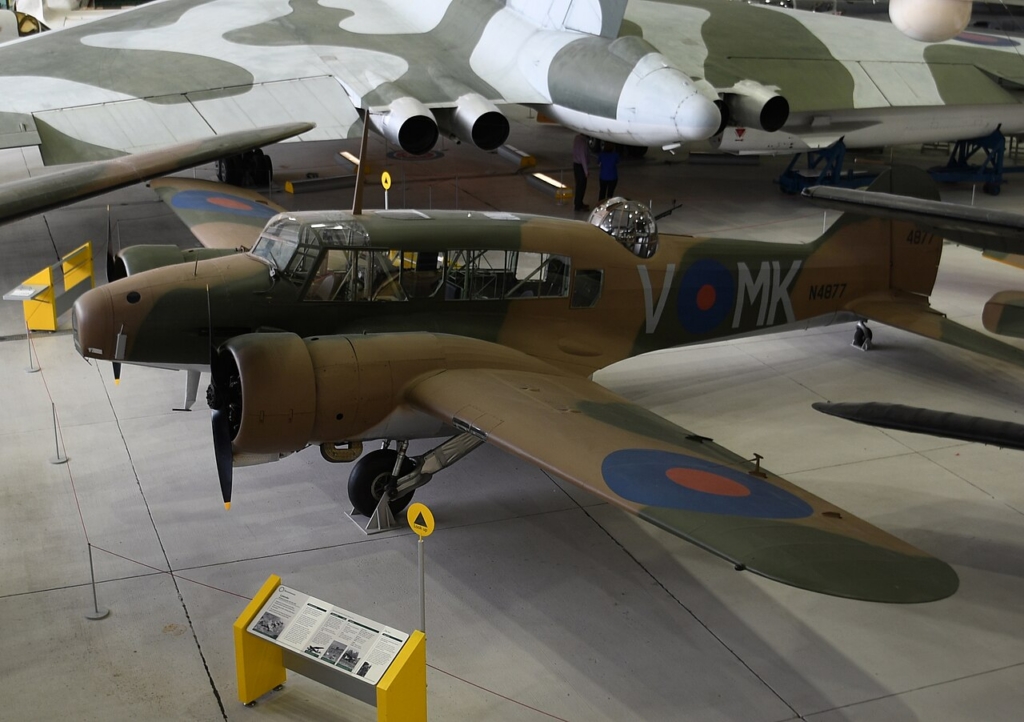
Over the decades, it experienced various changes, including a crash and subsequent rebuilding, before eventually becoming the focus of a major restoration project.
Transported to New Zealand, where it was re-registered as ZK-RRA, aviation restorer Bill Reid undertook a painstaking restoration of MH120, returning the aircraft to its wartime Mk I configuration and becoming a favourite on the warbird display circuit.
In 2024, it was announced that MH120 had been sold by its New Zealand owners and would move to the collection of RAF Station Czechoslovakia in the Czech Republic, where it would assume the civil markings OO-ANS. It was said at the time that the move would “ensure its preservation and continued operation as a flying historic aircraft.”
MH120 remains iconic as it is not one of a small number of surviving Ansons, but it represents an aircraft type that trained and supported countless Allied airmen during the Second World War.
Featured image: Airwolfhound / Wikimedia Commons