Aviation for Good launches first humanitarian projects at Farnborough Airshow

4 min read
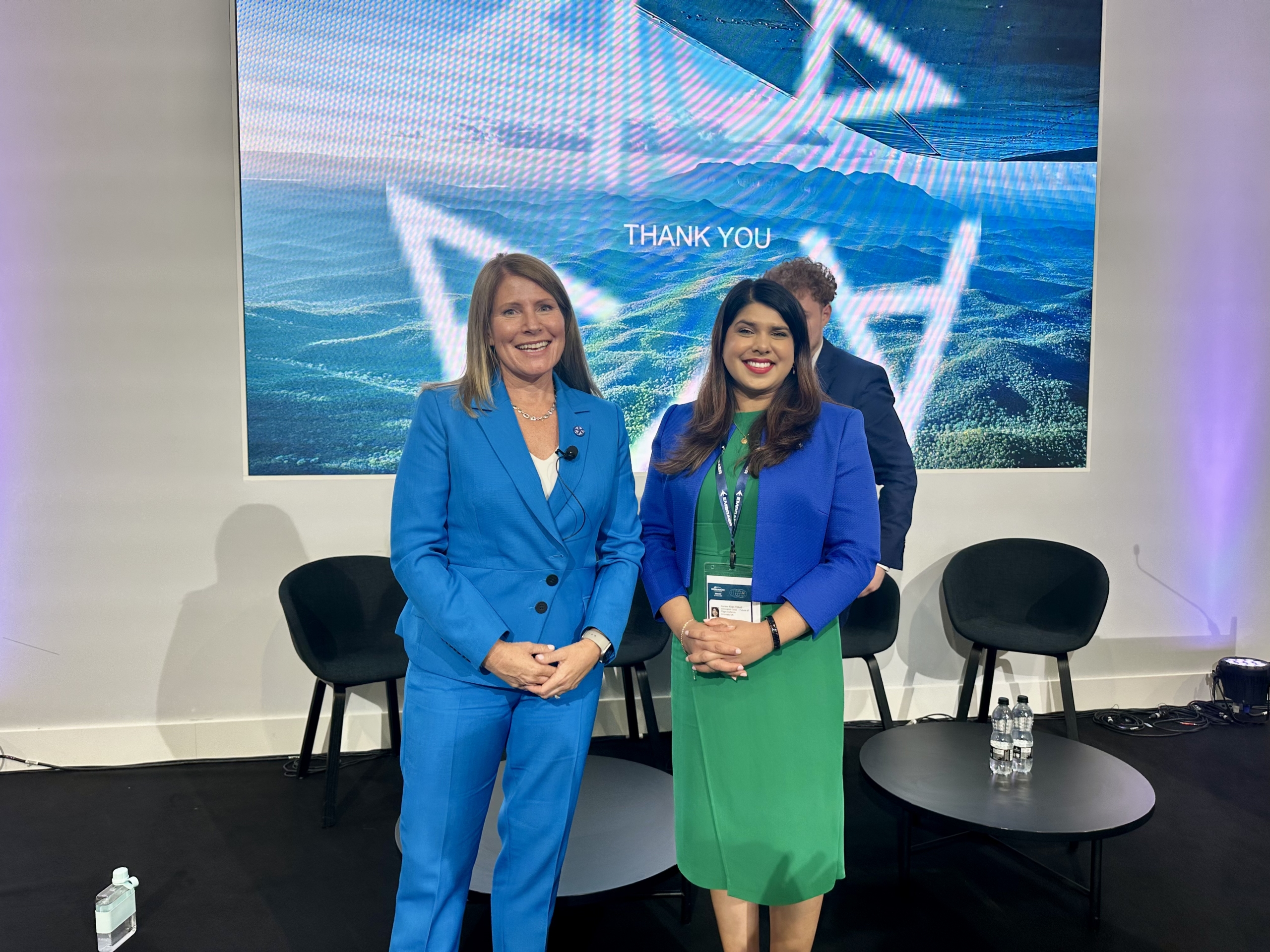
Aviation for Good has launched its first two humanitarian projects at Farnborough International Airshow, supporting flights to restore sight in remote African communities and reconnect a village isolated after a cyclone destroyed its bridge.
The charity is seeking support from across the aerospace industry to fund aircraft carrying medical teams, engineers and essential equipment into communities that cannot be reached reliably by road.
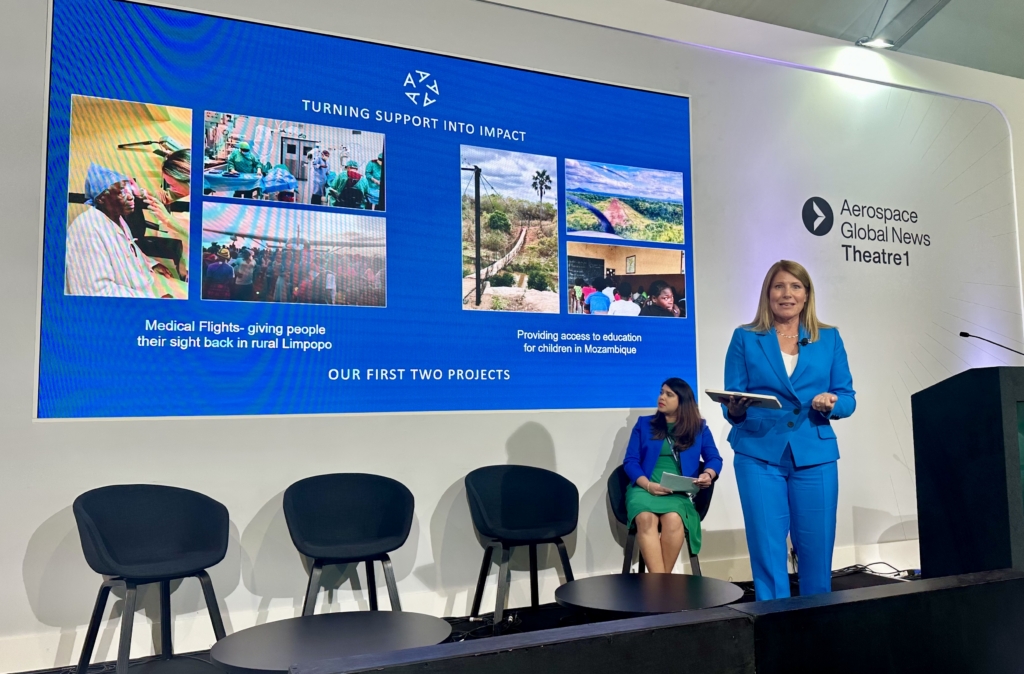
Its first campaign will enable surgeons and volunteer medical teams to reach people living with preventable blindness in remote parts of Africa. Cataract operations can take as little as 15 minutes, but patients are often separated from treatment by poor infrastructure and long, difficult overland journeys.
The second project will support the reconstruction of a bridge destroyed by a cyclone earlier this year. The loss of the crossing has left an isolated community cut off, preventing children from reaching school and restricting residents’ access to essential services.
Aircraft will be used to carry engineers, personnel and construction materials into the area so the bridge can be rebuilt.
Aviation funding for established operators
Aviation for Good will not own aircraft or conduct flights itself. Instead, it will raise money from aerospace companies and individuals before working with established humanitarian aviation organisations that already possess the aircraft, pilots and local expertise required.
“We’re not planning to become an airline,” Aviation for Good chair Rachel Gardner-Poole OBE told the Aerospace Global News Theatre at Farnborough. “We are a fundraising charity working with partners that already have the aircraft and the operational expertise.”
These operators typically use versatile light aircraft, including the Cessna Caravan and Cessna 206, which can land on short, unpaved airstrips. Their cabins can be reconfigured to carry medical teams, patients, engineers or boxes of essential supplies.
The charity plans to formally announce its delivery partners when the two campaigns and its new website go live following the airshow.
Bridging the gap between aerospace and humanitarian aviation
Gardner-Poole said Aviation for Good was created after conversations with more than 50 senior industry leaders revealed significant interest in humanitarian causes, but also practical barriers preventing companies from contributing.
The charity provides a framework through which aerospace organisations can support clearly defined humanitarian missions while measuring the resulting social impact.
“We’re not competing with the operational charities, and we never intend to,” Gardner-Poole said. “If people want to give directly to our partners, that’s great. We are raising awareness, bringing the aerospace industry into this work and providing a framework that makes it easier for organisations to contribute.”
Aviation for Good is initially seeking five founding partners willing to contribute at least £10,000 each. It is also inviting individuals to become fundraisers, volunteers and ambassadors.
Further projects under consideration include medical flights for children in South Sudan, aviation safety initiatives and flights supporting access to education and technical training.
The most important flights people never see
Kerissa Khan, an Aviation for Good trustee and former president of the Royal Aeronautical Society, said humanitarian aviation demonstrates the industry’s ability to connect people with healthcare, safety and opportunity.
“Some of aviation’s most important flights are rarely seen and hardly taken,” she said. “For those who take them, it can mean a chance of survival, and for those they reach, it often means their only access to medical care, food, safety and other essential supplies.”

The charity also hopes that promoting this work will inspire young people who want careers combining technical expertise with a wider social purpose.
“For an isolated community, aviation can mean access to medical care, food, education or safety,” Gardner-Poole concluded. “There is a place for individuals and companies to donate, volunteer, fundraise or simply help spread the word.”
For Aviation for Good, the mission is to support the flights most people will never take, but which can change everything for the communities they reach.
How can you support Aviation for Good?
Aviation for Good is inviting both individuals and organisations to support its humanitarian aviation projects.
Aerospace companies can become founding partners, with the charity initially seeking five organisations willing to contribute at least £10,000 each. Founding partners will be recognised on the Aviation for Good website and can help shape the charity’s future campaigns.
Individuals and businesses can also:
- Donate to a specific humanitarian flight campaign
- Organise fundraising activities
- Volunteer their time or professional expertise
- Become an Aviation for Good ambassador
- Promote the charity’s work through their networks
- Follow Aviation for Good on social media and register for campaign updates
The charity is particularly interested in volunteers from across the aerospace sector who can support fundraising, communications and industry engagement.
“There is a place for you in this mission,” said Aviation for Good chair Rachel Gardner-Poole OBE. “Whether you are an individual or a company that can donate, volunteer, fundraise or help spread the word, you can help us bridge the gap between isolation and opportunity.”
Sign up for our newsletter and get our latest content in your inbox.


More from


October 13, 202612 min read