Airlines push for cheaper used engine parts as shortages cost $6bn

3 min read

The airline industry is calling for greater competition in the aircraft engine aftermarket, arguing that restrictions on the use of some parts are contributing to shortages and pushing up costs.
The International Air Transport Association (IATA) cited evidence showing that engine shortages cost airlines nearly $6 billion last year, with carriers facing lengthy maintenance delays and limited availability of replacement parts.
IATA is urging engine manufacturers to give suppliers more freedom to provide used components in order to alleviate the backlog and lower prices. The intervention follows a European Commission antitrust investigation into alleged anticompetitive behaviour by Pratt & Whitney.
The closure of the investigation followed the company’s amendment of contractual clauses, which removed possible obstacles to access to critical input and services faced by spare parts suppliers.

What was the European Commission investigating?
The European Commission was concerned that Pratt & Whitney’s contracts could make it harder for independent suppliers to compete in the market for used serviceable material (USM) – specifically relating to turboprop aircraft engines.
USM companies buy used engine components, inspect and repair them, and return them to the market as certified replacement parts. To do this, they need access to used engines or components that can be dismantled for parts, as well as certification services confirming that those parts are safe to reuse.
The commission was concerned that Pratt & Whitney’s agreements with maintenance providers could restrict them from selling used engine components to independent USM suppliers or providing the certification needed to return those parts to service.
Following discussions with the EC, Pratt & Whitney changed its contracts to remove those restrictions. It also clarified that maintenance providers within its network are free to buy USM from independent suppliers.
The commission subsequently concluded that its competition concerns had been addressed and decided that no further EU action was necessary.
What are airlines asking for?
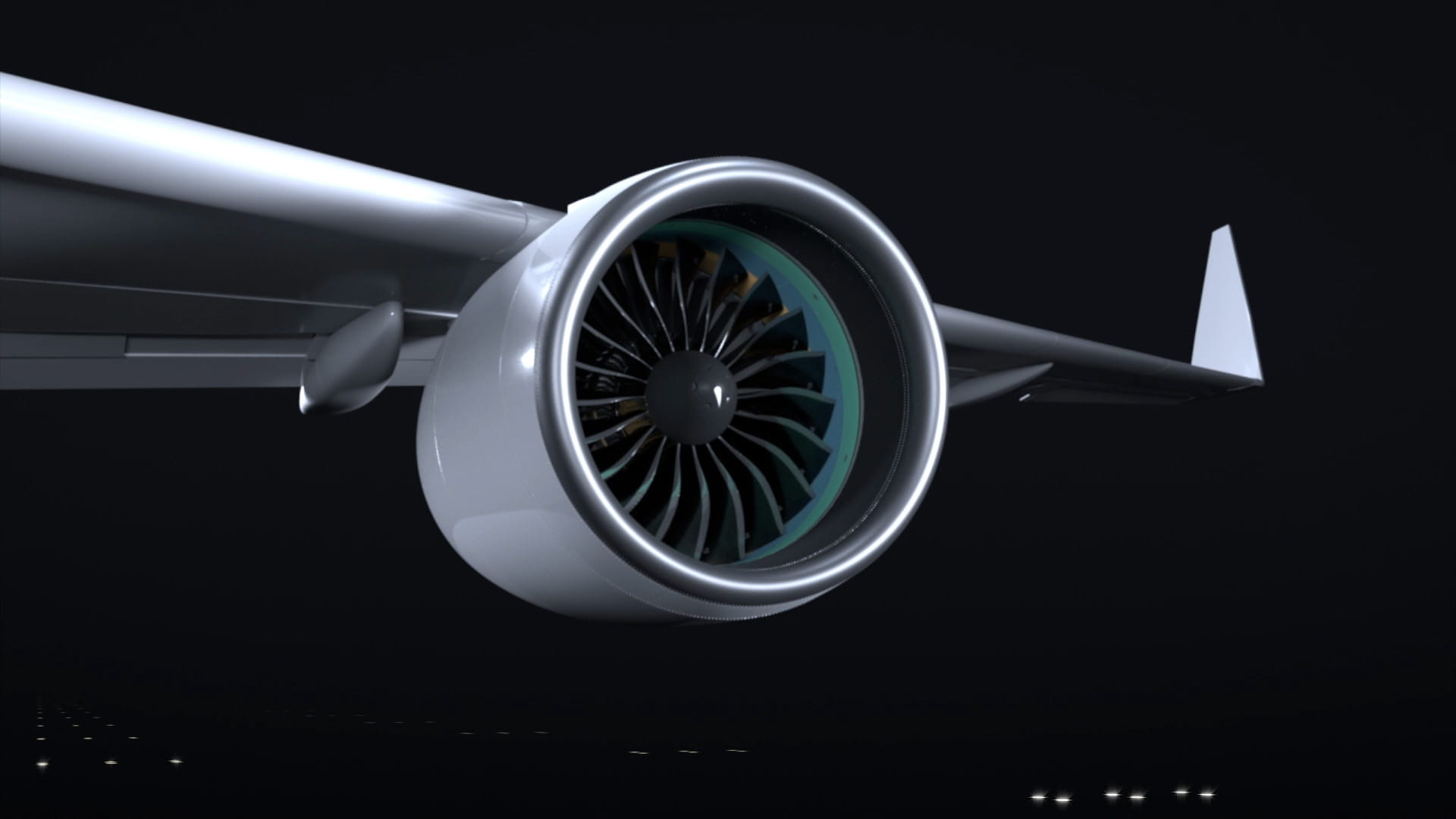
Airlines want similar principles to apply more broadly to the much larger commercial jet engine aftermarket.
The issue is significant as airlines are working with an engine supply chain that has remained under pressure since the pandemic.
A shortage of engines and spare parts has contributed to aircraft remaining on the ground for extended periods, while maintenance providers have faced difficulty obtaining components needed to return engines to service. In some cases, aircraft have been grounded, sold or returned to lessors due to the lack of durability.
IATA said the Pratt & Whitney changes represented progress, but argued that the underlying competition issue extends beyond turboprop engines.
“The European Commission Directorate-General for Competition’s work has resulted in Pratt & Whitney Canada making changes that will bring more competition and choice to one part of the turboprop engine aftermarket. But critically, the principles of fair access, competition and customer choice should apply across the entire engine aftermarket,” said Nick Careen, IATA’s Senior Vice President Operations, Safety and Security.
“Whatever engine an airline is using, the airline should have the freedom to choose among all regulator-approved maintenance facilities and regulator-approved parts and repairs.
“In the short term, this could play a significant role in alleviating parts shortages and maintenance capacity constraints that have increased costs and grounded aircraft. And in the long term, the sector needs the efficiencies that more competition can bring to the engine aftermarket.”
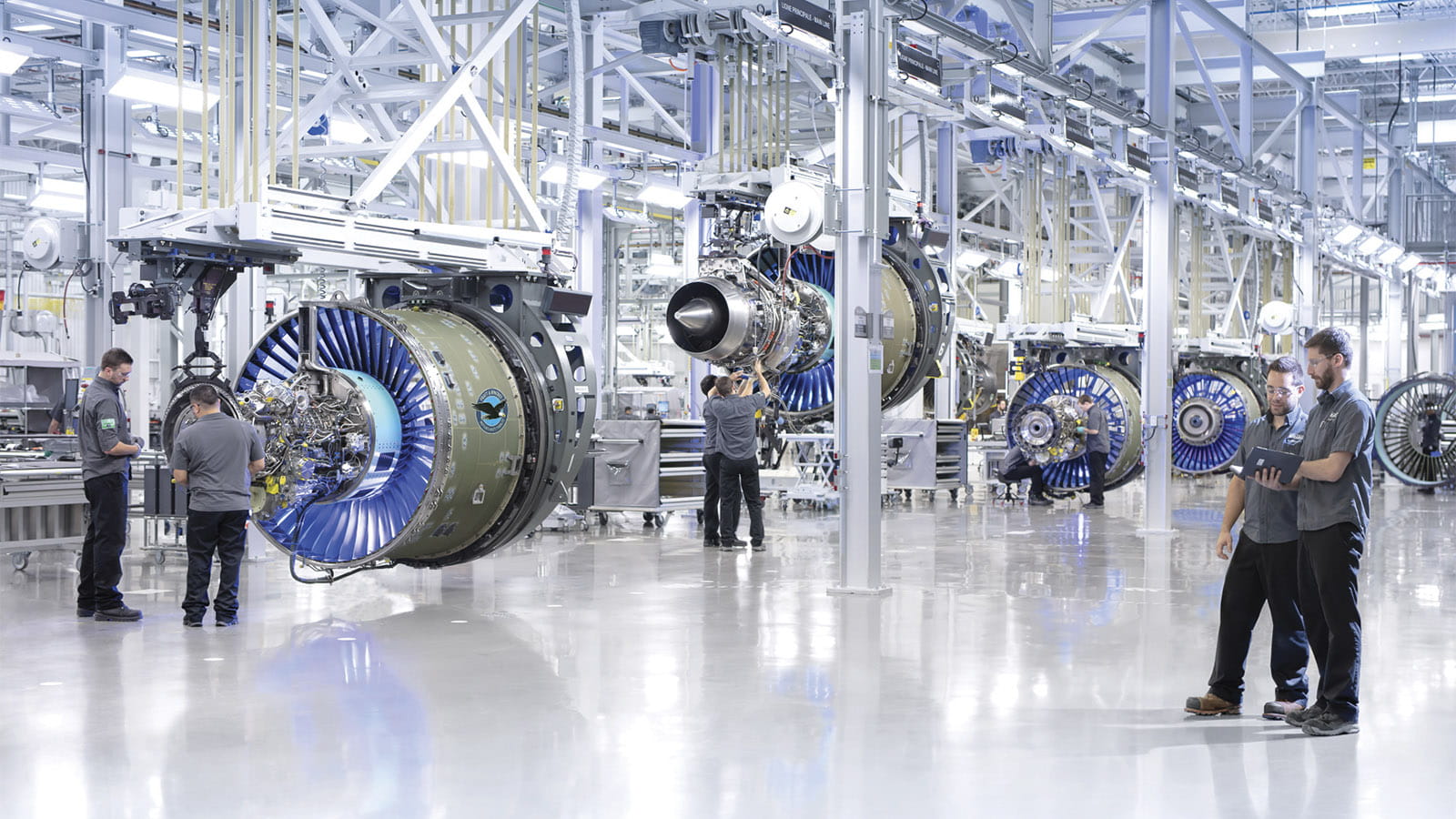
The association has previously raised concerns about restrictions imposed by engine manufacturers on the use of used serviceable material, saying the agreements can limit airlines’ and maintenance providers’ ability to source parts from alternative suppliers.
IATA said wider competition could help reduce costs while increasing the pool of available parts at a time when airlines are struggling with maintenance capacity and supply chain constraints.