


UK travellers say sustainability matters, but flight booking behaviour tells a different story

4 min read
A new UK passenger survey commissioned by the World Travel Catering & Onboard Services Expo (WTCE) has highlighted a striking “sustainability gap” between the preferences travellers express as values and the actions they take when booking flights.
The research is published in a new report, A Greener Passenger Experience, A Smarter Airline Strategy, based on a survey of 2,000 UK travellers and written in collaboration with Matt Crane, Founder of The Aviation Sustainability Forum (ASF) and WTCE’s Sustainability Ambassador.
The WTCE report, based on the survey’s findings, suggests airlines could strengthen trust, inflight spending, and loyalty simply by making their green initiatives more visible in the cabin.
The sustainability gap between passenger values and booking behaviour
The report draws attention to a sharp disconnect between what travellers say and what they actually do:
- 51% of UK travellers say sustainability matters when choosing an airline
- Yet 68% admit they have never selected a carrier based on environmental credentials
This motivation–action gap suggests airlines need to make their sustainability efforts more visible to passengers so passengers perceive real value in booking with airlines that prioritise sustainability.
“Travellers want to believe that airlines are changing, but they need proof,” Crane states in the report. “The research data shows hope, but also hesitation from passengers. We can see a clear ‘trust deficit’—progress is being made, but passengers aren’t seeing it. Airlines that make sustainability visible—not just operationally but experientially—will be able to close that gap and earn long-term credibility.”
Passengers are willing to pay more for sustainability, but trust remains low
The report also points to revenue upside for airlines that make sustainable options both visible and credible.
More than a third of travellers (37%) said they would accept paying a premium for more sustainable onboard options, with most (72%) comfortable paying 6–10% more.
However, the same survey exposes a major credibility problem:
- only 14% of respondents believe airlines are genuinely sustainable
- only 40% of passengers believe the industry is moving in the right direction on sustainability
The report suggests airlines could shift perception more quickly with clearer communication and more visible onboard actions.
Sustainability becomes more influential once passengers are onboard
While sustainability may not yet be a decisive factor at booking for most travellers, the survey suggests its impact increases once people are in the cabin—particularly when it is reflected in the passenger experience in visible ways.
According to WTCE’s findings, 42% of passengers say their in-flight purchasing decisions are influenced by eco-friendly cues. Asked which onboard sustainability initiatives most influence their perception of an airline, travellers responded:
- 33% reducing single-use plastics
- 31% improving recycling onboard
- 26% introducing paperless experiences
Those results create a clear commercial incentive for airlines to make sustainability a product feature that changes what passengers choose to buy onboard.
Catering waste is a visible sustainability problem
The survey also highlights the scale of in-flight food waste as a tangible example of where sustainability and airline economics align.
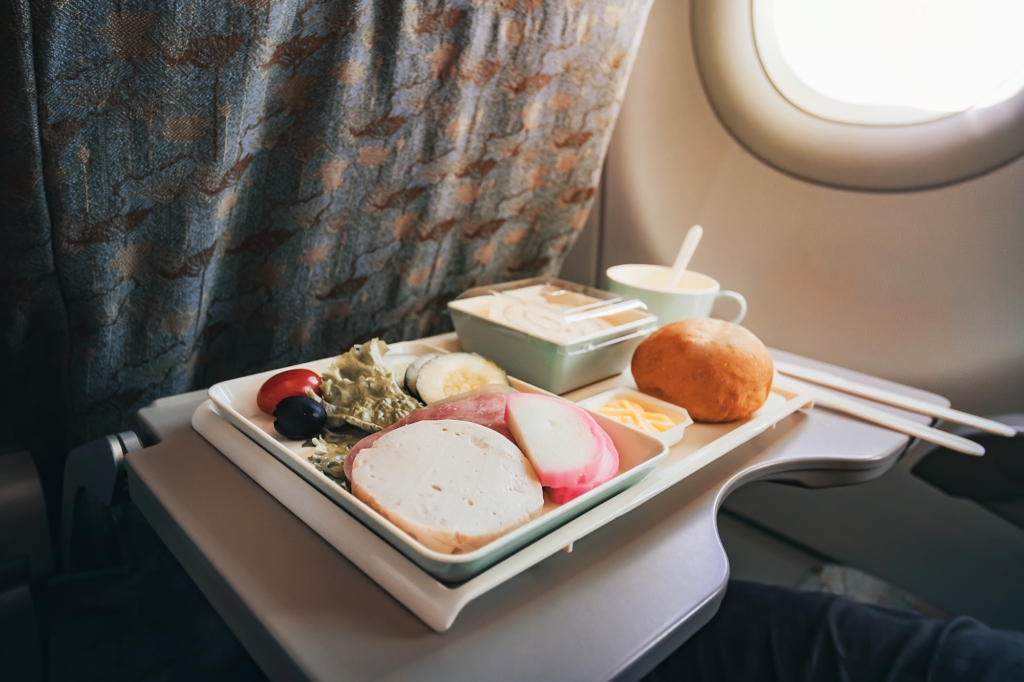
WTCE found that 18% of complimentary food and beverage still goes untouched, pointing to clear opportunities to improve both operational efficiency and environmental performance.
Crane argues that waste is the most immediate proof point for airlines, as passengers can see its impact directly. “Waste reduction is tangible. If airlines make these improvements visible, they can close the trust gap quickly,” he says.
Sustainability is becoming an onboard “product feature”
WTCE also positions sustainability as increasingly linked to passenger perception—and passenger spend—in inflight retail and catering.
WTCE Retail Technology Ambassador and ExpAir Founder Kai Kosicki says sustainability has evolved into a defining factor in onboard hospitality.
“When airlines integrate sustainability into their retail and catering offer, it doesn’t just improve brand credibility – it directly drives engagement and spend,” Kosicki says.
What airlines can do next: pre-ordering, smarter loading and better packaging
The report points to several operational strategies airlines can use to respond to shifting passenger expectations, including:
- smarter loading models and pre-order systems to reduce waste and improve service accuracy
- plastic-free, recyclable or mono-material packaging to improve sustainability performance and credibility
- eco-led retail ranges, digital menus and paperless interactions to modernise the cabin experience while reducing waste
WTCE argues these measures can deliver both tangible environmental improvements and commercial benefits, enhancing passenger confidence while supporting stronger onboard performance.
The WTCE study suggests airlines have a clear opportunity: passengers may not yet book flights based on sustainability, but they are noticing it more on board—and many are willing to pay more when greener options are visible and credible.
With the 51%-68% sustainability ‘say/do’ gap still wide, the message to airlines is simple: make sustainability easier to see, and passengers may be more willing to trust and spend.
Featured Image: MNStudio | stock.adobe.com
Sign up for our newsletter and get our latest content in your inbox.


More from

September 11, 20265 min read

September 12, 20264 min read


