Airline waste: What happens to uneaten meals from commercial flights?

4 min read
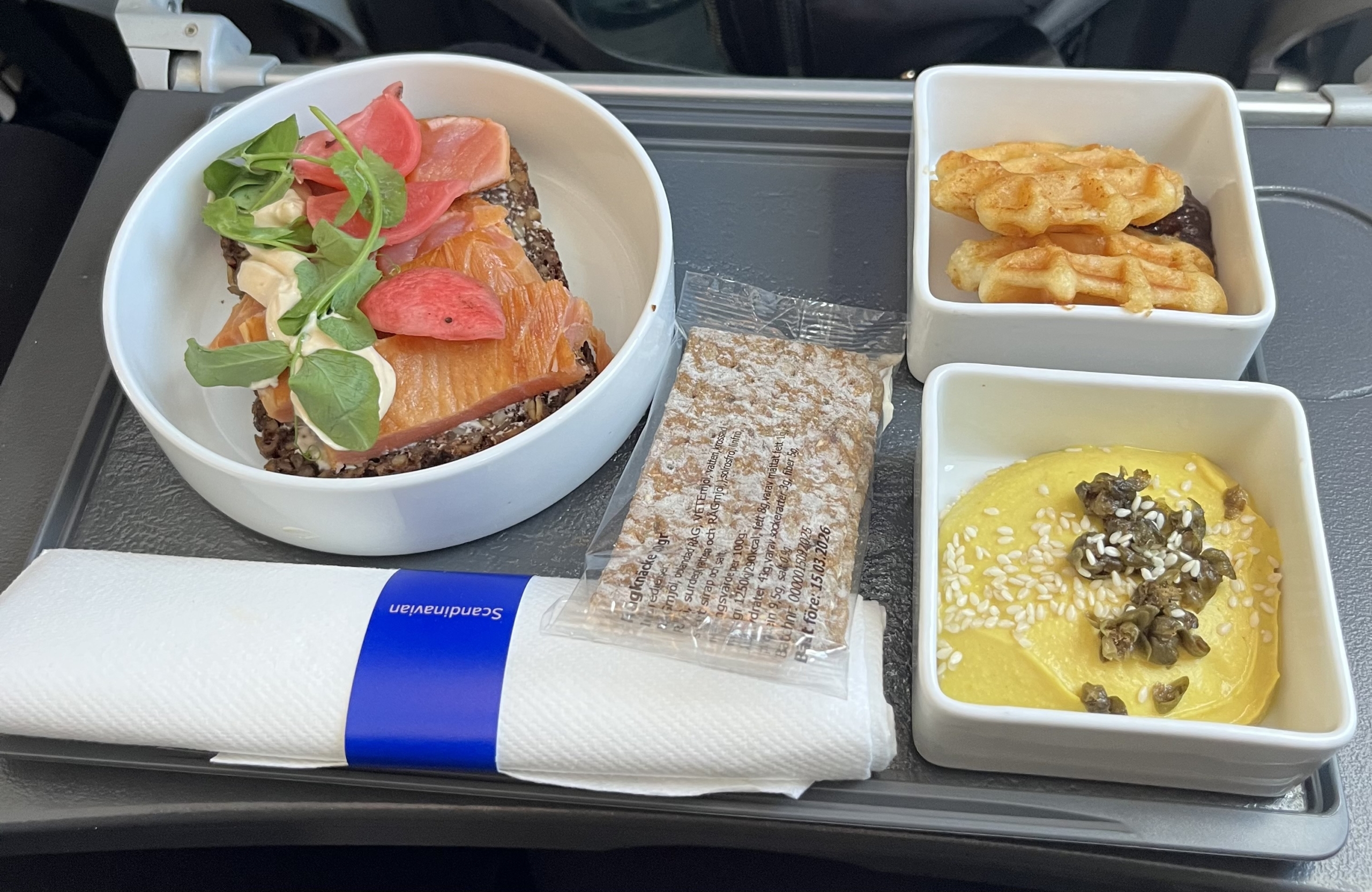
Food waste is a big challenge for airlines. With each passenger meal costing anything from $5-$100 to produce, depending on airline and cabin, it’s a major overhead too.
Dealing with leftover meals is not as simple as just tossing leftovers in the bin. There are strict rules based on safety, cost and sustainability that guide what can be reused and what has to be thrown out.
There are also different rules for domestic and international flights.
What are airlines doing to reduce food waste?
According to a recent audit by the International Air Transport Association (IATA), the aviation sector produces about 3.6 million tonnes of cabin and catering waste each year. Airlines have therefore had to get creative in cutting down the leftovers.
For instance, Lufthansa offers passengers the option to purchase fresh meals at a reduced price on the day’s final flights (called “Onboard Delights Last Minute”).
KLM is also using artificial intelligence to estimate the precise number of meals required for each flight. Several other airlines, including Lufthansa and Etihad, are also following suit.
Additionally, Qatar Airways is tackling food waste with the help of a biodigester that can process over a ton of organic matter into grey water each day, which can then be safely discharged.
Can uneaten food from domestic flights be reused?
On domestic routes, things tend to be a bit more flexible. Airlines work closely with catering companies that load and unload meals for each flight. When food returns to the ground unopened, like sealed snacks, bottled drinks, or pre-packaged sides, those items may be cleared for reuse.

Don’t worry, though. This doesn’t mean yesterday’s chicken pasta is getting reheated and served again. Only factory-sealed, shelf-stable goods are allowed to go back on the trolley. Anything fresh, perishable or even slightly questionable is thrown away immediately for safety reasons.
This reuse system helps reduce waste, especially when you consider how many perfectly good packets of crisps and cans of drink go untouched on a typical flight.
Why is this not the case with international flights?
Once an aircraft crosses borders, the rules change. Countries with strict agricultural laws, like the United States, Australia, New Zealand and many in the EU, treat international food waste as a potential biohazard threat.
The concern is about invasive pests, plant diseases or contaminants hitching a ride in leftover meals. Even a banana peel or half-finished sandwich from another country can technically introduce risks.
Because of these regulations, most uneaten food from international flights is either incinerated, steam-sterilised or deep-buried in regulated waste facilities.
This isn’t optional. Airlines must follow these government protocols, right down to how rubbish bags are sealed before they even leave the aircraft.
Do airlines ever donate their leftover meals?
It’s a nice idea, but donating aircraft food isn’t as simple as it sounds. Stringent food safety rules and liability concerns make it difficult, especially for meals that have already been loaded on an aircraft.
That said, some airlines are beginning to roll out donation programs for domestic, untouched, and still-safe items. A few catering companies have also partnered with local charities to pass along packaged snacks, baked goods or other items that meet strict guidelines.
The efforts aren’t widespread yet, but they’re a step in the right direction as airlines look for ways to reduce their environmental impact.
What about recycling and composting?
Sustainability is becoming a bigger priority across the industry. On certain domestic flights, recyclables like cans and bottles are separated, while food scraps may be directed into compost programs.
Airports including Seattle, San Francisco and Amsterdam have been leading the charge with large-scale composting and recycling initiatives that help reduce the amount of airline waste heading to landfills.

Every tray matters
Handling leftover airline food is a lot more complicated than it looks. While there’s still plenty of waste, especially on international flights, airlines are finding smarter ways to cut down, from reusing certain domestic items and donating safe, untouched food to recycling and composting whenever possible.
Every tray, snack and drink that comes back from a flight is carefully managed to balance safety, cost and sustainability. Although there’s still some way to go, the industry is slowly but steadily moving towards greener, more responsible ways of handling surplus catering.
Get all the latest commercial aviation news on AGN here.
Featured image: Emma Lewis
Sign up for our newsletter and get our latest content in your inbox.


More from

October 17, 20265 min read

October 17, 20264 min read