Australia’s Rex Airlines sold to Air T in $172.5m deal backed by government

3 min read
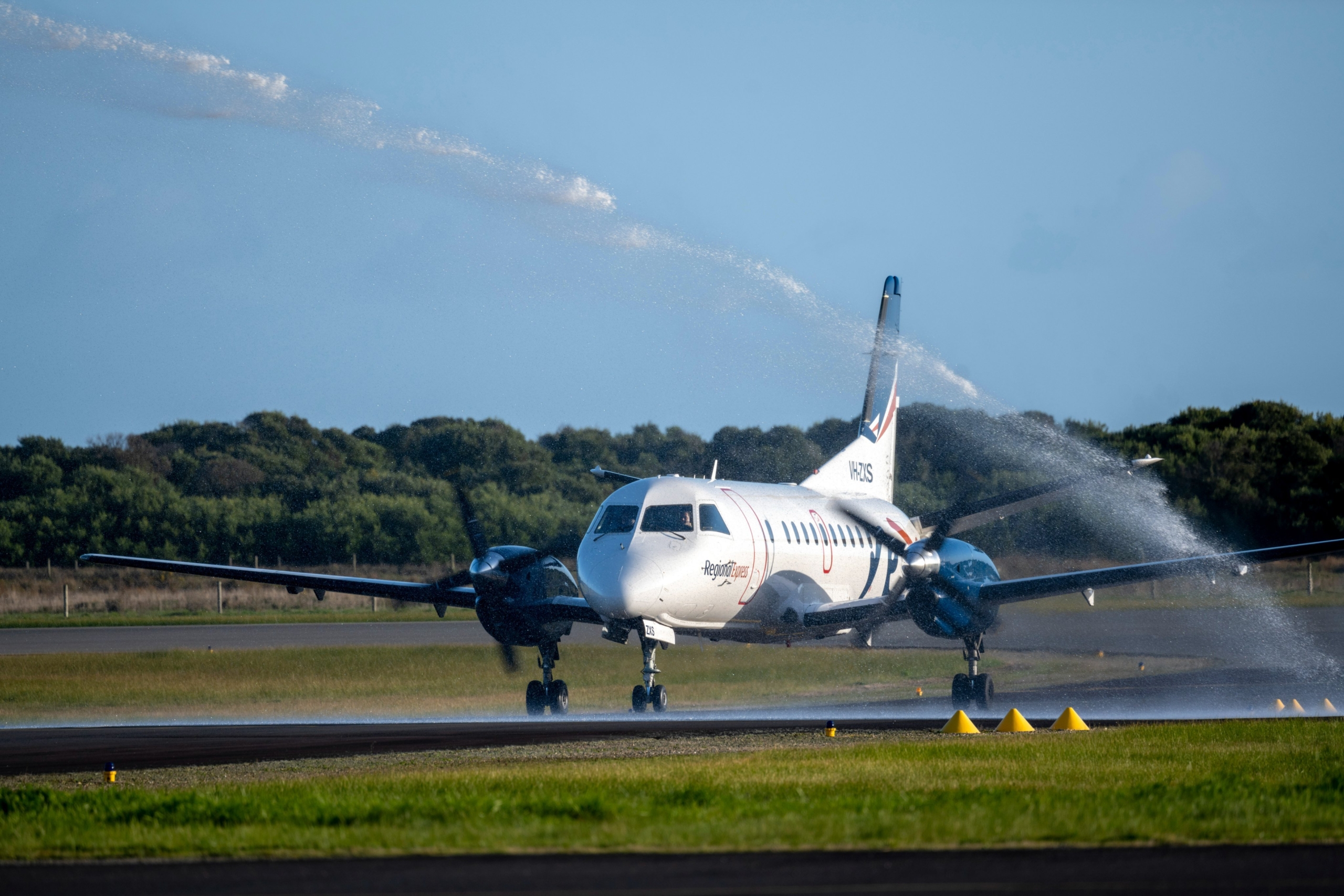
After being in receivership for 15 months, Australia’s regional Rex Airlines finally has a buyer. The airline acquired a fleet of Boeing 737s and made an ill-fated attempt to compete on major Australian domestic routes. Since entering bankruptcy, the airline has continued to operate on regional routes.
Air T to acquire Australia’s regional Rex
Regional Express Holdings (Rex), operating as Rex Airlines, is a troubled regional Australian airline that entered voluntary receivership on 30 July 2024. Now it has been announced that the US-based Air T will acquire Rex after creditors voted in favour of the move. The Australian government has also endorsed the acquisition.

The ABC reported Air T will take ownership “before Christmas.” It added that the signing of the transition of operational control and legal ownership is expected to be done before mid-December.
According to Australian Aviation, the deal is worth AUD $172.5 million and includes a number of Rex’s subsidiaries, like its pilot training school, the Australian Airline Pilots Academy (AAPA), and aviation service provider Australian Aero Propeller Maintenance (AAPM).
Air T has agreed to various commitments aimed at preserving essential regional connectivity and more. It will invest AUD $50 million into recapitalising the airline while also increasing the number of Saab 340s in service from around 30 to 44.
Rex was born and raised in country Australia, and we continue to connect our regions with major urban centres like no other airline.
— Rex Airlines (@RexAirlines) August 30, 2024
Our valued passengers can continue to book regional flights with confidence at https://t.co/Pv97NIifXw ✈️ pic.twitter.com/glhwuHmcHx
Even so, some in Australia fear Air T could focus on select profitable routes. Australia is the world’s sixth-largest country and has a desperate need for a robust regional airline service.
Australian Government to aid Rex Airlines
The Australian Government is also helping keep the regional airline afloat. Transport Minister Catherine King stated government help will include “a support package comprising a loan of up to $60 million and a restructuring of existing Australian government debt.”
This is in addition to the aid the Australian Government has already allocated to keep the airline serving regional centres.

Some local councils may find themselves forced to forgive bad debt. Rex also owns several regional airports across Australia, with some run by local city councils.
From the Rex family to yours, we wish you all a safe and very merry Christmas✈️🎄#rexairline #Holidays #Christmas #ourheartisinthecountry pic.twitter.com/1AyjcyXxjA
— Rex Airlines (@RexAirlines) December 24, 2023
For example, Albany Regional Airport is owned by Rex Airlines, but managed by the Albany City Council. Rex owes the city council around AUD $456,000, but it’s doubtful those funds will be repaid, even with the new buyer. Another AUD $440,000 is owed to the Shire of Esperance in Western Australia.
Find the latest aviation industry news right here.
Rex and the Australian aviation market
The bankruptcy of Rex follows the collapse of Bonza, a short-lived Australian low-cost airline that operated four Boeing 737 MAX 8 aircraft.
The Australian aviation market is dominated by two major airline groups: Virgin Australia and the Qantas Group. The Qantas Group is by far the largest, comprising the mainline Qantas, the regional airline QantasLink, and the low-cost carrier Jetstar.
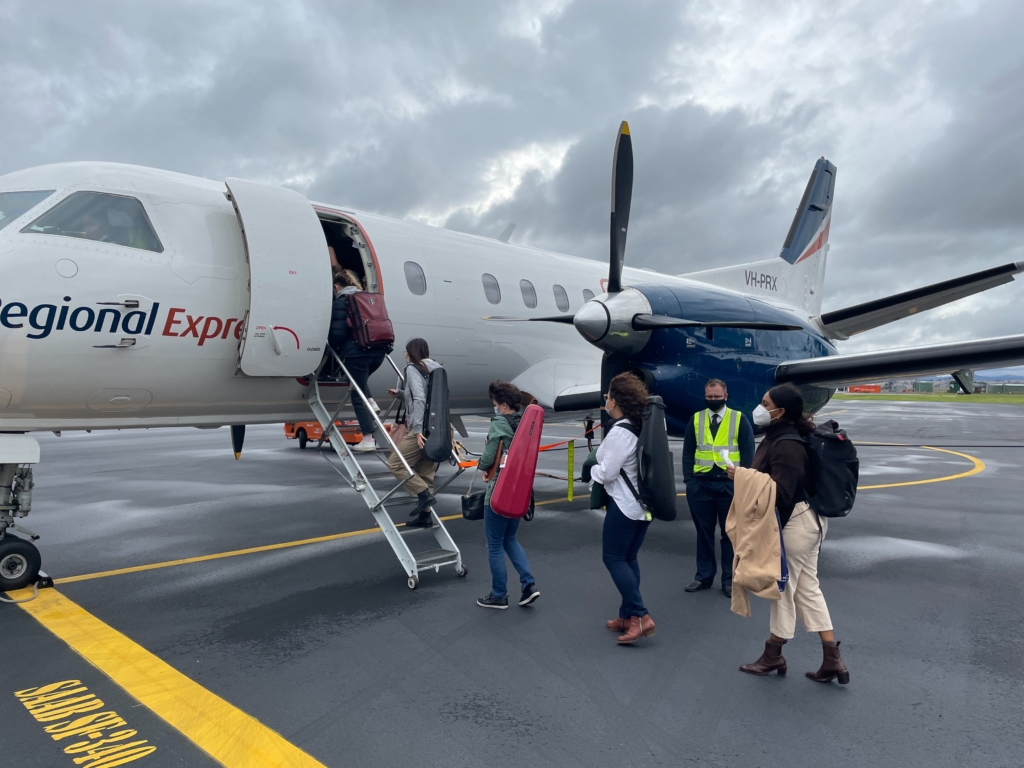
Rex serves around 54 airports across Australia, primarily with its fleet of turboprop Saab 340 aircraft, which come with 30-36 seats. Rex also lists a number of smaller aircraft in service with fewer than ten seats.
According to its website, it has a fleet of 61 Saab 340s, although Planespotters.net only lists 56. These are, on average, 31 years old, and only around half are currently operational.
Flying high after Rex was named Best Regional Airline Australia & Pacific at the World Airline Awards🏆
— Rex Airlines (@RexAirlines) June 26, 2024
We were also the only Australian airline to improve in the global rankings!✈️
We owe our success to the efforts of the dedicated Rex Team. Thank you! 💙#rex #rexairlines https://t.co/ki5JROx1Ye
Rex previously operated ten Boeing 737-800s, although these have been placed into liquidation and are not part of the Air T DOCA proposal. Garuda Indonesia and Virgin Australia are among the new operators.
Featured Image: Rex Airlines