


Two Airbus helicopters collide during landing near Mount Everest, killing one

3 min read
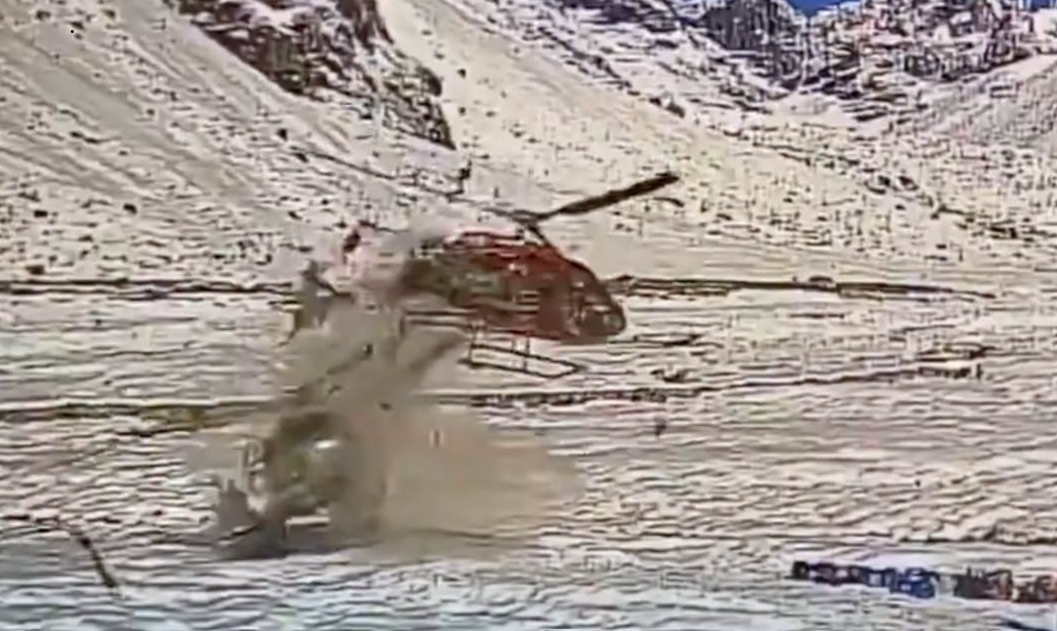
Two Airbus AS350-family helicopters collided while attempting to land at a high-altitude helipad in Nepal’s Everest region on Tuesday (3 November) morning, killing one passenger and injuring others.
The accident occurred at around 8.12 am local time at Pheriche in Solukhumbu district, where helicopters regularly carry tourists, climbers and supplies between remote Himalayan settlements.
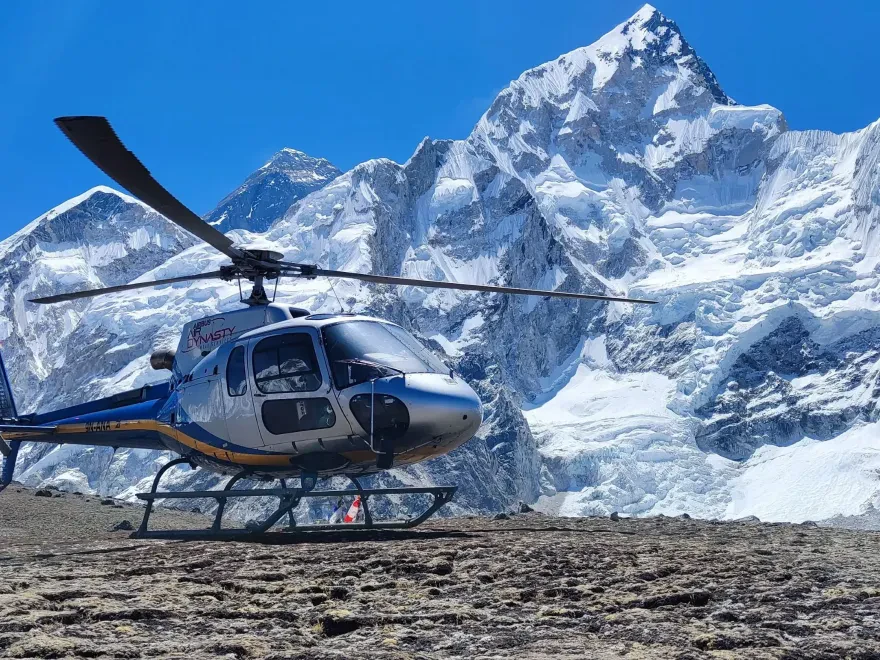
The Civil Aviation Authority of Nepal (CAAN) identified the aircraft as an Air Dynasty helicopter, registration 9N-AOD, and a Fishtail Air helicopter, registration 9N-AJR.
TWO HELICOPTERS COLLIDE NEAR EVEREST BASE CAMP; ONE FOREIGNER KILLED Scary footage this morning. Two helicopters operated by Fishtail Air and Air Dynasty collided while attempting to land at Pheriche in Nepal’s Everest region One foreign passenger was killed and another person injured. The crash occurred around 8:15 AM (local time) The cause is under investigation.
— Subodh Kumar (@kumarsubodh_) November 3, 2026
In a statement, the authority expressed “deep sorrow” over the accident involving the two helicopters during landing in the Pheriche area.
It confirmed that 47-year-old Indian passenger Vasanth Kumar Balaramudu, a resident of Chennai, in southern Tamil Nadu, had died. A New Zealand national of Indian origin was among those injured.
Video footage circulating on social media appears to show the helicopters approaching the landing area before their main rotor blades make contact. The footage captures the aircraft in close proximity immediately before the collision.
The cause of the accident has not been established.
Rescue operations and investigation
Fishtail Air initially reported that passengers and crew members had been rescued and were being transported to capital Kathmandu.
In a subsequent statement, the operator confirmed the death of Balaramudu, who had been travelling aboard its helicopter.
Other injured passengers and the helicopter’s captain were admitted to Mediciti Hospital in the Kathmandu Valley for treatment.
CAAN said an investigation had been initiated to establish the circumstances surrounding the collision.
The authority stated that necessary action and corrective measures would be taken under existing aviation regulations on the basis of the facts, analysis and conclusions emerging from the investigation.
Helicopters designed for mountain flying
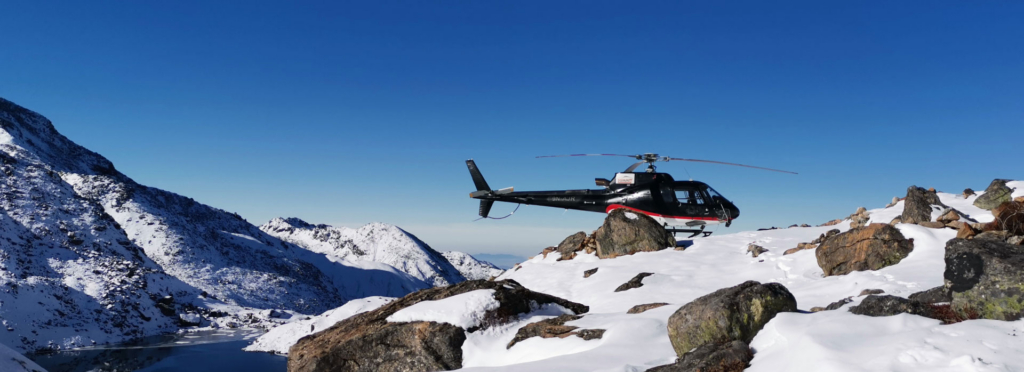
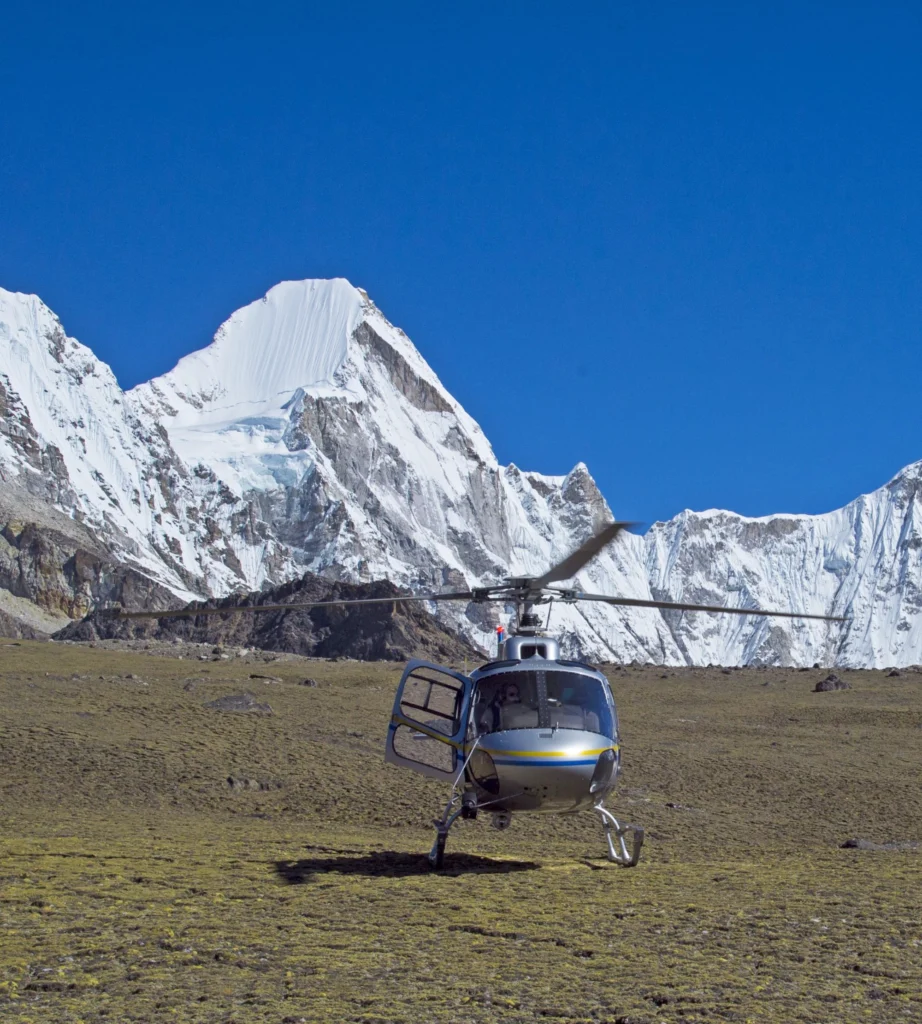
Both helicopters belong to the Airbus AS350 family, a widely used series of single-engine aircraft designed for passenger transport, aerial work and operations in demanding environments.
Air Dynasty identifies its helicopter, 9N-AOD, as an AS350B3e powered by a Safran Arriel 2D engine.
According to the operator’s published fleet specifications, the aircraft has a maximum take-off weight of 2,250 kg and a stated maximum operating altitude of 23,000 feet.
The AS350B3e, marketed today as the Airbus H125, is known for its high-altitude performance and is widely used in mountainous regions.
Fishtail Air identified its aircraft, 9N-AJR, as an AS350 helicopter in its accident statement.
Pheriche lies at approximately 4,200 metres above sea level in Nepal’s Khumbu region, surrounded by steep Himalayan terrain and close to the trekking route towards Everest Base Camp.
Helicopters are an essential means of transport in the area, particularly where road access is limited or unavailable. They carry tourists and mountaineers, deliver supplies and undertake medical evacuations.
Flying at such elevations requires careful management of aircraft performance because thinner air reduces the lift available from helicopter rotors and affects engine performance.
Mountain weather and confined landing areas can present additional operational challenges. However, investigators have not indicated whether any of these factors contributed to Tuesday’s collision.
The aviation authority has not announced a timetable for completing its investigation.


