NASA’s Swift telescope faces fiery return to Earth after 22 years of watching the universe

9 min read
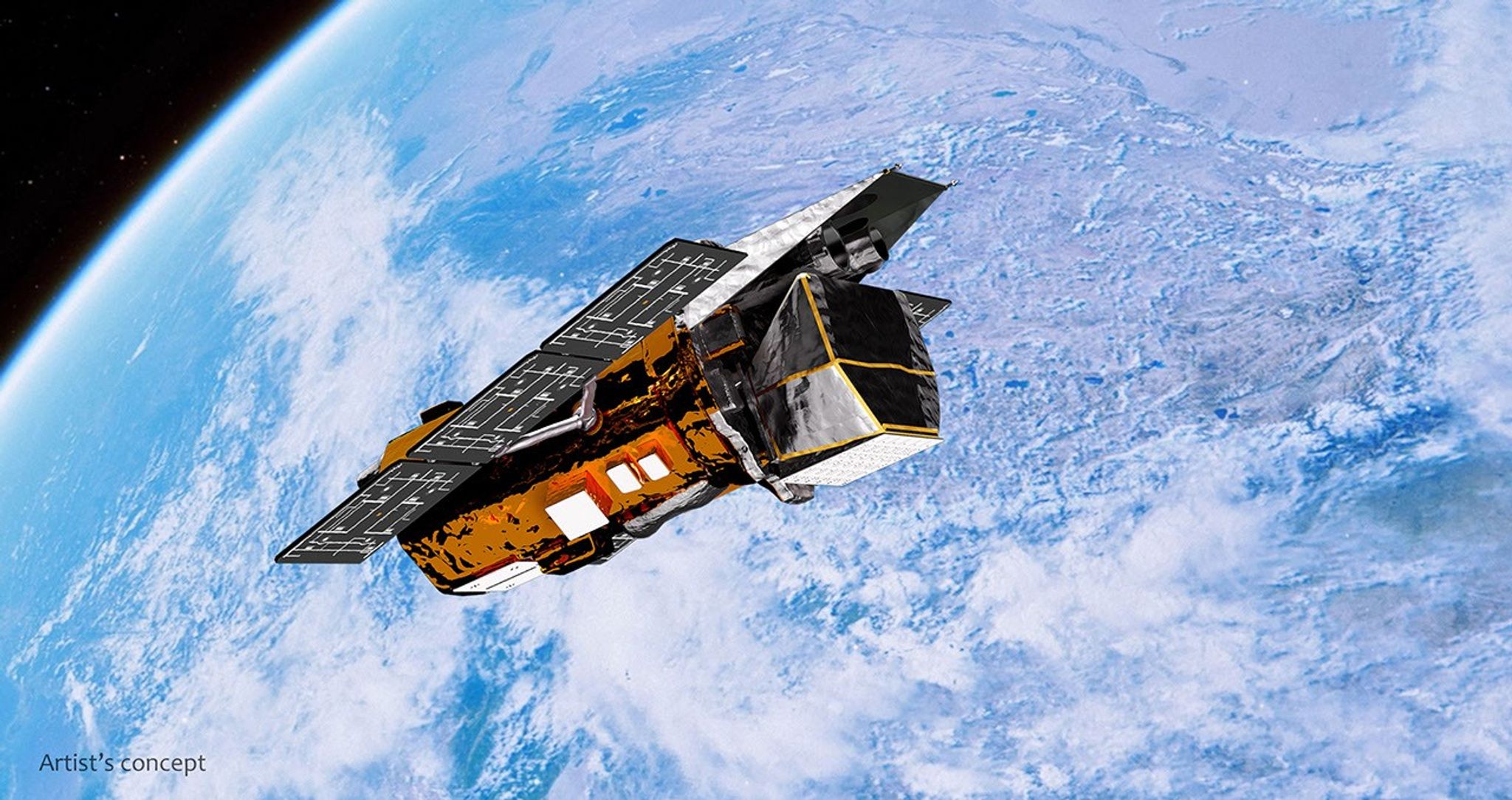
A NASA space telescope that spent nearly 22 years chasing some of the most powerful explosions in the universe is now heading towards Earth, with its final journey expected to end in a fiery plunge through the atmosphere within days.
The 1.5-tonne Neil Gehrels Swift Observatory, launched in November 2004, is expected to make an uncontrolled re-entry around Friday, 6 November, according to satellite trackers. NASA has not confirmed an exact date or location.
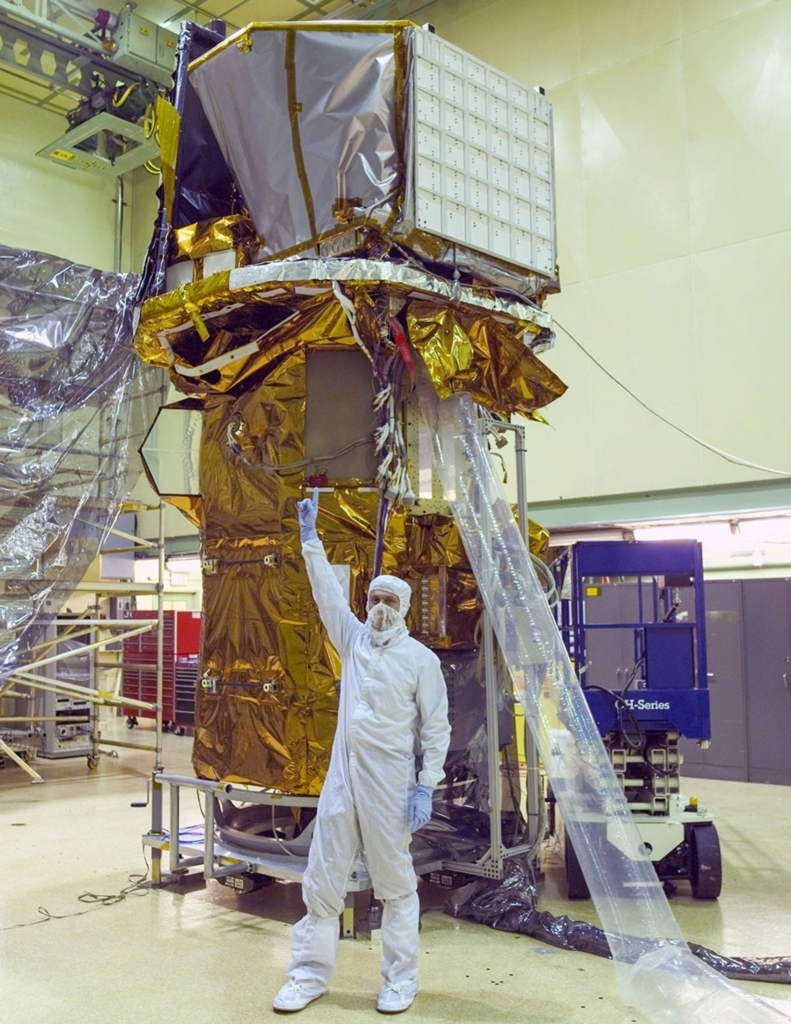
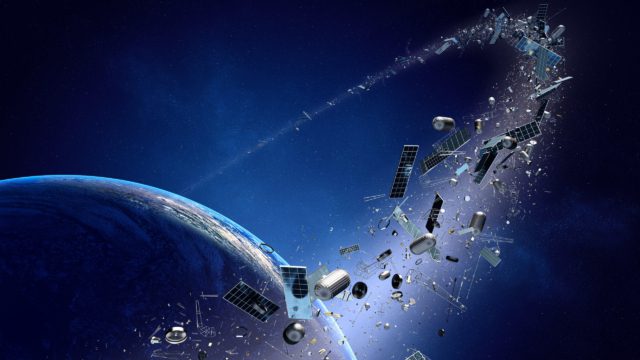
Most of the spacecraft is expected to burn up as it encounters the atmosphere, although some of its heavier components could survive and reach the surface. The likelihood of debris causing injury is considered low.
It is an unusual ending for a spacecraft that was still making scientific observations just weeks ago.
Swift was designed to operate for two years. Instead, it spent more than two decades studying exploding stars, black holes and mysterious flashes of radiation from distant galaxies. Its observations helped scientists understand events that take place billions of light-years away.
NASA formally ended the mission on 20 October after the spacecraft descended to an altitude of about 275 kilometres, where increasing atmospheric drag made it impossible to keep its telescopes steadily pointed at astronomical targets.
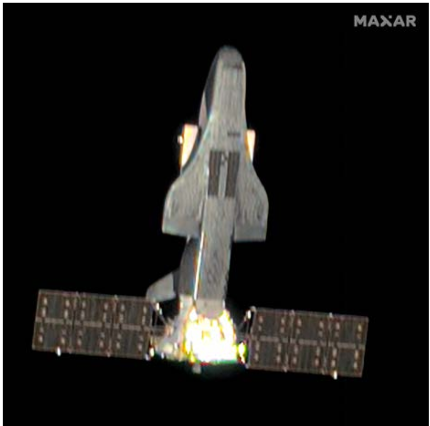
The spacecraft’s final descent follows an unsuccessful attempt to save it using a privately developed robotic servicing vehicle.
A telescope that could turn towards an explosion in a minute
Swift was unlike many traditional space telescopes.
Rather than spending hours examining a particular patch of sky, it was built to respond quickly when something extraordinary happened elsewhere in the universe.
Its principal targets were gamma-ray bursts, enormous releases of energy associated with some of the most violent events in space.
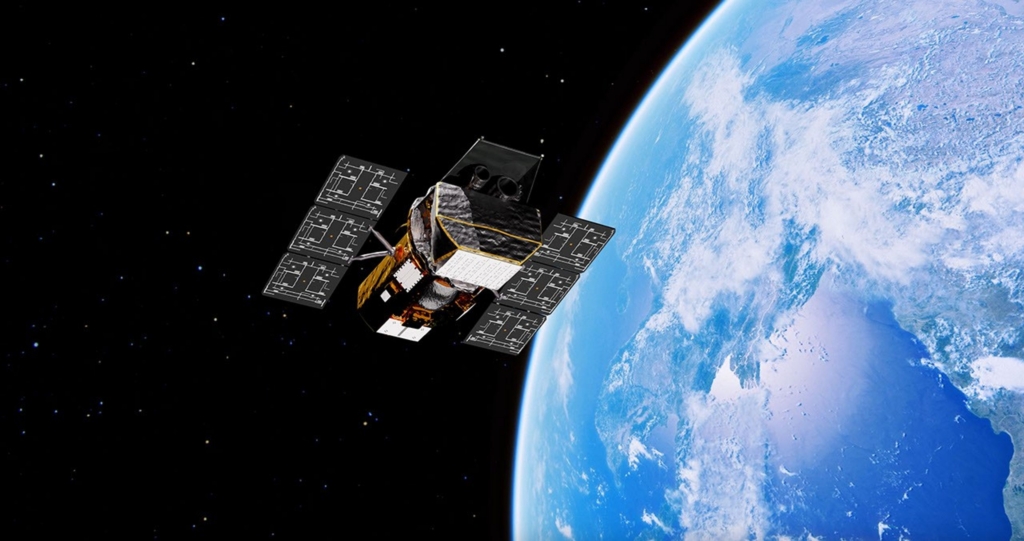
Some occur when massive stars collapse and form black holes. Others are associated with collisions between neutron stars, the extraordinarily dense remains of dead stars.
These bursts can release tremendous amounts of energy in seconds, but their initial flashes often disappear before conventional telescopes can turn towards them.
Swift was designed to overcome that problem.
It carried three instruments: the Burst Alert Telescope, an X-ray Telescope and an Ultraviolet/Optical Telescope.
The Burst Alert Telescope continuously watched large areas of the sky for sudden flashes of gamma rays. Once it detected a burst, the spacecraft could automatically turn towards the source and examine the fading light using its other two telescopes.
It could also send the location to observatories on Earth, allowing astronomers around the world to begin their own observations.
The entire process typically took about a minute.
“Swift was designed as a satellite dedicated to studying gamma-ray bursts, outbursts that came and went so quickly that no one could target them with large telescopes to learn more,” said S. Bradley Cenko, the mission’s principal investigator at NASA’s Goddard Space Flight Center.
“Swift needed to detect and locate gamma-ray bursts, communicate their position to other observatories, and then swing its telescopes around to image the burst locations before their afterglows faded out. This typically took Swift about a minute to do.”
That speed changed the way astronomers studied sudden events in the universe.
Before Swift, scientists often knew that an enormous explosion had occurred but struggled to locate it quickly enough to investigate what had caused it.
Swift helped turn those brief flashes into events that could be studied in detail.
A remarkable record of discoveries
During its long career, Swift observed more than 2,000 gamma-ray bursts and studied over 1,400 supernova explosions.
It also witnessed stars being torn apart by black holes, monitored active galaxies and examined asteroids and comets closer to Earth.
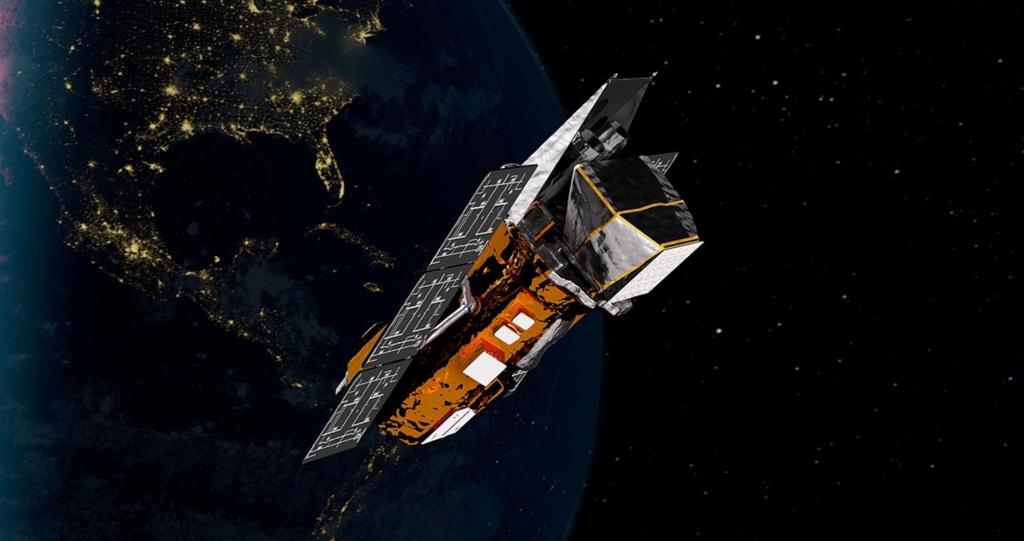
Its observations contributed to approximately 7,000 published scientific papers.
One of its most important early discoveries came in May 2005, just months after the spacecraft began operating.
Swift detected the afterglow of an exceptionally brief gamma-ray burst designated GRB 050509B.
The initial burst lasted only 0.03 seconds, yet Swift turned towards its location quickly enough to detect 11 X-ray photons from the fading event.
It was the first time astronomers had detected an afterglow from such a short gamma-ray burst.
The discovery provided important evidence supporting theories that these brief explosions could result from collisions between neutron stars.
Such stars can contain more mass than the Sun compressed into an object roughly the size of a city.
Swift’s ability to respond rapidly also made it useful for studying unexpected events that were not part of its original mission.
Scientists could request observations of newly discovered objects and, in some cases, have the spacecraft begin examining them within minutes.
Its flexible scheduling system could accommodate as many as 75 separate targets in a day.
John Nousek, the mission’s operations director and a professor of astronomy and astrophysics at Pennsylvania State University, credited the spacecraft’s responsiveness and the teams operating it.
“The unique speed of response of the Swift hardware, the extraordinary success of the rapid mission operations, and the closely knit teamwork of the Swift Flight and Science Operations teams placed Swift at the crossroads of burgeoning areas of research,” he said.
The spacecraft was originally led by astronomer Neil Gehrels, whose work helped establish its scientific approach. NASA renamed the observatory in his honour in 2018, following his death.
How the attempt to save Swift unfolded
Swift’s scientific instruments were still functioning when its orbit began deteriorating more rapidly than expected.
The problem was not a failure of its telescopes but the atmosphere surrounding Earth.
Even hundreds of kilometres above the planet, traces of atmospheric gases remain. Satellites moving through this thin atmosphere experience drag, which gradually reduces their orbital altitude.
Recent solar activity made the situation worse.
When the Sun becomes more active, it can heat Earth’s upper atmosphere, causing it to expand. Satellites at low altitudes then encounter greater atmospheric resistance.
Swift began losing altitude at an increasing rate.
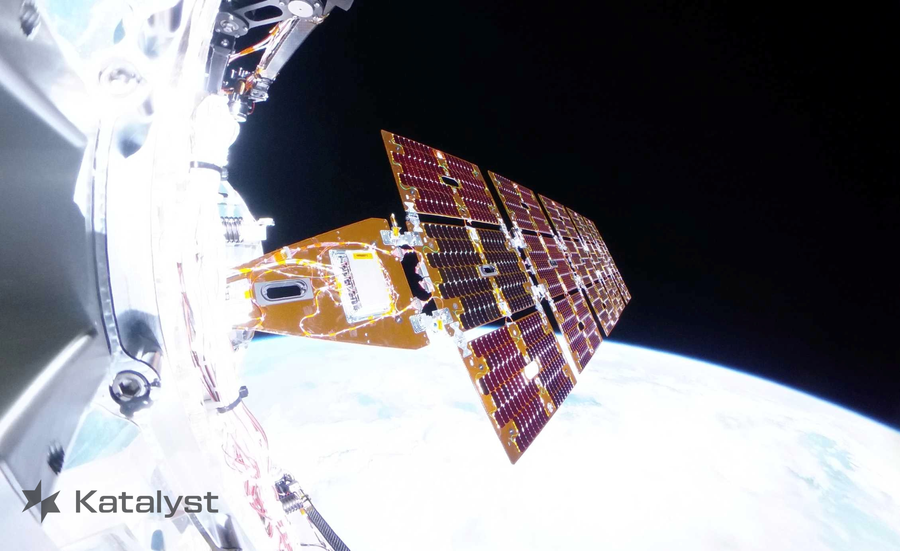
Photo: NASA
NASA and commercial spacecraft company Katalyst Space attempted to address the problem through an ambitious robotic servicing mission.
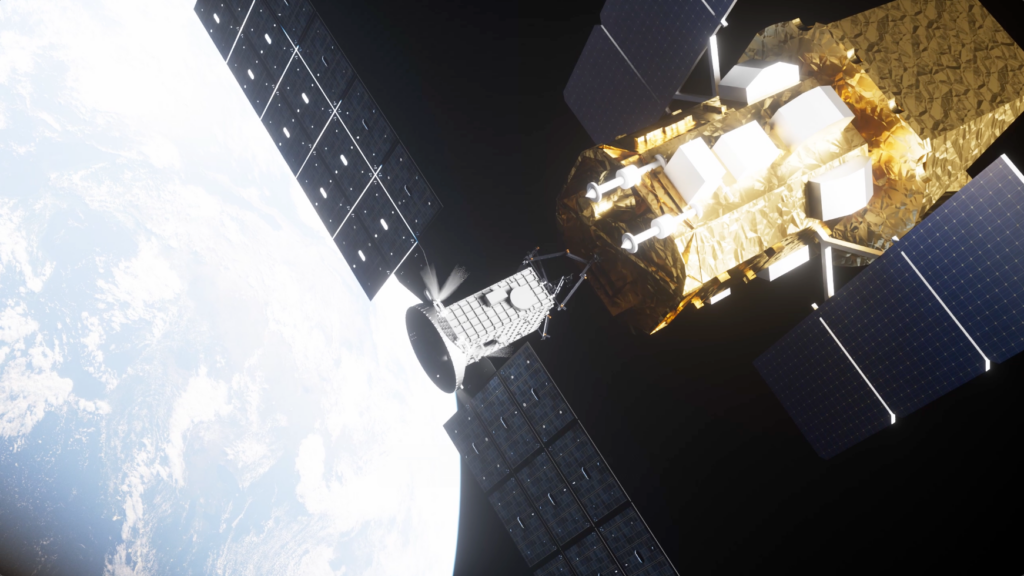
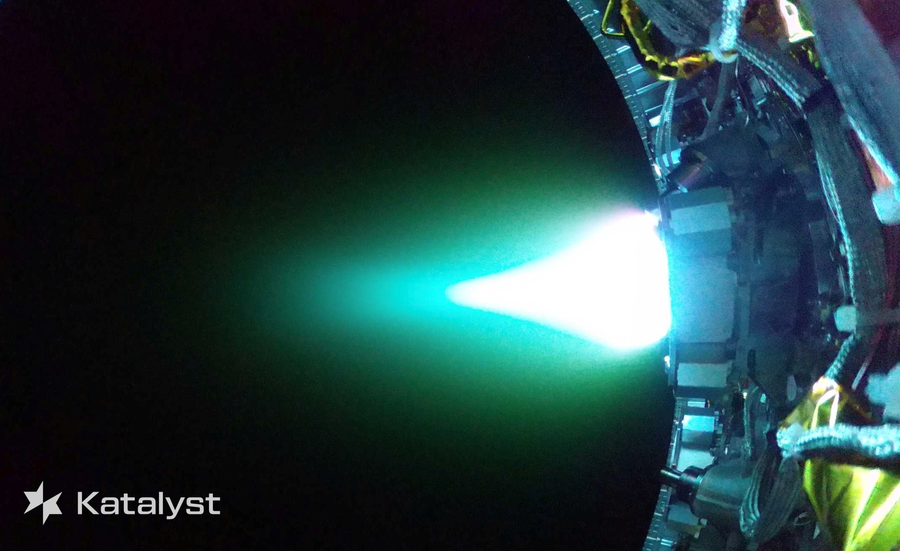
Katalyst developed a spacecraft called LINK, designed to approach Swift and potentially raise its orbit, extending the observatory’s operational life.
Such a manoeuvre would have been particularly challenging because Swift was not originally designed for robotic servicing.
The mission also offered an opportunity to demonstrate technologies that could eventually allow spacecraft to be repositioned or serviced in orbit rather than abandoned when their useful lives approached an end.
However, the rescue did not proceed as planned.
NASA said attitude-control problems with LINK led the agency and Katalyst to scale back the mission in August without attempting to raise Swift’s orbit.
Attitude control refers to a spacecraft’s ability to maintain and adjust its orientation in space, a critical requirement when approaching another satellite.
Despite the setback, LINK continued demonstrating its technology.
In early September, NASA reported that the vehicle had deployed all three of its robotic arms and operated its three electric propulsion thrusters simultaneously.
It also adjusted its orbit to approach Swift, coming within approximately 12 to 15 kilometres.
The servicing spacecraft did not attempt a closer approach.
The tests provided data for future robotic servicing missions, but Swift remained in its declining orbit.
One final return to science
Following the unsuccessful rescue effort, NASA allowed Swift to resume its astronomical observations.
Scientists had previously suspended much of its work to reduce atmospheric drag and preserve the spacecraft’s altitude while the servicing mission was being prepared.
Returning to normal observations meant the spacecraft would again turn towards different astronomical targets, increasing drag and accelerating its descent.
Nevertheless, Swift continued examining the universe.
During its final weeks, it observed hundreds of targets, including the remains of stellar explosions, active supermassive black holes in distant galaxies and comets travelling through the solar system.
On 20 October, the observatory reached an altitude of approximately 275 kilometres.
At that height, it could no longer maintain the stability needed for scientific observations.
The spacecraft entered safe mode, a protective operating condition intended to safeguard essential systems when normal operations cannot continue.
Controllers at Pennsylvania State University then transmitted a command that effectively ended the mission and prepared the spacecraft for re-entry.
After almost 22 years, Swift had made its final astronomical observation.
The command came from the same Pennsylvania State University operations team that had helped keep Swift working, far beyond the two-year mission NASA originally planned.
Where will the telescope fall?
The precise location of Swift’s re-entry remains uncertain.
The US Space Force is tracking the spacecraft as its orbit continues to decay, with current predictions placing its return around 6 November.
However, forecasting the exact time and location of an uncontrolled re-entry is difficult.
Small changes in atmospheric density, solar activity and the spacecraft’s orientation can alter how quickly it loses altitude.
Swift’s orbit passes over a band of Earth extending approximately 21 degrees north and south of the equator.
That includes large stretches of ocean as well as parts of Africa, India, Southeast Asia, Australia and Central and South America.
Being beneath the spacecraft’s orbital path does not mean a particular location will be struck by debris.
As Swift descends into the denser atmosphere, it will experience intense heating and aerodynamic forces.
Its solar panels, antennas and other exposed structures are likely to break apart before the main body disintegrates.
Most of the spacecraft’s aluminium structure, electronics and other components are expected to burn up.
However, denser and more heat-resistant objects, including some internal mechanical components and telescope materials, could survive.
The observatory used reaction wheels to control its orientation. These spinning devices allowed the spacecraft to turn accurately towards astronomical targets without constantly firing thrusters.
Such dense components are among those that could potentially withstand part of the descent.
Any surviving debris is considered more likely to fall into the ocean than onto populated land, although its eventual location cannot yet be established.
NASA’s October mission statements did not provide a detailed public assessment of the risk from surviving Swift debris.
The agency’s orbital debris safety standards generally require spacecraft to limit the expected risk of human casualty from re-entry debris.
A mission that will continue helping astronomers
Although Swift’s instruments have fallen silent, the information they collected will remain available to scientists.
NASA says the observatory leaves behind approximately 12 terabytes of scientific data, including more than 1.5 million images captured by its Ultraviolet/Optical Telescope.
The archive also contains over two decades of brightness measurements, spectra and observations of astronomical events.
Researchers will be able to revisit these records as new discoveries and improved analytical techniques help them answer questions that were not possible to address when the observations were first made.
Shawn Domagal-Goldman, director of NASA’s Astrophysics Division, said the spacecraft had far exceeded expectations.
“Swift delivered an incredible, lasting return on investment for the nation, designed for a two-year primary mission but productive for more than 10 times as long,” he said.
He added that Swift had helped establish rapid-response observations as an important part of modern astronomy.
NASA is now examining how existing telescopes, commercial space capabilities and possible new missions could help fill the gap left by Swift.