


Ryanair warns airfares could rise 20% in 2027 as airline considers staff pay freeze
3 min read
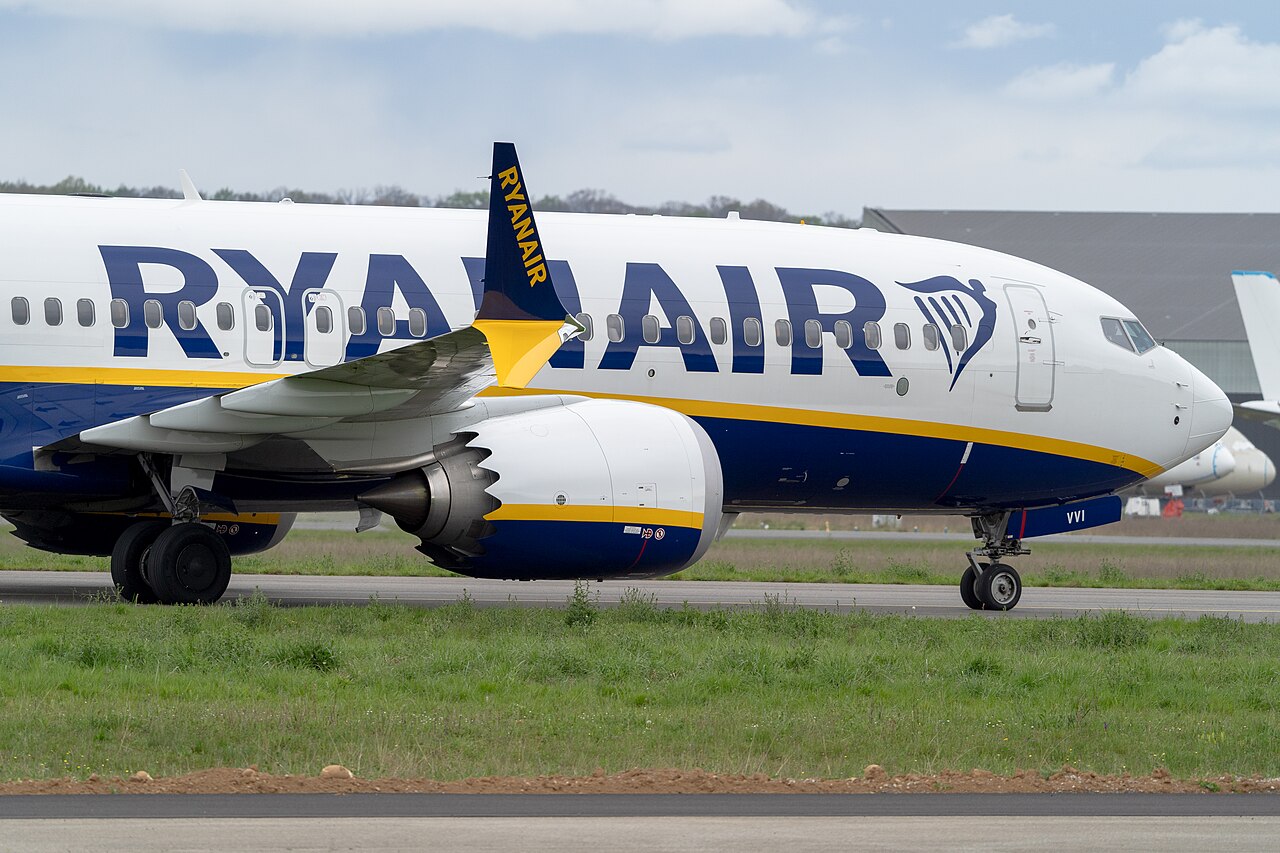
Europe’s largest airline says all carriers face significantly higher fuel bills in 2027 as low-cost fuel hedges expire and jet fuel prices remain elevated. Ryanair warned passengers should prepare for “double-digit” fare increases next year, with chief executive Michael O’Leary describing the situation as a “very significant cost cliff”.
Today (2 November), the airline reported a 15% fall in half-year profit despite carrying a record 125.8 million passengers, with higher fuel costs and lower fares both having an impact.
Chief executive Michael O’Leary said the airline is now reviewing all its costs – including considering temporary wage freezes for staff, and increased use of AI in back-office operations.
“There’s still no resolution in the Middle East.” O’Leary told CNBC. “Jet oil today is $170 a barrel. This is a very significant cost cliff we’re all facing next year.”
And he warned ticket prices across Europe could rise by up to 20% next year as airlines pass on at least some of the higher fuel bill to passengers.
Why are fares expected to rise?
Ryanair says fuel prices are likely to remain elevated because of the continuing conflict in the Middle East.
“Unless there is a swift resolution of the Middle East conflict we expect jet fuel prices to remain elevated well into 2027,” said O’Leary. “While we believe European short-haul fares will increase materially to reflect these much higher jet-fuel prices and competitor capacity reductions, this is unlikely to provide a full offset for an estimated €2bn increase in our fuel bill.”
Ryanair warned that “all EU airlines face a significantly higher fuel bill next year” as cheaper fuel hedges expire.
What does this mean for passengers?
Nothing immediately.
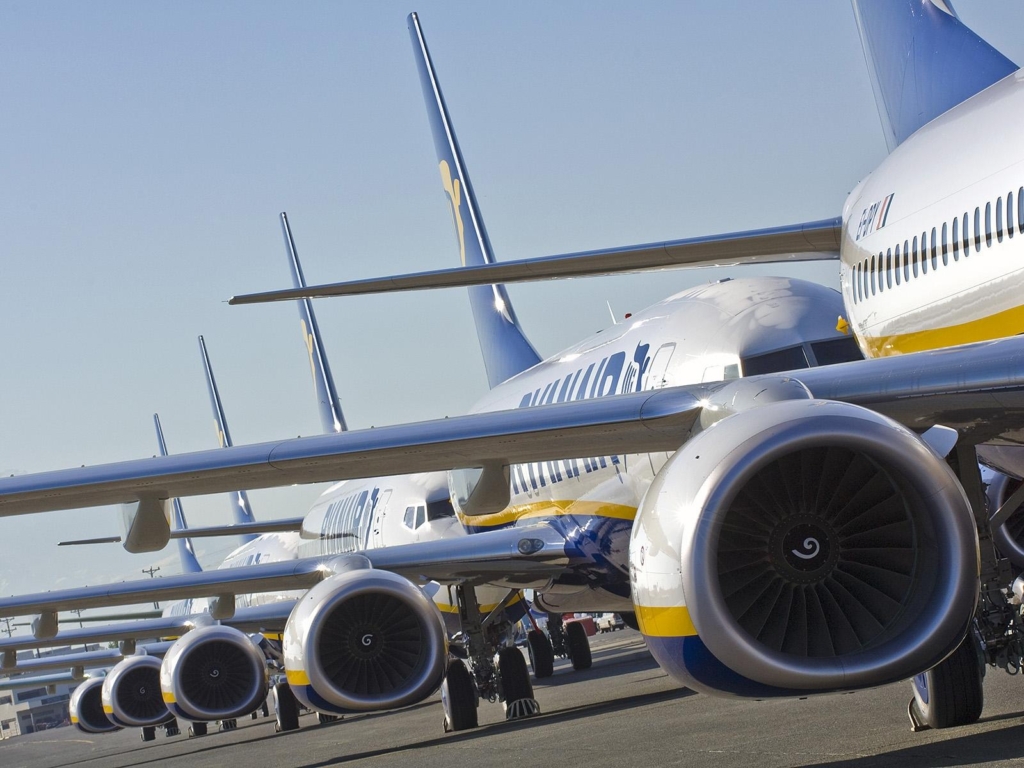
The airline said current-year earnings remain largely protected because 80% of its fuel requirement is hedged at lower prices through March 2027. The bigger impact is likely to be felt next summer and beyond, when today’s lower-cost fuel contracts have expired.
Ryanair believes industry-wide aircraft shortages, ongoing engine supply problems and a lack of short-haul capacity could give airlines more room to push through fare increases.
O’Leary said: “I believe you’re going to see airfares rise next year across Europe by 10%, maybe even 20%.”
Staff face pay freeze
Passengers are not the only ones being warned about the impact of higher fuel prices.
Ryanair said it is reviewing costs across the business, including “maturing labour agreements (which may require temporary pay freezes)”.
The airline is also examining “lower crewing ratios” and “increased use of AI to drive further operational and back-office/support functions productivity” as it looks for ways to offset rising costs.
However, the Unite union said it had a multiyear pay deal in place that covered 2027.
“Unite hasn’t been advised of any such proposals and we have a multiyear pay deal in place which covers next year,” Oliver Richardson, a national officer at the union told The Guardian.
There’s no suggestion of job cuts, and Ryanair continues to grow. The airline expects to carry more than 220 million passengers next year and says its first Boeing MAX 10 aircraft will enter service in spring 2027.


