Bombardier signs BAE Systems deal as Canada considers deeper involvement in GCAP

3 min read
Bombardier has signed a Memorandum of Understanding (MOU) with BAE Systems to explore opportunities to develop complementary industrial and technology capabilities that “may support future combat air programs.”
Announced on October 28, the agreement comes as Canada explores a potential role in the Global Combat Air Programme (GCAP). It could provide an avenue for Canadian industry to contribute to next-generation combat aircraft development, although no specific GCAP workshare has been announced.
The Canadian significance extends beyond a possible aircraft purchase. BAE explicitly links the agreement to Canada’s Defense Industrial Strategy and an ambition to develop domestic combat air capabilities, putting engineering expertise, manufacturing and long-term support at the heart of the collaboration.
Bombardier and BAE explore Canadian combat air capabilities
Under the MOU, the two companies will identify areas of collaboration in key technological and industrial capabilities, including R&D, systems integration, workforce and supply chain development, industrialisation, and in-service lifecycle management.
Bombardier’s Stephen McCullough, executive vice president of engineering, product development and Bombardier Defense, said the MOU “provides a clear framework to explore how these capabilities can support next-generation defence programs, while strengthening industrial capacity, high-value jobs and long-term aerospace leadership.”
In its own statement, BAE Systems noted the two companies share an ambition to develop capabilities that support the “delivery of next-generation combat air solutions, creating value across the entire lifecycle.”
BAE added that the MOU is a way to bring mutual aerospace and defence capabilities together to “develop long-term sovereign combat air capabilities in Canada and for international markets.”
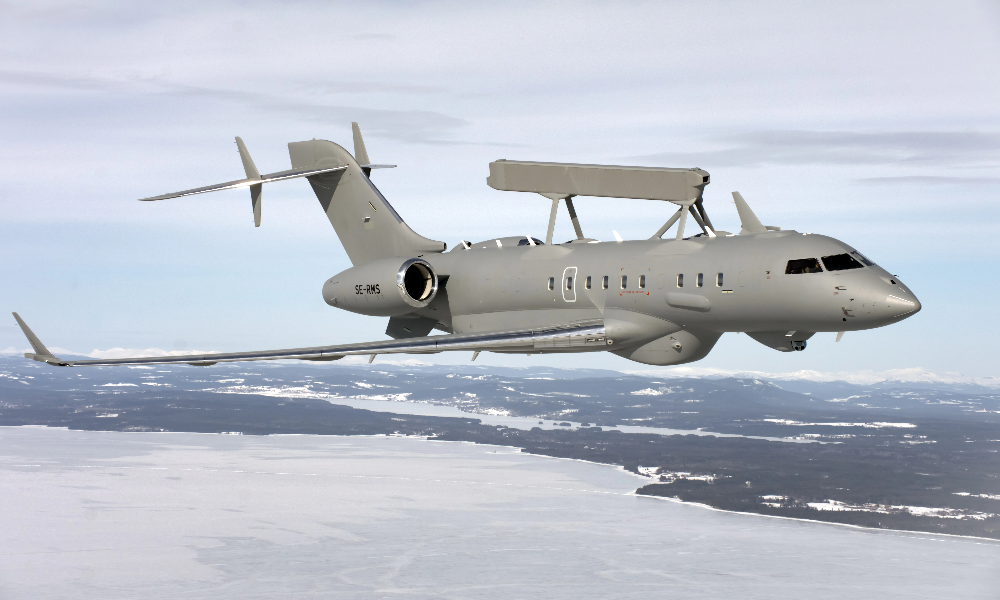
For Bombardier, the agreement opens the possibility of applying its aerospace expertise to future combat air development. Its current military aircraft are largely adaptations of its Challenger and Global business jets, including the platform used for Saab’s GlobalEye.
The proposed collaboration could extend to aircraft and mission-system design, digital engineering and advanced manufacturing, although the companies have yet to announce specific projects or production commitments.
Canada’s GCAP observer status opens industrial opportunities
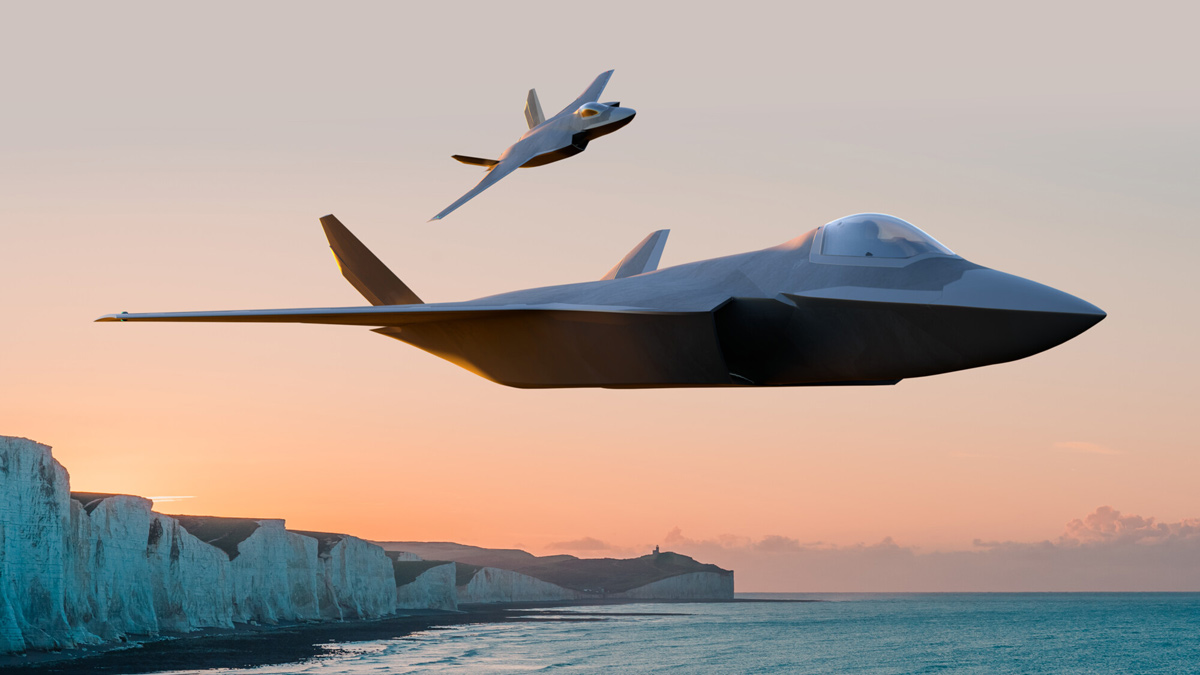
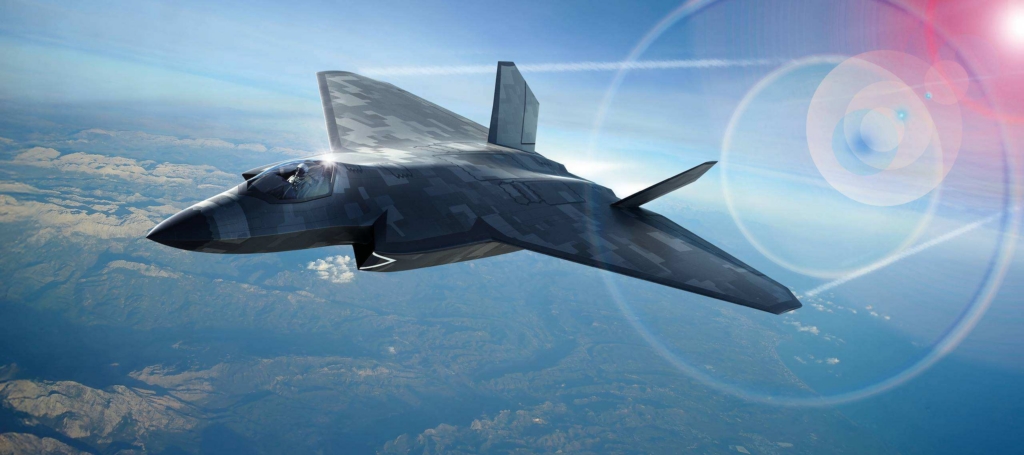
The MOU comes after Canada joined GCAP as an observer in July 2026. The UK, Italy and Japan are developing the next-generation combat aircraft, targeting entry into service in 2035.
BAE Systems is one of the leading industrial partners, alongside Italy’s Leonardo and Japan’s Mitsubishi Heavy Industries. Their joint venture, Edgewing, serves as the program’s prime contractor and design authority.
Bombardier’s announcement explicitly references Canada’s observer status, placing the agreement in the context of Ottawa’s interest in GCAP. However, it does not say the MOU awards Bombardier work on the program.
Observer status gives Canada insight into GCAP’s governance, capabilities and industrial framework. The Canadian government says it also allows the country to assess potential future participation and explore opportunities for its defence industry to contribute. It does not make Canada a full development partner or commit it to buying the aircraft.
The MOU therefore offers a potential route toward deeper industrial involvement, with the scope of any Canadian contribution still to be determined.
F-35, Gripen and GCAP represent different Canadian decisions
Canada’s interest in future combat air development comes alongside more immediate decisions about replacing its CF-18 fleet.
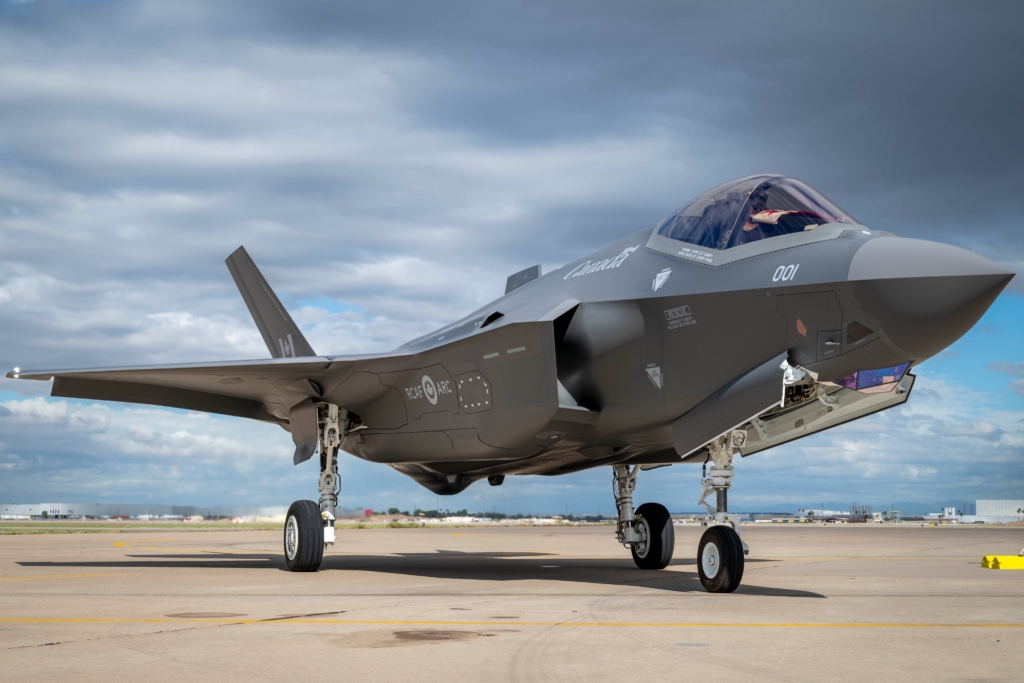
Canada received its first two CF-35As (F-35As) at Luke Air Force Base in Arizona last week for training. The acquisition is proceeding while Ottawa reviews its broader fighter plans.
This week, Saab announced it plans to work with Canada’s CAE, IMP and Magellan Aerospace as its principal Canadian industry partners if the government selects Gripen E.
Saab’s proposal includes Canadian production, final assembly, training and long-term support. This would give Canada a substantial domestic industrial role, depending on any eventual agreement with Saab. A Gripen purchase, however, remains conditional on a government decision.
GCAP represents a longer-term opportunity to participate in sixth-generation combat air development. The Bombardier–BAE agreement adds an industrial dimension to that possibility, as Canada considers both the aircraft it needs and the capabilities it wants its aerospace industry to develop.