“Bodyguard” satellites move closer to reality as UK awards Astroscale £15m contract

5 min read

The UK has unveiled a £15 million ($20 million) defence contract with Astroscale to develop spacecraft capabilities for countering threats in orbit, as countries from the United States to Japan and India step up efforts to protect satellites from potentially hostile approaches.
Announced on 28 October, the contract places Astroscale UK in charge of Project LEDA, a Ministry of Defence programme intended to improve the country’s ability to understand and respond to spacecraft operating close to critical satellites.
BAE Systems and Open Cosmos will support the programme, which comes amid growing concern over Russian and Chinese satellites manoeuvring near other countries’ space assets.

The contract was signed on 29 September but publicly announced on Wednesday. It covers the manufacture, launch and operation of spacecraft intended to advance the UK’s understanding of orbital warfare and how to counter threatening rendezvous and proximity operations.
Tony Williams, head of space capability at UK Space Command, said the programme was about protecting the services on which the country depends rather than provoking confrontation in orbit.
“Control of space is not about seeking conflict in space, it is about demonstrating that we can protect the capabilities upon which our economy, our society, and our armed forces depend,” Williams said.
He added that LEDA would help the UK understand how manoeuvrable spacecraft could be used against threats involving other satellites approaching without permission.
The announcement follows a wider push by governments to develop what are increasingly being called bodyguard satellites or spacecraft designed to watch over valuable satellites, investigate suspicious activity and potentially intervene before an approaching object can cause damage.
From watching satellites to protecting them
For decades, space surveillance has largely involved tracking satellites and debris from the ground. But a new generation of manoeuvrable spacecraft could bring that monitoring much closer to the object being protected.
A bodyguard satellite might patrol near military communications or intelligence spacecraft, photograph an approaching object and move into position if its behaviour appears threatening.
Some proposed systems go further, using robotic arms or other mechanisms to capture and move an intruding satellite.
The distinction between surveillance and intervention is important. Technologies developed to inspect, refuel or remove spacecraft can also be used to interfere with them.
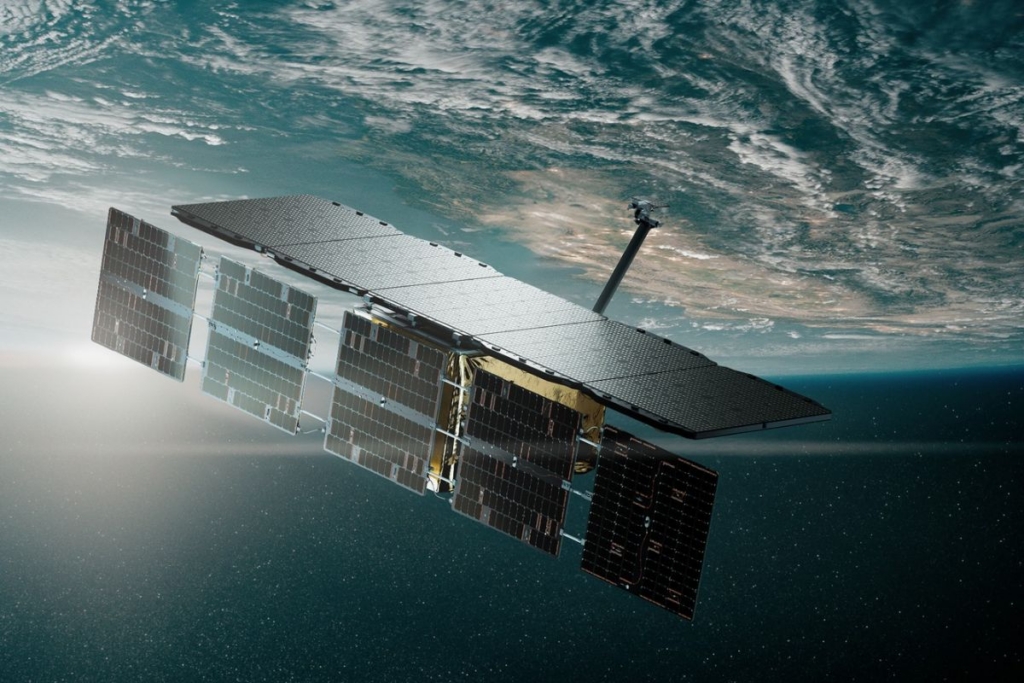
That concern was illustrated earlier this month when Russia’s Kosmos-2612 spacecraft approached ICEYE-X36, a radar imaging satellite operated by Finland-headquartered ICEYE.
Independent orbital observations indicated that the Russian spacecraft came within roughly one to two kilometres of ICEYE-X36, with some assessments suggesting a closer encounter.
ICEYE’s satellite network provides imagery that can support Ukraine’s defence. The approach raised concerns about possible surveillance or interference, although there is no publicly established evidence that Russia attempted to damage the spacecraft.
Russian Luch satellites have also conducted proximity operations near Western communications satellites in geostationary orbit, where many valuable military and commercial spacecraft operate.
The Secure World Foundation’s 2026 Global Counterspace Capabilities Report identifies growing interest in manoeuvrable satellites and orbital bodyguards as governments seek ways to respond to such activity.
UK programme gives Astroscale a defence role
Astroscale’s new contract follows several years of work on technologies that allow spacecraft to approach and operate near other objects in orbit.
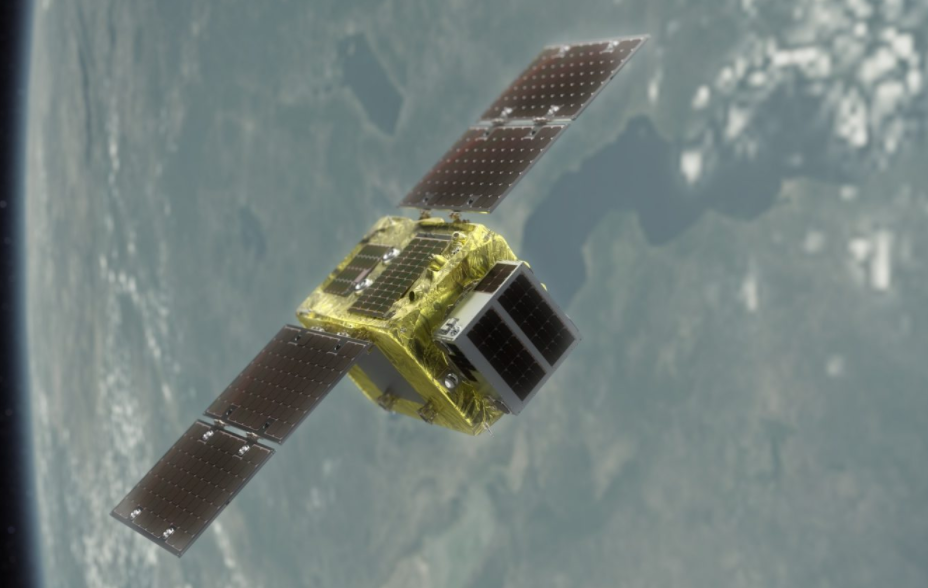
Its ELSA-d mission demonstrated rendezvous and magnetic capture techniques, while ADRAS-J approached and inspected an abandoned Japanese rocket stage in 2024, coming within 15 metres.
The company says this experience provides a foundation for defence missions involving rendezvous and proximity operations.
Nick Shave, Astroscale UK’s managing director, said the protection of space infrastructure had become a concern extending well beyond the military.
“Resilience in space matters to everyone. The satellites we depend on support our armed forces, our economy and the services we use every day,” he said in the 28 October announcement.
“Our ambition is to be the trusted partner for Space Control.”
Earlier this month, Astroscale’s head of defence, Alex Godfrey, told Space.com that the company believed it could develop a bodyguard spacecraft ready for launch within three years.
Godfrey argued that many of the technical challenges involved in approaching another spacecraft had already been addressed through orbital servicing missions.
He also proposed a shared European patrol fleet, with protective satellites positioned to monitor groups of allied spacecraft rather than each country deploying individual escorts.
The LEDA contract is a significant development for Astroscale’s UK defence business, although the Ministry of Defence has not publicly described it as an order for an operational bodyguard fleet.
The UK is investing more broadly in space security. In September, the RAF established No. III Space Effects Squadron to counter hostile activity threatening UK satellites, including through electronic warfare.
The government has also committed £880 million ($1.2 billion) between 2026–27 and 2029–30 to space-based intelligence, surveillance, reconnaissance and space control activities.
US, France, Japan and India pursue similar capabilities
The United States already operates spacecraft capable of approaching and inspecting other satellites through the Space Force’s Geosynchronous Space Situational Awareness Program.
Its Victus Haze programme is also testing responsive spacecraft operations, including rendezvous and proximity manoeuvres relevant to identifying and responding to potential threats.
France is pursuing its YODA demonstration programme and the planned EGIDE follow-on capability, alongside Toutatis experiments involving surveillance and intervention in low Earth orbit.
Germany has also identified the need for manoeuvrable spacecraft to strengthen the protection of its space assets.
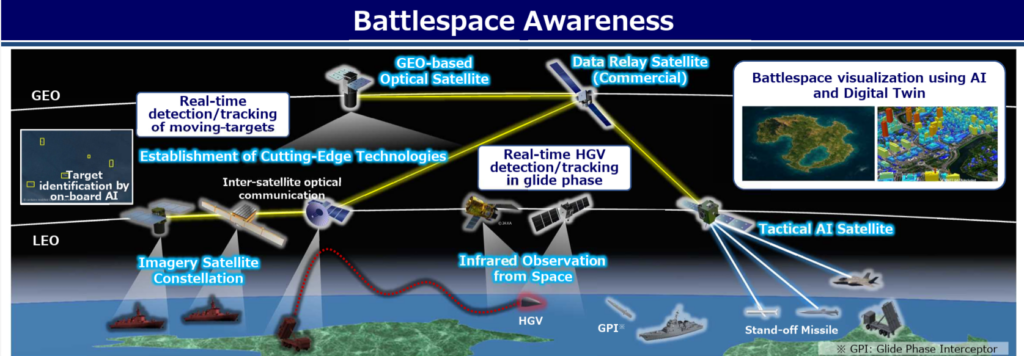
Japan’s Ministry of Defense set out similar priorities in its July 2025 Space Domain Defense Guidelines, calling for improved threat detection, satellite protection and the development of spacecraft capable of manoeuvring near other objects.
India, meanwhile, is reportedly working with private startups on more direct intervention technologies.
According to reports, Indian security agencies have discussed developing bodyguard satellites equipped with robotic arms to capture or move threatening spacecraft. Another proposed design would enclose smaller intruding satellites before moving them away.
The initiative follows a reported close encounter involving an Indian satellite in 2024 and growing concern over the military importance of space-based intelligence following India’s confrontation with Pakistan in 2025.