


The 1,500-hour rule explained: How US airline pilots qualify

6 min read
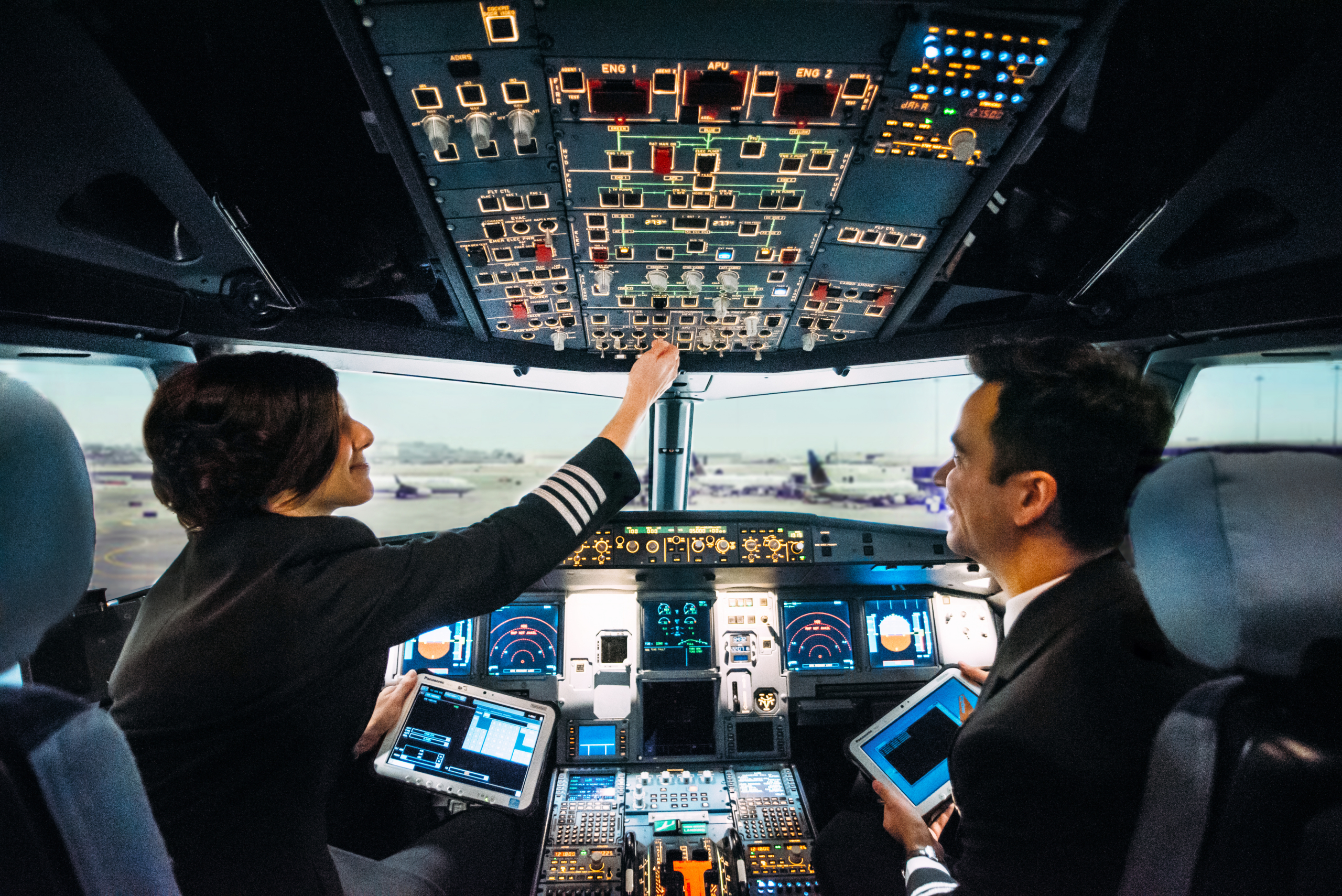
Becoming an airline pilot in the United States involves more than earning a commercial pilot licence and demonstrating the ability to fly an aircraft. For most aspiring airline pilots, the biggest hurdle is accumulating 1,500 flight hours before qualifying for an unrestricted Airline Transport Pilot (ATP) certificate.
Known as the “1,500-hour rule”, this requirement has shaped the way pilots train, build experience and enter the airline industry. But where did the rule come from, why was it introduced, and how do pilots reach the required number of hours?
What is the 1,500-hour rule?
The 1,500-hour rule stems from the Airline Safety and Federal Aviation Administration Extension Act of 2010, passed following the fatal crash of Colgan Air Flight 3407 in February 2009.
The legislation required the Federal Aviation Administration (FAA) to establish stricter qualifications for airline pilots.
The FAA subsequently introduced new requirements in 2013, including the requirement for pilots serving as first officers at US airlines operating under Part 121 regulations to hold an ATP certificate or an ATP certificate with restricted privileges.
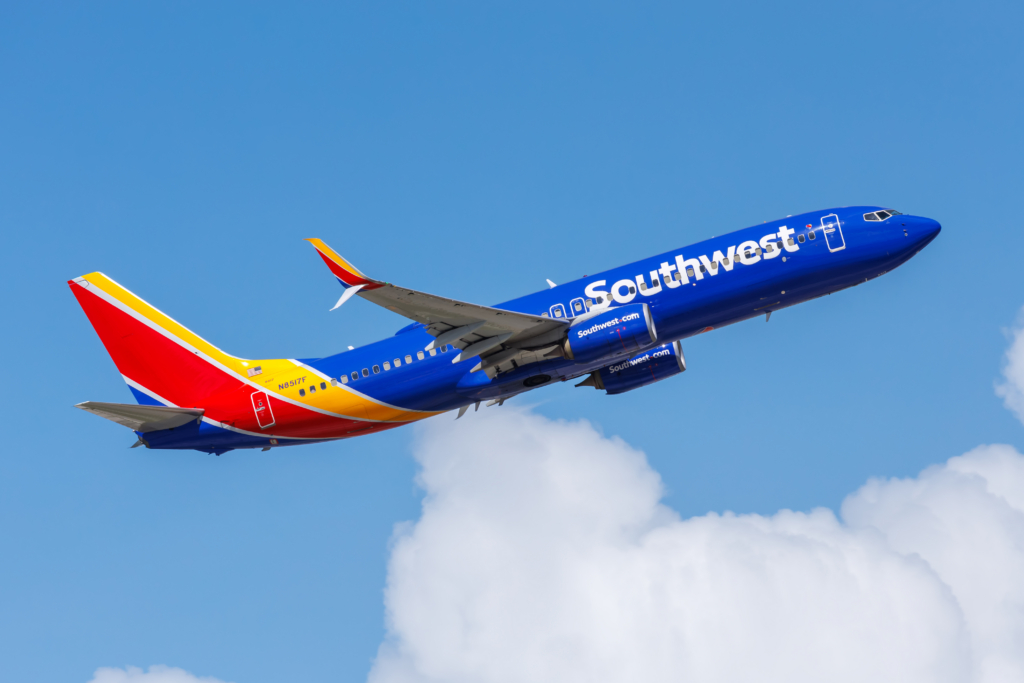
Previously, a first officer could be employed with a commercial pilot certificate, which can generally be obtained with a minimum of 250 flight hours under the relevant FAA requirements.
The new rules raised the bar significantly, making additional experience and training essential for most aspiring airline pilots.
For an unrestricted ATP certificate, applicants generally need at least 1,500 hours of total flight time and must meet other experience requirements, pass the necessary examinations and satisfy the applicable eligibility criteria.
Why was the rule introduced?
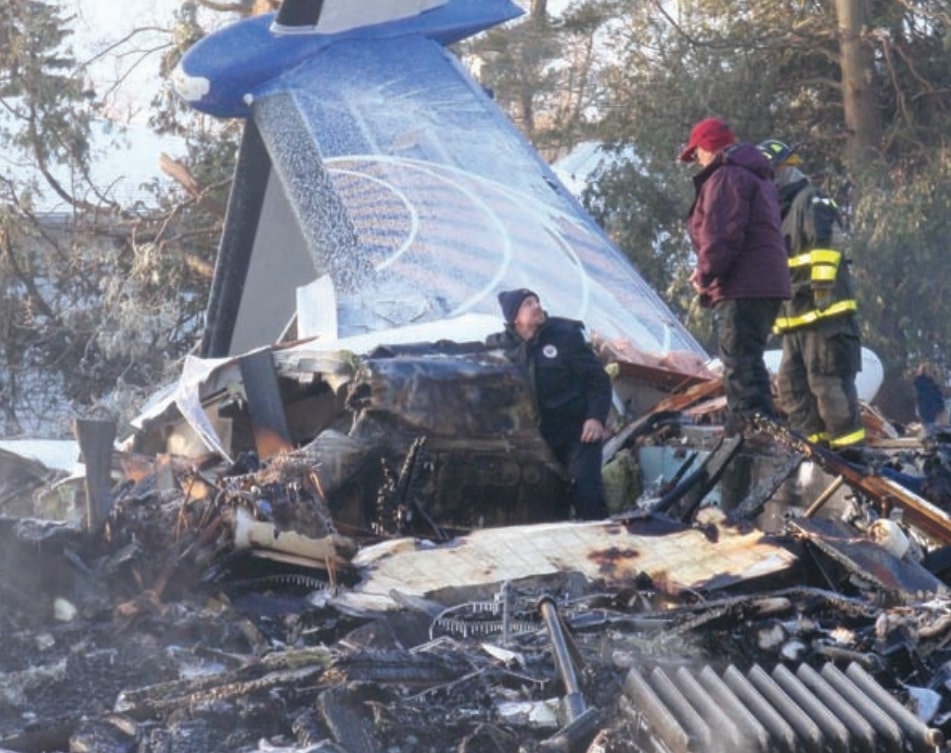
The Colgan Air Flight 3407 (flying on behalf of Continental Connection) accident was a major turning point in US airline pilot qualification requirements. On 12 February 2009, the Bombardier Q400 crashed while approaching Buffalo, New York, killing all 49 people aboard and one person on the ground.
The accident prompted widespread scrutiny of pilot training, experience and airline safety standards. In response, Congress sought to strengthen the qualifications required of airline flight crews.
However, the relationship between flight hours and pilot competence remains debated. Both pilots involved in the Colgan Air accident had accumulated considerably more than 1,500 hours.
Investigators identified the captain’s inappropriate response to the aircraft’s stick shaker, alongside other operational and procedural factors, as contributing to the accident.
Supporters of the rule argue that additional flying experience helps pilots develop judgement, situational awareness and the ability to manage challenging conditions.
Critics counter that total flight hours alone cannot guarantee proficiency, since the quality and variety of a pilot’s experience also matter.
The 2013 changes extended beyond the hourly requirement, incorporating additional training and qualification measures. Consequently, the overall impact on airline safety cannot be attributed to the 1,500-hour threshold alone.
How do pilots build 1,500 flight hours?
For most pilots, earning a commercial pilot certificate is only the beginning. They must then find ways to accumulate the remaining hours, often through paid flying jobs.
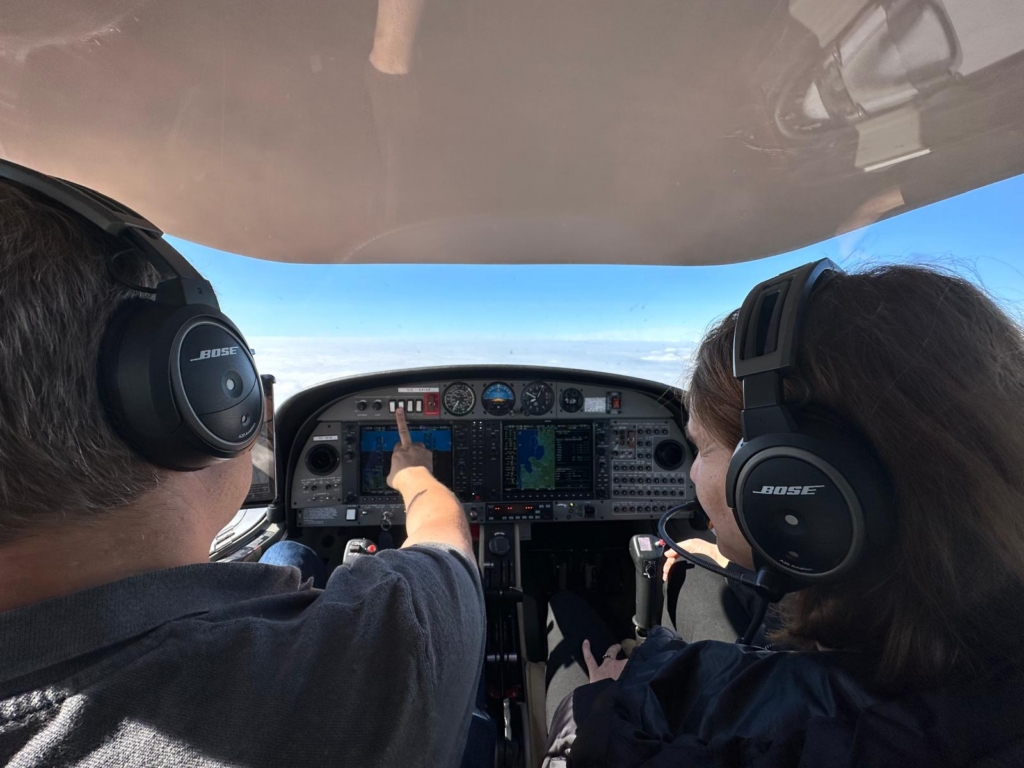
Common routes include flight instructing. Becoming a Certified Flight Instructor (CFI) is one of the most popular ways to build experience.
Instructors earn hours while teaching students basic manoeuvres, navigation, instrument flying and other skills. The role also develops communication, decision-making and cockpit-management abilities.
Charter and commercial operations: Some pilots gain experience flying charter aircraft, conducting aerial surveys or performing other commercial operations, depending on their qualifications and the requirements of the job.
Specialised flying, such as banner towing, pipeline patrol, traffic observation and parachute-drop operations, can provide additional opportunities to build flight time. These jobs vary considerably in availability, working conditions and the experience they provide.
Some pilots progress into freight operations flying cargo and night freight, which may involve night flying, instrument procedures and operating in more demanding weather conditions.
Such experience can help develop skills relevant to airline operations, although entry requirements differ between employers.
The route to 1,500 hours varies considerably. Some pilots accumulate hours relatively quickly through full-time instructing or other flying jobs, while others take longer because of financial constraints, weather, aircraft availability or limited employment opportunities.
The important point is that reaching the threshold is not simply about spending time in the cockpit. Pilots must also ensure their flight time meets the relevant FAA requirements and is properly recorded.
Are there exceptions to the 1,500-hour requirement?
The FAA provides alternative pathways through the Restricted ATP (R-ATP) certificate, which allows eligible pilots to serve as first officers under specific limitations before reaching 1,500 hours. Under the relevant provisions, the minimum flight-time requirements include:
750 hours:
Eligible military pilots.
1,000 hours:
Qualifying graduates with a bachelor’s degree in an approved aviation programme and the required recognised aviation coursework.
1,250 hours:
Qualifying associate-degree graduates with the required aviation coursework, or certain bachelor’s-degree graduates who meet the applicable lower coursework threshold.
1,500 hours:
The standard requirement for an unrestricted ATP certificate.
These pathways are subject to specific FAA eligibility, education, experience and training conditions. Simply holding a university degree does not automatically qualify someone for a reduced-hour requirement.
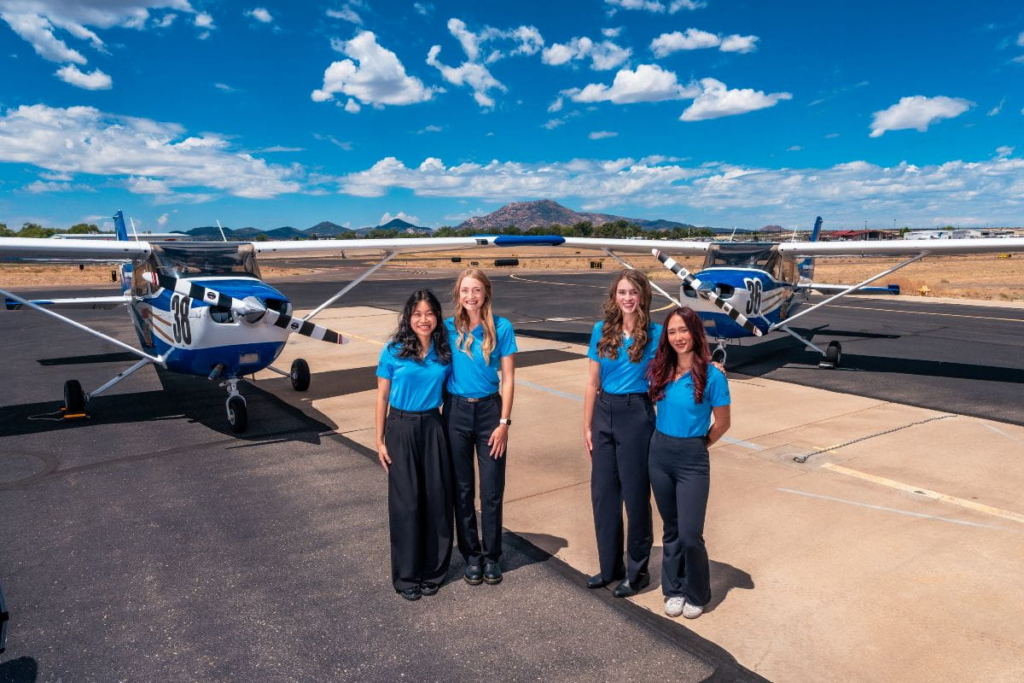
R-ATP applicants can generally qualify from age 21, compared with 23 for an unrestricted ATP certificate. The restricted certificate limits pilots to serving as second in command in qualifying operations; it does not provide unrestricted ATP privileges.
For eligible candidates, these alternatives can reduce the time and expense involved in reaching an airline cockpit. However, the appropriate route depends on individual circumstances and the precise regulatory requirements.
What happens when pilots reach 1,500 hours?
Reaching 1,500 hours does not automatically guarantee an airline job. Candidates must meet the applicable certification requirements, pass the relevant knowledge and practical tests, and satisfy an airline’s recruitment standards.
For pilots pursuing a multiengine ATP certificate, the FAA also requires completion of the Airline Transport Pilot Certification Training Program (ATP CTP) before taking the ATP knowledge test.
The programme combines academic instruction with simulator training focused on areas relevant to airline operations.
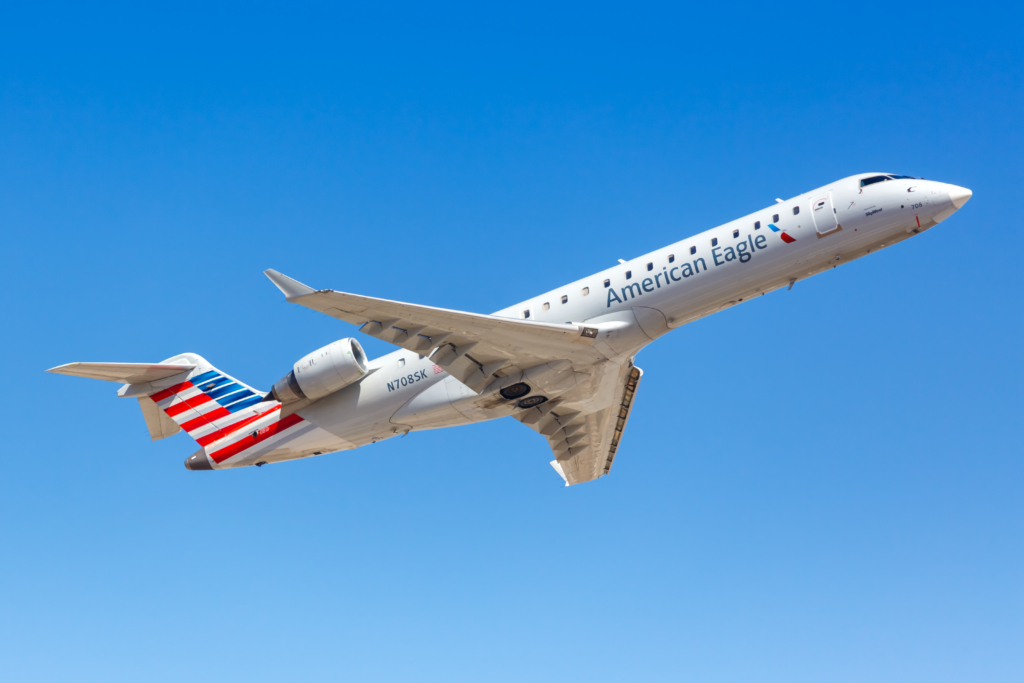
Applicants must also meet applicable experience requirements, including cross-country, night, instrument and pilot-in-command time.
For an unrestricted ATP certificate, these include 500 hours of cross-country flying, 100 hours of night flying, 75 hours of instrument time and 250 hours of pilot-in-command time in an aeroplane, with additional requirements applying to certain categories of experience.
Airlines then assess candidates on more than their logbooks. Technical knowledge, simulator performance, decision-making, communication, teamwork and professional conduct can all influence recruitment outcomes.
Successful candidates must complete the airline’s training and qualification process before operating commercially in their assigned role.
Is the 1,500-hour rule worth it?
For aspiring pilots, the rule represents a significant investment of time and money. Flight training is expensive, and accumulating hundreds or thousands of additional hours can mean spending years working in lower-paid flying positions before reaching an airline.
Nevertheless, the requirement has become a defining feature of the US pilot career pathway. It establishes a common minimum experience threshold, while the associated training and certification requirements provide further safeguards.
Its limitations are equally important. A pilot with 1,500 hours is not automatically more capable than one with fewer hours, and not all flying experiences develop the same skills. Effective training, meaningful operational exposure and a commitment to continuous learning remain essential.
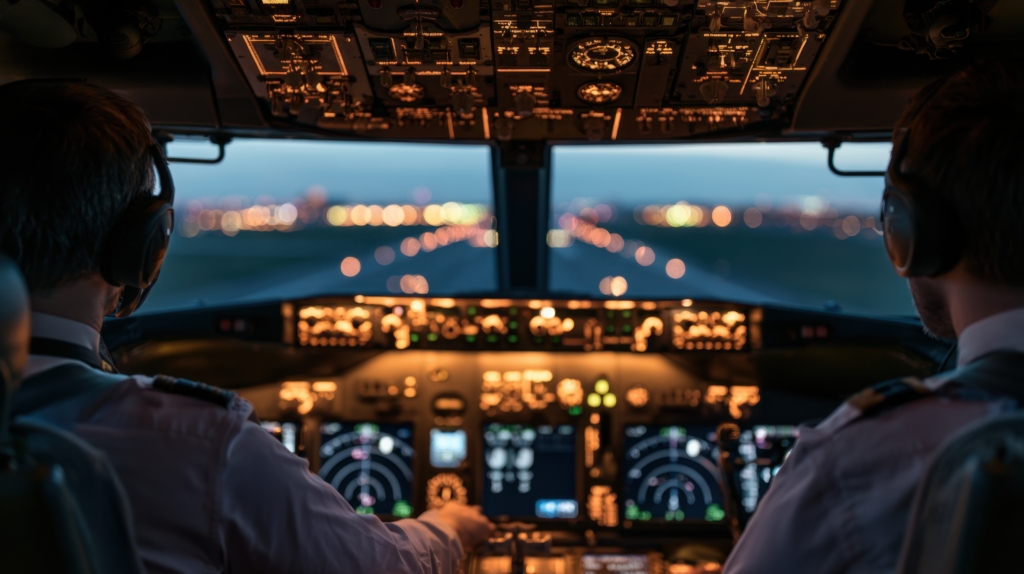
For prospective pilots, the best strategy is to plan carefully: understand the applicable FAA requirements, explore eligible R-ATP pathways, budget for the full training journey, and choose hour-building jobs that develop useful skills rather than simply increasing the total in a logbook.
Ultimately, the 1,500-hour rule is not a guarantee of employment or expertise. It is a regulatory milestone that most aspiring US airline pilots must reach before they can take the next step towards a professional airline career.
Sign up for our newsletter and get our latest content in your inbox.


More from

October 31, 20263 min read


