Rafale F5 talks resume as France and UAE revisit fighter partnership

4 min read
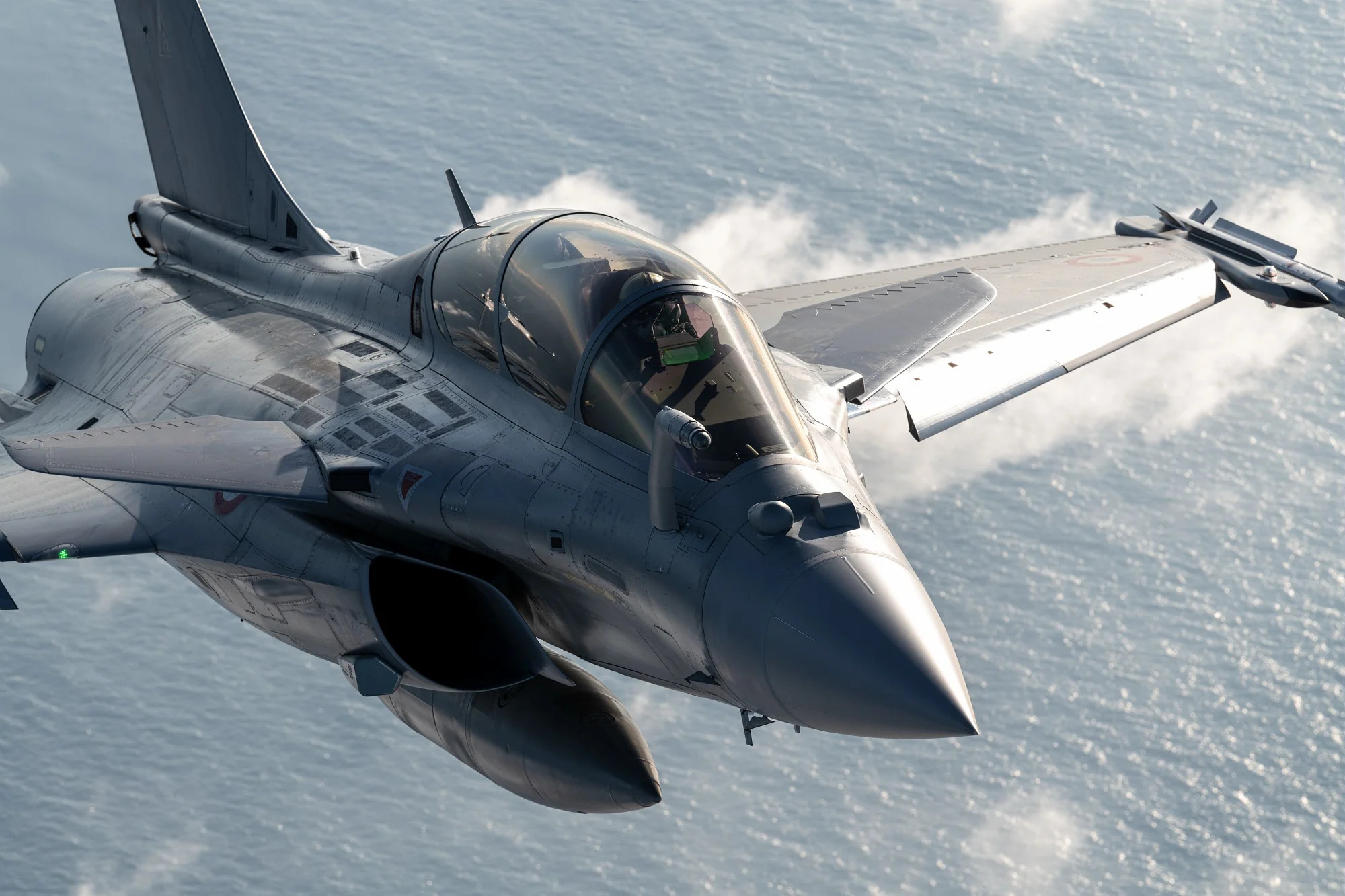
France and the United Arab Emirates have reopened discussions on possible UAE participation in the Rafale F5 fighter jet programme.
Reuters first reported the revival of the talks on 23 October, citing officials, following French President Emmanuel Macron’s visit to Abu Dhabi.
Reuters reported that France is seeking additional funding sources for the Rafale F5 programme as it pursues several major defence projects simultaneously.
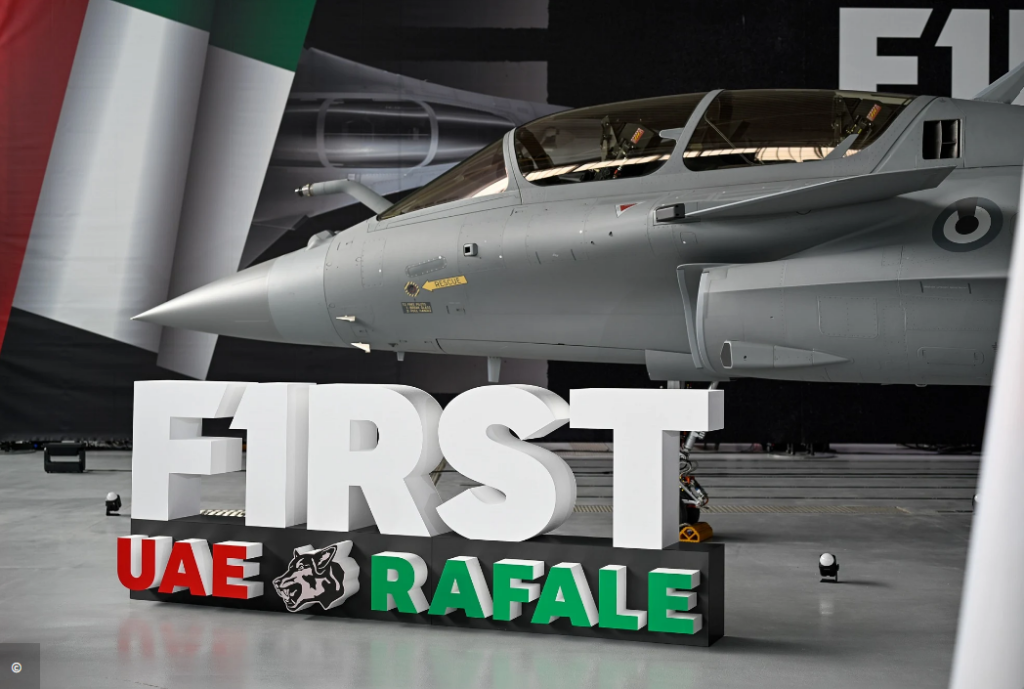
The two countries have a longstanding defence relationship, reinforced by the UAE’s landmark purchase of 80 Rafale fighters in 2021.
According to reports by La Tribune, the earlier talks stalled after disagreements over technology access and industrial participation.
What happened in previous discussions?
Reuters reported that the UAE had been prepared to contribute up to €3.5 billion towards the Rafale F5 programme.
In return, the UAE wanted to participate closely in the aircraft’s development and gain access to technologies arising from the programme.
French financial newspaper La Tribune reported on 2 April that negotiations had become increasingly difficult throughout 2025, culminating in a particularly strained meeting between Macron and UAE President Sheikh Mohamed bin Zayed Al Nahyan during the French leader’s visit to Abu Dhabi in December that year.
According to the report, the main disagreement concerned how much technology France was prepared to share.
La Tribune reported that the UAE sought industrial participation and access to technology from the programme, while France was unwilling to grant access to certain sensitive systems, particularly in optronics.
The French side had reportedly considered some cooperation in this area before withdrawing from the proposal.
Abu Dhabi subsequently decided against financing the programme without receiving the technological benefits it had sought.
La Tribune reported that the loss of Emirati funding could force Paris to spread expenditure over a longer period, potentially delaying the introduction of aircraft upgraded to the F5 standard.
A relationship built around 80 Rafale fighters
The UAE is already Dassault Aviation’s largest export customer for the Rafale, having signed a contract for 80 aircraft on 3 December 2021 during Macron’s visit to the country.
The fighter order alone was valued at approximately €14 billion ($15.7 billion). A separate €2 billion ($2.25 billion) agreement covered weapons, while another €1 billion ($1.12 billion) contract provided for 12 Airbus H225M Caracal helicopters. Together, the agreements were worth around €17 billion (around $19 billion).
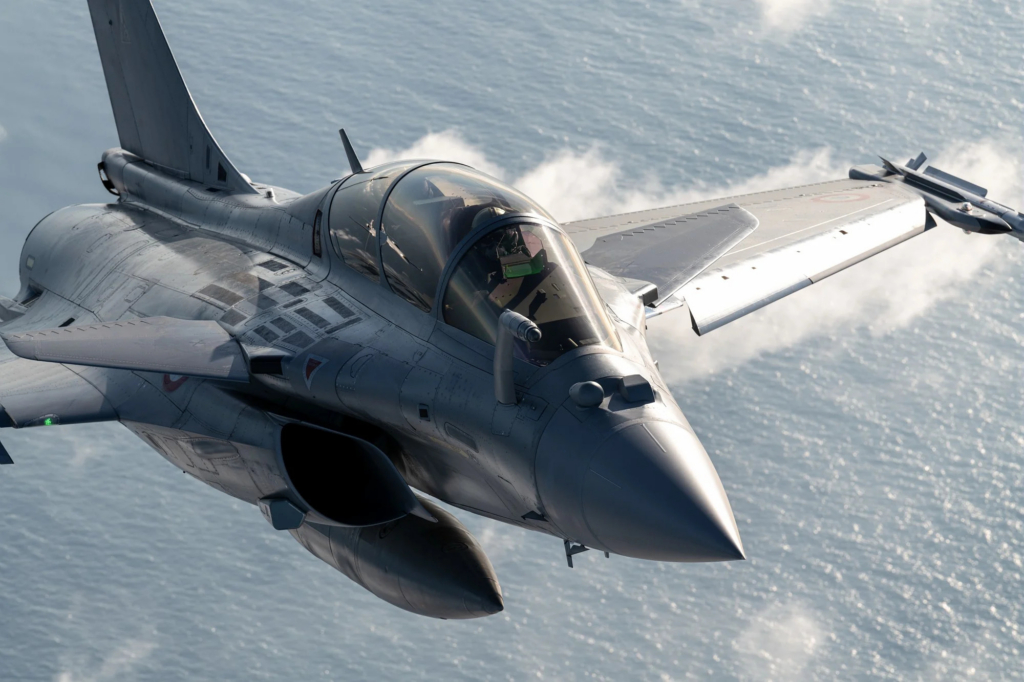
The UAE had previously considered buying 60 Rafales as early as 2009, but those discussions failed to produce an agreement. The 2021 contract finally secured the aircraft as replacements for the UAE’s ageing Mirage 2000-9 fleet.
The Emirati aircraft are being acquired in the F4 configuration, an upgrade that improves the Rafale’s connectivity, sensors, weapons integration and ability to operate alongside other military assets.
Deliveries were originally scheduled to begin in 2027.
Announcing the 2021 agreement, Dassault Aviation chairman and CEO Eric Trappier described the sale as a continuation of a relationship dating back to earlier French combat aircraft.
“After the Mirage 5 and Mirage 2000, this Rafale contract consolidates the strategic relationship that binds our two countries and the satisfaction of the Emirates Air Force, a long-standing and demanding partner of our company,” he said.
The new F5 discussions concern the development of a more advanced version of the fighter. They do not represent another confirmed aircraft purchase.
What makes the Rafale F5 different?
The Rafale F5 is intended to keep France’s principal combat aircraft effective against increasingly sophisticated air defences and new generations of fighters.
Often referred to as the Super Rafale, the proposed upgrade goes considerably further than improvements to radar, communications and weapons.
It is expected to introduce more advanced sensors, electronic warfare capabilities, artificial intelligence and the ability to operate alongside uncrewed aircraft.
One important objective is to allow a Rafale pilot to work with a combat drone that can carry out reconnaissance or other missions in dangerous airspace.
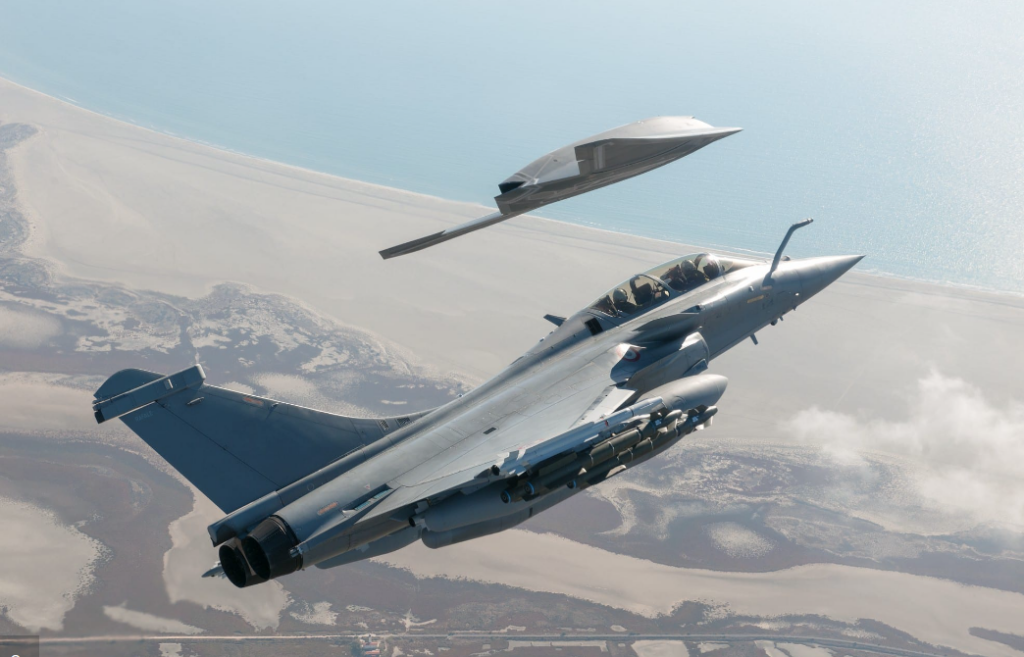
Such an arrangement could allow the crewed fighter to remain farther from hostile defences while the accompanying drone performs tasks closer to the threat.
France is already pursuing technologies needed for these operations.
As previously reported by AGN, French military officials have outlined plans to use artificial intelligence to improve cooperation between fighters and drones. Dassault has also been involved in testing AI applications aboard the Rafale, while France is working towards a coordinated flight involving a Rafale and an accompanying drone in 2028.
The F5 programme is also expected to support France’s airborne nuclear deterrent through the integration of a future high-speed missile.
Reuters and La Tribune reported that access to sensitive technologies was a central issue in previous negotiations.