Riyadh Airport is open again, but what does that actually mean for passengers?

4 min read
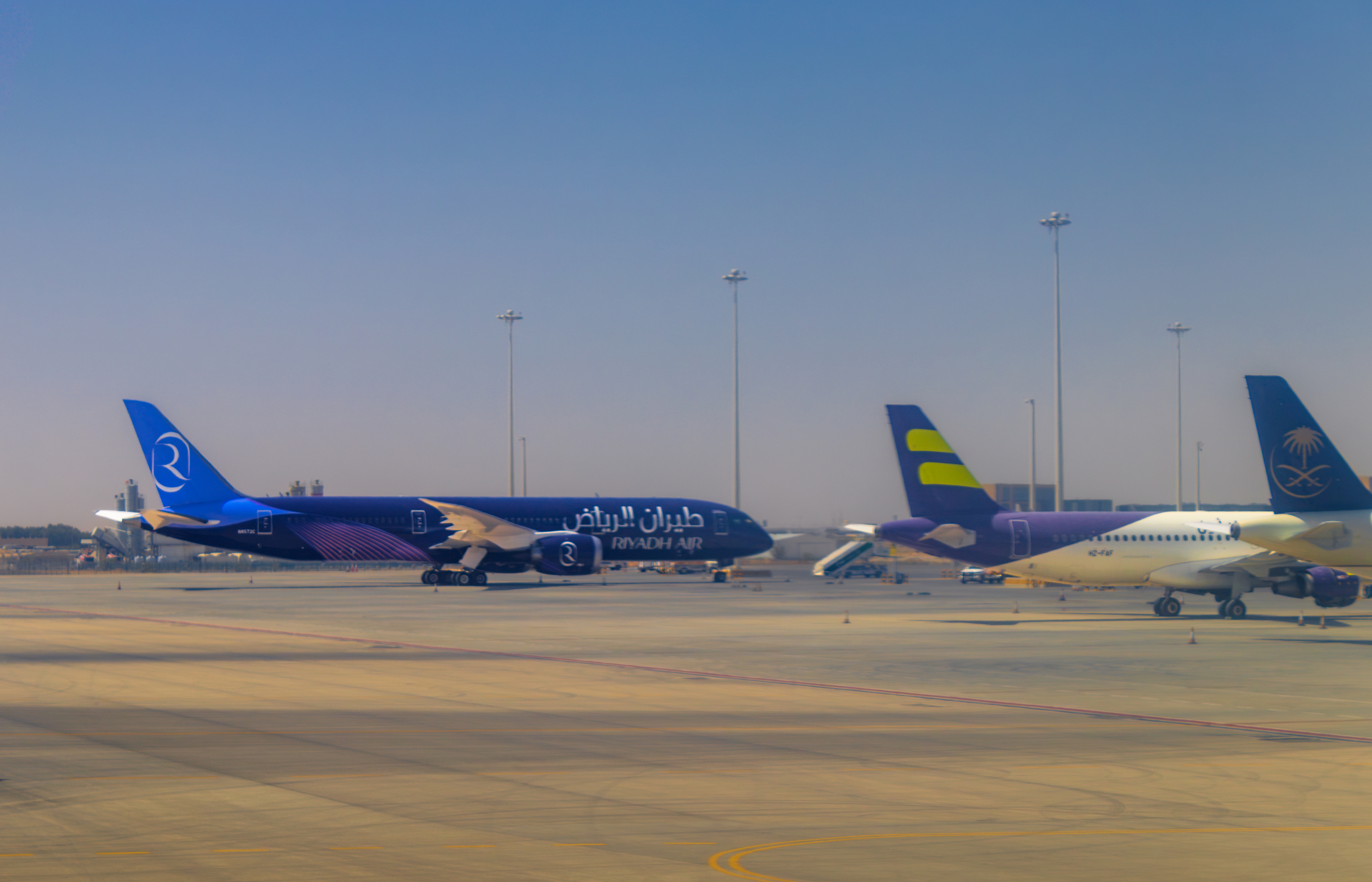
Riyadh’s King Khalid International Airport (RUH) reopened on 18 October, following a closure triggered by regional security incidents. However, passengers should not mistake the reopening for a return to normal operations.
The airport resumed limited operations following deadly missile and drone attacks, but international airlines are maintaining flight suspensions amid security warnings, airspace restrictions and concerns over insurance costs.
Although the airport has resumed limited activity, airlines continue to suspend services, cancel flights and adjust schedules. Travellers heading to Saudi Arabia, departing from Riyadh or connecting through the airport may still face significant disruption, with the situation changing at short notice. Here is what passengers need to know before travelling.
Could passengers still face disruption in Riyadh?
The simple answer is yes. The airport reopening does not guarantee that every airline has resumed flights or that published schedules will be maintained.
Several international carriers have extended suspensions affecting Riyadh and other Saudi destinations, in some cases into November and beyond. Others are reviewing their operations as the regional security situation develops.
Restrictions affecting aircraft movements may also influence which services can operate.
Passengers should therefore prepare for possible cancellations, delays, rerouting and changes to departure times. Even if a flight appears in an airline’s booking system, its status should be checked again before travelling.
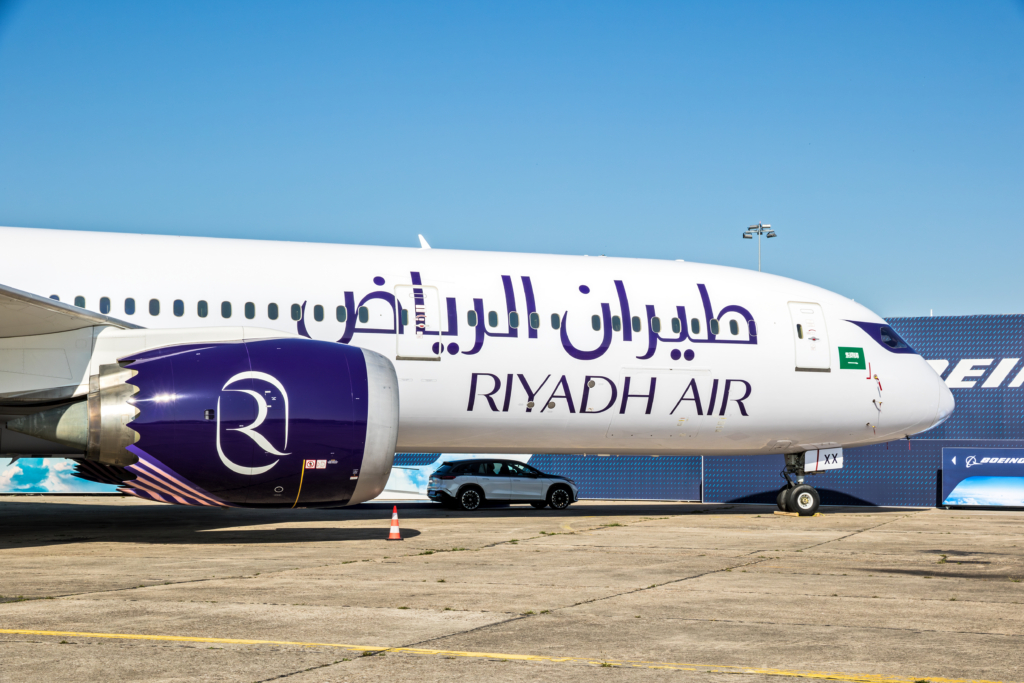
Disruption may also affect connecting flights, onward ground transport and hotel arrangements. Travellers with tight schedules, important appointments or separate onward bookings should consider the consequences of a late arrival or an unexpected overnight stay.
The key issue to note for passengers is that an open airport is different from a fully operational flight network. Each airline determines its own schedule, subject to the relevant safety and regulatory requirements.
What should passengers do before travel?
The most important step is to check directly with the airline operating the flight, rather than relying solely on a travel agent’s itinerary, an airport departure board or an older confirmation email.
Passengers should check the status of their flight regularly
Look for cancellations, revised departure times and any instructions about rebooking. Recheck shortly before leaving for the airport.
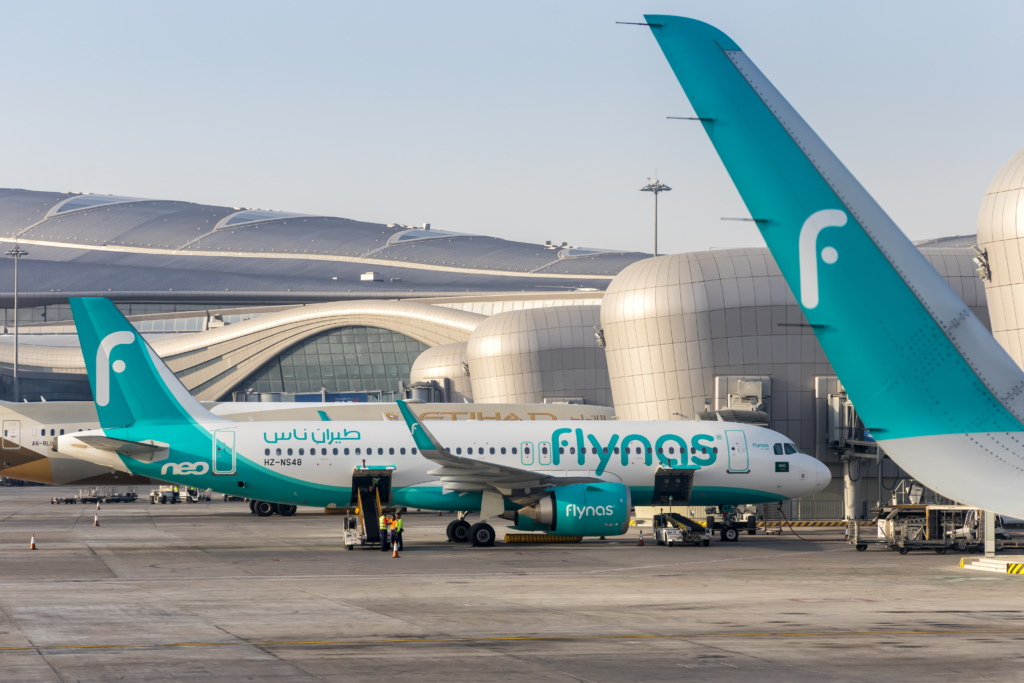
Confirm again before setting off
Do not assume that a scheduled flight will operate simply because the airport has reopened. Follow official instructions on whether it is appropriate to travel to the terminal.
Understand rebooking options
If a flight is cancelled, contact the airline or booking agent to discuss alternative flights, refunds and any available assistance.
Prepare for delays
Keep essential medication, travel documents, chargers, valuables and a change of clothes in hand luggage, in case an unexpected overnight stay becomes necessary.
Review travel insurance and official advice
Check the latest guidance from the relevant government authorities and contact the insurer if plans need to change. Travel insurance may be affected by official travel warnings or exclusions relating to conflict.

British travellers should pay particular attention to the UK Foreign, Commonwealth & Development Office (FCDO) advice.
Its current guidance warns of a heightened threat to Saudi airports, says further attacks and flight disruption are highly likely, and advises British nationals to stay away from King Khalid International Airport following the incident on 10 October. Travellers should review the latest advice before making decisions.
Passengers should also avoid making non-refundable hotel, transport or onward travel arrangements until their flight plans are confirmed wherever possible.
What about transit passengers?
Transit passengers should be particularly cautious. A connection appearing on a booking confirmation does not guarantee that both flights will operate, even if the journey was booked as a single itinerary.
Before travelling, passengers connecting through Riyadh should confirm the status of both their inbound and onward flights with the airline. They should also ask whether their connection remains valid if one service is delayed, cancelled or rerouted.
Those travelling on a single ticket should contact the airline to establish what alternative arrangements are available if disruption affects either leg.
Passengers with separate tickets may face additional complications: the airline operating one flight may not be responsible for protecting a separately booked onward journey.
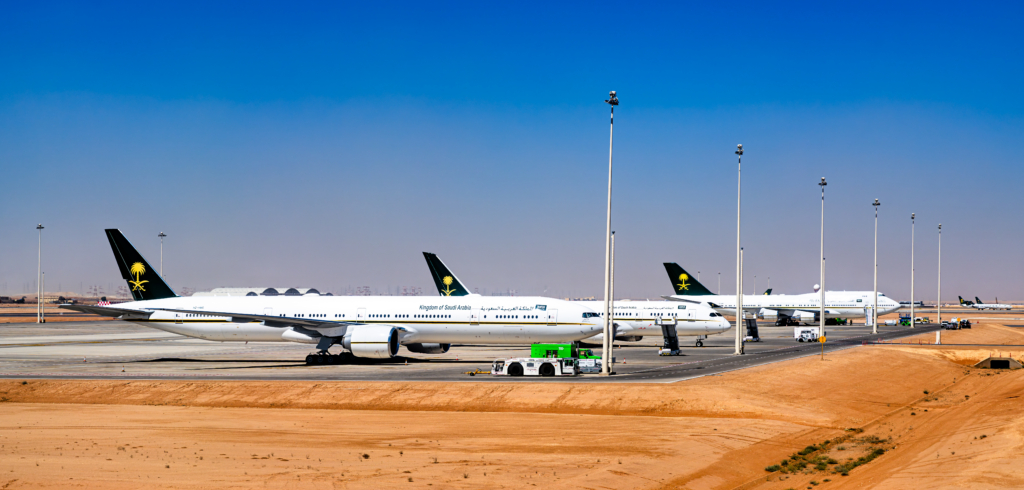
Travellers should not assume they will be able to leave the airport and enter Saudi Arabia if a connection fails. Immigration permission depends on individual circumstances, including nationality and visa requirements.
Anyone facing an extended layover or overnight disruption should contact their airline for instructions before making alternative arrangements.
It is also worth checking whether an alternative route through another airport is available, but passengers should not book a replacement journey independently without first understanding the implications for their original ticket, baggage and travel insurance.
The bottom line for Riyadh passengers
Riyadh’s reopening is an important development, but it is only one part of the picture. Airline suspensions, operational restrictions and regional security concerns mean passengers cannot yet assume a normal, uninterrupted journey.
For anyone due to travel, the safest approach is to check official travel advice, confirm the status of every flight directly with the operating airline and follow its instructions before heading to the airport.
For transit passengers, checking the entire itinerary is essential. Until services become more consistent and restrictions ease, flexibility and preparation remain crucial.
Sign up for our newsletter and get our latest content in your inbox.


More from


October 17, 20264 min read