


US lawmakers demand pause to AI-powered air traffic management system

3 min read
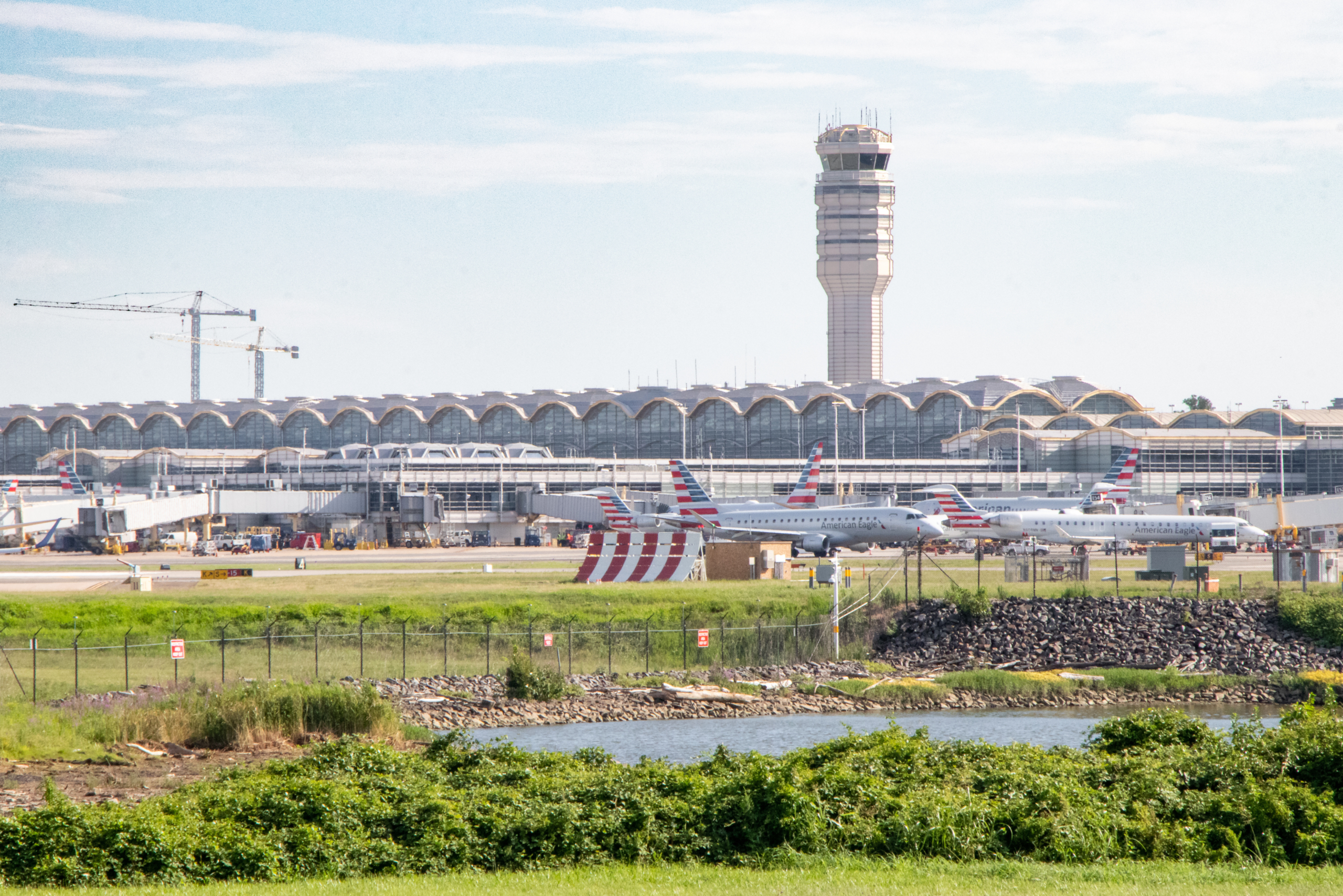
Twenty-five US lawmakers want the Federal Aviation Administration (FAA) to suspend a new AI-powered air traffic management system, questioning whether it was adequately tested before entering service.
The Strategic Management of Airspace, Routes and Trajectories (SMART) system began operating on 21 September at Ronald Reagan Washington National, Washington Dulles International and Baltimore/Washington International airports.
In a letter to Transportation Secretary Sean Duffy and FAA Administrator Bryan Bedford, the lawmakers demanded details of the safety assessments carried out before deployment. They also questioned whether air traffic controllers and other aviation personnel had received sufficient training.
The letter, led by Democratic Representatives April McClain Delaney, Alexandria Ocasio-Cortez and Don Beyer, gives the FAA until 19 October to respond.
The agency awarded Air Space Intelligence a 12-year, $875 million contract to develop SMART in June, according to Reuters.
What are the safety concerns over SMART?
Lawmakers want to know whether SMART was tested against severe weather, equipment failures, and other disruptions. They also asked whether any established safety review requirements were waived.
Another concern is the apparent lack of consultation with controllers, airlines, and airport authorities before the system went live.
The letter seeks details of how the FAA will assess SMART during its initial 90-day trial, what standards it must meet before nationwide deployment, and who would be accountable if an AI-generated recommendation contributed to an incident.

The questions come less than two years after the January 2025 collision between an American Airlines regional jet and a US Army helicopter near Reagan National Airport, which killed 67 people.
There have been no reported accidents attributed to SMART. Lawmakers are challenging the FAA’s decision to introduce the technology before making its safety assessments and operational safeguards clear.
How does the FAA’s AI system work?
SMART is intended to help the FAA anticipate air traffic congestion and respond to disruption before delays spread across the network.
It processes more than 200 data streams, including weather forecasts, flight schedules, airport capacity and operational restrictions, to recommend adjustments to routes and departure times.
The system does not control aircraft. FAA traffic managers review its recommendations, and air traffic controllers retain responsibility for managing aircraft movements.
Duffy defended SMART on 13 October, telling Fox Business: “Air traffic controllers will always control the airspace.”
Bedford has also backed the investment.
“It’s going to be transformational,” he previously told Reuters. “We’ll make much better decisions if we have better decision-making tools.”
The FAA plans to expand SMART’s capabilities, including potentially coordinating flight schedules and trajectories before aircraft depart.
What does SMART mean for AI in aviation?
Airlines already use predictive technology for flight planning, maintenance and disruption management. SMART brings similar capabilities to the FAA’s management of airspace capacity.
The FAA says the system could reduce delays, fuel consumption and the time needed to recover from severe weather disruption. Those benefits are yet to be demonstrated during the Washington trial.

The National Air Traffic Controllers Association (NATCA) has raised its own concerns. In a statement reported by NPR, the union said it had not participated in SMART’s design, testing, or implementation and therefore could not assess its impact on controllers.
Airlines support AI air traffic management
US airlines have welcomed the investment, which could give operators earlier warnings of congestion and more reliable information when planning flights.
In the FAA’s June announcement, Airlines for America chief executive Chris Sununu said:
“SMART leverages the latest technologies to make air traffic more efficient and timely while maintaining our gold standard of safety.”
He added that airlines were working with the FAA to secure more efficient routings and better information about available airspace capacity.
SMART is being introduced along with other air traffic modernisation projects, including the Flow Management Data and Services (FMDS) programme, which would replace ageing traffic flow management software.
The FAA has not announced a suspension of SMART operations. Lawmakers are awaiting its response on safety testing, staff training, and the conditions that would need to be met before the system is deployed nationwide.
Sign up for our newsletter and get our latest content in your inbox.




More from


October 13, 202612 min read






