


5 ways the US Air Force is already using AI

4 min read
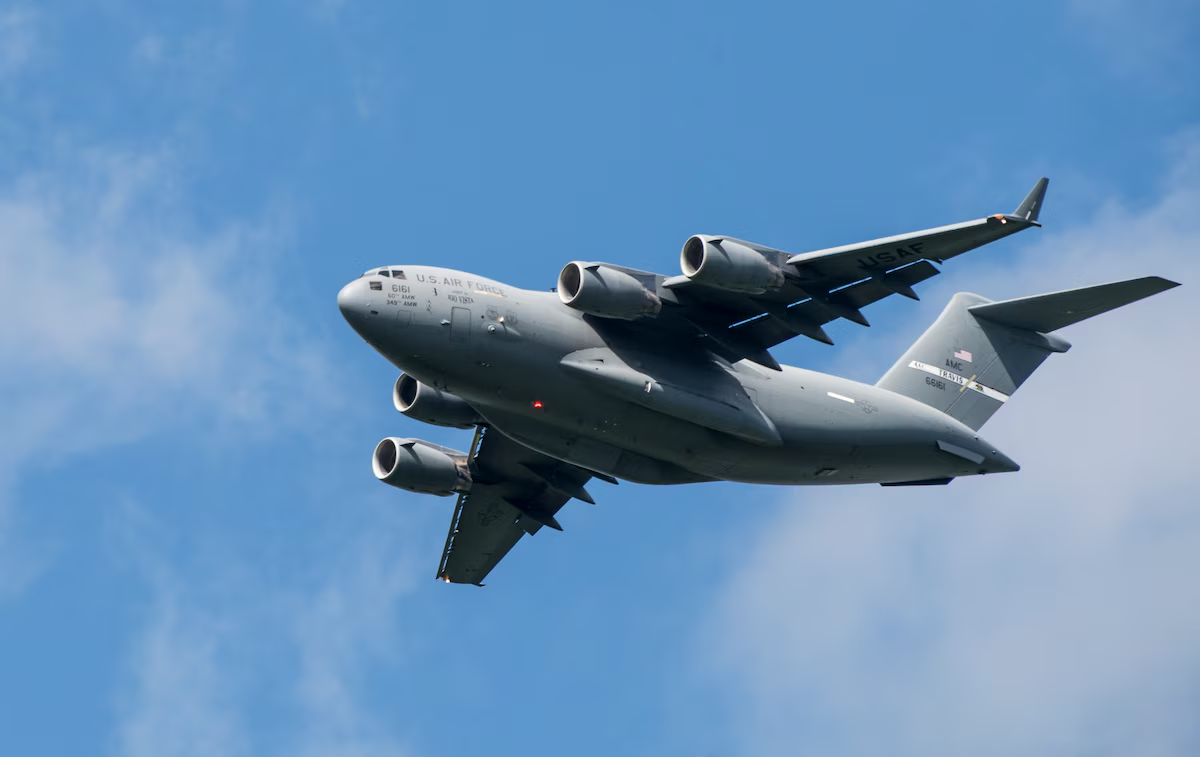
Artificial intelligence (AI) is becoming a bigger part of how the United States Air Force operates. From developing autonomous aircraft to improving maintenance and protecting military networks, the technology is being used to tackle practical challenges across the service.
AI is often associated with futuristic weapons and robots. But its role is much broader, extending to the everyday work needed to keep aircraft ready, protect sensitive information and manage personnel.
Here are five ways the Air Force is putting AI to work.
1. AI takes flight with autonomous combat aircraft
The US Air Force is developing Collaborative Combat Aircraft (CCA), autonomous platforms designed to operate alongside crewed fighter jets in contested airspace.
These aircraft are expected to carry out missions including air-to-air and air-to-ground combat, targeting, electronic warfare and intelligence, surveillance and reconnaissance.
AI software is expected to let human pilots manage multiple aircraft, giving them more options during operations.
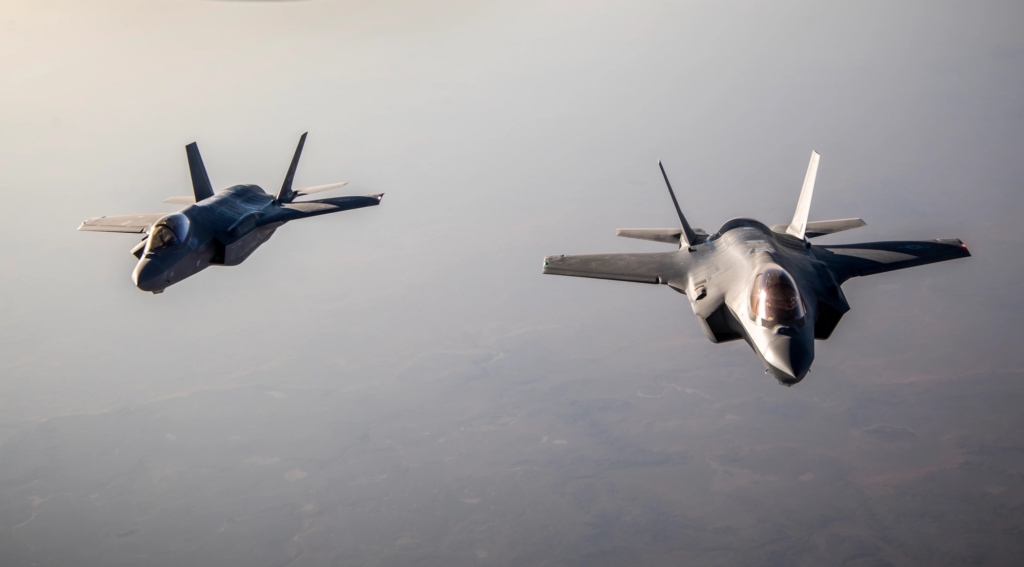
Anduril Industries and General Atomics were awarded contracts to build these aircraft in June 2026. The Department of War has also requested nearly $1 billion in its 2027 budget to buy them.
Air Force Secretary Troy Meink wants the service to have more than 150 combat-ready aircraft by the end of the decade, although this is a target rather than a fleet that is already in place.
2. Faster decision-making for air operations
Military commanders often need to weigh up several possible courses of action while dealing with complex and rapidly changing situations. AI could help by analysing scenarios and generating options for people to assess.
During the Air Force’s 2025 Decision Advantage Sprint for Human-Machine Teaming (DASH) experiments, two industry-developed AI systems generated more than 6,000 proposed solutions to 20 battlefield problems in one hour.
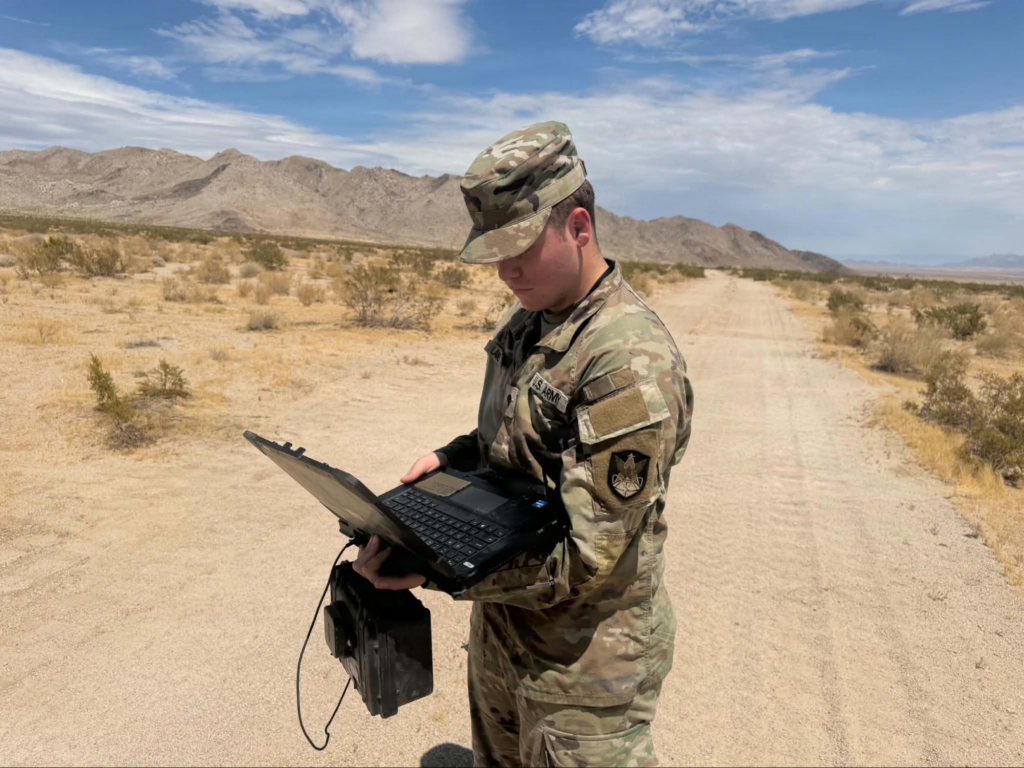
The aim is to help commanders better understand their options, decipher risks and make decisions more quickly. AI can give them useful information and suggest possible solutions, but people remain responsible for making the final call.
3. Using AI to protect military aviation networks
Protecting military networks and sensitive information is another priority. AI can help security teams analyse large amounts of data, identify unusual activity and focus on threats that need closer investigation.
General Dynamics Information Technology is providing its AI-enabled Everest Zero Trust Digital Accelerator to 187 Air Force bases. The company received a $120 million task order in January 2026 for technology designed to protect military data across classification levels.
The Air Force has also given World Wide Technology a $40 million contract to develop an AI-powered security centre. The system is designed to monitor military networks and spot possible cyberattacks, helping security teams identify threats without having to manually sift through huge amounts of data.
4. Keeping aircraft flying with predictive maintenance
AI is also helping the Air Force manage equipment and plan maintenance more efficiently.
Air Force Global Strike Command munitions teams use Automated Master Storage Planning (A-MSP), an application developed by Virtualitics. It considers building layouts, available space and safety rules governing how munitions must be stored.
According to Virtualitics, the system can reduce storage planning from weeks to minutes.
For aircraft maintenance, the Air Force is expanding its use of C3 AI’s Predictive Analytics and Decision Assistant (PANDA), which monitors aircraft components to help identify maintenance needs. C3 AI received a $350 million contract modification in May 2025 to expand the platform’s use.
The company says PANDA has the potential to increase aircraft availability by up to 25%. This is a projected benefit, not a confirmed improvement across the fleet.
5. Applying AI to aerospace workforce planning
AI could also assist the Air Force in managing its staff, including reviewing and ranking candidates for promotion.
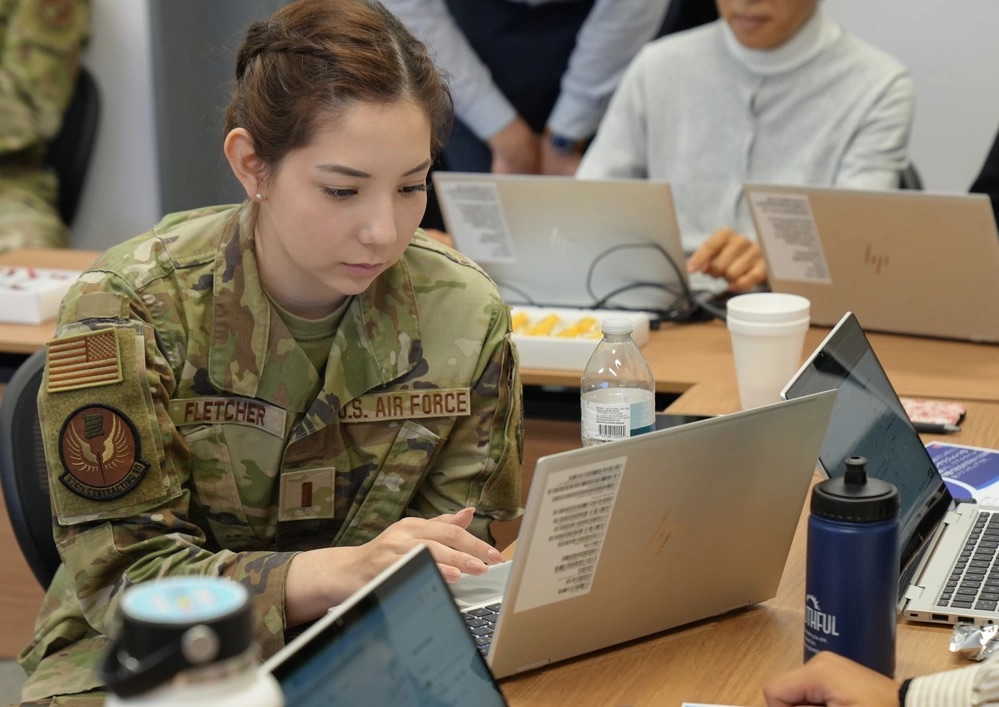
The Air Force’s AI Action Team has identified this as one possible use for the technology, speeding up the process and helping staff evaluate candidates more efficiently.
However, AI will not make promotion decisions on its own. The technology is there to support the people reviewing candidates, who will still be responsible for the final decisions.
AI’s expanding role in military aviation
These examples show that AI is about more than just autonomous aircraft or advanced combat systems. It is also being applied to cybersecurity, logistics, maintenance and workforce management.
The challenge will lie in making sure these tools are reliable, secure and used with appropriate human oversight.
As the Air Force continues to develop its AI capabilities, their impact will depend not only on what the technology can do, but also on how effectively it supports the people using it.





