


Russia copies Ukraine’s ‘Baba Yaga’ tactics with new Mangas heavy bomber drone

3 min read
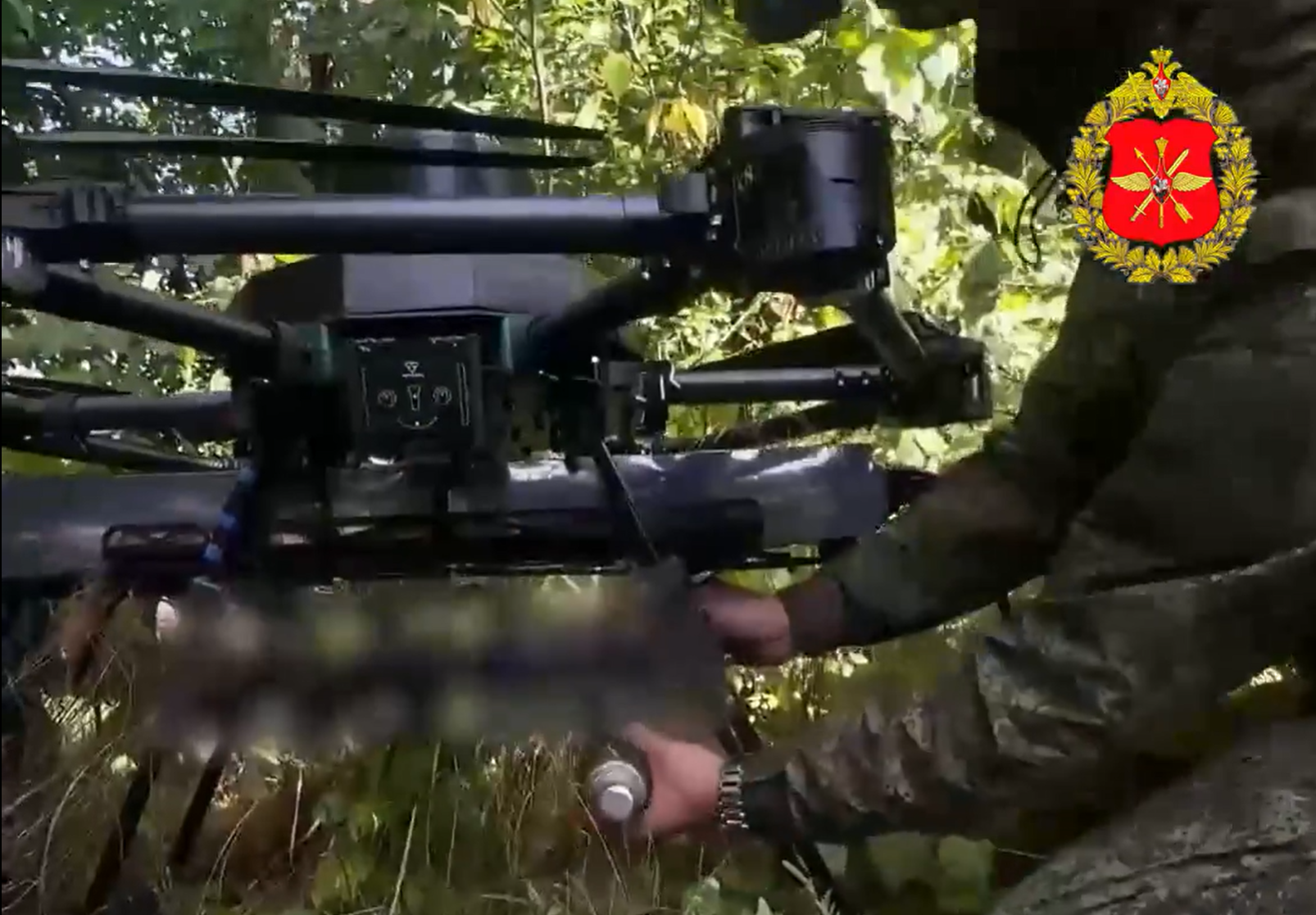
The war in Ukraine has been a classic case of adaptation and counter-adaptation, and now Russia appears to have finally copied the tactics of Ukrainian ‘Baba Yaga’ heavy bomber drones and created its own Mangas heavy bomber drone.
Importantly, the emergence of Mangas points to Russia copying the capability and mission set of the Ukrainian class, more than just the drones themselves.
Russia’s new Mangas ‘Baba Yaga’ heavy bomber drone
The new drone, called the Mangas, appears to be Russia’s answer to the Ukrainian Vampire drone known to the Russians as the Baba Yaga. The Baikal Tactical Group in Ulan-Ude developed Mangas in collaboration with the company Kurier.
The Russian military said on its Telegram channel, “Servicemen of the 11th Army Corps of the Sever (North) Group of Forces are using the new ‘Mangas’ drone to strike Ukrainian Armed Forces shelters and personnel, as well as to deliver food and ammunition to our troops on the front line.”
These drones are often called heavy bombers, but that is relative to the small FPV-type drones on the front; they are tiny compared with manned aircraft.
The new drone is currently often deployed at night due to its thermal imaging camera.
Mangas is a hexacopter with six arms and is designed with electronic warfare resistance. Its maximum flight range with a minimum payload is up to 50 kilometres.
Ukraine’s Baba Yaga family of heavy bomber drones
The Vampire (or SkyFall) heavy hexacopter can carry a payload of around 15 kg, has a range of around 20 km (depending on payload), a speed of around 80 km/h unloaded, and has thermal and infrared cameras.
In February, Ukraniska Pravda wrote, “SkyFall is one of Ukraine’s most under-the-radar defence companies,” and reported that the company said it plans to produce around 100,000 larger drones this year.
Pink Vampire heavy bomber drone https://t.co/8xJ60r85py pic.twitter.com/VeS3VekxLH
— Special Kherson Cat 🐈🇺🇦 (@bayraktar_1love) February 8, 2026
It is reported to cost around $8,500 per copy, having previously cost in the $12,000 to $20,000 range.
Other Ukrainian drones that typically fall under the Baba Yaga nickname include Aerorozvidka R18, Kazhan (‘Bat’), and Nemesis. These drones are used to drop munitions like mortar rounds, anti-tank mines (e.g., TM-62), fragmentation charges, etc., on vehicles, bunkers, and infantry.
They are also used to perform logistical and resupply missions to the frontline units. They sit between cheap, expendable FPV drones and much more expensive larger systems.
Why Russia has been slow to copy Ukraine
Throughout much of the war, Ukraine was often the first mover in several important drone concepts, while Russia frequently proved more effective at scaling successful ideas into mass production.
Ukraine was generally earlier in using FPV attack drones at scale, using heavy ‘Baba Yaga’ bombers, establishing a dedicated Unmanned Systems Forces, using Yak-52s as anti-drone interceptors, developing drone interceptors, and more.
Russia has often copied Ukraine, allowing Ukraine to have temporary tactical advantages, although Russia often moves at a greater scale with mass production.
Russia has been the first in some innovations, such as the use of fibre-optic FPV drones.
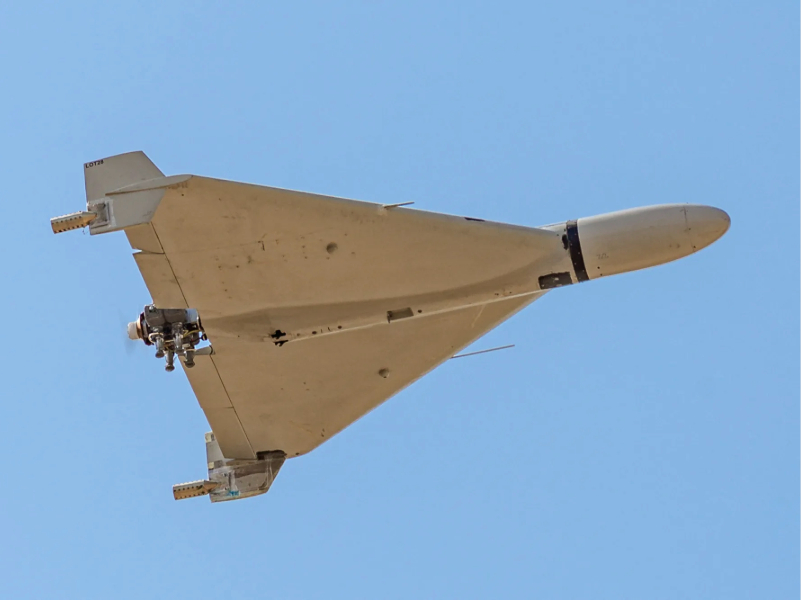
But the Baba Yaga class of drones stands out, as Ukraine first developed them in 2022 and mass-produced them in 2023. But Russia didn’t copy them and likely didn’t feel like it needed to. Ukraine was looking for ways to compensate for its artillery and air force disadvantage.
They are regarded as highly effective. However, early in the war, Russia’s more centralized defence industry emphasised artillery, helicopters, and loitering munitions like Lancet.
Russia still possesses substantial artillery and armoured capabilities, but drones have increasingly reduced the survivability of vehicles and made cheap aerial precision strike a much more important part of frontline warfare.
After around a three or so year lag, Russia is finally developing its own class of heavy bomber hexagonal drones.
Sign up for our newsletter and get our latest content in your inbox.


More from


September 21, 20263 min read


September 18, 20263 min read