


How military helicopters are adapting to the drone-dense battlefield

5 min read
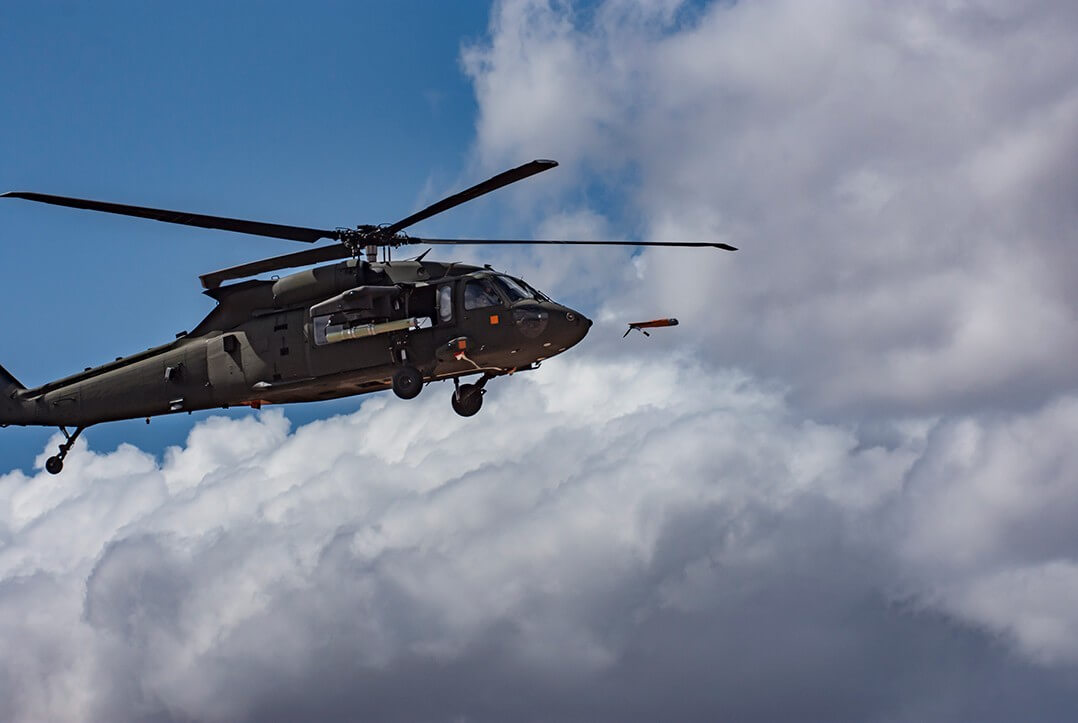
The rapid spread of drones and increasingly capable air-defence systems is forcing militaries to rethink how helicopters operate on the modern battlefield.
Rather than disappearing from frontline warfare, attack and transport helicopters are evolving into part of a wider network of drones, sensors, electronic warfare systems and long-range weapons. The helicopter is not disappearing from war, but its role is changing rapidly.
Drones and MANPADS have changed the helicopter environment
Drones and MANPADS (man-portable air defence systems) have fundamentally changed the threat environment for helicopters.
The classic image of attack helicopters routinely popping above the treeline to engage tanks at close range appears to be largely on pause in Ukraine, rather than universally obsolete.
Likewise, helicopters are coming in to deploy troops right on the line of contact and conducting MEDEVAC missions from the front is also on pause.
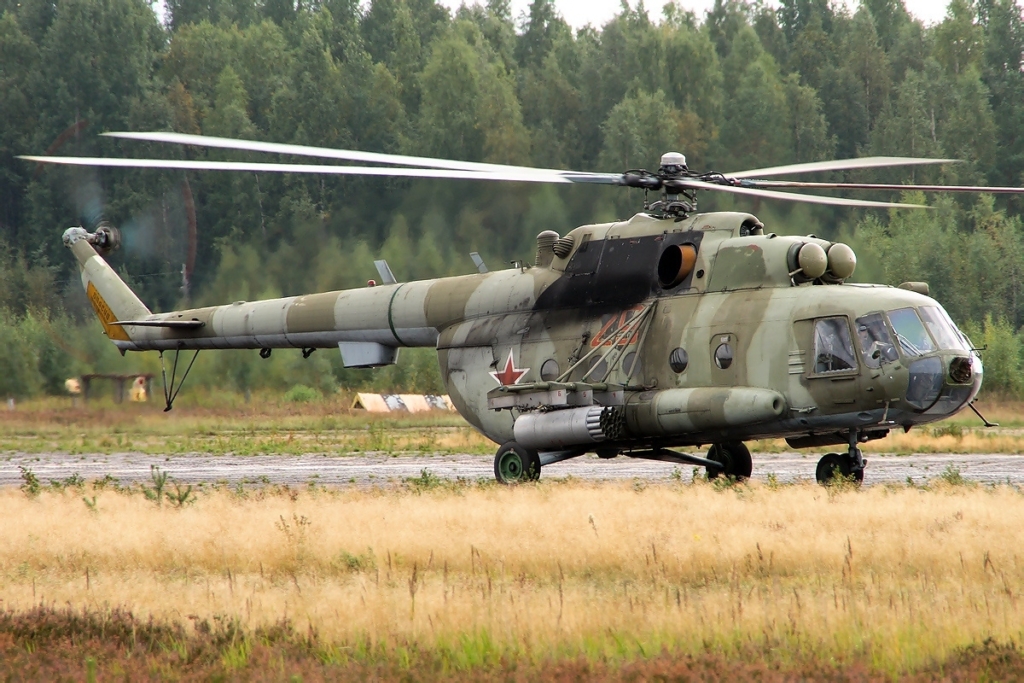
At this stage, helicopters have been pushed further back. They can still deliver troops and evacuate wounded personnel, but not all the way to the front.
As of mid-2026, drones are likely the biggest threat to helicopters on the ground near the frontline (at least in the Ukraine context). But they still struggle to threaten helicopters directly in the air. MANPADS are widely regarded as among the most significant threats to helicopters in flight.
However, what is even more dangerous for helicopters is the combination of ISR drones with other platforms. MANPADS, other air defence, long-range artillery, and missile strikes become much more effective against helicopters when assisted by a drone with eyes on target.
How helicopters are adapting
Militaries around the world are racing to adapt to the realities of the new environment through stand-off weapons, teaming with uncrewed aircraft, defensive aids, lower signatures, and other methods.
To survive and remain relevant, one of the first areas is dispersing and concealing the helicopters while on the ground and keeping them mobile. This includes reducing electronic emissions, using camouflage, and deploying dummies.
Helicopters are also developing their own counter-drone capabilities. They are being integrated into an emerging system that may include radar and EO/IR detection, missile warning, DIRCM, onboard guns, and more.
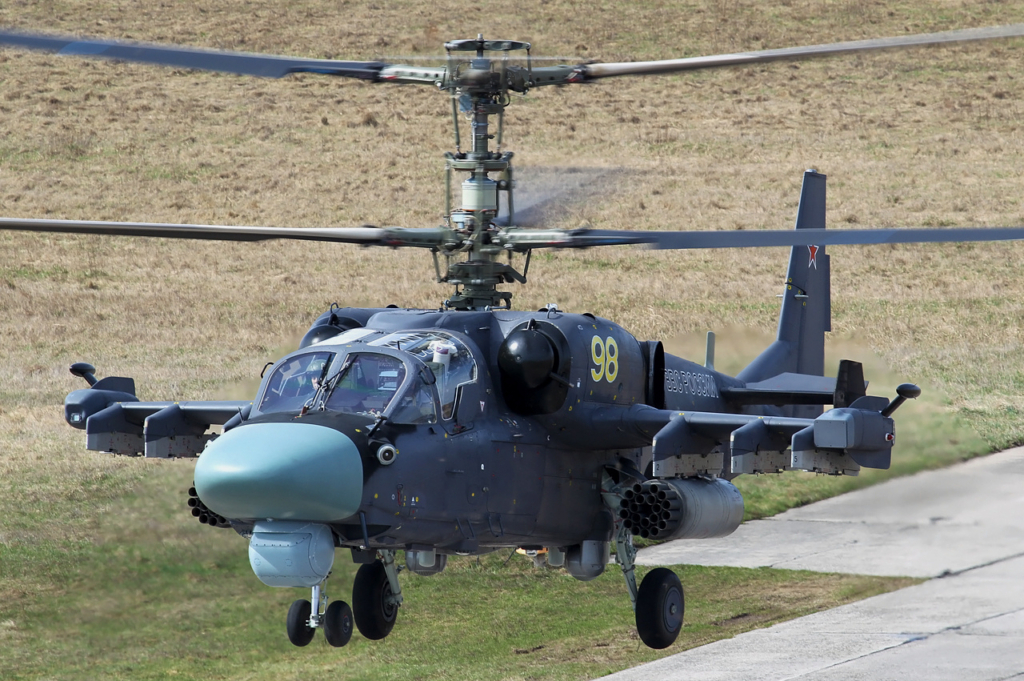
Armed with long-range missiles like Spike NLOS, Brimstone, and AGM-179 JAGM, helicopters may become more of a remote missile carrier than a flying gunship.
But drones can work both ways. Helicopters can utilize off-board drones, from fully fledged loyal wingman drones to laser-targeting drones, to become the helicopter’s eyes and allow it to shoot further.
They can also function as a command centre, tasking loyal wingman drones to carry out missions on their behalf.
Offensive electronic warfare is also becoming an important role for helicopters.
Not drawing the wrong lessons from Venezuela
Tales of the helicopter’s demise are premature. As Rusi points out, the January 2026 raid using CH-47 Chinooks and MH-60s Black Hawks over a blacked-out Caracas to capture Venezuela’s Nicolas Maduro was a case in point.
But a surprise, one-off, and daring nighttime raid against an adversary with questionable defensive readiness has only so many lessons for a protracted peer-on-peer high-end fight.
US advantages in Venezuela were overwhelming. Reports also emerged that suggested some helicopters were nearly hit and brought down.
Helicopters are now fighting deep in the rear
One way helicopters are adapting to the drone-infested battlefield is by becoming drone hunters. The drone battlefield now extends thousands of kilometres beyond the front line.
Both Ukraine and Russia have been tasking their helicopters to shoot down one-way attack drones like Shahed-style drones and FP-1 drones.
The first days of the Russian invasion of Ukraine saw a large number of Russian helicopters deploy elite VDV paratroopers behind the front line. This resulted in significant Russian helicopter losses and highlighted the vulnerability of air assault operations in contested airspace.
Cockpit footage from a Ukrainian Mi-24 Hind helicopter gunship shooting down a Russian Shahed attack drone with its Yak-B gatling gun. pic.twitter.com/nIvxATYGCr
— OSINTtechnical (@Osinttechnical) June 25, 2025
In 2023, Russia used its Ka-52 Alligator attack helicopters with long-range missiles to blunt the Ukrainian counteroffensive and hit Ukrainian armour. After that, the US supplied ATACMs to Ukraine, which contributed to the destruction of many Ka-52s on the ground and made forward bases unviable.
As of 2026, open-source evidence suggests Russia is increasingly using Ka-52s (along with A-50Us and Su-57s) in rear-area roles, including intercepting long-range Ukrainian one-way attack drones, alongside their traditional strike missions.
Put another way, drones have not only pushed helicopters back from the frontline, but they have also pulled them back.
Deep strike over the frontline
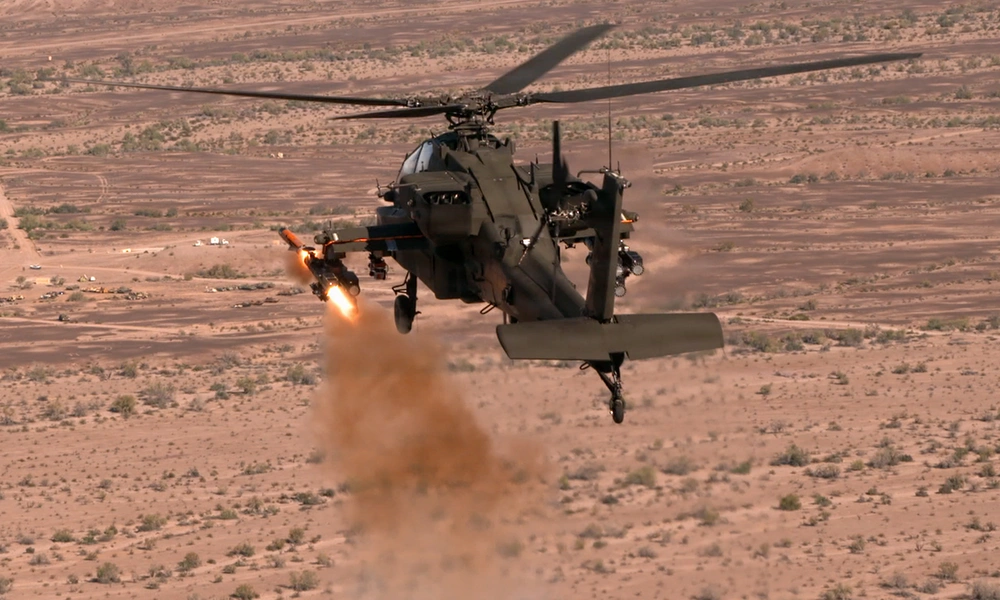
Paradoxically, in 2024, US Army exercises suggested AH-64 Apaches could conduct deep-strike missions against rear supply nodes in coordination with fighter aircraft. Whether this is practical against a peer adversary in wartime remains an open question.
That said, this does tie into the US Army’s effort to replace the UH-60 Black Hawk with the MV-75 Cheyenne II tiltrotor for its assault operations. These tiltrotors are designed to go “twice as far, twice as fast.”
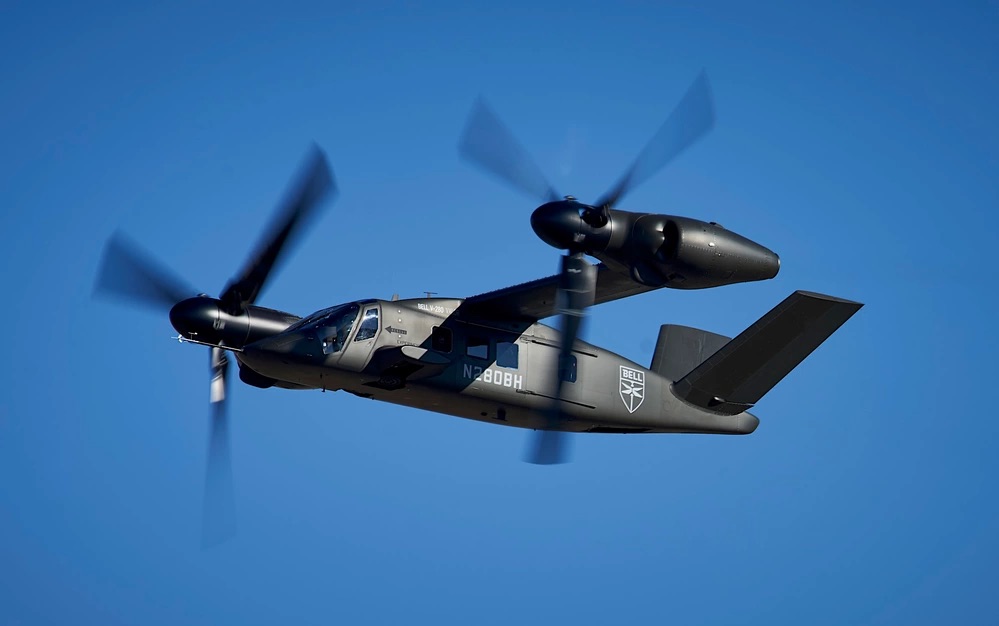
One notable development in the US Army is that the MV-75 tiltrotor programme is now a priority and is on an accelerated schedule. At the same time, it is slashing the number of active Apaches and assigning them to the Army National Guard. Active duty Apaches are being reduced from 408 to 240.
The MV-75 is being designed for greater survivability partly through speed and range, allowing it to cover greater distances more quickly and operate from farther behind the front line.
Sign up for our newsletter and get our latest content in your inbox.


More from

September 26, 20263 min read


September 25, 20264 min read


September 25, 20264 min read

September 24, 20262 min read


