


NATS given one week to explain outage as airlines demand CEO’s removal

5 min read
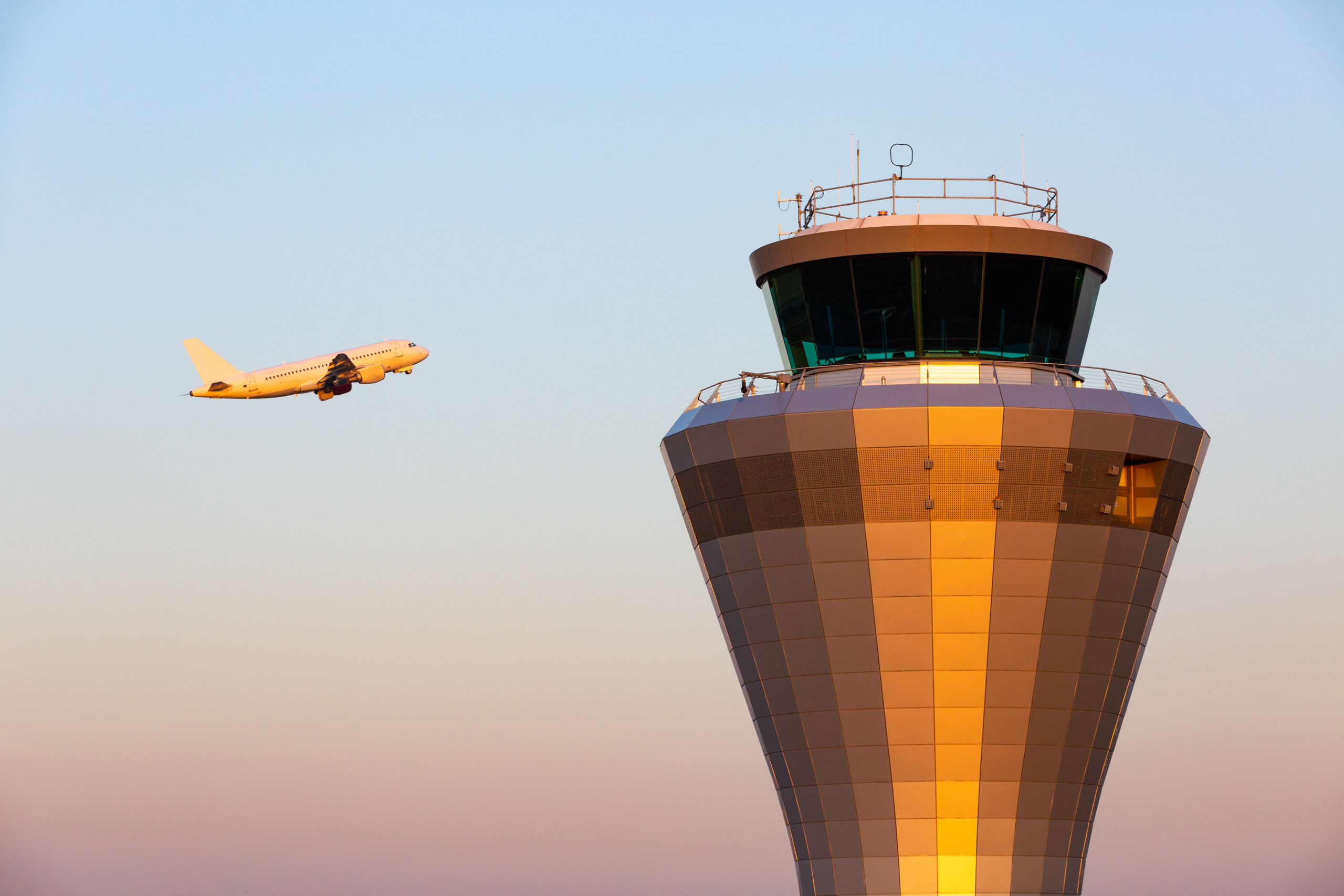
The UK government has given air traffic control provider NATS one week to explain the systems failure that brought flights across Britain to a halt, as airline executives intensify calls for chief executive Martin Rolfe to leave.
Transport Secretary Heidi Alexander summoned Rolfe following the 8 September outage, which caused widespread cancellations and delays and left airlines dealing with disruption well into the following day.
According to Reuters, around 2,000 flights were affected across 8 and 9 September. About 30% of scheduled UK departures were grounded on Tuesday alone.
Alexander told Parliament that the government did not believe the failure resulted from a cyberattack.
“I do not believe this issue was unavoidable,” she said.
The government has asked NATS to complete its investigation within a week. Separately, the UK Civil Aviation Authority has been asked to conduct an independent review examining what happened and whether NATS is sufficiently resilient to prevent another major disruption.
That independent review is expected to report within six months.
Ryanair renews longstanding call for NATS boss to go
The disruption has renewed an increasingly bitter dispute between NATS and some of the UK’s largest airlines over the resilience of Britain’s air traffic control infrastructure.
Ryanair called directly on Alexander to dismiss Rolfe, arguing that repeated failures under his leadership demonstrate that a change at the top is needed.
Ryanair chief executive Michael O’Leary said: “Martin Rolfe’s position as NATS CEO is untenable.”
O’Leary argued that further investigations would achieve little, given previous assurances that resilience would improve after the August 2023 failure.
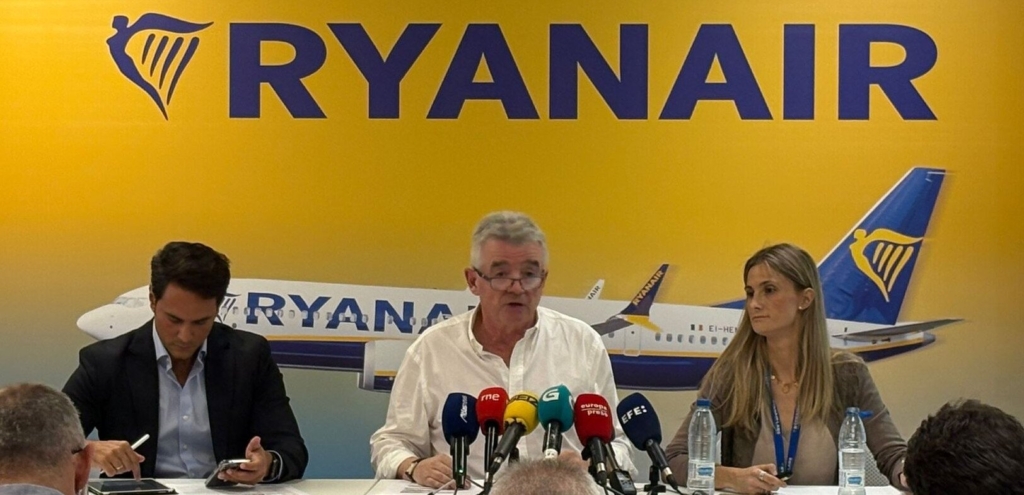
The airline’s chief operating officer, Neal McMahon, made a similar demand immediately after the latest outage.
“Following the 2023 collapse, we were told lessons would be learned. We were told ‘resilience would improve’. We were told the systems had been fixed. Yet here we are again,” McMahon said.
Ryanair said the disruption initially affected more than 65,000 of its passengers. By Wednesday, the airline said it had cancelled 260 flights affecting 48,000 passengers and estimated its losses from the outage at £3 million.
Ryanair has repeatedly demanded Rolfe’s departure
The latest demand is not the first time Ryanair has called for Rolfe to go. After a NATS failure affected Gatwick in December 2023, Ryanair called for Rolfe to quit or be removed by the government.
It renewed the demand in February 2024 after air traffic control staffing problems temporarily affected operations at East Midlands Airport.
O’Leary again called for Rolfe’s removal after the CAA published its interim investigation into the 2023 outage in March 2024.
The campaign continued into 2025. Ryanair demanded Rolfe step aside following NATS staffing shortages affecting Stansted in February 2025 and again after further delays at the airport in May.
By September 2024, reports described O’Leary’s demand as at least the seventh call for Rolfe’s departure in just over a year.
The airline has been campaigning for a change in NATS leadership for roughly three years, with this week’s outage potentially the last straw.
Wizz Air UK joins pressure on Rolfe
Wizz Air UK has also questioned whether Rolfe can remain in the job.
Managing director Yvonne Moynihan told BBC Radio 4 that repeated technical failures required greater accountability.
“In any industry, when you’ve had three failures, you need to consider three strikes, and you’re out,” Moynihan said. “A third time and a third excuse is not enough any more. What we need to see from leadership is accountability.”
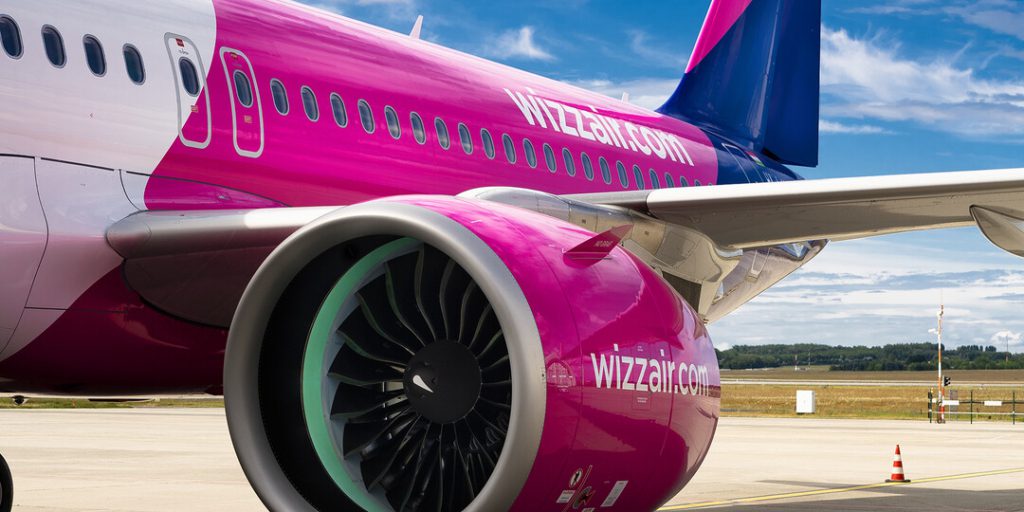
A Wizz Air spokesperson separately described NATS as “simply not fit for purpose in its current form”, saying critical national infrastructure should not repeatedly bring the aviation system to a standstill.
The government, however, has so far backed Rolfe. Downing Street said it still has confidence in the NATS chief executive but requires him to produce the investigation report within a week.
NATS says latest fault was different
NATS disputes suggestions that the September failure was simply a recurrence of the 2023 problem.
The organisation said the latest incident affected its flight data system but was not the same fault that caused the August 2023 shutdown. Rolfe also said a cyberattack had been ruled out and defended the UK air traffic control system’s overall resilience and safety record.

The August 2023 incident occurred after unusual data in a flight plan caused NATS’ automated flight-planning system to enter a fail-safe mode. The disruption ultimately affected more than 700,000 passengers, according to the CAA.
The subsequent independent CAA review produced 34 recommendations covering NATS, airlines, airports, the regulator and government. These included improvements to NATS contingency arrangements and engineering resources and earlier warnings to airlines and airports when major disruption was possible.
The CAA was still publishing progress reports on implementation of those recommendations as recently as March 2026.
Airlines question who pays when NATS fails
The latest disruption is also reopening arguments over who bears the financial consequences when air traffic control systems fail.
The CAA said disruption directly caused by the NATS outage is likely to qualify as an “extraordinary circumstance”, meaning passengers are unlikely to qualify for standard delay or cancellation compensation.
Airlines must nevertheless provide affected passengers with care, including meals and accommodation where necessary, as well as refunds or alternative flights.
Airlines UK chief executive Tim Alderslade said the latest failure had again exposed a gap in Britain’s regulatory system because airlines must absorb the cost of supporting passengers even when the disruption is outside their control.
Financial stakes are high. Airlines lost around £100 million as a result of the 2023 NATS failure. Ryanair is suing NATS for more than £7 million in losses.
The question is now whether the investigation due next week identifies a new technical failure, as NATS maintains, or provides evidence of a wider resilience problem.
Meanwhile, the matter is becoming more personal for Rolfe. Since 2023, Ryanair has demanded his departure. Now, a second airline is openly questioning whether the NATS chief executive should keep his job.


