


Why your flight can arrive 45 minutes early without flying faster

5 min read
Anyone who has used a flight tracking service to check the whereabouts of an aircraft is likely to have noticed that the departure and arrival schedule published by the airline do not always align with the on-the-day take-off and landing times.
The reality is that airlines must build in extra time to the schedule beyond the airborne time: that includes push-back from the gate, taxi, take-off, climb, cruise, approach and landing, and taxi time on the ground at the destination.
What is ‘block time’ and why do airlines schedule it?
Taken together, each of these phases of an airliner’s journey add up to make the block time of the flight, and this is what the airline schedules show.
For example, a flight from London to Paris may only require 35 minutes in the air, but the addition of long taxi routings at London Heathrow and Paris Charles de Gaulle airports means that airline schedulers must plan for a realistic block time that encompasses the entire gate-to-gate journey.
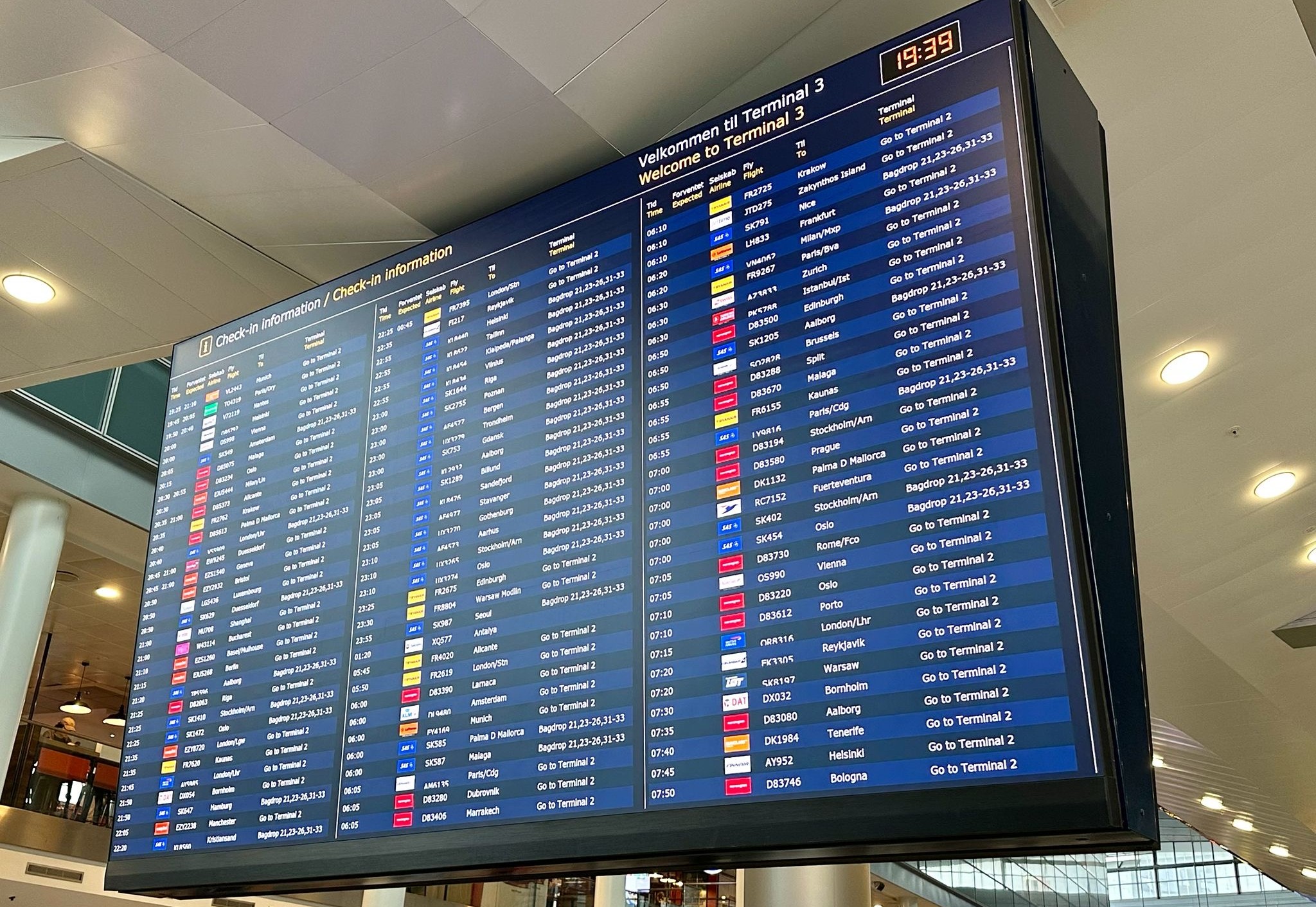
While it can cause confusion, the departure time listed on a boarding pass or flight information screen at an airport is simply the time at which the parking brake should be released and the pushback from the gate or remote stand commenced.
Passengers tend to think about airborne time only. Sometimes, this results in criticism of airline schedulers for padding timetables. The argument goes that the airline is adding additional time to the schedule so that they have a buffer and can claim that the flight arrived on time even if it suffered delays during the journey. However, this is not really the case, and the block time must encompass a number of dynamic variables.
One challenge for airline schedulers is to incorporate accurate taxi times into a flight schedule. This is achieved through coordination with airports and air traffic control, and estimated taxi times are provided at each airport to ensure the block time is achievable.
Of course, other factors come into play that can disrupt a schedule.
Environmental conditions, such as a strong headwind or tailwind, can impact flight times, technical issues can cause delays after pushback, and taxi times can be longer or shorter than predicted if there is congestion on the ground.
Why airlines build extra time into schedules
While schedulers do not engage in undue schedule padding, airlines rightly build resilience into their timetables because an itinerary based on the fastest possible journey would be vulnerable to any small disruption.
Scheduling teams use historical operating data to establish realistic block times, rather than simply taking the theoretical flying time based on speeds and distances. Weather data also helps to inform scheduling decisions.
So if an aircraft pushes back on-time, has a shorter than expected taxi out, is helped by tailwinds which shorten the airborne time, and enjoys an expeditious taxi to the gate after landing, the aircraft may well arrive before its scheduled ‘on-chocks’ arrival time, which should coincide with the parking brake being set on the stand.
How air traffic control shortcuts reduce flight times
A significant time saving can be achieved by securing shortcuts during a flight.
A scheduled flight is expected to fly the route filed and listed on its flight plan. But this is rarely the most direct route, since the routing is likely to have been planned several hours prior to the flight, must take account of restricted airspace, congestion, weather and air traffic control staffing levels, among other factors.
When flying on their flight plan routes, aircraft are routinely offered shortcuts by air traffic control. This can be in the form of an instruction to fly direct to a waypoint further along the route, which might cut off a corner. Aircraft may also be offered a radar heading that can achieve the same result.
However, shortcuts aren’t guaranteed, and controllers have to maintain separation and manage traffic, with routing decisions dependent on the wider traffic picture.
On a long flight or a flight which is planned on a circuitous route, this can save considerable time. But there is no guarantee of a shortcut, and holding can have the opposite effect, so again the scheduled flight time must be based on an average from the historical flight time data.
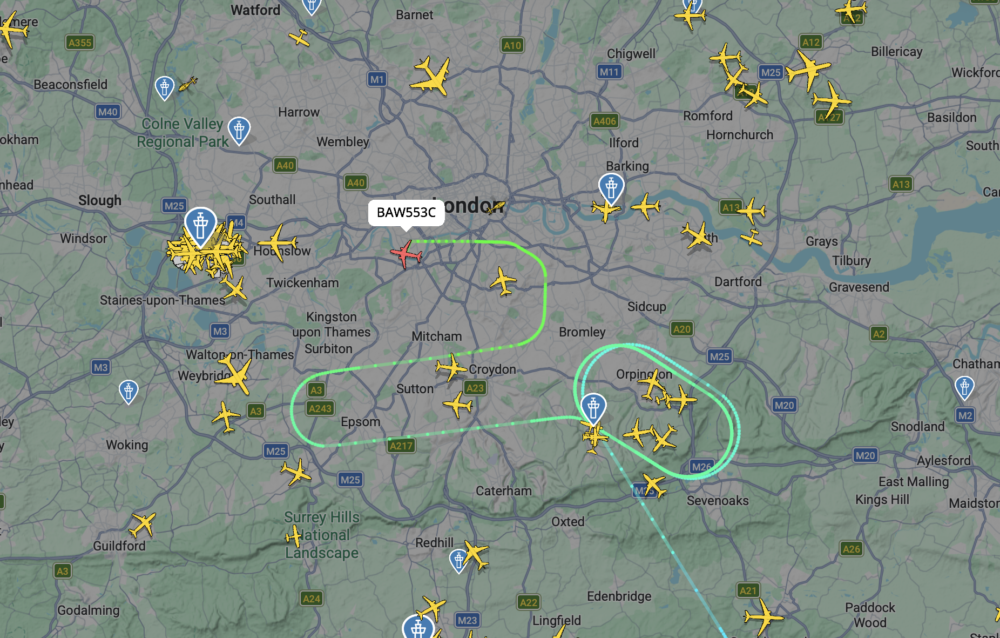
How arrival routes can cut minutes from a flight
The possibility of a truncated arrival routing can have the same result.
While busy airports often have lengthy Standard Terminal Arrival Route (STAR) procedures including so-called ‘trombone’ routings that can twist and turn and double back on themselves, these are only necessary if there is a high number of arriving aircraft at the same time. In this case, such a convoluted arrival is used to achieve adequate spacing between aircraft.
But when there is a lull in the flow of arrivals, air traffic controllers will routinely offer a shortcut that can reduce the distance flown by up to 50 miles or more, resulting in a sizeable time saving.
This adds to the uncertainty around precise airborne times and makes the work of airline schedulers more complex.
Ultimately, published schedules give a good sense of the departure and arrival times of a flight, but in a dynamic environment things can change quickly.
The key is that the times listed by the airline relate to the block time. While this block time contains additional time for taxiing from and to the gate, winds and air traffic control instructions can save time, while unforeseen events or unfavourable weather can add it.
Airlines therefore sensibly build resilience into their schedules so that any delay has a limited impact on the rest of the day’s flying.


