


How Boeing’s 737 MAX 10 delays left United with hundreds of lie-flat seats it ‘doesn’t know what to do with’

6 min read
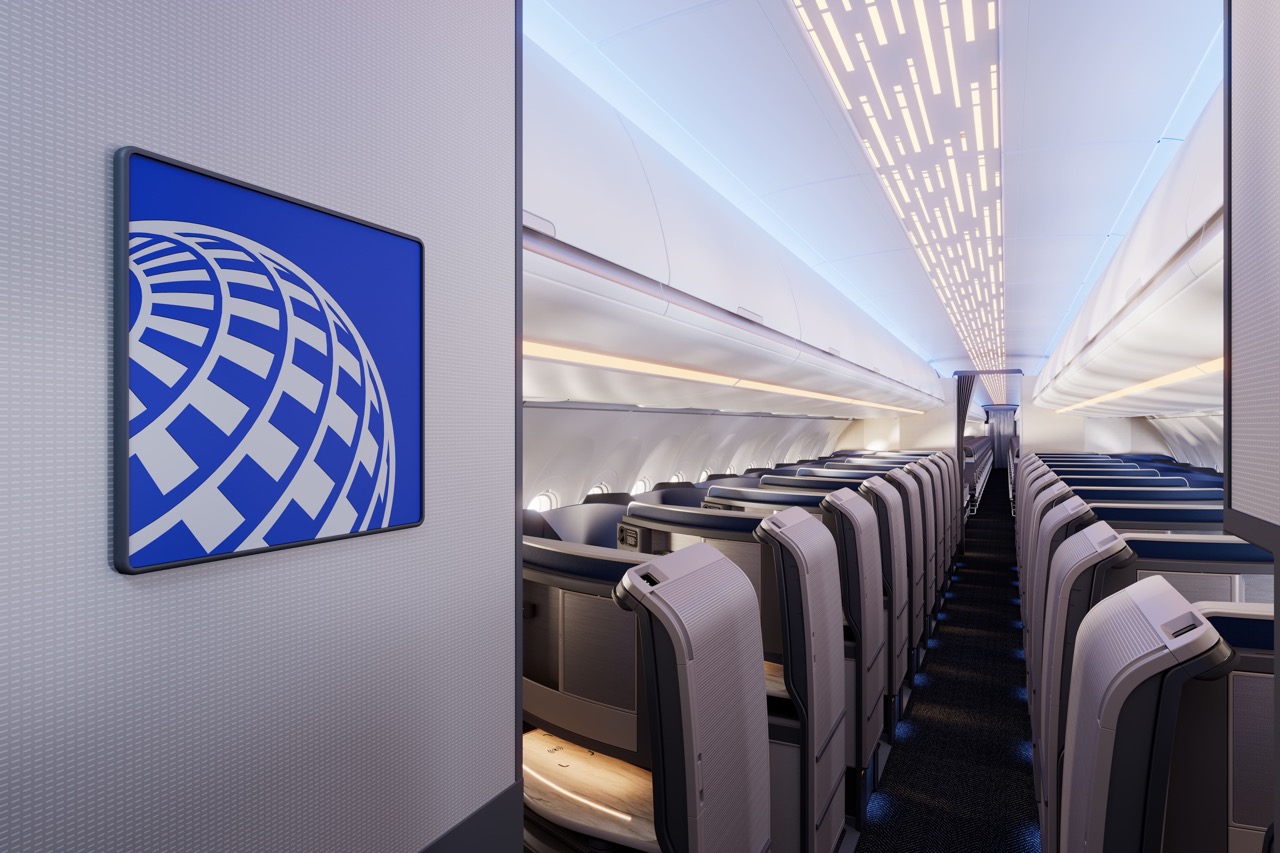
United Airlines‘ ordered hundreds of lie-flat seats for the Boeing 737 MAX 10 years ago.
The problem? The aircraft they were designed for has yet to enter service. And as Boeing’s long-delayed narrowbody finally approaches certification, United faces an unexpected dilemma: what should it do with seats intended for a strategy that no longer exists?
As United CEO Scott Kirby told CNBC, “We got a bunch of lie-flat seats that we don’t know what to do with. They don’t fit on other aeroplanes.”
United planned a very different MAX 10 cabin
When United placed its huge Boeing and Airbus order in 2021, the MAX 10 was expected to become a high-capacity workhorse for its domestic network.
At the time, United said the aircraft would have 20 United First seats and 64 Economy Plus seats. The airline was already moving towards a more premium-heavy narrowbody fleet, but the product strategy was simpler. The airline’s cabin plans later changed to include lie-flat seating on some MAX 10 aircraft.
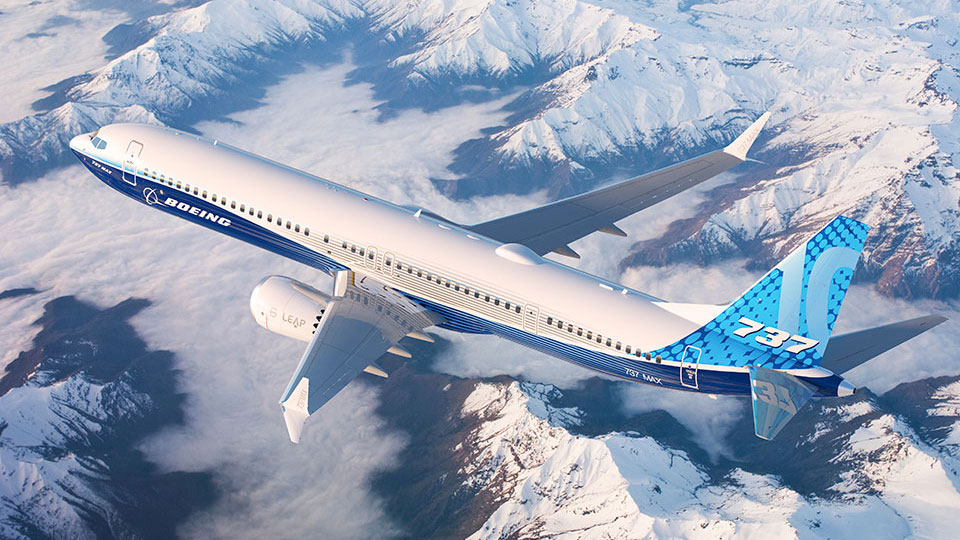
Boeing originally expected the MAX 10 to enter service in 2020. The aircraft’s certification was pushed back due to technical challenges. Scrutiny of Boeing’s certification programmes intensified further following the Alaska Airlines midair door-plug blowout in 2024.
The MAX 10 completed its final planned certification flight on 28 July 2026 after 976 flights and more than 2,060 flight hours. Boeing said testing included the new engine anti-ice solution and an enhanced angle-of-attack system.
United now expects its first 737 MAX 10 in mid-to-late 2027. The airline has 167 of the aircraft on firm order, making the type an important part of its long-term fleet strategy.
It would be unusual for United to be holding completed premium seats
From Kirby’s statement to CNBC, it is unclear whether the airline has already taken delivery of the lie-flat seats, or whether an order is still pending with the manufacturer and will require re-engineering before it can be built.
It would be unusual to manufacture a specific seat for delivery as buyer-furnished equipment (BFE) inventory so far ahead of aircraft certification. Depending on specific design and technology features, business class lie-flat seats can cost tens of thousands of dollars. Airlines generally avoid building up a large stock of unusable seats that they have to pay for.
BFE is most often delivered directly to the aircraft manufacturer for installation on the line, though some airlines take delivery of aircraft without cabins and perform their own installation.
If the seats have been built and stored all this time – either at the seat manufacturer pending final delivery, at Boeing or at United’s own warehouses – they may now require routine maintenance, recertification or updates to any electronic systems.
Kirby might have been referring to the seats on paper. That is, seats that were completed through the certification stage of a final prototype and ordered for delivery to Boeing, timed to coincide with the aircraft deliveries.
These may not yet be manufactured or delivered. In that case, the question for United is what to do with the completed and certified seat before manufacturing begins.
Over several years of waiting for the MAX 10, United’s premium product has evolved, and the previously certified seat will not have kept up.
The Airbus A321neo has taken over the premium job
While the MAX 10 remained in development, United expanded its Airbus A321neo order and created a new premium-focused version of the aircraft.
Its new A321neo “Coastliner” has 20 all-aisle-access Polaris lie-flat seats, 12 Premium Plus seats and 129 economy seats.
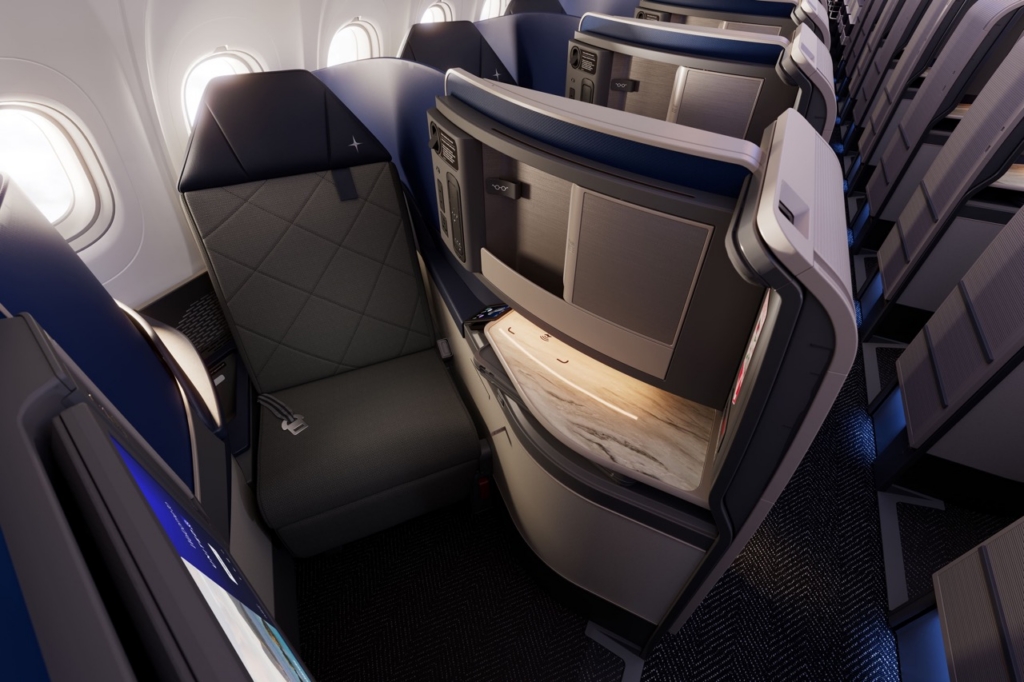
The aircraft is intended primarily for premium transcontinental services between United’s West Coast hubs at Los Angeles and San Francisco and Newark/New York.
United is also introducing its Airbus A321XLR with a similar premium philosophy for thinner long-haul international routes.
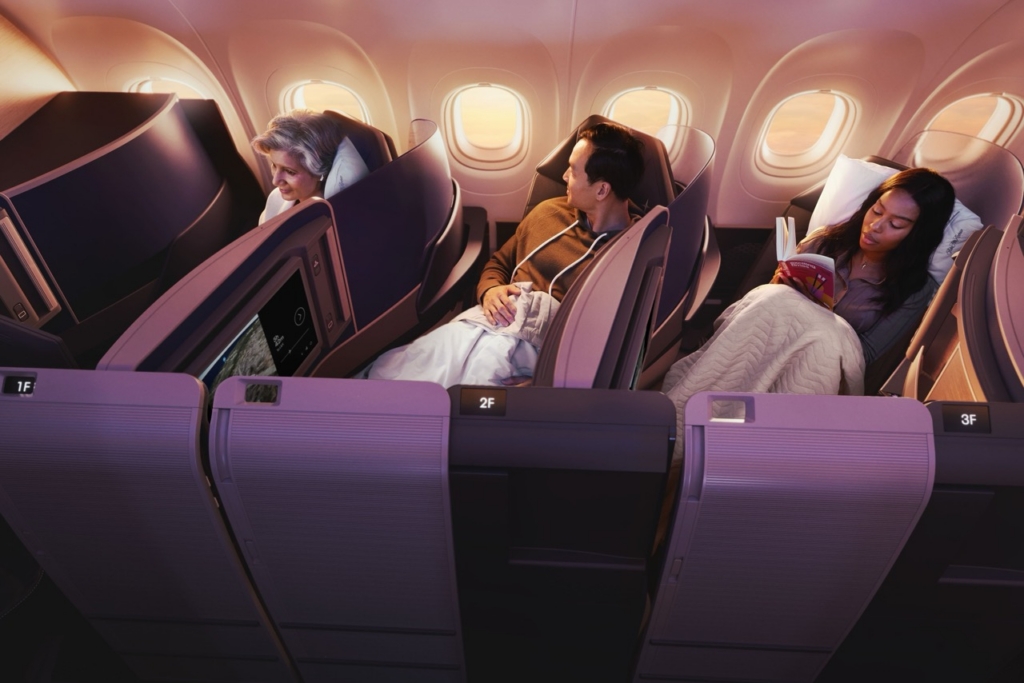
That means United now has both the aircraft and the premium cabin products it expected the MAX 10 to provide.
However, any premium seat the airline developed for the MAX 10 cannot be fitted on Airbus aircraft.
Aircraft seats and their installation are specific to the cabin for which they were designed and certified. The A321 and 737 have different fuselage dimensions and installation requirements. The premium seats that United developed for its Airbus fleet are not a swappable match for any built-but-uninstalled MAX 10 seats, and vice versa.
Built or unbuilt, United’s MAX 10 premium seats must catch up to today’s standards
Over the years, cabin products have changed significantly, as has the premium competition.
Even if Kirby was not referring to seats actually stored in the airline’s warehouses, United still has an issue. It must decide whether to proceed with its earlier MAX 10 premium configuration or redesign the cabin to harmonise with its current premium product installed on the Airbus narrowbodies.
The airline must find a solution for equipment it has already purchased, even if that purchase has yet to be delivered.
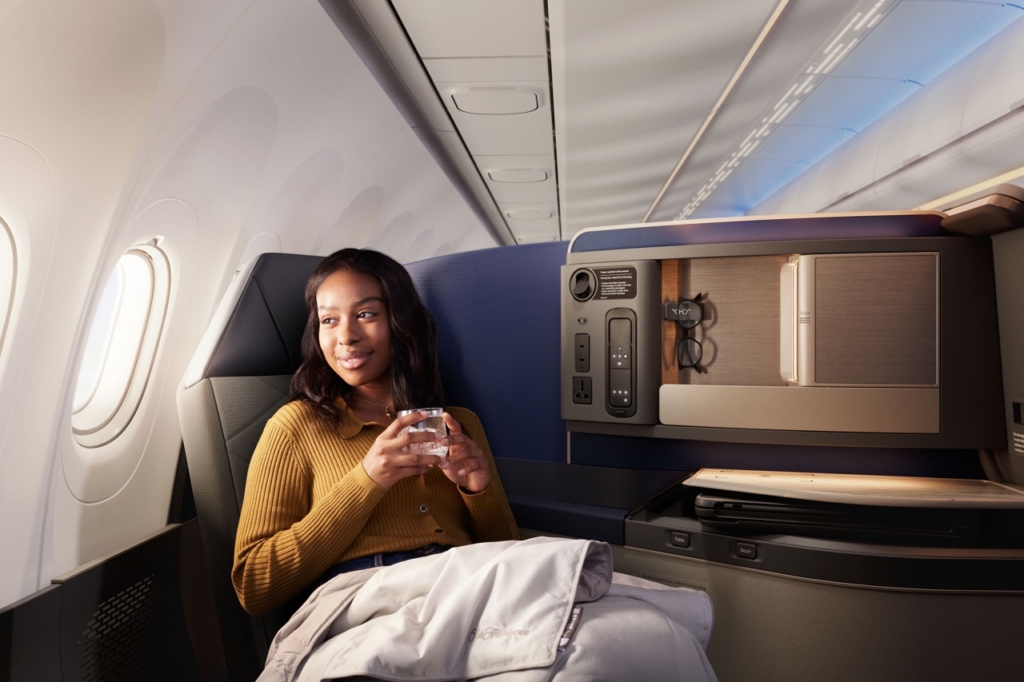
The seat manufacturer may need to redesign seats to meet new specifications for an order it has already secured. This might require extensive re-engineering and certification, adding programme costs and delaying completion.
If the airline has taken delivery of the seats and kept them in storage, it must still confirm that they are in serviceable condition, which may require recertification of certain seat components and potentially the replacement of some parts.
United still needs the 737 MAX 10
The seat dilemma does not mean United has lost interest in the aircraft itself. During United’s second-quarter earnings call in July, Kirby said the airline had “renewed optimism” about receiving its first MAX 10 in 2027.
“We’ve been waiting a really long time for the Max 10, and hopefully that wait is coming to an end,” he said.
United expects its first aircraft to arrive around July 2027, according to Kirby. Once MAX 10 deliveries begin, the airline plans to wind down deliveries of the smaller MAX 9.
Kirby said the MAX 10 would be “superior in every way” for United because its additional capacity comes at a relatively low incremental operating cost.
United is deliberately increasing the average size of aircraft flying its North American network.
The airline said its average gauge has already risen from 104 to 126 seats since the United Next strategy was announced, but it is still around ten seats short of its 136-seat target. The MAX 10 will help close that gap while adding premium capacity.
The 737-10 is the largest MAX variant. Boeing advertises capacity of up to 230 passengers and a range of 3,100 nautical miles. United’s more premium-heavy configuration will carry fewer passengers.
Boeing’s delay gave United time to rethink the cabin
For United, the MAX 10’s long delay may have made the aircraft more operationally useful even if its original cabin plan is less relevant.
United’s premium strategy has accelerated dramatically since the MAX 10 order was announced.
Since 2021, the airline says it has increased the number of premium seats per North American departure by 40%. Its latest fleet plan includes the Coastliner, A321XLR and new premium-heavy Boeing 787-9 interiors, while its narrowbody retrofit programme is adding larger overhead bins, seatback entertainment and upgraded connectivity across the fleet.
The airline must now decide where the MAX 10 fits into a network that looks very different from the one for which it originally ordered the aircraft. The open question is what passengers will find inside the cabin when the aircraft are finally delivered.
Somewhere in United’s supply chain—either on paper or in storage—is a batch of very expensive lie-flat seats awaiting the airline’s decision.


