


Why can’t aircraft fly through volcanic ash?

6 min read

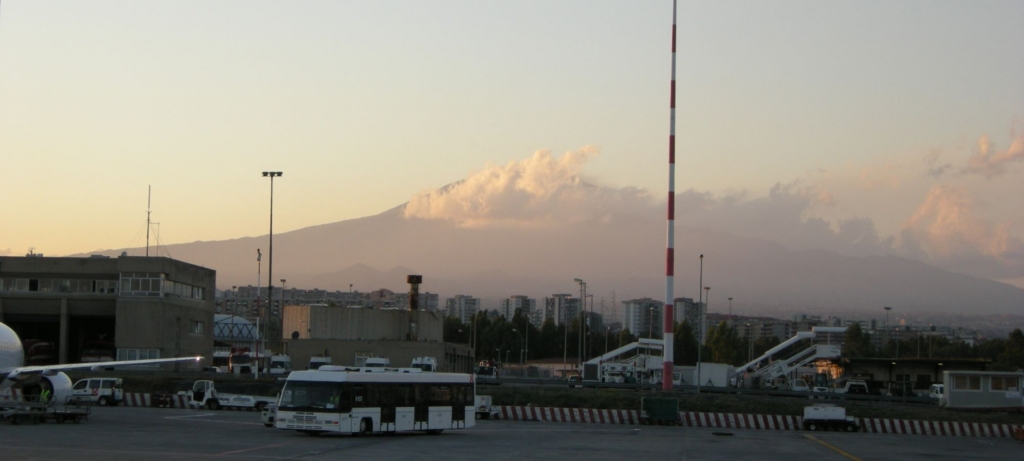
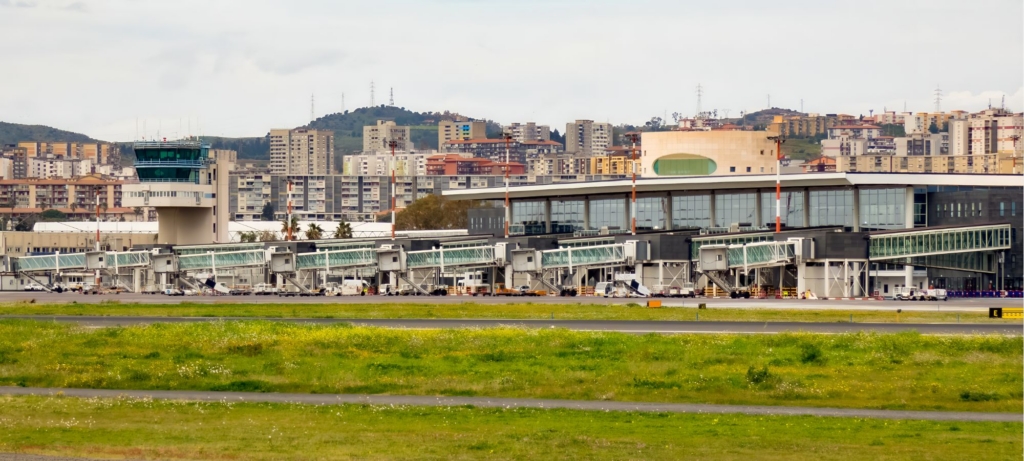
Hundreds of flights diverted and nearly 2,000 cancelled. That’s the impact Mount Etna’s latest eruption has had on Sicily’s Catania Airport in just a few days.
But why does volcanic ash force airlines to halt flights? Here’s everything you need to know.
Why are flights cancelled at Catania aiport?
Operations at Catania Fontanarossa Airport in Sicily have been severely disrupted this week due to ongoing eruptions from nearby Mount Etna. In its latest statement, airport operator SAC said “arrivals and departures would remain suspended until 2 am on 15 August because of continued eruptive activity affecting airspace sectors C1 and B3.” In the meantime, passengers are advised to check their flight status with their airline before heading to the airport.
The recent spate of disruptions began on 7 August, when the airport said “volcanic activity and wind conditions” had forced it to suspend arriving flights while departures continued as normal. Additional rail services were laid on to accommodate stranded passengers. Since then, a build-up of volcanic ash has led to repeated airspace closures and, as with the current enforcement, a full suspension of all operations.
Between 6 and 12 August, over 600 flights were diverted to alternative airports, while nearly 2,000 flights scheduled at Catania have been cancelled.
What is volcanic ash?
Volcanic ash is a mixture of pulverised rock, mineral and glass particles thrown out by a volcano when it erupts. At less than 2mm in diameter, the particles are typically tiny. They are pitted with holes, giving them low density and allowing them to travel long distances when carried by the wind.
Can planes fly through volcanic ash clouds?
Volcanic ash particles are hard and often feature jagged edges, making them particularly dangerous. Before falling to the ground and creating a thick layer of dust that can cause eye, nose, and lung irritation, an ash column is moved about by the wind, sometimes for hundreds of miles and to altitudes within cruising range for commercial airliners.
When hot, abrasive ash enters jet engines, it can cause problems, melting the inside before re-solidifying and coating critical parts of the engine’s core. It also reduces visibility and, in severe cases, can cause engines to shut down mid-flight.
According to the International Civil Aviation Organization (ICAO), in the 1980s and 1990s, there were several serious incidents of aircraft being hit by volcanic ash cloud. In 1982, British Airways Flight 9 lost power at 37,000 feet after hitting an ash cloud while en route to Auckland from London. The captain and his crew managed to restart the engines after losing altitude and land the aircraft safely in Jakarta.
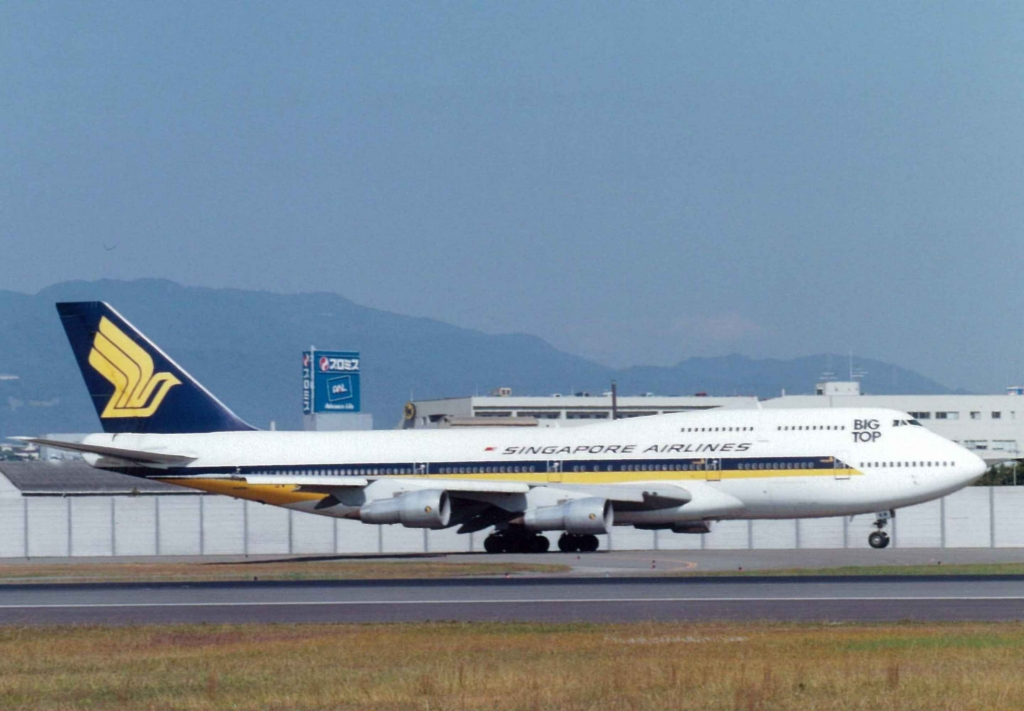
Weeks later, a Singapore Airways Boeing 747 also suffered a failure in two engines and was safely diverted back to Jakarta.
The most disruptive event in modern aviation history came in April 2010, when Iceland’s Eyjafjallajökull volcano erupted, sending a fine ash cloud across northern Europe. Regulators closed huge swathes of airspace grounding roughly 100,000 flights and stranding around 10 million passengers. The incident was estimated to cost the industry around US$1.7 billion.
More recently in 2025, volcanic ash from Ethiopia’s Hayli Gubbi eruption drifted into India and the Gulf. Airlines including Air India, Akasa Air and IndiGo cancelled or diverted flights and India’s aviation regulator told carriers to avoid the contaminated airspace. While there were no serious incidents, the eruption was significant because Hayli Gubbi had not erupted in around 12,000 years.
#TravelUpdate We are closely monitoring the volcanic activity in Ethiopia and its potential impact on flight operations in nearby regions. Our teams will continue to assess the situation in compliance with international aviation advisories and safety protocols and take necessary…
— Akasa Air (@AkasaAir) November 24, 2025
How volcanic ash damages jet engines
Aircraft engines are especially vulnerable to ash because of how they operate – drawing in vast volumes of air at high speed and temperature. According to entomolgist.net volcanic ash presents a serious flight safety concern. Ash ingested into an engine can compromise functionality, reduce visibility by scratching cockpit windows and wear down equipment such as propellers and turbo compressor blades. It can also contaminate fuel and water systems, and even cause an engine flameout.
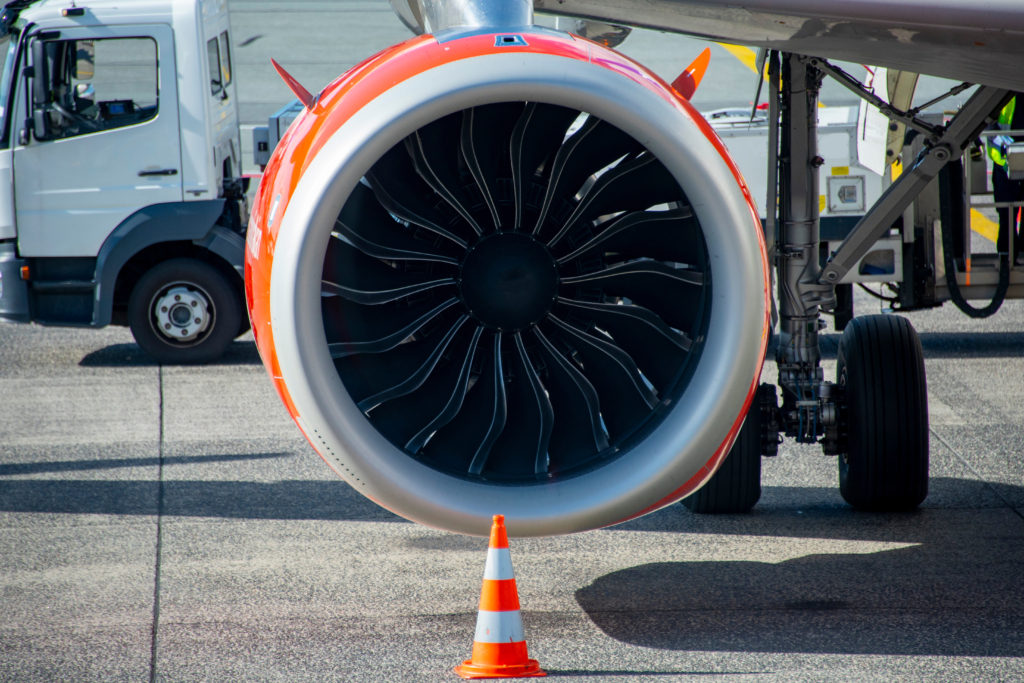
The rock and glass particles found in volcanic ash can block ventilation holes that engines need for airflow. They can also block sensors that measure airspeed and altitude, leading to unreliable flight data. Aircraft that have inadvertently flown into ash clouds have struggled to maintain power and, in some cases, created genuine emergencies.
Can volcanic ash cause engine failure?
Real-world incidents show engine failure is a genuine risk of flying into ash. However, a report by the Volcanic Ashfall Impacts Working Group documents that while a number of aircraft have suffered engine failures after encountering ash clouds, in almost every case at least one engine was able to restart or did not fail at all – which is why there has never been a commercial airline crash directly attributed to ash ingestion.
Nonetheless, the damage caused can still be extremely costly, with aircraft taken out of service for repairs and flight re-routings or cancellations required.
Why can’t pilots always see volcanic ash clouds?
Volcanic ash often looks like ordinary clouds on weather radar, making it difficult for pilots to detect before entering it. Once an ash cloud is detected, flights are rerouted to avoid ash zones for safety, which often results in delays or longer flight paths.

How airlines track and avoid volcanic ash clouds
Given that volcanic eruptions are among the most unpredictable natural hazards affecting aviation, ICAO established the International Airways Volcano Watch ((IAVW) in 1987. The globally coordinated system is designed to monitor volcanic activity, forecast ash cloud movement and provide timely warnings to the aviation industry.
Prior to IAVW, there was no standardised global mechanism for detecting, tracking and warning aircraft about volcanic ash. ICAO has since established a broader regulatory framework requiring aircraft to receive timely, accurate information on hazardous weather, including volcanic ash. It has also emphasised the importance of early warning mechanisms and situational awareness in avoiding disasters.
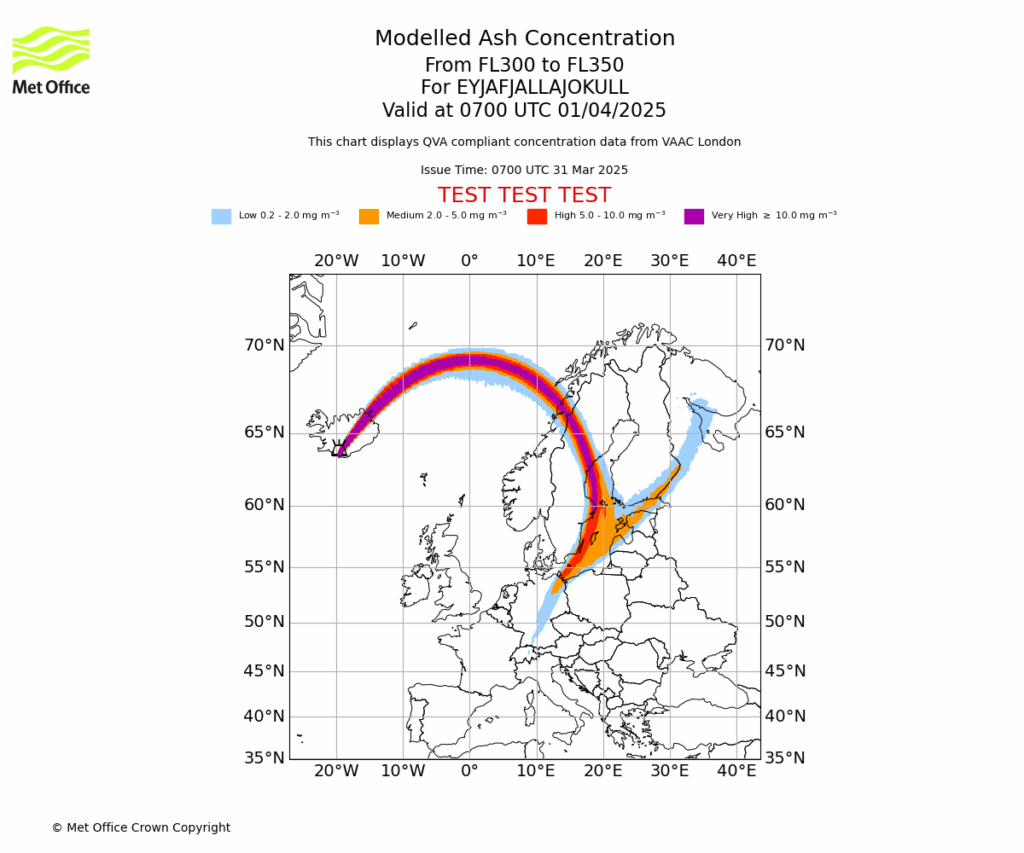
In line with ICAO’s IAWV system, the UK’s Met Office is one of nine global Volcanic Ash Advisory Centres (VAAC). In 2025, it became among the first to adopt new international standards requiring higher-resolution Quantitative Volcanic Ash (QVA) forecasts. Produced jointly with VAAC Toulouse, the service delivers detailed ash-concentration data across 12 atmospheric layers up to around 60,000 feet, along with guidance showing the likelihood of ash exceeding specific thresholds.
The ongoing disruption at Catania is a reminder of why early warning systems and contingency planning matter during a volcanic eruption. For now, the airport and the airlines serving it must prioritize accommodating the thousands of stranded passengers and getting flights moving again as soon as it is safe to do so.
Sign up for our newsletter and get our latest content in your inbox.


More from


September 25, 20264 min read

September 24, 20262 min read


