


NATO fighter jets shoot down drone over Latvia

4 min read
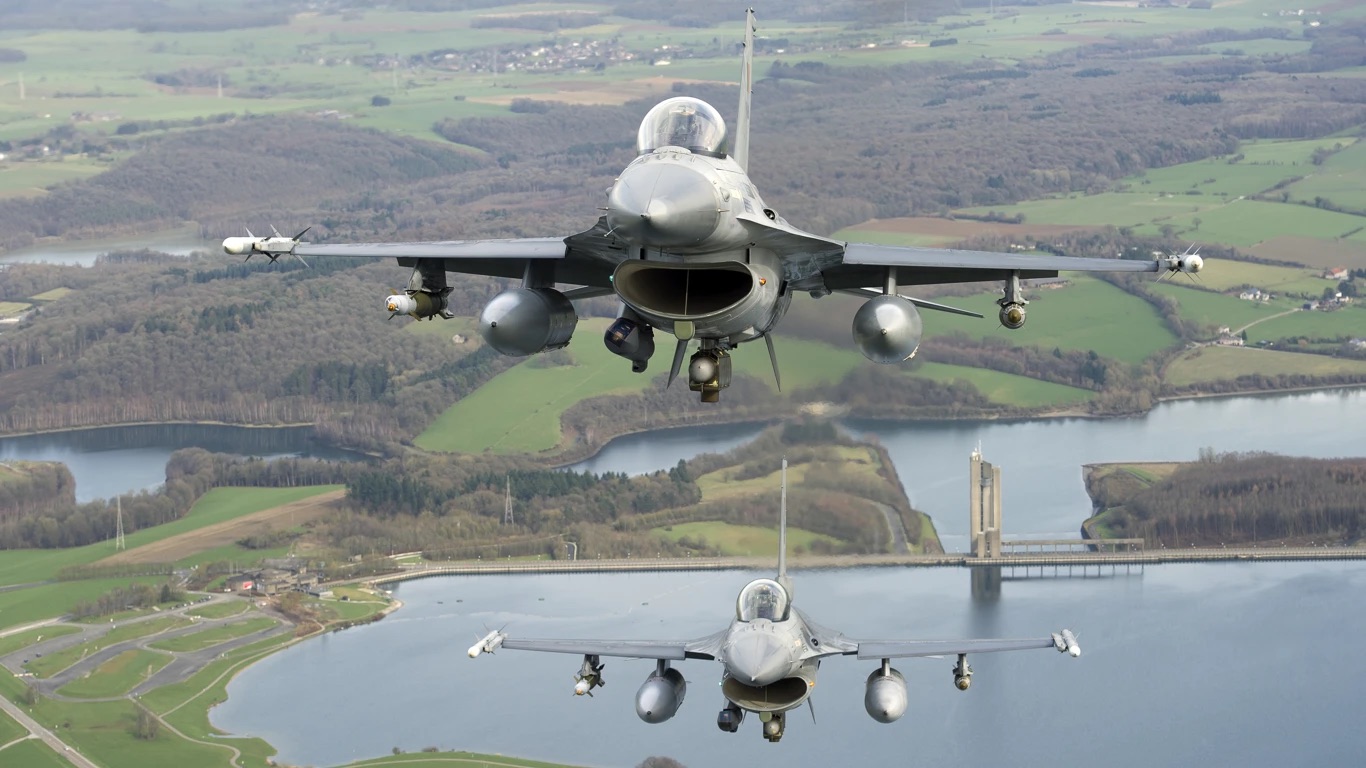
NATO combat jets have shot down a drone that entered Latvian airspace near the country’s border with Russia in the early hours of 14 August. The drone, was reportedly diverted towards Latvia mid-air by Russian military interference, according to local sources.
As a result of the incursion, Finland temporarily restricted aviation and maritime traffic movements in the region surrounding the eastern Gulf of Finland, amid growing security concerns for ships and aircraft operating in the area.
The latest drone incursion over the Baltic States
The incursion in the Balvi municipality of Latvia came amid another major Ukrainian strike on the Russian oil refinery at Ust-Luga, which triggered multiple fires at the complex located on the Gulf of Finland.
According to Latvia’s Defence Ministry, the kamikaze drone had been redirected into Latvian airspace by Russian “electromagnetic warfare” techniques, although no further details were provided.
“NATO Baltic Air Policing mission fighters were scrambled in response to the threat in Latvian airspace,” the Ministry said.
Latvia’s National Armed Forces later confirmed that allied fighters operating as part of a NATO air defence mission intercepted and destroyed the drone after an air threat alert was issued for areas close to the Russian border.
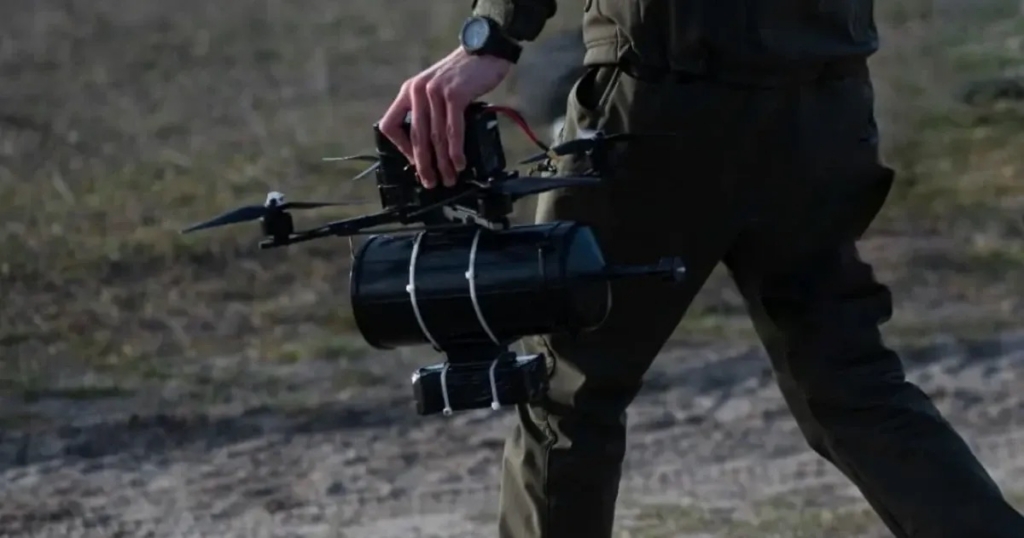
Airspace threats were also declared in five municipalities near the Baltic States’ borders, while restrictions were imposed on aviation and maritime traffic in Finland. The alerts were later lifted.
Russia comes under heavy overnight drone attack from Ukraine
The aviation and maritime restrictions came as Russia reported another large-scale Ukrainian drone attack. Russian authorities confirmed that the Ust-Luga plant had caught fire and suffered damage, while the country’s air defences claimed to have shot down 553 Ukrainian drones overnight.
Alexander Drozdenko, governor of Russia’s Leningrad region, said Russian forces had shot down 15 Ukrainian drones overnight. The region borders Finland and Estonia and includes St Petersburg, Russia’s second-largest city and a major port.
The port is Russia’s largest Baltic facility and is regarded as a vital oil-export and sanctions-evasion hub, with revenues generated by the facility helping sustain Russia’s war effort against Ukraine.
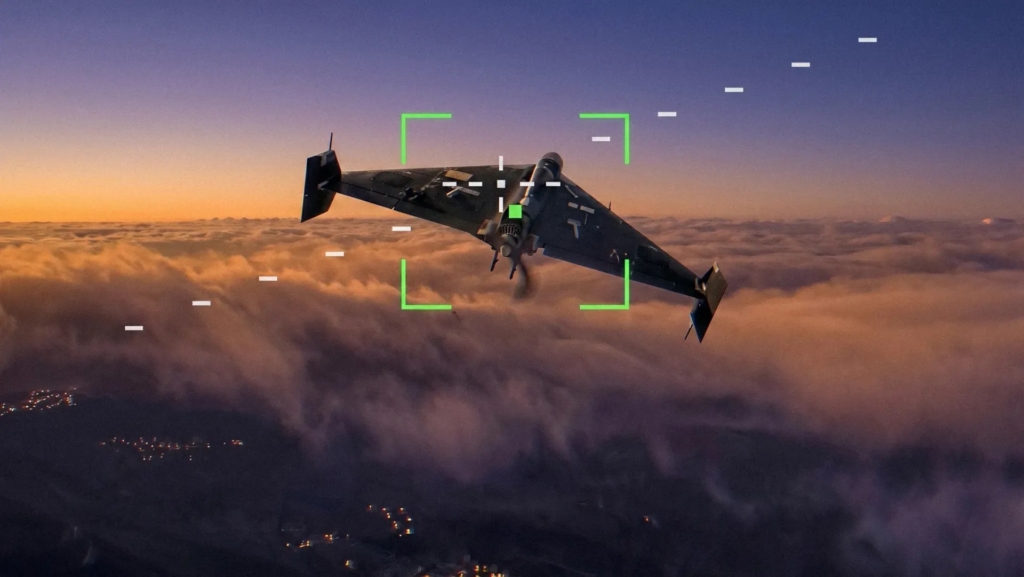
Drone incursions are becoming increasingly frequent across NATO states
The latest drone-related incident follows a series of incursions into NATO airspace around the Baltic Sea in recent months, as Russia and Ukraine continue carrying out overnight drone attacks against each other.
Most recently, on 13 August, an explosion tore through an Italian ammunition plant supplying the Ukrainian armed forces.
While local authorities and police are still investigating the official cause, the incident attracted international attention because of the plant’s role in producing NATO-standard 155 mm artillery ammunition for Ukraine, fuelling concerns over possible Russian hybrid warfare or sabotage on the European mainland.
On the same day, one person was killed and six others injured in an explosion at an oil terminal in the Port of Rotterdam, at a facility linked to Gunvor Energy, founded by Gennady Timchenko, a businessman with close ties to Russian President Vladimir Putin.
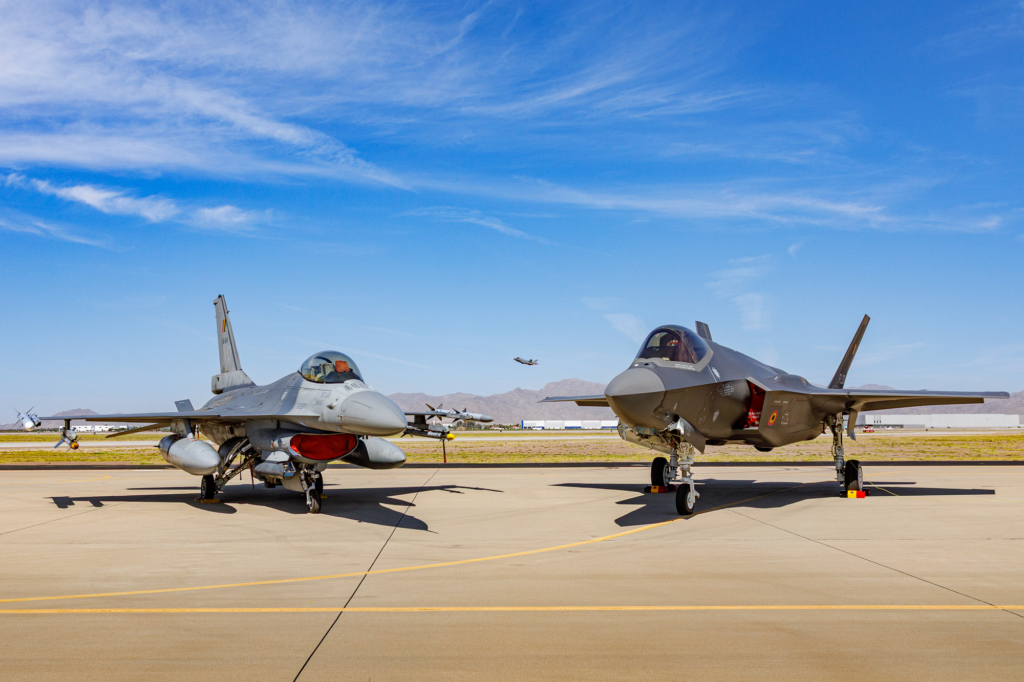
Elsewhere, on 8 June, a French Air and Space Force Dassault Rafale operating as part of NATO’s Baltic Air Policing mission shot down a drone that had entered Latvia from Russia. Latvian authorities did not identify who had launched the drone at the time but, as with the latest incident, said it had crossed into Latvian airspace as a result of Russian electronic warfare.
Earlier, on 19 May, a Romanian Air Force F-16 also shot down a drone over southern Estonia after it entered the country’s airspace.
NATO countries taking measures of their own to counter the drone threat
Finland has repeatedly imposed temporary restrictions on air and maritime traffic in the eastern Gulf of Finland because of drone activity near its border with Russia.
During another recent incident on 3 August, the Finnish Defence Forces temporarily restricted aviation and maritime traffic as a precautionary measure to protect civilians in case a drone needed to be intercepted. Ultimately, however, no drone entered Finnish airspace on that occasion.

Meanwhile, facing an increasing drone threat from Russia and backed by a significantly increased military budget, Latvia is considering purchasing Embraer A-29 Super Tucanos as dedicated drone hunters.
National Armed Forces (NBS) Air Force Commander Colonel Viesturs Masulis said acquiring such aircraft was a realistic option, although any aviation-based solution would require significant financial resources.
It remains unclear how many Super Tucanos Latvia is considering or when they could be delivered. Poland is also reportedly considering the aircraft for an anti-drone role.
NATO itself has been strengthening its air defence capabilities along its eastern flank in response to repeated airspace violations and other security incidents since Russia launched its full-scale invasion of Ukraine in February 2022.
Sign up for our newsletter and get our latest content in your inbox.


More from


October 17, 20265 min read


October 17, 20264 min read





