US has lost at least 45 MQ-9 Reapers in war with Iran, at a potential cost of more than $1.3bn

3 min read

The US military has lost “at least 45 MQ-9 Reaper drones during the war with Iran,” according to reports in the Washington Post. This equates to around 25% of the fleet.
How many MQ-9 Reapers has the US lost in the Iran war?
The Washington Post, who quoted three unnamed US officials, calculated that these losses have the potential to cost the taxpayer more than $1.3 billion. Some of the losses were due to crashes after the operators’ communications link failed.
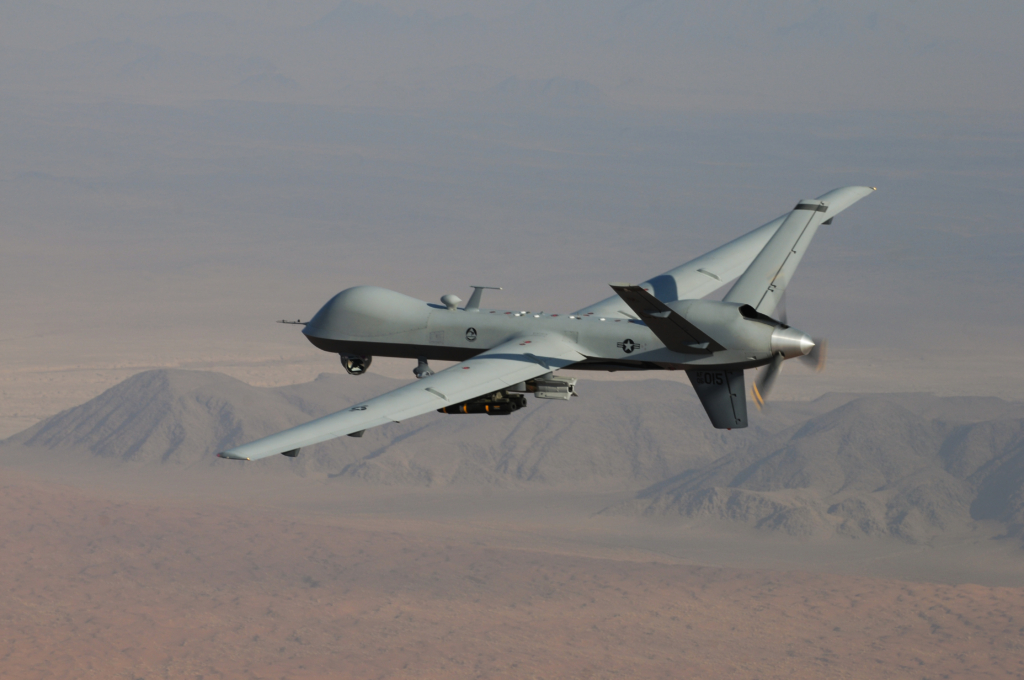
The vulnerability of the Reaper is nothing new. The Houthis have claimed the destruction of numerous MQ-9s over Yemen in recent years.
The Reapers can cost between $30 million and $50 million each depending on how they are configured, or around a third to half of the flyaway cost of a new F-16.
At the outbreak of the war, there were around 185 Reapers in the US fleet (around 165 in the Air Force and 20 in the Marine Corps). This does not include those operated by US intelligence agencies. Marine Corps spokesman Lt. Col. Joshua Benson said none of the Marines’ Reapers have been lost.
American MQ-9 Drones & Israeli Hermes 900 shot down by the IRGC during the war, using a new air defense system. – Iranian media pic.twitter.com/HbClfAKbjj
— MenchOsint (@MenchOsint) August 7, 2026
It should be added that Israel lost many of its Elbit Systems’ Hermes 900 drone analogues to the MQ-9, while Italy also lost an MQ-9 on the ground in Kuwait.
Why the MQ-9 Reaper became the US Military’s most valuable player
Despite the losses, in May, Chief of Staff Gen. Kenneth S. Wilsbach said: “For Epic Fury, perhaps the most valuable player was unmanned: the MQ-9.” He made the comment before the House Armed Services Committee in response to a question about the Air Force’s plans for future unmanned and autonomous systems.
The Air and Space Forces Magezine quoted Wilsbach as adding, “No other platform is even close to the MQ-9” in terms of the number of strikes against Iran. At the time, almost 30 Reapers had been lost.
At least 45 x MQ-9 lost to Iran
— MenchOsint (@MenchOsint) August 13, 2026
At least 25 x MQ-9 lost to Yemen https://t.co/8nno1L8Rri pic.twitter.com/uD15dCi55W
Without knowing the full picture, it is not possible to make a reasonable judgement. Wilsbach’s comments seem to suggest that the Reapers were lost in high numbers, precisely because they were extensively used and perhaps used for tasks considered not worth risking a manned platform.
This can create a distorted view and a sort of survivor bias.
MQ-9 Reaper replacement: SkyGuardian, CAA and Future US drone programmes
General Atomics ceased production of its dedicated US production line for the MQ-9A Reaper in 2025, although it continues to manufacture and export advanced variants like the MQ-9B SkyGuardian. It has been in discussions about restarting production.
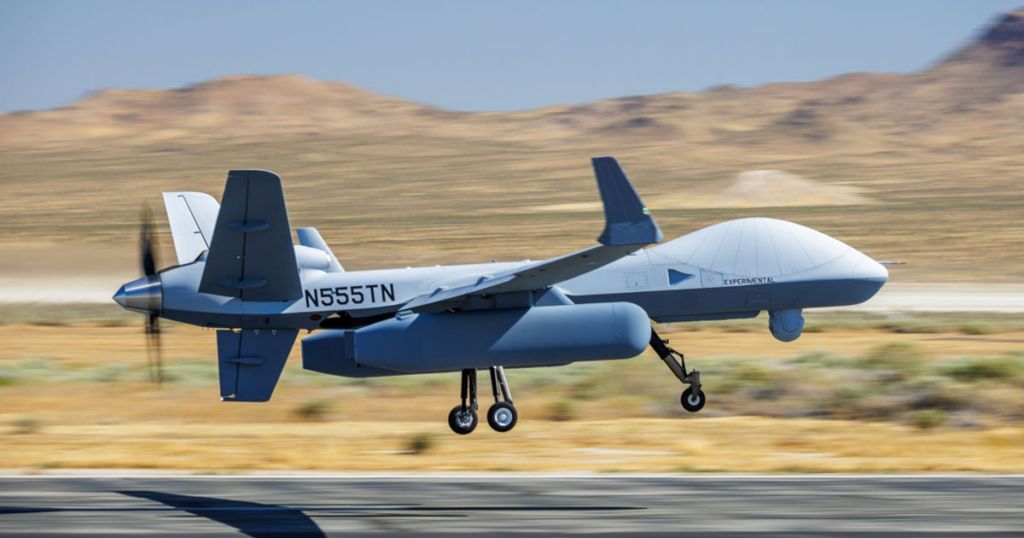
In the longer term, the US Air Force is developing a next-generation replacement for the MQ-9 Reaper as part of the Massed Modular Aircraft (MMA) programme.
MMA requirements include the aircraft having at least 2,800 lb of payload, a payload-carrying combat radius of at least 2,300 nm, and a ferry range of 8,000 nm. There is also an emphasis on modular payloads and software.
The Air Force wants the new aircraft to enter service by 2031, while Swarm Aero, General Atomics, and likely others, such as Anduril, are known to be developing solutions for the programme.
Near-term bridge options could include procuring some of the larger MQ-9B SkyGuardian/SeaGuardian drones. It’s unclear if early Collaborative Combat Aircraft like the Anduril FQ-44 and General Atomics FQ-42 could fill some of the role. These are nearing operational service.
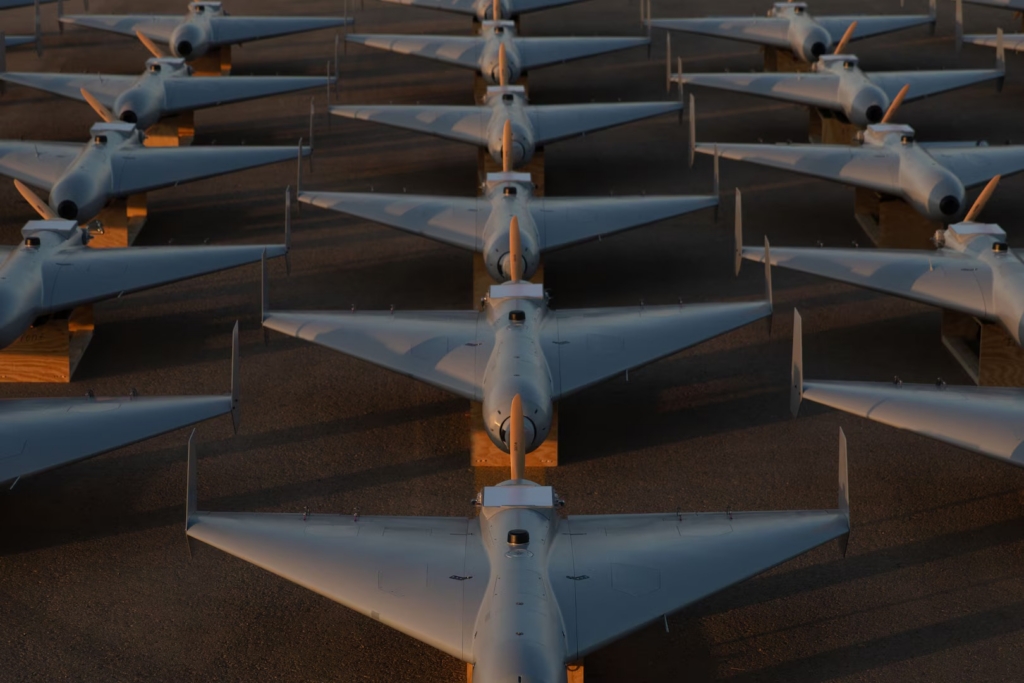
The MQ-9’s core role is that of a persistent ISR platform, but it is also heavily used in its secondary strike role. Here, the new LUCAS (Low-cost Uncrewed Combat Attack System), which is a reverse-engineered Shahed one-way attack drone, could partially fill the strike role.
CENTCOM praised LUCAS in Operation Epic Fury, calling it “indispensable.”
Sign up for our newsletter and get our latest content in your inbox.


More from


October 17, 20265 min read


October 17, 20264 min read