Inside the US Space Force plan to track military aircraft from orbit

The US Space Force is moving closer to a future where military aircraft can be tracked from orbit.
Over the past three months, it has quietly stitched together the key elements of that capability, awarding contracts for satellites, sensing technologies and launch services that will form the backbone of a new space-based network designed to track airborne targets across the globe, including in contested airspace.
The latest step came on 4 August when the service awarded $615 million in contracts to Rocket Lab, Systems & Technology Research (STR) and a third company whose identity has not been disclosed for “operational security” reasons. The awards will mature Space-Based Air Moving Target Indicator (SB-AMTI) technologies as the Space Force works to expand both its industrial base and the technologies underpinning the programme.

Rocket Lab confirmed it had secured $397 million, accounting for the largest share of the awards. The Space Force has not disclosed the values of the remaining contracts or released technical details of the competing approaches being developed.
Building a new layer of airborne surveillance
For decades, militaries have relied on a combination of surveillance aircraft, radar networks, ships and other sensors to monitor activity in the air. The Space Force now wants to add another layer to that architecture by moving part of the mission into orbit.
Rather than replacing existing systems, the service says space-based sensing will complement them by providing persistent coverage over areas where traditional airborne assets may be exposed to increasingly sophisticated anti-access and area-denial (A2/AD) threats. The objective is to maintain battlespace awareness even when aircraft cannot safely operate close to contested regions.
The SB-AMTI programme forms part of the wider Space-Based Sensing and Targeting (SBST) portfolio, which is intended to provide continuous detection, tracking and targeting of airborne objects while delivering near real-time information to commanders across the Joint Force.
Instead of relying on a single satellite or constellation, the architecture combines space-based sensors, resilient communications and ground processing into what the Space Force describes as a layered “system of systems”.

“By focusing these capabilities to the space domain, we are providing the Joint Force with sustained battlespace awareness of contested airspace,” said Colonel Ryan Frazier, Acting Portfolio Acquisition Executive for Space Based Sensing and Targeting.
“We are beginning development and integration efforts immediately to meet the programme’s rapid deployment milestones and address emerging national security requirements.”
The move, outlined in official statements and reflected in the fiscal 2027 Presidential Budget Request, signals a broader change in how the military plans to monitor the battlespace, particularly in environments where traditional surveillance aircraft face increasing risk.
From concept to capability
The latest awards are the third major milestone in the programme since May.
Earlier this year, the Space Force selected SpaceX to develop the initial operational architecture for the SB-AMTI programme under a contract worth up to $4.16 billion. Rather than building a single platform, SpaceX was tasked with developing an integrated architecture capable of sensing, processing and distributing information collected from space-based sensors.
That was followed in July by the award of two National Security Space Launch Phase 3 Lane 1 task orders worth $1.6 billion, under which SpaceX will provide 18 Falcon 9 launches from Vandenberg Space Force Base to place satellites supporting the wider SBST portfolio into orbit by the end of 2027.
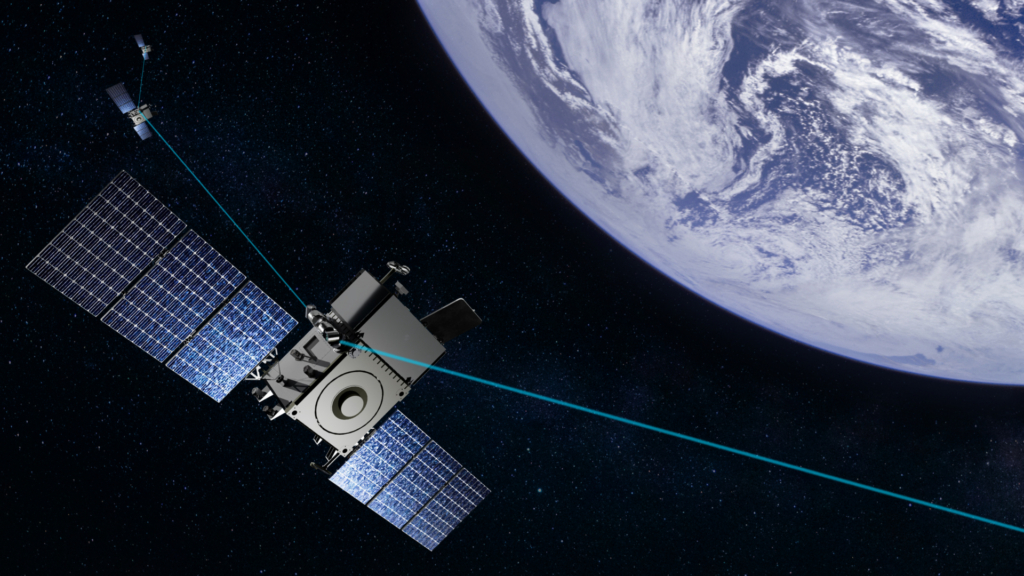
According to the Space Force, the launches will deliver sensing and targeting capabilities while supporting near real-time communications across the Joint Force.
“Sensing and targeting of airborne objects from space, and providing near-real-time communications across the Joint Force, are vital to the defence of our nation,” said Colonel Eric Zarybnisky, Acting Portfolio Acquisition Executive for Space Access.
He added that the contracts moved from identifying the requirement to award in just two months under the Phase 3 acquisition framework, reflecting the service’s drive to accelerate capability delivery.
Why the latest contracts matter
While the earlier awards focused on building the overall architecture and securing launch capacity, the latest contracts are aimed at broadening the technology base behind the programme.
Instead of relying on a single supplier, the Space Force is funding multiple companies to develop different sensing approaches before selecting technologies for future operational systems. The strategy is intended to encourage competition, speed up innovation and reduce dependence on any one contractor as the programme matures.
Rocket Lab secures its biggest national security award
For Rocket Lab, the latest award is more than another government contract, as it also represents another significant expansion of its national security portfolio and reinforces the company’s growing role in military space programmes.
At $397 million, it is the largest single contract the company has received under the Space-Based Air Moving Target Indicator programme and places it alongside much larger defence contractors competing to shape one of the Space Force’s most ambitious space-based sensing initiatives.
The company has not disclosed technical details of the system it will develop, but said the programme will focus on maturing capabilities needed to detect and track airborne targets from space before they move into future operational constellations.
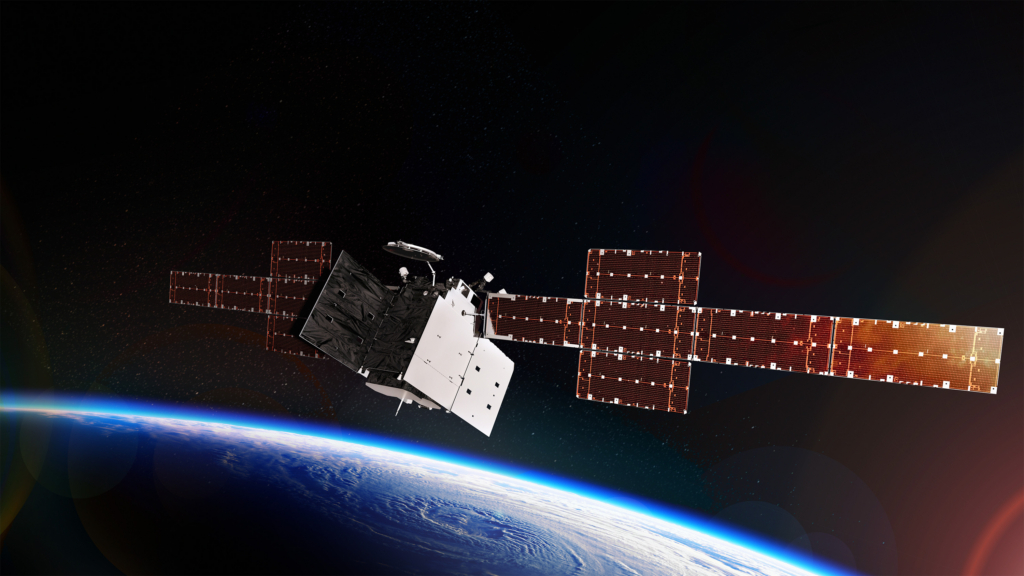
The award also reflects Rocket Lab’s growing presence in US national security programmes. Once known primarily for its Electron small launch vehicle, the company has steadily expanded into spacecraft manufacturing, satellite systems and defence missions, positioning itself as an end-to-end space systems provider rather than simply a launch company.
Building capacity alongside capability
The latest award comes as Rocket Lab prepares for another major Space Force programme.
Earlier this year, the company secured a $266 million contract under the Space Systems Command’s Rocket Systems Launch Program to conduct 12 suborbital launches, with options for up to six additional missions. The flights, expected to begin no earlier than the end of 2026, will support missile defence and hypersonic technology testing.
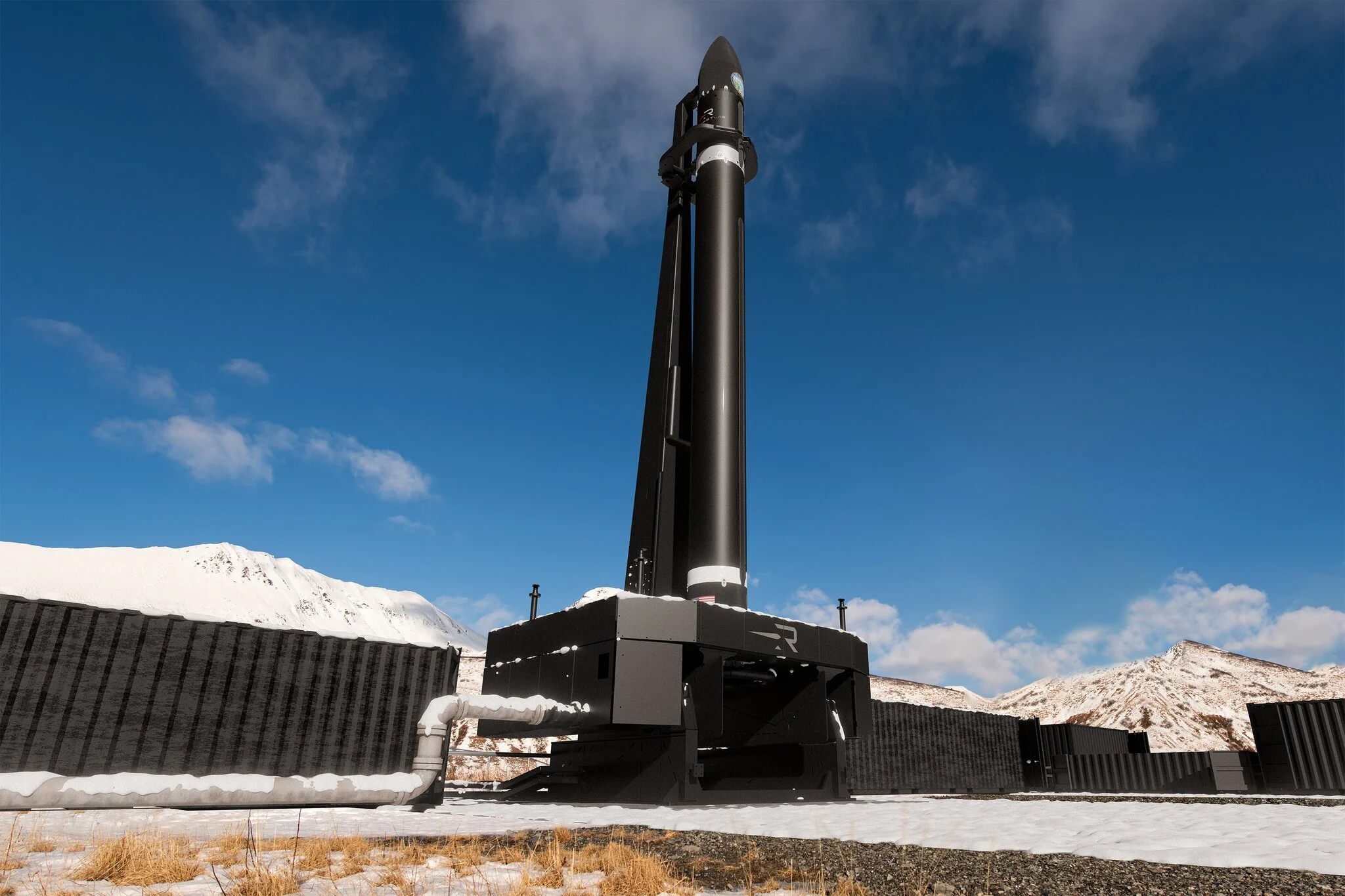
Most of those launches will be conducted from Rocket Lab’s new facility at the Pacific Spaceport Complex-Alaska in Kodiak, expanding the company’s launch network beyond New Zealand and its existing US launch sites in Virginia. The additional launch capacity is intended to support the higher flight rates increasingly demanded by military test programmes.
Sir Peter Beck, Rocket Lab’s founder and chief executive, said rapid and frequent launches had become essential to developing new defence capabilities.
“Cadence, iteration, and relentless execution are essential to maturing America’s missile defence capabilities, and that’s exactly what we bring with launch leadership,” he said.
“The size and scale of this contract reflects the Space Force’s confidence in our ability to meet their urgent national security demands with speed, responsiveness, and scale, and we’re proud to provide the high-frequency launch capacity required to keep the US ahead of global threats.”
A different way of buying military space capability
The Space Force is also changing how it acquires technology.
Instead of waiting for every element of a programme to mature before awarding a single production contract, the service is funding multiple technology developers in parallel while securing launch services and satellite deployment on separate tracks.
That approach allows sensing technologies, spacecraft and launch infrastructure to progress simultaneously, shortening the time between development and operational deployment.
It also gives the Space Force greater flexibility to introduce new technologies as they become available rather than locking the programme into a single design at an early stage.
A new chapter in airborne surveillance
Space-based sensing has long been discussed as a way of extending the military’s view of the battlefield. What has changed over the past few months is the pace at which that ambition is moving towards reality.
The sequence of contracts awarded since May shows the programme progressing beyond early concepts towards the practical work of developing sensors, preparing launch campaigns and expanding the industrial base needed to support future deployments.
Much of the technology remains classified, and questions remain over how quickly operational capability can be fielded. Even so, the direction of travel is becoming increasingly clear.
Rather than relying on a single platform or sensor, the United States is assembling a layered architecture that combines satellites, communications and data processing to provide commanders with a more persistent picture of activity in the skies. If the programme delivers on its objectives, tracking aircraft from orbit could evolve from an emerging concept into a routine part of future military operations.